
Bringing a new kitten into a home where a resident cat already lives can be both exciting and challenging. While kittens are often seen as playful and adaptable, cats are territorial by nature. A sudden introduction can trigger fear, aggression, or prolonged stress for both animals. The key to success lies not in rushing the process, but in thoughtful planning, patience, and respecting feline psychology. With the right approach, most cats and kittens can coexist peacefully—some even form strong bonds over time.
Understanding Feline Behavior During Introductions
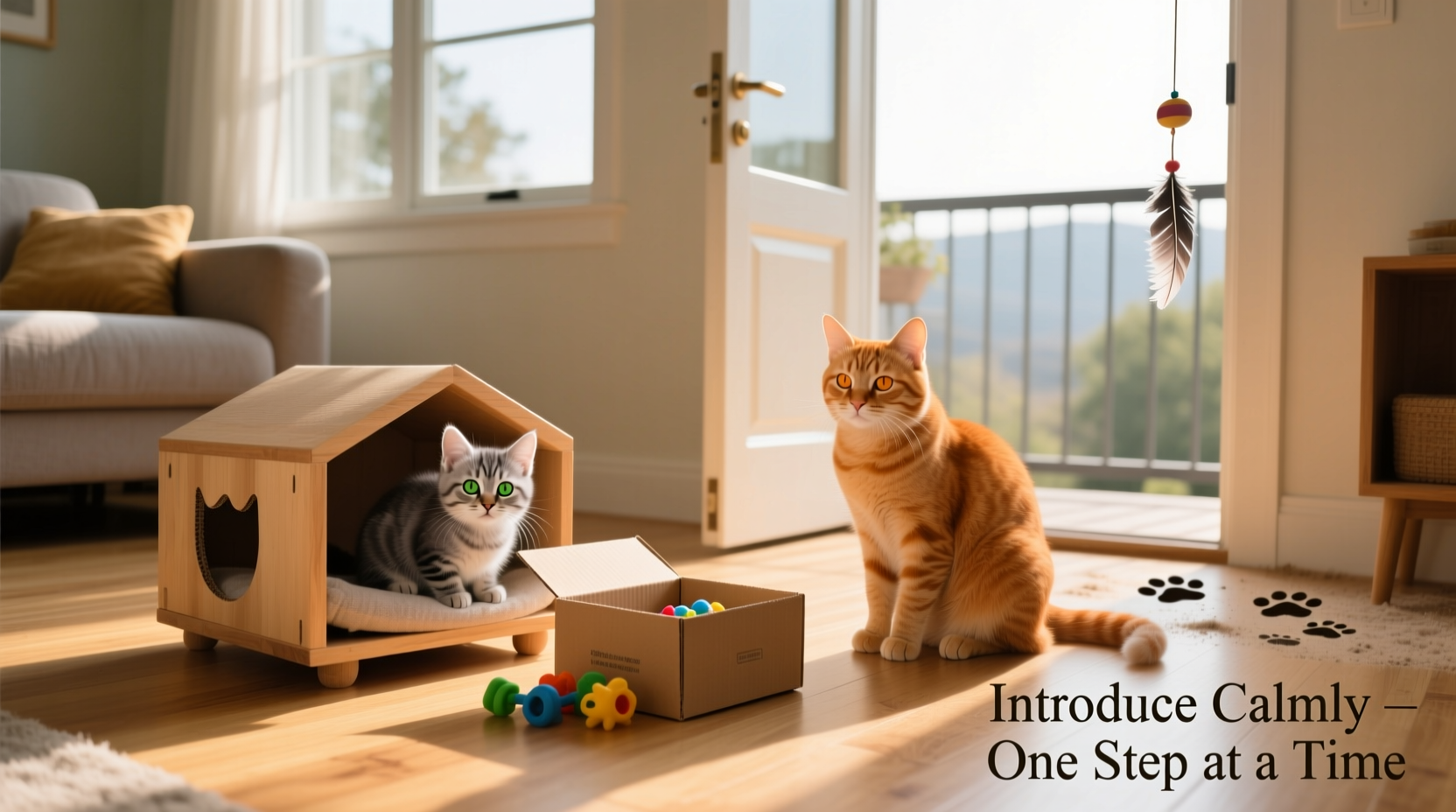
Cats rely heavily on scent, routine, and territory. A resident cat perceives its environment as a carefully balanced domain. Introducing a new animal disrupts this balance, often leading to defensive behaviors such as hissing, swatting, or avoidance. These reactions are not signs of hatred—they are expressions of anxiety and uncertainty.
Kittens, while generally more flexible, may also feel overwhelmed. Their youthful energy can be misinterpreted as threatening by an older cat. Mismanaged introductions can lead to chronic tension, redirected aggression, or litter box issues. The goal is not immediate friendship, but gradual acceptance through controlled exposure and positive reinforcement.
“Cats don’t naturally live in colonies like dogs. Forcing interaction too soon is one of the most common mistakes owners make.” — Dr. Sarah Thompson, DVM, Feline Behavior Specialist
Step-by-Step Timeline for a Peaceful Introduction
A structured timeline helps reduce stress and gives both cats time to adjust. Rushing any phase increases the risk of setbacks. The full process can take days to several weeks, depending on the cats’ temperaments.
- Preparation Phase (Days 1–2): Set up a separate room for the kitten with food, water, litter box, toys, and bedding. This becomes their safe zone.
- Scent Exchange (Days 3–5): Swap bedding between cats daily. Rub each cat with a soft cloth and place it near the other’s feeding area.
- Controlled Visual Contact (Days 6–9): Use a baby gate or cracked door to allow sightlines without physical contact. Feed both cats on opposite sides to create positive associations.
- Supervised Interaction (Days 10–14): Allow brief, monitored meetings in a neutral space. End sessions before tension arises.
- Gradual Integration (Weeks 3–6): Increase interaction time slowly. Provide vertical spaces (cat trees, shelves) to reduce pressure.
- Full Access (After 6+ Weeks): Only allow unsupervised access when both cats show calm, relaxed behavior around each other.
Essential Tools and Environment Setup
The physical setup plays a critical role in reducing conflict. Cats need multiple escape routes, private spaces, and resources to avoid competition.
- Duplicate essentials: two litter boxes (placed in separate areas), two food stations, two water sources.
- Install vertical territory: cat trees, wall shelves, or window perches give cats options to retreat or observe safely.
- Use pheromone diffusers (e.g., Feliway) in shared areas to promote calmness.
- Keep the kitten’s room enriched with toys, scratching posts, and hiding spots to prevent boredom.
Do’s and Don’ts During Introduction
| Do’s | Don’ts |
|---|---|
| Feed cats on opposite sides of a closed door to build positive associations. | Force direct interaction before both cats are ready. |
| Use treats and praise during calm moments near each other. | Punish hissing or growling—this increases stress. |
| Let the resident cat investigate the kitten’s scent at their own pace. | Allow the kitten free roam before the resident cat accepts their presence. |
| Provide escape routes and high spaces for both cats. | Leave them alone together until consistent peaceful behavior is observed. |
Recognizing Stress and Progress
Knowing what to look for helps determine whether the process is working. Signs of stress include flattened ears, tail flicking, hiding, excessive grooming, or urinating outside the litter box. Conversely, positive indicators include relaxed body posture, mutual sniffing, grooming near each other, or sleeping in the same room.
It’s normal for the resident cat to display mild guarding behavior initially. However, prolonged aggression—such as stalking, ambushing, or refusing to eat—requires intervention. In such cases, return to earlier stages of the introduction and proceed more slowly.
Real Example: Bella and Milo’s Introduction
Sarah adopted a 10-week-old kitten, Milo, while living with Bella, a 4-year-old domestic shorthair. Bella had always been shy and territorial. On day one, Sarah set up Milo in the spare bedroom. She swapped blankets nightly and played calming music near Bella’s resting area.
By day four, Bella began sniffing Milo’s blanket without hissing. Sarah introduced visual contact using a baby gate. They fed both cats on either side of the gate, offering high-value treats like tuna flakes. After five days of calm observation, Sarah allowed 10-minute supervised sessions in the living room.
Milo was playful and curious; Bella remained aloof but stopped growling. Sarah ensured Bella always had a higher perch to retreat to. By week five, they were napping within three feet of each other. Six weeks in, they groomed each other’s heads—a sign of true social bonding.
Sarah emphasized consistency: “I didn’t rush anything. Even when Milo seemed ready, I waited for Bella’s cues. That made all the difference.”
Expert Tips for Long-Term Harmony
Even after successful integration, maintaining peace requires ongoing attention to each cat’s needs.
- Respect individuality: Not all cats will become best friends—and that’s okay. Tolerant coexistence is a win.
- Rotate toys and spaces: Prevent resource guarding by occasionally changing toy locations or introducing new scratching posts.
- Monitor feeding dynamics: If one cat bullies the other at mealtimes, feed them in separate rooms.
- Address changes promptly: Any shift in behavior (e.g., sudden aggression, hiding) could signal illness or renewed stress.
“Successful introductions aren’t about speed—they’re about reading the cats’ emotional state and responding with empathy.” — Rachel Nguyen, Certified Cat Behavior Consultant
Checklist: Preparing for Your Kitten’s Arrival
Use this checklist to ensure a smooth transition before bringing the kitten home:
- ✅ Choose a quiet room for the kitten’s quarantine space
- ✅ Stock supplies: litter box, food, water bowls, bed, toys, carrier
- ✅ Purchase a second litter box for shared areas
- ✅ Install baby gates or use doors for controlled access
- ✅ Buy Feliway diffuser or spray for shared zones
- ✅ Schedule vet check for the kitten (and update resident cat’s vaccines if needed)
- ✅ Prepare separate feeding stations in different parts of the house
- ✅ Gather soft cloths for scent-swapping exercises
- ✅ Plan time off work or schedule help for first-week monitoring
- ✅ Inform household members about the introduction plan and rules
Frequently Asked Questions
How long does it take for a resident cat to accept a kitten?
There’s no fixed timeline. Some cats adjust within two weeks; others take months. Most reach a stable coexistence within six to eight weeks if the introduction is managed properly. Patience and consistency are more important than speed.
What if my resident cat hisses or swats at the kitten?
Some hissing and swatting during early visual or physical contact is normal. It’s a warning, not necessarily aggression. As long as the interaction doesn’t escalate to chasing or biting, allow the cats to express themselves while you supervise. Never punish these behaviors—instead, end the session calmly and try again later. If attacks persist, return to scent-only phase for several more days.
Can I skip the separate room phase if my cats seem curious?
No. Even if both cats appear interested, skipping quarantine risks health and behavioral problems. The separate room protects the kitten from disease, gives the resident cat control over exposure, and allows you to monitor eating, litter habits, and overall health. This phase is non-negotiable for a peaceful outcome.
Conclusion: Building a Feline-Friendly Home Takes Time
Introducing a new kitten to a resident cat isn’t just about managing two animals—it’s about creating a new social ecosystem in your home. Success comes not from forcing interaction, but from honoring each cat’s boundaries, providing security, and reinforcing calm behavior with consistency and care. There will be setbacks, moments of doubt, and days when progress feels invisible. But every small step forward builds trust.
When done right, the reward is more than peace—it’s the quiet joy of seeing two cats nap side by side, chase a toy together, or groom each other’s ears. These moments don’t happen overnight, but they are deeply earned. By following a thoughtful, humane process, you’re not just adding a pet—you’re expanding a family.




 浙公网安备
33010002000092号
浙公网安备
33010002000092号 浙B2-20120091-4
Comments
No comments yet. Why don't you start the discussion?