
Bringing a new puppy into a home with an older dog is both exciting and delicate. While many hope for instant friendship, forcing closeness can trigger stress, fear, or even aggression. The key isn't luck—it's strategy. With thoughtful preparation, controlled introductions, and consistent reinforcement, you can foster harmony between dogs of different ages and energy levels. This guide walks through every stage, from pre-introduction planning to long-term integration, ensuring the transition is as smooth and safe as possible.
Why Introductions Matter: The Psychology Behind Dog Behavior
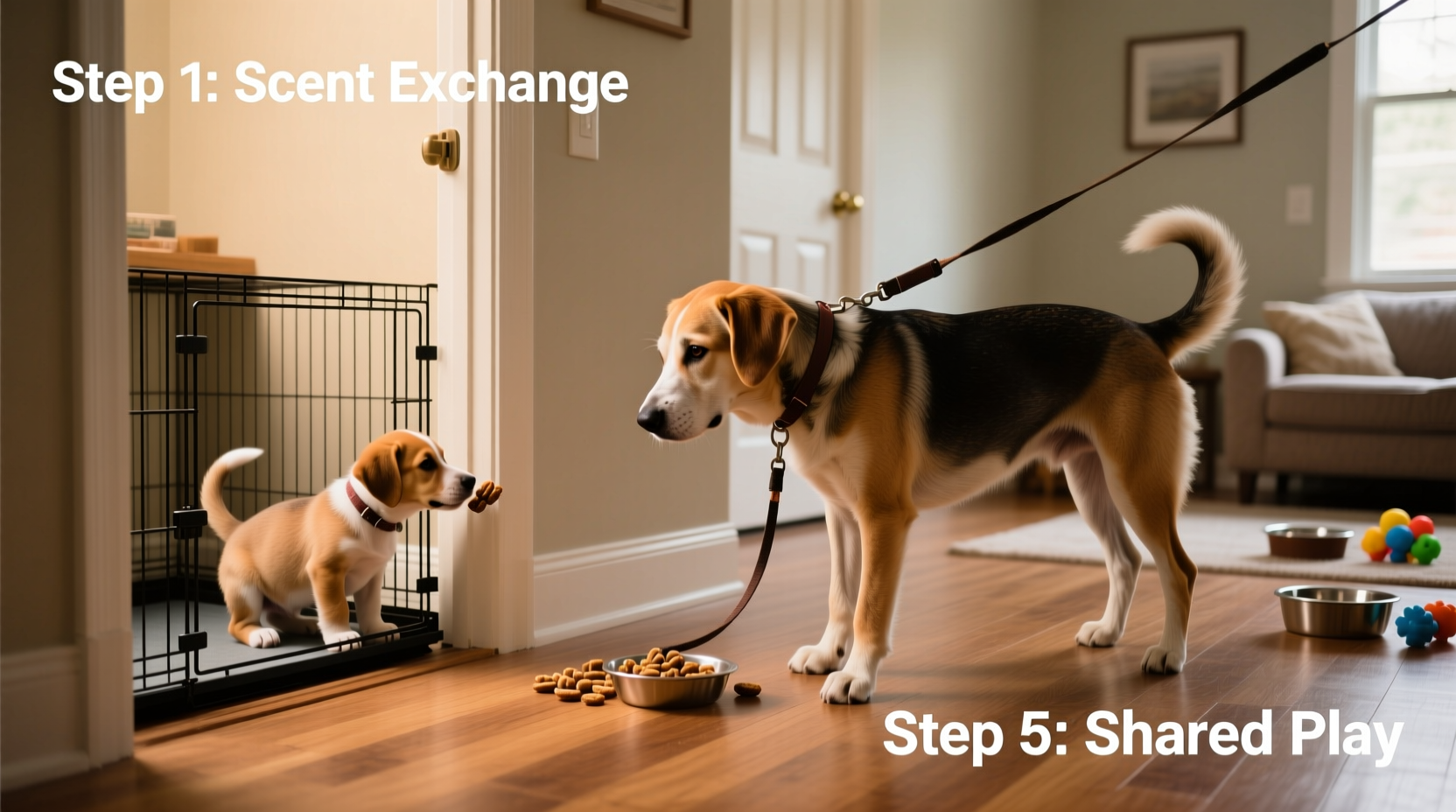
Dogs are social animals, but their tolerance for change varies widely. An older dog may have established routines, preferences, and territorial instincts. A puppy, on the other hand, is full of curiosity, energy, and often lacks social boundaries. Without proper management, this mismatch can lead to snapping, growling, or avoidance behaviors—not because either animal is “bad,” but because they’re communicating discomfort.
Stress in dogs often manifests subtly: lip licking, yawning, turning away, or stiff body posture. These signals are early warnings. Ignoring them increases the risk of escalation. Successful integration depends on recognizing these cues and intervening before tension builds.
“Dogs don’t generalize well. Just because two dogs played nicely once doesn’t mean they’ll do so again under different conditions.” — Dr. Sophia Yin, veterinary behaviorist
Step-by-Step Introduction Timeline
The safest way to introduce a new puppy to an older dog spans several days—even weeks. Rushing the process risks setbacks that could take months to undo. Follow this timeline to build trust gradually.
- Day 1–2: Scent Exchange (No Visual Contact)
Swap bedding, toys, or towels between the animals. Let each smell the other’s belongings while remaining in separate spaces. This familiarizes them with the new scent without pressure. - Day 3: Controlled Outdoor Meeting
Choose a neutral outdoor location—like a quiet park or sidewalk. Walk both dogs on leashes, side-by-side but at a distance (6–10 feet apart). Keep walks brief (5–10 minutes) and end on a positive note. Avoid face-to-face interaction. - Day 4–5: Parallel Walking & Distraction
Repeat outdoor walks, gradually decreasing distance. Use treats to reward calm behavior. Focus on keeping both dogs relaxed, not on interaction. If either tenses up, increase space immediately. - Day 6: First Indoor Meeting (Leashed & Supervised)
Bring the puppy inside while the older dog is present but leashed. Keep leashes loose. Allow sniffing only if both remain loose-bodied. Interrupt any intense staring, stiffening, or low growling with a gentle leash redirect and treat distraction. - Day 7–10: Short, Supervised Off-Leash Sessions
In a confined area like a living room, allow brief off-leash time together—no more than 5 minutes at first. Stay alert. Separate immediately if play becomes too rough or one dog shows discomfort. - Week 2+: Gradual Increase in Shared Time
Extend shared time slowly. Always supervise. Feed, train, and rest them separately. Never leave them unattended until consistently calm over multiple days.
Essential Pre-Introduction Checklist
Before the first meeting, complete these steps to reduce variables and create a stable environment.
- ✅ Update vaccinations for both animals
- ✅ Schedule a vet check for the older dog (arthritis or hearing loss affects tolerance)
- ✅ Prepare separate crates, beds, food bowls, and toys
- ✅ Puppy-proof the home to limit chaotic exploration
- ✅ Train basic obedience with the puppy (sit, stay, come)
- ✅ Identify safe exit routes and barriers (baby gates, closed doors)
- ✅ Enlist a second person to help manage leashes during meetings
Avoiding Common Mistakes: Do’s and Don’ts
Missteps during introduction often stem from good intentions—like forcing affection or assuming “they’ll work it out.” Use this table to steer clear of pitfalls.
| Do | Don’t |
|---|---|
| Let dogs set the pace. Wait for relaxed body language before progressing. | Force interaction. Holding dogs close “so they get used to each other” increases stress. |
| Use baby gates or exercise pens to allow visual contact without physical access. | Leave them unsupervised even for a few minutes early on. |
| Feed and treat separately to prevent resource guarding. | Give high-value items (bones, toys) around each other until trust is solid. |
| Interrupt unwanted behavior calmly with a leash redirect or verbal cue. | Yell, hit, or punish—this escalates fear and damages trust. |
| Respect the older dog’s space—let them retreat without being followed. | Expect the older dog to “tolerate” constant puppy energy. Rest is essential. |
Real Example: Bella and Scout’s Successful Integration
Bella, a 9-year-old Sheltie, had lived alone for seven years when her owner adopted Scout, a 12-week-old Border Collie mix. Knowing Bella was noise-sensitive and protective of her bed, the owner took precautions.
For two days, Scout stayed in a spare room with Bella’s blanket. Bella sniffed it cautiously and showed no signs of distress. On day three, they met on opposite sides of a baby gate in the hallway. Scout bounced; Bella turned away. The owner rewarded Bella with cheese for staying calm and redirected Scout with a toy.
Their first walk was at a nearby trailhead. Leashed and 8 feet apart, both focused on their handlers. After five minutes, Scout looked at Bella and sat—a trained response. The owner clicked and treated. Over the next week, parallel walks increased to 15 minutes. Indoor sessions began with 2-minute intervals behind a gate, then progressed to leashed mingling.
By day 14, they napped in the same room—Scout on a mat, Bella on her bed. No aggression occurred. Today, they play gently and greet each other with soft wags. The secret? Patience, structure, and respecting Bella’s need for control.
Managing Energy and Establishing Boundaries
Puppies rarely understand when they’re being annoying. An older dog may snap not out of malice, but exhaustion. Prevent conflict by managing energy flow.
Exercise the puppy thoroughly before meetings. A tired puppy is less likely to pester. Use puzzle toys, short training drills, or fetch sessions to burn energy independently. Meanwhile, ensure the older dog has quiet zones—elevated beds, rooms with baby gates, or crates where the puppy cannot follow.
Teach the puppy a “leave it” command. When the older dog walks away, cue the puppy to disengage. Reward compliance generously. Over time, this builds impulse control and respect.
When Aggression Occurs: Immediate Response Protocol
Despite precautions, minor scuffles may happen. Here’s what to do:
- Stay calm. Panic amplifies stress. Speak in a low, steady voice.
- Break it safely. Avoid grabbing collars. Use distractions: toss a blanket, shake a jar of coins, or spray water sideways (not directly at the face).
- Separate immediately. Place each dog in a different room. Wait 10–15 minutes before reevaluating.
- Reassess the plan. Return to earlier stages. Consult a certified dog behavior consultant if aggression repeats.
Minor growls or raised hackles during initial meetings are communication, not necessarily danger. But lunging, biting, or sustained stiffness requires professional intervention. Do not wait.
“Aggression isn’t a character flaw—it’s a signal. Address the underlying cause: fear, pain, or lack of coping skills.” — Jean Donaldson, Founder of The Academy for Dog Trainers
Frequently Asked Questions
How long does it take for an older dog to accept a puppy?
There’s no fixed timeline. Some dogs adjust in a week; others take several months. Most reach peaceful coexistence within 4–8 weeks if the process is gradual and respectful of both animals’ needs.
Should I punish my older dog if they snap at the puppy?
No. Punishment damages trust and increases anxiety. Instead, manage the environment to prevent repeat incidents and reinforce calm behavior with rewards. Snapping is often a last-resort communication—address the cause, not the symptom.
Can I let them sleep together after a few days?
Not initially. Wait until both dogs consistently choose to be near each other without tension. Even then, provide separate sleeping areas. Forced proximity undermines security.
Conclusion: Building Peace Through Patience
Introducing a new puppy to an older dog isn’t about forcing friendship—it’s about creating safety, predictability, and mutual respect. Every step forward should feel effortless for both animals. Rushing leads to regression; patience builds lasting peace.
You’re not just introducing two dogs. You’re reshaping a household dynamic. By honoring the older dog’s seniority, guiding the puppy’s energy, and staying observant, you lay the foundation for a balanced, harmonious life together.




 浙公网安备
33010002000092号
浙公网安备
33010002000092号 浙B2-20120091-4
Comments
No comments yet. Why don't you start the discussion?