
There’s nothing more frustrating than turning the key and hearing only a weak click—or worse, silence. A dead battery is one of the most common causes of vehicle failure, especially in extreme temperatures. While jumpstarting your car is a practical solution, doing it incorrectly can damage your battery, alternator, or even the vehicle’s sensitive electronic control units (ECUs). With modern cars packed with microprocessors, sensors, and complex circuitry, improper jumpstarting can lead to expensive repairs. The good news? When done correctly, jumpstarting is safe, effective, and something every driver should know how to do.
Why Modern Cars Are More Sensitive to Jumpstarting Errors
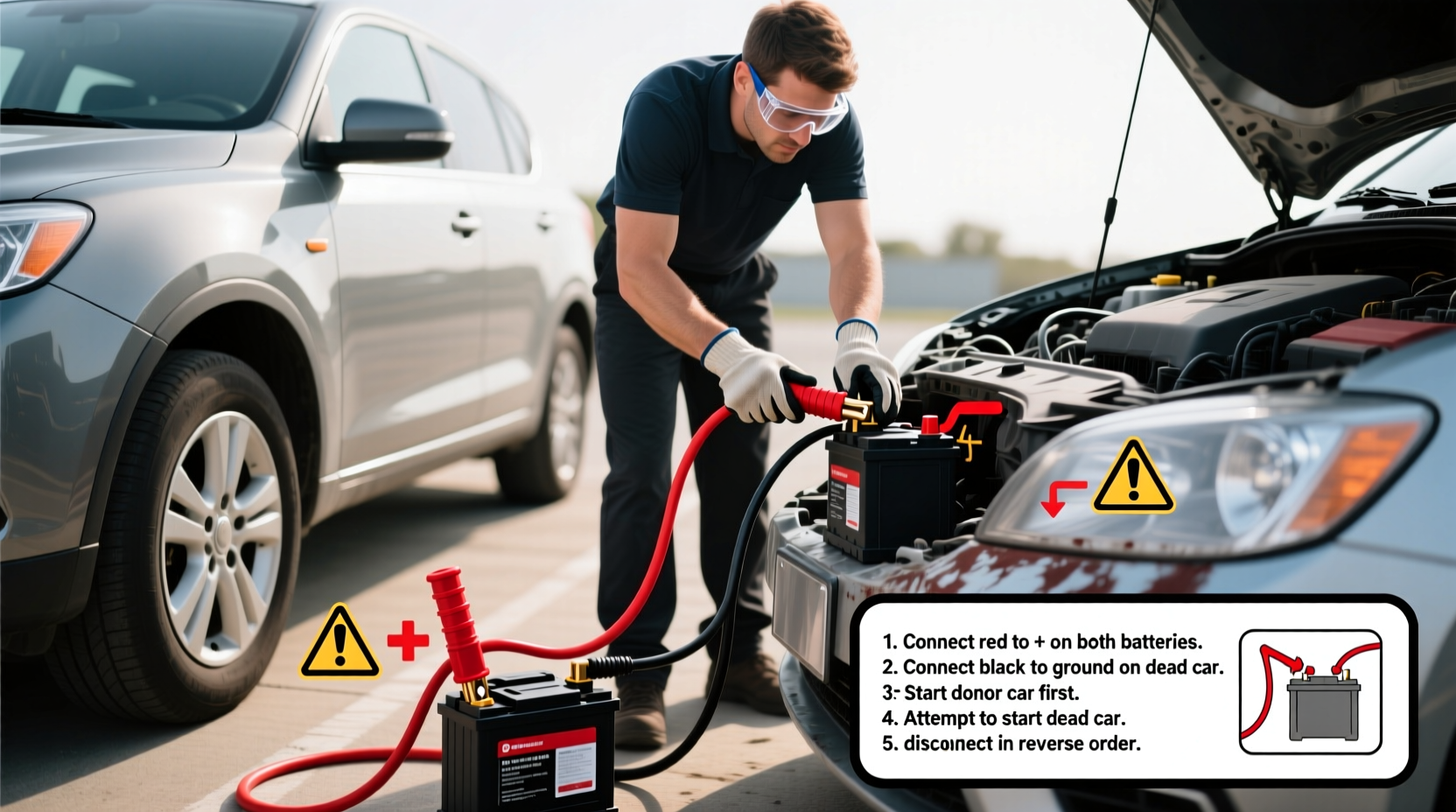
Today’s vehicles rely heavily on electronics for engine management, infotainment, safety systems, and diagnostics. Unlike older models that were mostly mechanical, modern cars operate on 12-volt electrical systems tightly integrated with computerized modules. These systems are designed to handle normal voltage fluctuations but are vulnerable to voltage spikes, reverse polarity, and incorrect cable connections during jumpstarting.
A surge caused by improper jumper cable use can fry delicate components like the engine control module (ECM), transmission control unit (TCU), or body control module (BCM). In some cases, the damage isn’t immediately apparent—it may manifest days later as erratic behavior or warning lights. That’s why understanding the correct procedure isn’t just about getting your car started; it’s about protecting your investment.
“Many roadside assistance calls we respond to involve preventable ECU damage from incorrect jumpstarts. Following the right sequence is non-negotiable.” — Mark Reynolds, ASE-Certified Master Technician
Essential Tools and Safety Gear
Before attempting a jumpstart, ensure you have the right tools and protective equipment. Using substandard or damaged gear increases the risk of sparks, short circuits, or personal injury.
- Jumper cables: At least 12 feet long, with thick-gauge wire (4 to 6 AWG) and insulated clamps.
- Booster vehicle: A running car with a healthy 12V battery (similar voltage—do not mix 6V and 12V systems).
- Gloves: Heavy-duty rubber or insulated gloves to protect against accidental shocks.
- Safety glasses: To shield eyes from potential sparks or battery acid.
- Flashlight: Useful if working in low-light conditions—preferably LED and non-sparking.
Step-by-Step Guide to Safely Jumpstart a Car
Follow this precise sequence to minimize risk and maximize success. Each step is designed to prevent sparks near the battery, reduce electrical surges, and protect onboard electronics.
- Park both vehicles close but not touching. Position the booster car so the batteries are within reach of the cables. Turn off both engines, shift into park or neutral, and engage parking brakes.
- Turn off all electrical loads. Switch off headlights, radio, climate control, and accessories in both vehicles. This prevents power surges when connecting the circuit.
- Identify battery terminals. Locate the positive (+) and negative (–) terminals on both batteries. If terminals are corroded, gently clean them with a wire brush or baking soda solution before proceeding.
- Connect red (positive) clamp to dead battery. Attach one end of the red cable to the positive terminal of the dead battery. Ensure a firm connection—loose clamps cause arcing.
- Connect other red clamp to live battery’s positive terminal. Now connect the second red clamp to the booster car’s positive terminal.
- Attach black clamp to live battery’s negative terminal. Connect one black (negative) clamp to the negative terminal of the booster battery.
- Ground the final black clamp away from the dead battery. This is critical: attach the last black clamp to an unpainted metal surface on the dead car’s engine block or chassis—never directly to the dead battery’s negative terminal. This reduces the chance of igniting hydrogen gas emitted by the battery.
Starting and Disconnecting Sequence
Once the cables are connected:
- Start the booster vehicle and let it run at idle for 3–5 minutes. This allows charge transfer to the dead battery.
- Attempt to start the disabled vehicle. If it starts, leave it running.
- If it doesn’t start, rev the booster car slightly (to ~2000 RPM) for another 2–3 minutes, then try again.
- After successful start, disconnect the cables in reverse order:
- Remove black clamp from ground point on dead car.
- Remove black clamp from booster battery.
- Remove red clamp from booster battery.
- Remove red clamp from previously dead battery.
- Drive the jumped vehicle for at least 20–30 minutes to allow the alternator to recharge the battery fully.
Do’s and Don’ts of Jumpstarting: What to Avoid
Mistakes during jumpstarting are common—but avoidable. Use this table to distinguish safe practices from risky ones.
| Do’s | Don’ts |
|---|---|
| Use heavy-duty, undamaged jumper cables | Never use frayed or thin cables |
| Connect in the correct sequence: + to +, then – to chassis | Never connect negative clamp directly to dead battery’s negative terminal |
| Wear safety glasses and gloves | Don’t lean over the battery while starting |
| Let the booster car charge the battery before starting | Don’t attempt to jumpstart a cracked or leaking battery |
| Turn off all accessories before connecting | Never jumpstart a frozen battery—risk of explosion |
Real-World Example: A Winter Morning Gone Wrong
It was 7:00 AM in January, and Sarah needed to get to work. Her SUV wouldn’t start after being parked outside overnight in 15°F weather. Her neighbor offered to help with jumper cables. In their rush, they connected the black clamp directly to the dead battery’s negative terminal. As Sarah turned the key, there was a small pop—and a spark near the battery.
The car started, but once home, she noticed her dashboard lights were flickering and the radio wouldn’t turn on. A diagnostic scan revealed a damaged body control module, likely from a voltage spike caused by the improper grounding. The repair cost $680—money that could have been saved with proper technique.
This case highlights how skipping one safety step can lead to costly consequences. Taking an extra minute to ground the negative clamp properly would have prevented the issue entirely.
When Not to Jumpstart: Recognizing Warning Signs
Jumpstarting isn’t always the right solution. In certain situations, attempting a jump can be dangerous or ineffective.
- Swollen or cracked battery: Indicates internal damage or freezing. Jumping could cause leakage or explosion.
- Frequent battery failures: If you need jumps more than once a month, the battery may be failing and require replacement.
- Corrosion around terminals: Severe corrosion may prevent proper charging even after a jump.
- Older vehicles with carburetors: Some vintage models require different procedures due to lack of electronic fuel injection.
If the battery is more than 4–5 years old, consider replacing it instead of relying on repeated jumpstarts. A load test at an auto parts store can determine its health.
Alternative Solutions to Traditional Jumpstarting
If you don’t have access to another vehicle, several safer, modern alternatives exist:
- Portable jump starter (lithium-powered): Compact, battery-powered devices that can jump most vehicles without needing a second car. Many include USB ports, flashlights, and built-in voltmeters.
- Smart jumper packs with reverse polarity protection: These detect incorrect connections and prevent current flow, eliminating the risk of damage.
- Roadside assistance: Services like AAA or manufacturer-provided roadside aid offer professional jumpstarts with proper equipment.
Frequently Asked Questions
Can jumpstarting damage my car’s computer?
Yes, if done incorrectly. Connecting cables out of order, using poor-quality cables, or creating sparks near the battery can send voltage spikes through the electrical system, potentially damaging ECUs. Always follow the correct sequence and use proper grounding.
How long should I drive after a jumpstart?
At least 20–30 minutes of continuous driving at highway speeds. Short trips won’t sufficiently recharge the battery. For best results, consider using a battery maintainer or trickle charger afterward.
Is it safe to jumpstart a hybrid or electric vehicle?
Most hybrids have a 12V auxiliary battery that can be jumpstarted like a conventional car—but consult your owner’s manual first. Fully electric vehicles (EVs) cannot be jumpstarted in the traditional sense; they require specialized support if the 12V system fails.
Final Checklist Before You Begin
Use this quick-reference checklist to ensure a safe and successful jumpstart:
- ✅ Both vehicles are turned off and in park/neutral
- ✅ All lights and accessories are switched off
- ✅ Jumper cables are in good condition and properly rated
- ✅ Positive and negative terminals are clean and visible
- ✅ Red clamp connected to dead battery’s positive terminal
- ✅ Other red clamp connected to live battery’s positive terminal
- ✅ Black clamp on live battery’s negative terminal
- ✅ Final black clamp grounded to unpainted metal on dead car’s engine
- ✅ Booster car has idled for 3–5 minutes before starting attempt
- ✅ Cables disconnected in reverse order after jump
Conclusion
Knowing how to jumpstart a car safely is a vital skill, but it comes with responsibility. One misstep can lead to hundreds—or thousands—in repair bills due to damaged electronics. By following the correct procedure, using quality equipment, and respecting the complexity of modern automotive systems, you can get back on the road without risking further issues.
Take the time now to inspect your jumper cables, educate family members, or invest in a portable jump starter. Being prepared means you’ll never be stranded—and you’ll protect your vehicle’s sensitive electronics in the process.




 浙公网安备
33010002000092号
浙公网安备
33010002000092号 浙B2-20120091-4
Comments
No comments yet. Why don't you start the discussion?