
Kitchens are prime targets for ants. The combination of food residue, moisture, and warmth makes them an ideal environment for these tiny invaders. While chemical pesticides may offer quick results, they come with health and environmental risks—especially in a space where food is prepared. Fortunately, there are numerous natural, non-toxic strategies that can effectively deter ants and prevent future infestations. By understanding ant behavior and implementing consistent, eco-friendly practices, you can maintain a clean, ant-free kitchen without compromising safety.
Why Ants Invade Kitchens—and How They Find Their Way In
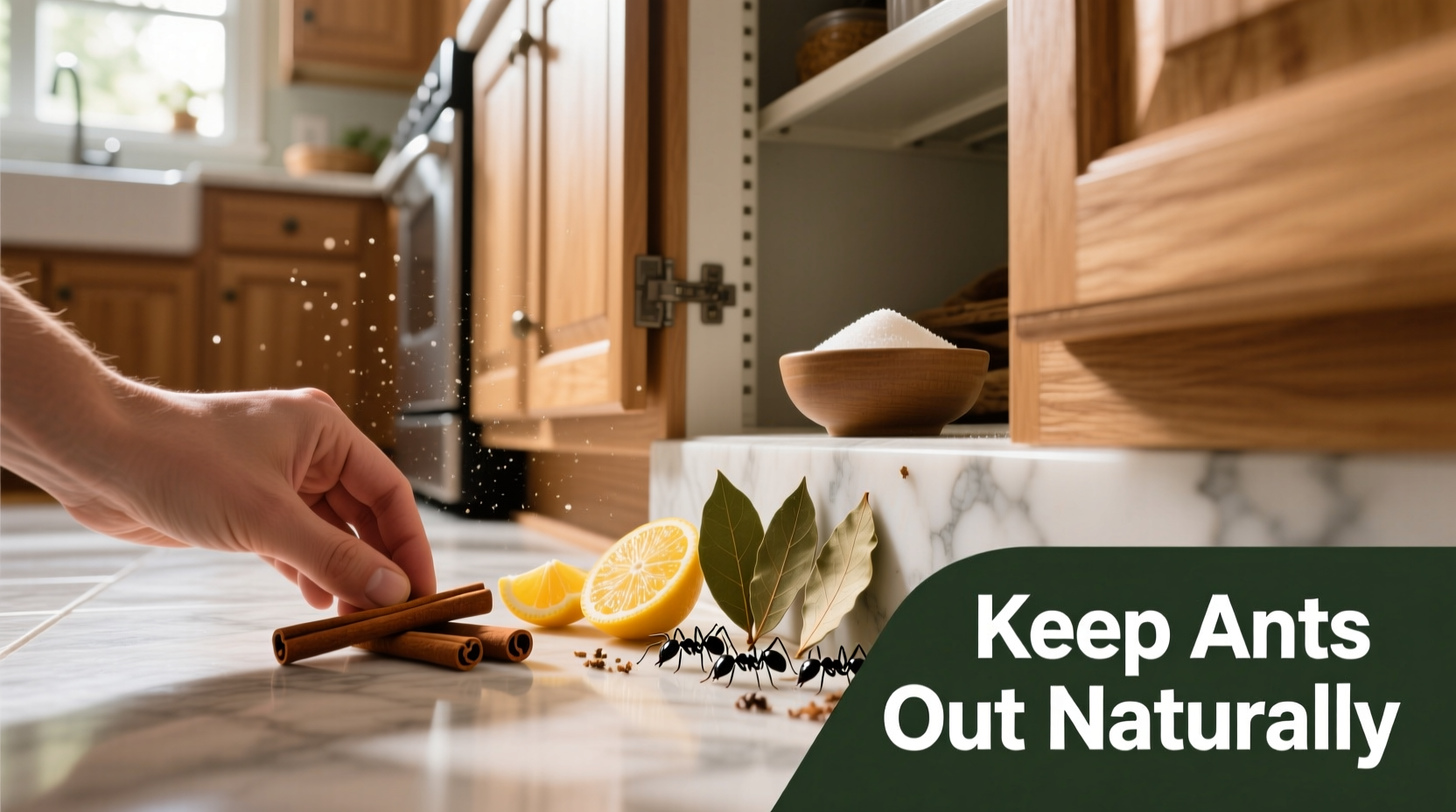
Ants are social insects that operate through highly organized colonies. When a scout ant discovers a food source—such as crumbs, sugar spills, or even pet food—it leaves behind a pheromone trail for others to follow. This explains why you often see ants marching in a straight line toward a specific spot on your countertop or pantry shelf.
Kitchens attract ants because they offer three essentials: food, water, and shelter. Even the smallest spill or uncovered trash can become a feeding ground. Entry points are usually narrow cracks near baseboards, gaps around windows and doors, or utility lines leading inside from outdoors. Once a trail is established, hundreds of ants can infiltrate your kitchen within hours.
The most common household ants include:
- Odorous house ants – Emit a rotten-coconut smell when crushed.
- Pavement ants – Often enter through foundation cracks.
- Carpenter ants – Larger and potentially damaging to wood structures.
- Pharaoh ants – Small, light-colored, and known for nesting indoors.
Identifying the type of ant helps determine the best approach. For example, carpenter ants require structural inspection, while sugar-loving species respond well to baiting techniques.
Natural Deterrents That Actually Work
Many household ingredients disrupt ant navigation or create barriers they refuse to cross. These remedies are safe around children and pets and don’t leave harmful residues.
Vinegar Solution
A 50/50 mix of white vinegar and water acts as both a cleaner and repellent. Vinegar’s strong smell masks pheromone trails, confusing ants and preventing them from finding their way back. Spray it along baseboards, windowsills, and entry points daily during an active infestation.
Baking Soda and Powdered Sugar Bait
Mix equal parts baking soda and powdered sugar. Place small amounts near ant trails. The sugar attracts them, while the baking soda reacts with their digestive system, killing them internally. This method works slowly but reduces colony numbers over time.
Cinnamon and Clove
Ground cinnamon or clove essential oil repels ants due to their intense aroma. Sprinkle cinnamon at entry points or soak cotton balls in clove oil and place them near problem areas. These spices don’t kill ants but discourage them from crossing treated zones.
Lemon Juice and Citrus Peels
The citric acid in lemon juice disrupts pheromone signals. Squeeze fresh lemon juice along window tracks and door edges, or rub citrus peels directly on surfaces. Replace every few days as the scent fades.
Diatomaceous Earth (Food Grade)
This fine powder, made from fossilized algae, dehydrates ants on contact. Sprinkle a thin layer along baseboards, under appliances, or near cracks. It’s non-toxic to humans and pets but lethal to insects with exoskeletons. Reapply after cleaning or if exposed to moisture.
“Natural deterrents like vinegar and diatomaceous earth are just as effective as chemicals when applied consistently.” — Dr. Lena Patel, Urban Entomologist
Step-by-Step Guide to Eliminate and Prevent Ant Infestations
Eliminating ants requires more than just killing visible ones. You must break the cycle of attraction, remove trails, seal access, and monitor for recurrence. Follow this timeline for lasting results:
- Day 1: Deep Clean the Kitchen
Remove everything from cabinets and shelves. Vacuum all corners, wipe down surfaces with soapy water, then follow with a vinegar solution. Pay special attention to under appliances, behind the fridge, and around trash cans. - Day 2: Identify and Seal Entry Points
Inspect walls, floors, and windows for cracks. Use silicone caulk to seal gaps larger than 1/16 inch. Install door sweeps and repair torn window screens. - Day 3: Deploy Natural Baits and Barriers
Place baking soda-sugar mixtures near ant paths. Set up vinegar sprays and diatomaceous earth lines at entry zones. Avoid spraying vinegar directly on baits, as it may repel ants from consuming them. - Days 4–7: Monitor and Reapply
Observe ant activity. If trails persist, reposition baits closer to origin points. Continue nightly cleaning and weekly deep wipes of high-risk areas. - Week 2 Onward: Maintain Prevention Habits
Store food in airtight containers, take out trash daily, fix leaks promptly, and inspect for new cracks. Rotate deterrents monthly to prevent adaptation.
Do’s and Don’ts of Natural Ant Control
| Do’s | Don’ts |
|---|---|
| Use vinegar to erase scent trails | Don’t spray insecticides directly on countertops |
| Store dry goods in glass or hard plastic containers | Don’t leave dirty dishes overnight |
| Seal cracks with caulk or steel wool | Don’t crush ants in sight—they release alarm pheromones that attract more |
| Place citrus peels near windows | Don’t rely solely on surface sprays without addressing nests |
| Check pet food bowls after meals | Don’t ignore outdoor ant mounds near the foundation |
Real Example: A Family’s Successful Turnaround
The Rivera family in Austin, Texas, struggled with recurring ant invasions every summer. Despite frequent cleaning, they noticed ants returning near their sink and pantry. After consulting a local pest educator, they implemented a natural strategy: sealing gaps with expandable foam, switching to glass food storage, and using a vinegar-citrus spray nightly.
They also placed a mixture of borax (a natural mineral) and honey in a child-safe container under the sink—baiting the ants without exposing their toddler. Within two weeks, ant sightings dropped by 90%. By month three, they were completely gone. The family continues monthly inspections and uses cinnamon sachets in cabinets as a preventive measure.
Their success wasn’t due to a single remedy but a layered, persistent approach focused on sanitation and exclusion.
Essential Checklist for an Ant-Free Kitchen
Use this checklist weekly to stay ahead of infestations:
- ✅ Sweep and mop all floors, especially under furniture and appliances
- ✅ Wipe countertops, stovetops, and backsplashes with vinegar solution
- ✅ Empty and rinse recycling bins; store them away from the house if possible
- ✅ Check for and repair leaky faucets or pipes under sinks
- ✅ Transfer flour, cereal, and sugar into sealed containers
- ✅ Inspect window and door seals for wear or gaps
- ✅ Remove trash daily, especially if containing food waste
- ✅ Apply diatomaceous earth or cinnamon along baseboards
- ✅ Monitor ant activity and adjust bait placement as needed
- ✅ Trim tree branches or vines touching the exterior walls
Frequently Asked Questions
Can ants harm my family or contaminate food?
While most household ants don’t bite or sting, they can carry bacteria like Salmonella and E. coli from garbage or drains. If ants crawl over food, it’s safest to discard it. Their presence indicates unsanitary conditions that could attract other pests.
How long does it take to get rid of ants naturally?
Results vary based on infestation size and species. Minor cases improve within a week. Established colonies may take 3–6 weeks to fully collapse, especially if the nest is outdoors. Consistency is key—interrupting treatment early leads to resurgence.
Are natural remedies safe for pets?
Most are, but caution is needed. Food-grade diatomaceous earth is safe, but avoid inhalation. Borax-based baits should be placed in inaccessible areas. Essential oils like tea tree or eucalyptus can be toxic to cats, so opt for safer options like clove or cinnamon if pets are present.
Sustainable Long-Term Prevention
Keeping ants out isn’t a one-time task—it’s part of ongoing kitchen hygiene. Think of prevention like a routine: just as you wash dishes daily, you should also inspect for vulnerabilities. Over time, simple habits compound into powerful protection.
Consider seasonal changes. Ants are most active in spring and summer but may move indoors during winter droughts or heavy rains. Adjust your vigilance accordingly. Outdoor maintenance matters too—keep mulch and firewood at least 18 inches from your home’s foundation, and clear leaf piles that retain moisture.
Finally, educate everyone in the household. Teach children to report spills immediately and encourage guests to dispose of food scraps properly. A shared responsibility mindset ensures no weak links in your defense.
Conclusion: Take Control Without Compromising Safety
Ants in the kitchen are frustrating, but resorting to harsh chemicals isn’t the only—or best—solution. With natural tools like vinegar, diatomaceous earth, and proper sanitation, you can eliminate current infestations and build lasting resistance. The goal isn’t just to repel ants today, but to create an environment they’ll never want to return to.




 浙公网安备
33010002000092号
浙公网安备
33010002000092号 浙B2-20120091-4
Comments
No comments yet. Why don't you start the discussion?