
Ants are among the most persistent kitchen invaders. Drawn by even the tiniest crumb or spill, they can quickly turn a clean countertop into a highway of tiny intruders. While commercial ant sprays exist, many contain harsh chemicals you’d rather not spray near food. Fortunately, nature offers powerful alternatives—right from your pantry. Using common household ingredients like vinegar, cinnamon, and cloves, you can create effective, non-toxic barriers that repel ants without compromising safety or cleanliness.
This guide walks through scientifically backed, practical methods to deter ants using only items you likely already have. These solutions are safe for homes with children and pets, cost-effective, and environmentally responsible. More importantly, they address both the symptoms and root causes of infestation—because keeping ants out isn’t just about killing them; it’s about making your kitchen uninviting in the first place.
Why Ants Invade Kitchens—and How Pantry Staples Help
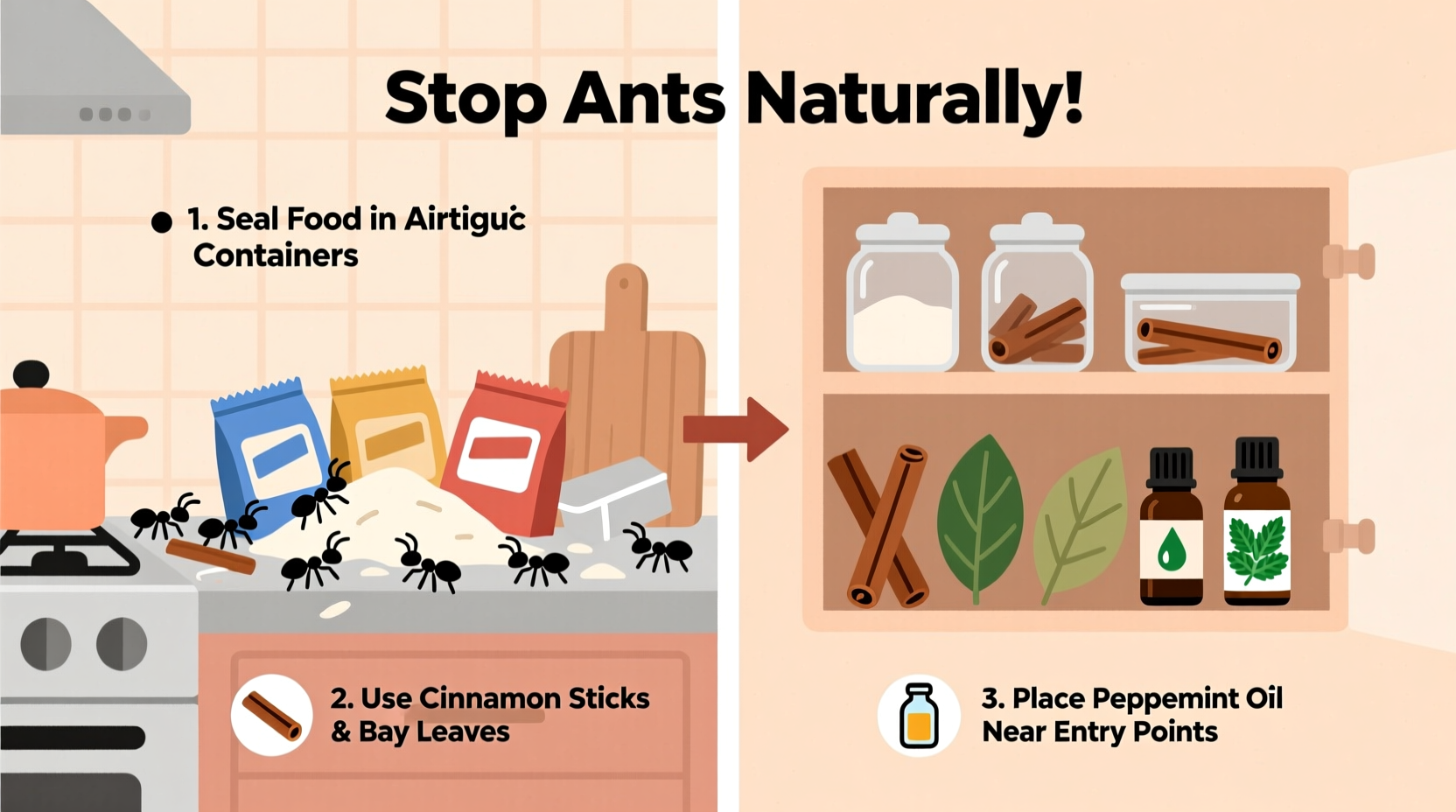
Ants follow pheromone trails laid by scouts who’ve discovered a food source. Once one ant finds sugar, crumbs, or grease, it signals others, creating a chain reaction. The key to stopping them isn’t just eliminating the visible ants—it’s disrupting their communication and removing access to attractants.
Pantry staples work in several ways:
- Masking scent trails: Ingredients like vinegar break down the chemical markers ants use to navigate.
- Repelling with strong scents: Spices such as cinnamon and cloves overwhelm ant antennae, which detect smell.
- Creating physical barriers: Powders like baby powder (talc) or chalk form lines ants are reluctant to cross.
- Blocking entry points: Substances like coffee grounds or cayenne pepper irritate ants and discourage passage.
These methods don’t rely on toxicity but on sensory disruption—a natural way to make your kitchen inhospitable without poisoning your environment.
“Ants rely heavily on chemical communication. Disrupting their scent trails with natural acids or pungent oils is often more effective than killing individual workers.” — Dr. Lena Torres, Urban Entomologist, University of California Cooperative Extension
Step-by-Step: Creating an Ant-Free Kitchen with Pantry Items
Eliminating ants requires a systematic approach. Follow this timeline to achieve lasting results:
- Day 1: Deep Clean & Identify Entry Points
Wipe all surfaces with a vinegar-water solution (1:1 ratio). Pay attention to backsplashes, under appliances, and cabinet edges. Use a flashlight at night to trace ant movement and locate where they enter—common spots include gaps around windows, baseboards, and plumbing conduits. - Day 2: Deploy Scent Barriers
Apply deterrents at identified entry points. Sprinkle cinnamon along baseboards, place whole cloves near windowsills, or draw lines with used coffee grounds. Reapply after cleaning or if disturbed. - Day 3: Maintain Daily Prevention Habits
Start wiping counters with diluted lemon juice or vinegar each evening. Store open sugar, flour, and pet food in sealed glass containers. Sweep floors nightly to remove crumbs. - Day 4–7: Monitor and Adjust
Check previously active zones. If ants persist, rotate repellents—replace cinnamon with cayenne or mix vinegar sprays with essential oils like peppermint (if available). Consistency is critical; reapplication ensures continuous protection.
Top 5 Pantry Staples That Repel Ants—And How to Use Them
Not all pantry items work equally well. The following five have proven effectiveness based on ant behavior studies and homeowner reports:
| Staple | How It Works | Best Application Method | Reapplication Frequency |
|---|---|---|---|
| Vinegar (white or apple cider) | Disrupts pheromone trails with acetic acid | Spray 1:1 vinegar-water solution on surfaces and entry points | Daily or after wiping |
| Cinnamon (ground or sticks) | Strong aroma overwhelms ant senses | Sprinkle powder at doorways, windows, cabinet corners | Every 2–3 days or when disturbed |
| Cloves (whole) | Eugenol compound is naturally repellent | Place near windows, sinks, pantries | Weekly; replace when scent fades |
| Lemon Juice | Acidic pH and citrus oils disrupt scent trails | Wipe countertops or spray around entry zones | Daily |
| Coffee Grounds (used or fresh) | Bitter smell and texture deter passage | Sprinkle near baseboards or under sink | Every 2–3 days |
Note: While baking soda is sometimes suggested, it does not repel ants effectively unless mixed with sugar as a bait (which contradicts the goal of avoiding attractants). Stick to the above list for reliable, passive defense.
Common Mistakes That Undermine Natural Ant Control
Even with the right ingredients, poor practices can sabotage your efforts. Avoid these pitfalls:
- Using sweetened versions: Flavored vinegar or spiced syrups may attract more ants. Always use plain, unsweetened forms.
- Overlooking moisture sources: Ants need water too. Fix leaky faucets and dry damp sponges overnight.
- Inconsistent reapplication: Rain, foot traffic, or cleaning washes away powders and sprays. Reapply regularly.
- Mixing repellents randomly: Some scents clash and reduce efficacy. Rotate instead of layering multiple powders.
- Ignoring outdoor access points: Seal exterior cracks and trim vegetation touching the house to prevent entry before they reach the kitchen.
Real Example: How One Family Eliminated a Persistent Infestation
The Ramirez family in Austin, Texas, struggled with sugar ants every summer. Despite daily cleaning, ants appeared near their toaster and pantry. Commercial traps worked briefly but returned within weeks.
They decided to try a pantry-only approach. First, they cleaned all surfaces with vinegar and traced ants to a gap beneath the dishwasher. They then placed whole cloves around the area and sprinkled ground cinnamon along the baseboard. Each evening, they wiped counters with lemon juice and stored bread in airtight containers.
Within three days, ant sightings dropped by 80%. By day seven, none were seen. They maintained the routine weekly and reported zero infestations the following two summers. “It wasn’t one thing,” said Maria Ramirez. “It was doing all the small things consistently. And I feel better knowing we’re not spraying poison near our food.”
Checklist: Your Pantry-Powered Ant Defense Plan
Use this actionable checklist to implement a complete, chemical-free ant prevention system:
- ✅ Inspect kitchen at dusk for ant trails and entry points
- ✅ Clean all surfaces with 1:1 vinegar-water solution
- ✅ Seal food in glass or hard plastic containers
- ✅ Sprinkle cinnamon or coffee grounds at baseboards and under sinks
- ✅ Place whole cloves near windows and door frames
- ✅ Wipe countertops nightly with lemon juice or vinegar
- ✅ Sweep and mop floors daily, focusing on corners and behind appliances
- ✅ Reapply dry barriers every 2–3 days or after cleaning
- ✅ Fix leaks and eliminate standing water
- ✅ Monitor for one week and adjust repellents if needed
Frequently Asked Questions
Will these methods kill ants or just repel them?
Most pantry-based solutions are repellents, not killers. Their purpose is to deter ants from entering and disrupt their navigation. For colonies inside walls or foundations, professional help may be needed. However, preventing access to food and water often forces outdoor colonies to relocate over time.
Are these methods safe for pets and children?
Yes. Vinegar, cinnamon, cloves, and lemon juice are non-toxic in the amounts used. However, avoid letting pets consume large quantities of cinnamon or coffee grounds, which can cause mild digestive upset. Keep powders away from areas where infants crawl or play.
What if the ants come back after a few days?
Reinfestation usually means a trail wasn’t fully erased or a new food source appeared. Re-clean the area with vinegar, double-check for crumbs or sticky residues, and rotate your repellent—e.g., switch from cinnamon to cayenne pepper. Persistence is key; it may take 7–10 days to fully break the cycle.
Conclusion: A Cleaner Kitchen Starts with Smarter Habits
Keeping ants out of your kitchen doesn’t require expensive products or toxic chemicals. With everyday pantry staples, you can create a hostile environment for ants while maintaining a safe, healthy space for your family. The real power lies not in a single trick, but in consistent habits—cleaning with vinegar, sealing food, and using natural repellents like cinnamon and cloves.
These methods respect both your home and the ecosystem. They teach vigilance, not dependency on quick fixes. Over time, you’ll find fewer pests, less stress, and greater confidence in managing household challenges naturally.




 浙公网安备
33010002000092号
浙公网安备
33010002000092号 浙B2-20120091-4
Comments
No comments yet. Why don't you start the discussion?