
Avocados are a staple in modern kitchens—creamy, nutritious, and versatile. But their biggest flaw is how quickly they turn brown once sliced. That oxidized layer isn’t just unappetizing; it can discourage even the most enthusiastic home cook from using leftovers. The good news? With the right techniques, you can delay that browning process significantly and enjoy your avocado at its peak for days. This guide reveals practical, science-backed methods to preserve cut avocados, along with common mistakes to avoid and real-world applications.
The Science Behind Avocado Browning
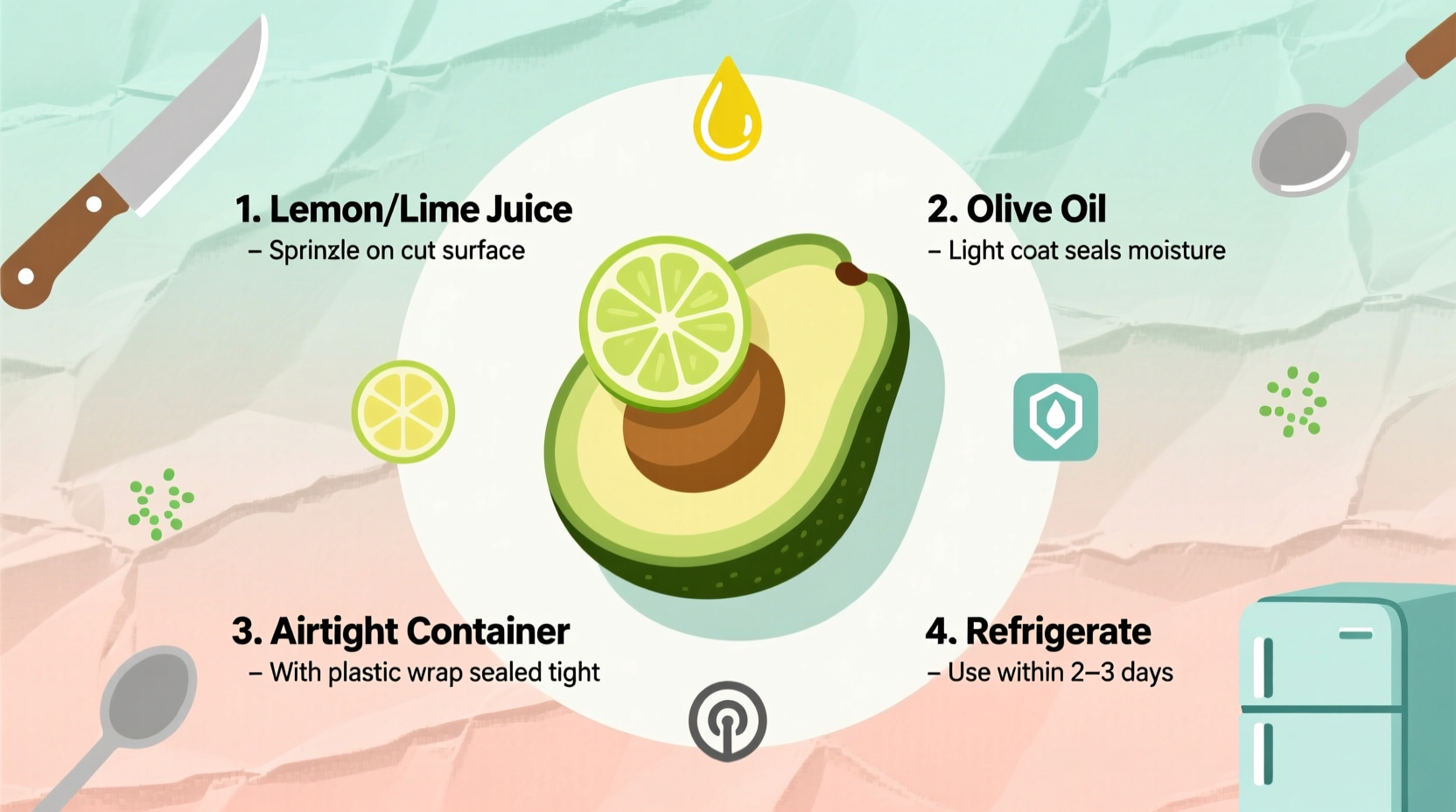
When an avocado is cut open, its flesh is exposed to oxygen in the air. This triggers a chemical reaction involving an enzyme called polyphenol oxidase (PPO), which converts natural phenolic compounds in the fruit into melanin—the same pigment responsible for human skin tanning. The result? A brown or grayish tint on the surface.
This process, known as enzymatic browning, doesn't make the avocado unsafe to eat, but it does affect flavor, texture, and appearance. Over time, the taste becomes slightly bitter, and the creamy consistency degrades. Slowing this oxidation is key to preserving freshness.
“Oxidation begins within minutes of cutting, but proper storage can slow it down dramatically.” — Dr. Lena Torres, Food Scientist at the Institute of Culinary Innovation
Effective Methods to Keep Cut Avocado Fresh
Not all preservation methods work equally well. Some popular myths—like wrapping avocado in aluminum foil alone—offer minimal protection. Below are the most effective, tested strategies based on moisture control, oxygen reduction, and pH manipulation.
1. Lemon or Lime Juice Barrier
Citrus juice is one of the simplest and most accessible ways to protect cut avocado. The citric and ascorbic acid (vitamin C) in lemon or lime juice lowers the pH on the avocado’s surface, creating an environment where PPO enzymes work more slowly.
To apply: Brush or lightly drizzle the exposed flesh, then place in an airtight container before refrigerating. This method typically keeps avocado fresh for up to 24–48 hours with minimal browning.
2. Water Submersion Method
This lesser-known technique has gained traction among chefs and meal-preppers for its surprising effectiveness. Submerging the cut avocado in cold water creates a physical barrier between the flesh and oxygen.
How it works: Place the avocado half (with pit intact) in a container, pour enough cold water to cover the surface completely, seal with a lid, and refrigerate. When ready to use, drain and pat dry gently.
Despite concerns about sogginess, the flesh remains firm and flavorful for up to two days. The water prevents oxidation without significant water absorption due to the fruit’s dense cell structure.
3. Onion Shield Technique
Onions release sulfur-containing compounds that act as natural antioxidants. When stored together, these gases help inhibit oxidation in nearby foods—including avocados.
Place a slice of raw onion at the bottom of an airtight container, add the avocado half (pit-side up), and close tightly. The avocado won’t absorb onion flavor if contact is avoided, and the protective effect lasts up to 72 hours.
“I’ve used the onion trick in my catering kitchen for years. It’s saved hundreds of dollars in wasted ingredients.” — Chef Rafael Mendez, Executive Chef at Green Leaf Bistro
4. Plastic Wrap Direct Contact
One of the oldest tricks in the book—pressing plastic wrap directly onto the avocado’s surface—is still highly effective when done correctly.
The goal is to eliminate air pockets. Gently press a sheet of cling film over the entire exposed area, ensuring no gaps. Then store in the refrigerator. This method reduces oxygen exposure and maintains moisture.
5. Vacuum Sealing for Long-Term Storage
If you're preparing meals in advance or want to freeze avocado, vacuum sealing is the gold standard. By removing nearly all air from the packaging, oxidation is almost entirely halted.
Slice or mash the avocado first, apply a small amount of lemon juice, then seal in a vacuum bag. Refrigerated, it lasts 3–5 days. Frozen, it can remain usable for up to six months—ideal for smoothies or dips.
Comparison of Preservation Methods
| Method | Shelf Life | Effectiveness | Best For |
|---|---|---|---|
| Lemon Juice + Container | 24–48 hours | ★★★★☆ | Daily use, guacamole prep |
| Water Submersion | 48 hours | ★★★★★ | Meal prep, short-term storage |
| Onion Companion | 72 hours | ★★★★☆ | Bulk storage, fridge organization |
| Plastic Wrap (Direct) | 24 hours | ★★★☆☆ | Quick meals, single servings |
| Vacuum Sealed (Frozen) | 6 months | ★★★★★ | Freezing, long-term planning |
| Pit Left In + Container | 12–18 hours | ★☆☆☆☆ | Ineffective alone; needs combo approach |
Avoid These Common Mistakes
- Leaving avocado exposed on the counter: Room temperature accelerates oxidation. Always refrigerate cut avocado.
- Using only the pit to prevent browning: While popular, this myth persists despite evidence showing the pit only protects the tiny area directly beneath it.
- Storing in loosely sealed containers: Airflow defeats preservation efforts. Use airtight options like glass jars or locking Tupperware.
- Washing before storing: Excess moisture encourages mold. Wash only before use.
- Reusing contaminated utensils: Double-dipping spoons introduce bacteria and speed spoilage.
Step-by-Step Guide: Maximizing Avocado Shelf Life
- Cut cleanly with a sharp knife: Minimize cell damage to reduce enzyme release.
- Keep the pit intact (if possible): Though not a standalone solution, leaving it in helps maintain shape and slightly reduces surface exposure.
- Apply a thin layer of lemon or lime juice: Use a pastry brush for even coverage.
- Choose your preservation method: For immediate use (within 2 days), water submersion or citrus + container works best. For longer storage, consider vacuum sealing.
- Use an airtight container: Glass is preferable—it doesn’t retain odors and provides a better seal than flimsy plastic.
- Refrigerate immediately: Store toward the back of the fridge where temperature is most stable.
- Check before use: If the top layer has browned slightly, simply scrape it off. The green layer underneath is usually still good.
Real-World Example: Meal Prep Success
Sophia, a working mother of two in Austin, Texas, used to throw away half-cut avocados every week. She loved adding them to her family’s lunches but rarely used the whole fruit at once. After learning about the water submersion method, she began storing cut avocado halves in small mason jars filled with water.
She reported that her avocados stayed fresh for two full days, allowing her to prepare weekday salads and sandwiches without waste. “It’s changed how I shop,” she said. “Now I buy ripe avocados without stress, knowing I won’t ruin them.” Her monthly grocery bill dropped slightly, and her kids consistently ate healthier fats thanks to reliable access to fresh avocado.
Preserving Mashed Avocado and Guacamole
Guacamole presents unique challenges because its increased surface area speeds up oxidation. However, the same principles apply—with a twist.
When storing mashed avocado or guacamole, follow this protocol:
- Mix in fresh lime juice (1 tablespoon per avocado).
- Transfer to a container with minimal headspace.
- Pour a thin layer of water or olive oil on top—about 1/8 inch—to block air.
- Seal tightly and refrigerate.
To serve: Pour off the liquid layer and stir. The guacamole below will remain vibrant green and fresh-tasting for up to 48 hours.
“The oil layer trick is something we teach in culinary school. It’s simple, safe, and remarkably effective.” — Chef Naomi Liu, Culinary Instructor at West Coast Academy
Do’s and Don’ts Summary
| Action | Recommended? | Reason |
|---|---|---|
| Store with pit left in | Partially | Helps structurally, but not sufficient alone |
| Use lemon or lime juice | Yes | Acidity slows enzyme activity |
| Submerge in water | Yes | Blocks oxygen effectively |
| Leave uncovered in fridge | No | Exposes to air and cross-contamination |
| Freeze mashed avocado with citrus | Yes | Long-term option for cooking/smoothies |
| Wrap only with the pit | No | Ineffective beyond minimal surface protection |
Frequently Asked Questions
Can I eat brown avocado?
Yes, in most cases. Browning is primarily oxidation, not spoilage. If the brown layer is thin and the rest of the flesh smells fresh and looks green, scrape off the top layer and consume the remainder. Discard if there’s a sour smell, slimy texture, or extensive darkening.
Is it safe to freeze whole avocados?
Technically yes, but not ideal. Freezing whole avocados alters texture due to ice crystal formation, making them mushy upon thawing. Better to puree with citrus and freeze in portions for smoothies or sauces.
Why does restaurant guacamole stay green longer?
Restaurants often use precise ratios of lime juice, refrigerate in metal containers with tight lids, and sometimes add a touch of commercial antioxidant (like ascorbic acid). At home, replicating high acidity and strict temperature control yields similar results.
Final Tips Checklist
- Always refrigerate cut avocado immediately
- Use lemon or lime juice to lower surface pH
- Store in airtight containers—glass preferred
- Try water submersion for 2-day freshness
- Add an onion slice to inhibit oxidation
- Press plastic wrap directly onto the surface
- Vacuum seal for freezing or extended use
- Label containers with dates to track freshness
Conclusion: Waste Less, Enjoy More
Keeping avocado fresh after cutting doesn’t require special gadgets or expensive products—just smart, science-based habits. Whether you’re prepping lunch for the week or saving half for tomorrow’s toast, these kitchen hacks empower you to reduce food waste and make the most of every creamy bite. Start applying one or two methods today, observe the difference, and refine your routine. With consistent practice, you’ll never toss another perfectly good avocado just because it turned brown.




 浙公网安备
33010002000092号
浙公网安备
33010002000092号 浙B2-20120091-4
Comments
No comments yet. Why don't you start the discussion?