
Cutting an avocado only to return hours later to a brown, oxidized mess is one of the most frustrating kitchen experiences. While avocados are nutrient-dense and delicious, their high fat content makes them highly susceptible to oxidation—the natural process that turns the flesh from vibrant green to unappetizing brown. The good news? With the right techniques, you can delay this process significantly and enjoy your cut avocado for up to two or even three days. This guide reveals the most effective, science-backed methods to preserve freshness, texture, and flavor after slicing.
The Science Behind Avocado Browning
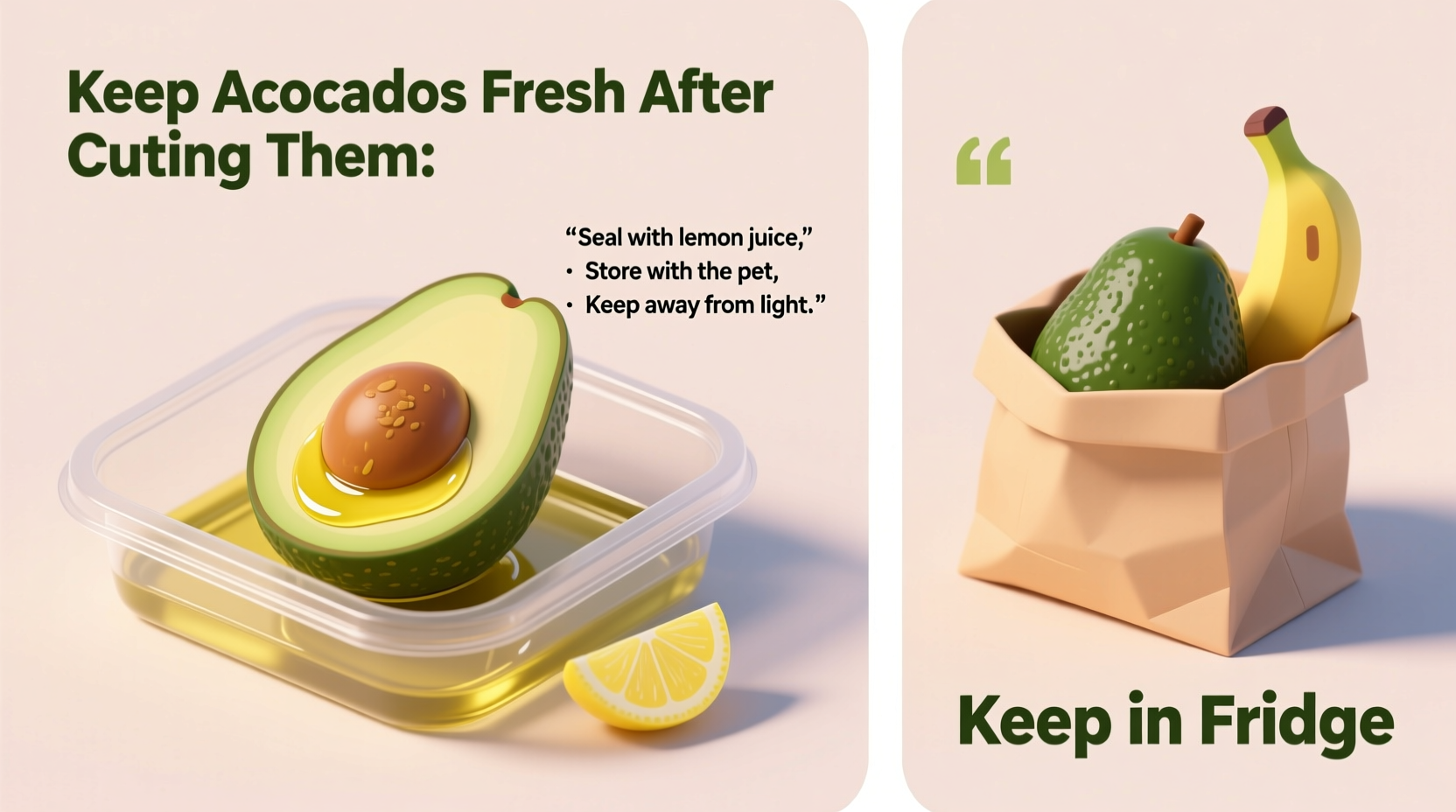
When an avocado is cut, its flesh is exposed to oxygen in the air. Enzymes within the fruit, particularly polyphenol oxidase, react with oxygen and phenolic compounds, producing melanin-like pigments that cause browning. This is the same process that affects apples, bananas, and potatoes. While the browned portion is still safe to eat, it often tastes bitter and looks unappealing.
Temperature, pH levels, and exposure to light all influence the rate of oxidation. Lowering the pH (making the surface more acidic) slows the enzyme activity, which is why citrus juice is so effective. Limiting oxygen exposure is equally critical. Understanding this helps explain why certain storage methods work better than others.
“Oxidation begins the moment the knife hits the flesh. The key is not to prevent it entirely—but to slow it dramatically.” — Dr. Lena Torres, Food Scientist at UC Davis Postharvest Lab
Effective Storage Hacks to Keep Cut Avocados Fresh
Not all avocado-saving tricks are created equal. Some viral hacks circulating online lack scientific support or practicality. Below are the most reliable, tested methods backed by food science and everyday kitchen experience.
1. Use Lemon or Lime Juice
Acidic liquids like lemon or lime juice lower the pH on the avocado’s surface, inhibiting the activity of browning enzymes. A light coating is sufficient—over-saturating can overpower the avocado’s delicate flavor.
2. Store with the Pit Intact
A common belief is that leaving the pit in the unused half delays browning in the area directly beneath it. While this is partially true, it only protects a small portion of the flesh. The pit acts as a physical barrier, reducing oxygen contact in that spot. However, the rest of the surface still oxidizes unless additional protection is applied.
For best results, combine the pit method with another technique—such as citrus juice or plastic wrap—to maximize coverage.
3. Press-and-Seal Plastic Wrap Method
This method physically limits oxygen exposure. Place the cut avocado (with or without the pit) on a plate, squeeze a few drops of lemon juice, then cover it tightly with plastic wrap. Press the wrap directly onto the surface so no air pockets remain.
Why it works: By eliminating air gaps, you minimize the avocado’s contact with oxygen, slowing oxidation. This method can keep avocado fresh for up to 24–48 hours in the refrigerator.
4. Submerge in Water (Short-Term Hack)
Submerging the cut side of an avocado in cold water creates a barrier between the flesh and oxygen. This method is ideal for short-term storage—up to 24 hours.
To do it right: Place the avocado half, cut-side down, in a bowl of cold water. Cover and refrigerate. Before using, drain and pat dry. Note: Prolonged soaking can make the texture watery or mushy, so avoid exceeding one day.
5. Use an Airtight Container with Onion
An unconventional but effective trick involves storing cut avocado with a slice of raw onion in an airtight container. Onions release sulfur compounds that may help reduce oxidation. While not fully proven by peer-reviewed studies, many chefs and home cooks report noticeably slower browning when using this method.
Place the avocado (treated with lemon juice) in a container with a small piece of onion. Seal and refrigerate. Remove the onion before consuming.
Step-by-Step Guide: Maximizing Freshness After Cutting
Follow this sequence for optimal results when you’ve cut more avocado than needed:
- Prepare Immediately: As soon as you cut the avocado, decide whether you’ll use the remainder soon or need to store it.
- Apply Acid: Lightly brush or spray the exposed flesh with lemon or lime juice. Don’t douse—just coat evenly.
- Retain the Pit (Optional): If storing a half, leave the pit in place to protect the underlying flesh.
- Wrap Tightly: Use plastic wrap pressed directly onto the surface, ensuring no air is trapped. Alternatively, use a silicone lid or airtight glass container.
- Refrigerate Promptly: Place in the coldest part of the fridge (usually the back, not the door). Ideal temperature: 37°F (3°C).
- Label with Time: Note when it was stored. Best used within 48 hours; discard if slimy or foul-smelling.
Do’s and Don’ts of Storing Cut Avocados
| Do’s | Don’ts |
|---|---|
| Use lemon or lime juice to slow oxidation | Leave cut avocado exposed to air on the counter |
| Press plastic wrap directly onto the surface | Store in loosely sealed bags with air pockets |
| Keep in the refrigerator at or below 40°F (4°C) | Place near ethylene-producing fruits like bananas or apples |
| Use airtight glass or BPA-free containers | Soak in water for more than 24 hours |
| Label storage time for freshness tracking | Assume browned avocado is spoiled—taste test first |
Real-World Example: Meal Prep with Avocados
Sophia, a busy software engineer and meal-prep enthusiast, used to throw away half an avocado every Sunday while preparing her weekly lunches. Frustrated by the waste, she decided to test different storage methods over three weeks.
In week one, she stored a cut half with the pit and nothing else—by Monday morning, it was mostly brown. In week two, she added lemon juice and wrapped it tightly in plastic—still some browning at the edges, but the center remained usable. In week three, she combined lemon juice, direct plastic wrap contact, and refrigeration in a sealed container. The avocado stayed fresh-looking and tasted great even on Tuesday.
Now, Sophia pre-slices two avocados each week, treats them with lime juice, presses wrap onto each piece, and stores them in labeled containers. She saves money, reduces food waste, and enjoys fresh guacamole midweek without last-minute grocery runs.
Advanced Tips and Long-Term Options
While most methods focus on short-term preservation, there are ways to extend usability beyond a few days—though texture changes are inevitable.
Freezing Avocado (For Cooking Only)
If you have excess ripe avocados, freezing is a viable long-term option. However, thawed avocado becomes soft and is unsuitable for salads or toast but excellent for smoothies, dips, or baking.
- Mash the flesh with a tablespoon of lemon juice per avocado.
- Portion into ice cube trays or freezer-safe bags.
- Label and freeze for up to 5 months.
Thaw in the refrigerator overnight before use.
Vacuum Sealing for Maximum Shelf Life
For those serious about food preservation, vacuum sealing removes nearly all oxygen from the environment. When combined with lemon juice, vacuum-sealed avocado halves can last up to 72 hours in the fridge with minimal browning.
Pro tip: Vacuum seal slices or cubes for use in future recipes—ideal for restaurants or large households.
Frequently Asked Questions
Can I store cut avocado without lemon juice?
Yes, but effectiveness drops significantly. Without acid, even tightly wrapped avocado will brown within 12–24 hours. Alternatives include using vinegar (sparingly) or commercial anti-browning products designed for fruits. However, lemon or lime juice remains the safest, tastiest, and most accessible option.
Is brown avocado safe to eat?
Generally, yes. Browning is primarily oxidation, not spoilage. If the avocado smells fine and isn’t slimy or moldy, the brown layer can be scraped off, and the green flesh underneath consumed. However, extended exposure (beyond 3 days) increases the risk of microbial growth, especially if stored improperly.
Why does my stored avocado taste sour sometimes?
This usually happens when too much citrus juice is applied or when stored with strong-smelling foods like onions. To avoid off-flavors, use citrus sparingly and store avocados in separate, sealed containers. Glass containers with tight lids are ideal for odor isolation.
Checklist: How to Store Cut Avocado Properly
- ☑ Cut avocado just before storing—don’t delay
- ☑ Apply a light coat of lemon or lime juice
- ☑ Leave the pit in (if storing a half)
- ☑ Press plastic wrap directly onto the flesh
- ☑ Use an airtight container for extra protection
- ☑ Refrigerate immediately at 37–40°F (3–4°C)
- ☑ Use within 48 hours for best quality
- ☑ Label container with date and contents
Conclusion: Waste Less, Enjoy More
Keeping avocados fresh after cutting doesn’t require special equipment or exotic ingredients—just a little knowledge and consistency. By understanding how oxidation works and applying simple, effective techniques, you can stretch the life of your avocados, reduce food waste, and always have creamy, green flesh ready for toast, salads, or dips.
Whether you’re a home cook, a meal prepper, or someone who just hates throwing out half an avocado, these storage hacks deliver real results. Start tonight: next time you slice open an avocado, take the extra 30 seconds to protect the leftovers. Your future self—and your grocery bill—will thank you.




 浙公网安备
33010002000092号
浙公网安备
33010002000092号 浙B2-20120091-4
Comments
No comments yet. Why don't you start the discussion?