
Avocados are a culinary staple—rich in healthy fats, creamy in texture, and versatile in use. But their tendency to turn brown within hours of being cut is one of the most frustrating aspects of cooking with them. The oxidation process that causes this discoloration doesn’t necessarily make the fruit unsafe to eat, but it dulls flavor, alters texture, and makes presentation less appealing. Fortunately, there are proven techniques to slow down this process and extend freshness. Whether you're prepping guacamole ahead of time, storing half an avocado for tomorrow’s toast, or managing inventory in a commercial kitchen, these strategies will help you preserve avocados at peak quality.
The Science Behind Avocado Browning
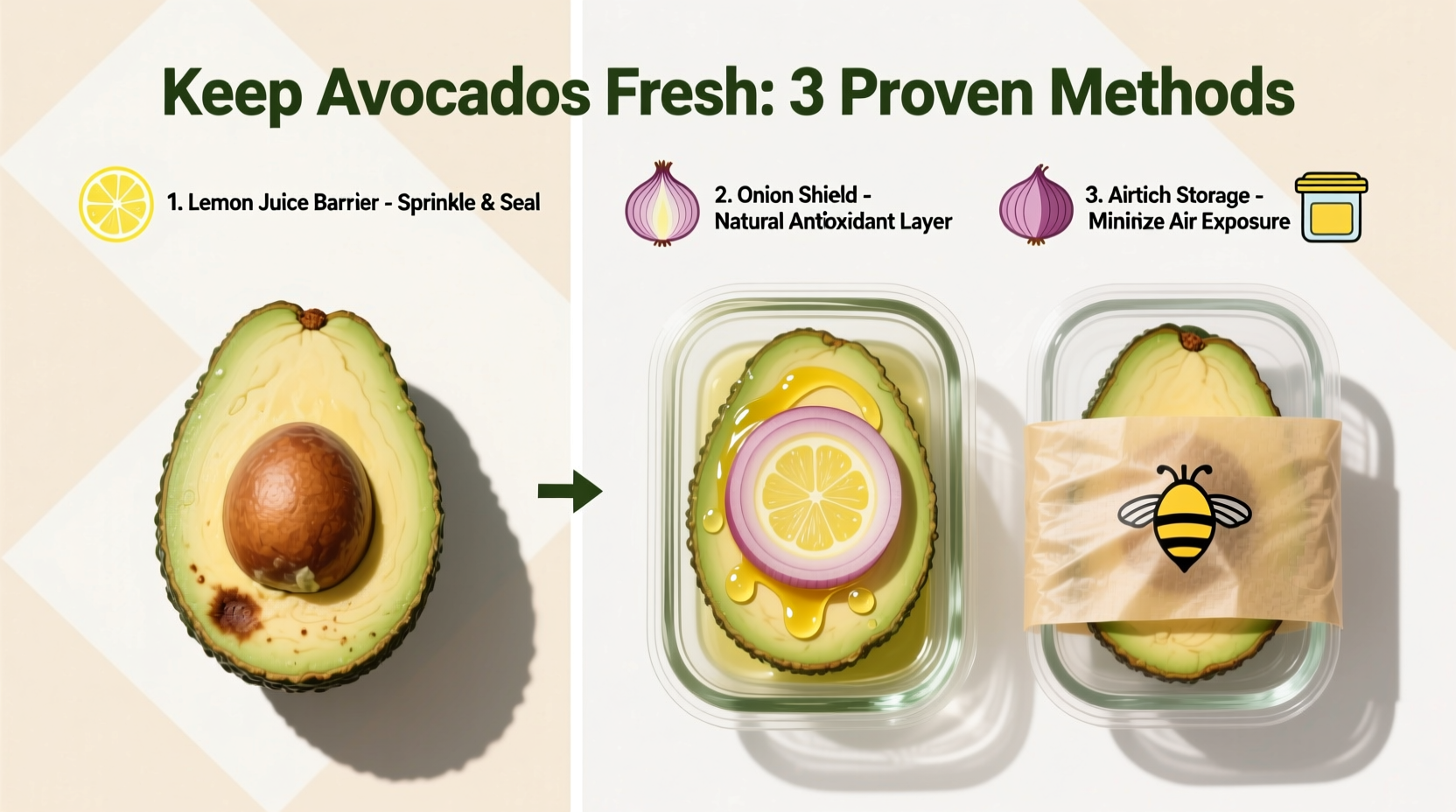
When an avocado is cut open, its flesh is exposed to oxygen in the air. This triggers an enzymatic reaction involving polyphenol oxidase (PPO), a naturally occurring enzyme in the fruit. PPO interacts with phenolic compounds in the avocado, producing melanin-like pigments that cause the characteristic brown tint. This process, known as enzymatic browning, accelerates in warm temperatures and when the fruit is exposed to light or acidic imbalances.
While lemon juice and other acids are commonly used to delay browning, they don’t stop the process entirely—they only slow it by lowering the pH around the exposed surface, making the environment less favorable for the enzyme to act. Understanding this mechanism allows for smarter, more effective preservation strategies.
“Enzymatic browning starts within minutes of cutting. The key is not just to block oxygen but to stabilize the internal chemistry of the avocado.” — Dr. Lena Torres, Food Scientist at the Institute of Postharvest Technology
Best Storage Methods for Whole and Cut Avocados
How you store your avocado depends on its ripeness and whether it’s whole or cut. Applying the right method at the right time can extend its shelf life by several days.
Storing Unripe Avocados
Unripe avocados should be kept at room temperature, away from direct sunlight. Placing them in a paper bag with an apple or banana can speed up ripening due to ethylene gas emission. However, once ripe, they must be moved to refrigeration to halt further softening and delay spoilage.
Refrigerating Ripe Whole Avocados
A ripe but uncut avocado can last 3–5 days in the refrigerator. The cold temperature slows down both ripening and enzymatic activity. Store it in the crisper drawer, ideally in a breathable produce bag or wrapped loosely in wax paper to maintain humidity without trapping excess moisture.
Preserving Cut Avocados
Cut avocados are the most vulnerable to browning. The following steps maximize freshness:
- Leave the pit in place if storing half an avocado—it reduces surface exposure.
- Brush or spray the exposed flesh with citrus juice (lemon or lime) to lower pH and inhibit enzyme activity.
- Wrap tightly in plastic wrap, pressing the wrap directly onto the surface to minimize air contact.
- Place in an airtight container before refrigerating.
This method typically keeps a cut avocado fresh for 24–48 hours. For longer storage, consider vacuum sealing or water submersion (explained below).
Advanced Techniques to Extend Freshness
Beyond basic refrigeration and citrus, several innovative methods have gained traction among chefs and food scientists for preserving avocados far beyond the usual window.
Water Submersion Method
This lesser-known but highly effective technique involves submerging the cut avocado (with pit intact) in cold water. The water creates a physical barrier against oxygen, significantly slowing oxidation.
To apply:
- Place the avocado half in a small bowl.
- Cover completely with cold water.
- Seal with plastic wrap or a lid.
- Store in the refrigerator.
It can remain fresh for up to 72 hours. Before using, drain and pat dry. Some minor texture softening may occur, but flavor and color are well preserved. This method works best for avocados intended for mashing or blending.
Vacuum Sealing
Vacuum sealing removes nearly all air from the storage environment, drastically reducing oxidation. When combined with a light citrus coating, vacuum-sealed avocado halves or slices can last 3–4 days in the fridge and up to 6 months in the freezer.
For best results:
- Coat slices lightly with lemon juice.
- Arrange in a single layer on a tray and flash freeze for 1 hour (optional).
- Transfer to a vacuum bag and seal.
- Label and store appropriately.
Oil Coating Technique
A thin layer of neutral oil—such as grapeseed or avocado oil—can create a protective film over the flesh. While heavier oils like olive oil may impart flavor, lighter oils work well for neutral applications.
Apply a few drops and spread evenly with a brush. Cover with plastic wrap and refrigerate. This method is ideal for sliced avocados used in salads or garnishes the next day.
Do’s and Don’ts of Avocado Storage
| Do’s | Don’ts |
|---|---|
| Store ripe avocados in the refrigerator | Leave cut avocados uncovered on the counter |
| Use lemon or lime juice on exposed surfaces | Wash avocados before storing (promotes mold) |
| Press plastic wrap directly onto the flesh | Store near strong-smelling foods (avocados absorb odors) |
| Freeze mashed avocado with citrus for later use | Keep unripe avocados in the fridge (halts ripening) |
| Use airtight containers for cut pieces | Touch the flesh with dirty hands or utensils (introduces bacteria) |
Real-World Example: Meal Prep Kitchen Efficiency
In a busy meal prep service in Austin, Texas, chefs were struggling with avocado waste. They prepared guacamole daily, but even with lime juice, batches would brown by mid-afternoon, leading to $150 in weekly losses. After consulting a food safety specialist, they implemented a modified water submersion method for pre-cut avocado portions and began vacuum sealing larger batches with a citric acid solution.
The changes reduced waste by 70% and extended usable time from 12 to 52 hours. They now prep two days’ worth of avocado components every 48 hours, saving labor and ingredients. “We’re not just saving money,” said head chef Maria Delgado. “Our customers notice the fresher taste and vibrant green color every time.”
Step-by-Step Guide to Storing Half an Avocado
If you’ve used only half an avocado, follow this precise sequence to maximize freshness:
- Retain the pit: Leave it in the unused half to reduce exposed surface area.
- Apply citrus: Squeeze a few drops of lemon or lime juice over the flesh and spread evenly.
- Wrap tightly: Use plastic wrap, pressing it directly onto the surface to eliminate air pockets.
- Contain: Place the wrapped half in a small airtight container.
- Refrigerate promptly: Store in the coldest part of the fridge (usually the back of the bottom shelf).
- Label: Mark the container with the date and time for tracking.
When ready to use, remove from the fridge, unwrap, and inspect. If the top layer has slight browning, scrape it off—the flesh underneath is usually still good.
Freezing Avocados for Long-Term Storage
Freezing is ideal for preserving avocados beyond a few days. While texture changes make frozen avocados unsuitable for slicing, they work perfectly in smoothies, dips, and spreads.
Best practices for freezing:
- Mash ripe avocados with 1 tablespoon of lemon juice per fruit to preserve color and flavor.
- Portion into silicone molds or freezer-safe containers.
- Press plastic wrap onto the surface before sealing.
- Label with contents and date.
- Freeze for up to 6 months.
To thaw, transfer to the refrigerator overnight. Avoid microwaving, as it can create uneven textures.
Frequently Asked Questions
Can I store a cut avocado without the pit?
Yes, but it’s less effective. The pit blocks some oxygen, so removing it increases the exposed surface. If the pit is gone, ensure full coverage with citrus juice and tight wrapping.
Does onion really prevent browning?
An old trick suggests placing an onion chunk in the container with the avocado. While onions release sulfur compounds that may slightly slow microbial growth, they do little to stop enzymatic browning. In fact, the strong odor can transfer to the fruit. This method is not scientifically supported and may compromise flavor.
Why does my avocado turn brown even in the fridge?
Refrigeration slows but doesn’t stop oxidation. If the avocado is loosely wrapped or stored in a container with air, browning will still occur. Ensure minimal air exposure and use an acidulant like citrus juice for best results.
Checklist: How to Keep Avocados Fresh
✅ Your Avocado Freshness Checklist:
- Assess ripeness before storing
- Refrigerate only when ripe
- Use lemon or lime juice on cut surfaces
- Press plastic wrap directly onto flesh
- Store in airtight containers
- Consider water submersion for 2–3 day storage
- Vacuum seal for maximum shelf life
- Freeze mashed avocado with citrus for long-term use
- Avoid cross-contamination with strong-smelling foods
- Label and date all stored portions
Conclusion: Make Every Avocado Count
Keeping avocados fresh isn’t about luck—it’s about applying the right techniques at the right time. From understanding the science of browning to mastering storage hacks like water submersion and vacuum sealing, small adjustments yield significant results. Whether you’re a home cook tired of wasting half-used fruit or a professional aiming for consistency, these methods empower you to reduce waste, save money, and enjoy avocados at their best.




 浙公网安备
33010002000092号
浙公网安备
33010002000092号 浙B2-20120091-4
Comments
No comments yet. Why don't you start the discussion?