
Avocados are a culinary treasure—creamy, nutrient-rich, and endlessly versatile. But their greatest flaw is also one of the most frustrating: they turn brown within hours of being cut. That once-luscious green flesh quickly oxidizes into an unappetizing shade of beige, discouraging even the most enthusiastic eaters. While browning doesn’t make avocados unsafe, it affects flavor, texture, and visual appeal. Fortunately, not all hope is lost. With the right techniques, you can delay oxidation significantly and enjoy fresh-tasting avocado well beyond the first few minutes after slicing.
The browning process is caused by an enzyme called polyphenol oxidase, which reacts with oxygen in the air when the fruit’s cells are damaged (i.e., when you slice or mash it). The good news? This reaction can be slowed—or even paused—with smart handling, proper storage, and a few clever kitchen tricks. This guide explores proven methods backed by food science and real-world testing, so you can stop wasting half-used avocados and start mastering freshness.
Understanding Avocado Oxidation: Why It Happens
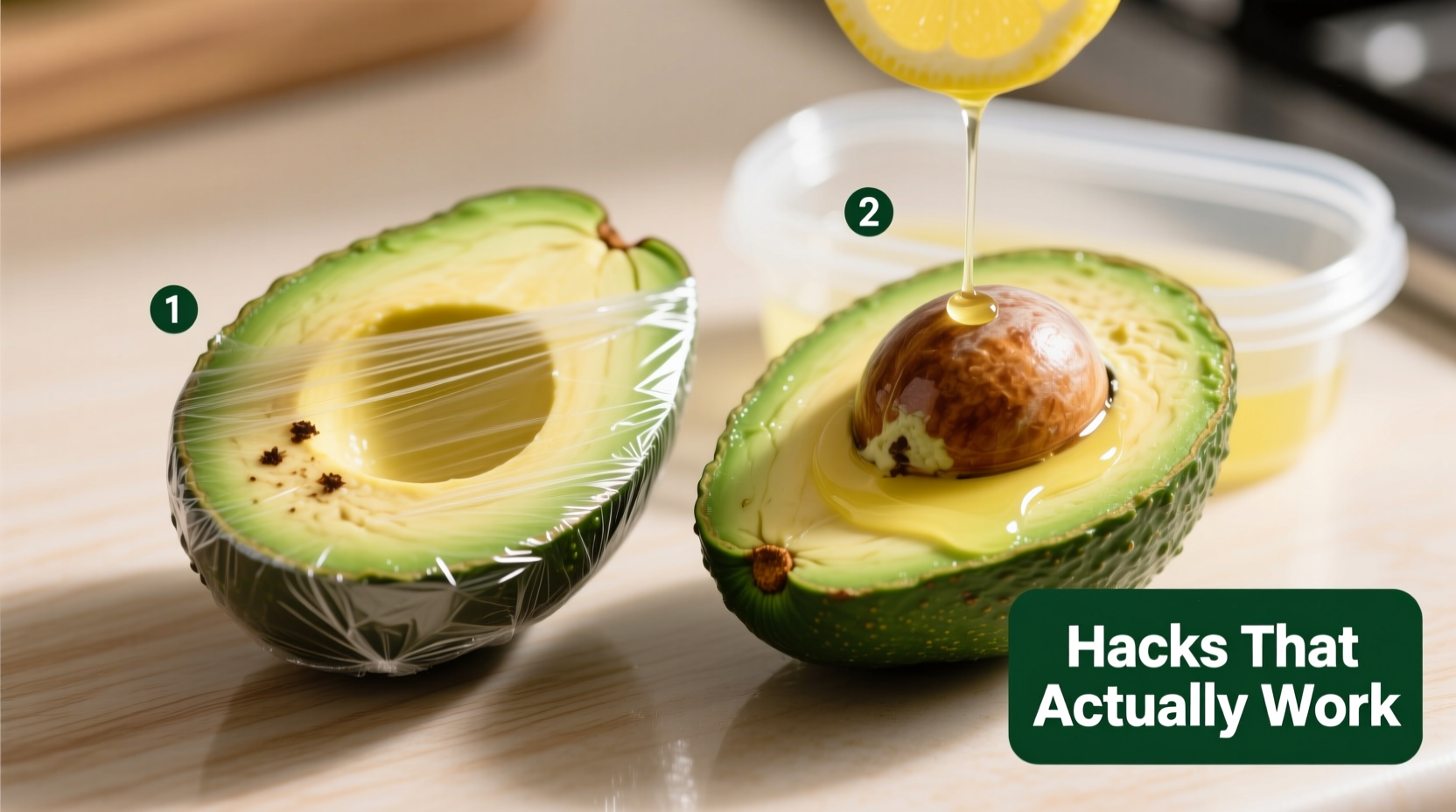
Oxidation in avocados isn't unique—it's common in many fruits like apples, bananas, and potatoes. When the flesh is exposed to air, enzymes trigger a chemical chain reaction that produces melanin-like pigments, resulting in the familiar brown tint. Heat, light, and pH levels influence how fast this occurs. For example, higher temperatures accelerate enzymatic activity, while acidic environments slow it down.
It’s important to note that browning begins at the surface and spreads inward. This means protecting the exposed area—even partially—is enough to preserve much of the fruit. Also, leaving the pit in the guacamole or mashed avocado won’t prevent browning on its own, despite popular belief. The pit only shields the tiny area directly beneath it; the rest remains vulnerable.
“Oxidation starts immediately upon cutting, but its rate depends on multiple factors: acidity, temperature, and physical barriers. Smart storage combines these elements to extend freshness.” — Dr. Lena Torres, Food Scientist at the Institute for Postharvest Technology
Proven Hacks to Keep Avocados Fresh and Green
Not every viral avocado hack holds up under scrutiny. Some rely on myths or offer minimal benefit. Below are methods tested for effectiveness, ease of use, and practicality in everyday kitchens.
1. Use Lemon or Lime Juice
Acidic ingredients like lemon or lime juice are among the most effective tools against browning. Citric acid lowers the pH of the avocado surface, deactivating the polyphenol oxidase enzyme. A light drizzle over sliced or mashed avocado creates a protective barrier.
For guacamole, mixing lime juice directly into the blend not only enhances taste but doubles as preservation. However, avoid oversaturating, as too much liquid can make the avocado soggy over time.
2. Seal with Plastic Wrap (Direct Contact Method)
Air exposure is the primary culprit. Reducing contact with oxygen dramatically slows browning. Pressing plastic wrap directly onto the surface of the avocado—without gaps—creates a physical seal that limits oxidation.
To do this correctly: place the cut side down on a plate, cover it tightly with cling film, and press the wrap firmly against every contour. Avoid trapping air pockets. For best results, combine this method with a squeeze of citrus juice before sealing.
3. Store with an Onion
Onions release sulfur compounds that inhibit bacterial growth and may help reduce oxidation. Placing a slice of raw onion on top of guacamole or next to cut avocado in a sealed container can help maintain color for up to 24 hours.
The trade-off? Your avocado might absorb a slight onion aroma. To minimize this, place the onion on a small piece of parchment paper above the avocado rather than direct contact. Remove the onion before serving.
4. Submerge in Water (Short-Term Fix)
This unconventional method works surprisingly well for short-term storage—up to 24 hours. Place avocado halves or slices in a container and cover them completely with cold water. The water acts as an oxygen barrier.
After refrigeration, drain and pat dry before use. Note: prolonged soaking can lead to waterlogging and texture changes, so this method is best reserved for immediate-use scenarios like prepped salads or quick meals.
5. Refrigerate Immediately
Cold temperatures slow enzymatic reactions. Always store cut avocados in the refrigerator, ideally between 34°F and 40°F (1–4°C). Even if you plan to consume it within a few hours, chilling makes a noticeable difference.
Keep in mind that whole, unripe avocados should not be refrigerated—they need warmth to ripen properly. Only refrigerate once ripe and cut.
Step-by-Step Guide: How to Store Half an Avocado Overnight
Saving half an avocado is one of the most common challenges. Follow this sequence for optimal results:
- Retain the pit: Leave the pit in the unused half. Though it doesn’t stop overall browning, it protects the flesh directly beneath it.
- Squeeze citrus: Lightly drizzle the exposed surface with lemon or lime juice using a spoon or spray bottle.
- Wrap tightly: Cover the avocado half with plastic wrap, pressing it directly onto the surface to eliminate air pockets.
- Place in container: Put the wrapped half in an airtight container to add another layer of protection.
- Refrigerate promptly: Place in the coldest part of the fridge, usually the back of the bottom shelf.
- Use within 24–48 hours: Check for off odors or excessive mushiness before consuming.
When ready to use, gently scrape off any surface browning with a spoon. The layer underneath is often still fresh and flavorful.
Do’s and Don’ts: Best Practices Compared
| Do’s | Don’ts |
|---|---|
| Do apply citrus juice to cut surfaces | Don’t use vinegar—its strong flavor overwhelms delicate avocado taste |
| Do refrigerate cut avocado immediately | Don’t leave avocado at room temperature for more than 2 hours |
| Do use airtight containers with tight seals | Don’t store in open bowls or loosely covered dishes |
| Do press plastic wrap directly onto the flesh | Don’t leave air gaps under the wrap |
| Do label and date stored avocado for meal prep | Don’t freeze mashed avocado without additives (it turns grainy) |
Real-World Example: Meal Prep Success Story
Sarah, a busy software engineer and parent of two, used to toss half an avocado every day after making morning smoothies. Frustrated by the waste, she began experimenting with storage methods. After trying the citrus-and-plastic-wrap technique, she found her avocado halves stayed vibrant and creamy for nearly two days.
She now preps three ripe avocados every Sunday: cuts them in half, treats each with lime juice, wraps tightly, and stores in labeled containers. Each weekday, she uses one half in her lunch bowl. “I’ve cut my avocado spending by almost half,” she says. “And my salads actually look appetizing now.”
Her only adjustment? She started adding a thin slice of red onion on top of each container before sealing—she noticed it helped maintain color even longer, likely due to antimicrobial effects.
Advanced Tips for Guacamole and Mashed Avocado
Guacamole presents a greater challenge because it has more exposed surface area. However, a few specialized techniques can extend its life significantly.
- Water sealing: After placing guacamole in a container, flatten the surface and pour a thin layer (about ½ cm) of cold water over it. Seal with a lid and refrigerate. When ready to eat, pour off the water and stir—the avocado underneath remains bright green.
- Oil layer: Similar to water, a thin coating of olive oil creates a barrier. Use about a teaspoon and spread evenly. Stir before serving.
- Add extras early: Ingredients like diced tomatoes, onions, and cilantro not only enhance flavor but may slightly slow oxidation due to their moisture and acidity.
Freezing Avocados: Is It Worth It?
Freezing is viable for long-term storage—but only if you’re planning to use the avocado in blended applications like smoothies, dips, or spreads. Texture changes make frozen-thawed avocado unsuitable for slicing.
To freeze:
- Mash the flesh with a fork.
- Mix in 1 tablespoon of lemon or lime juice per avocado.
- Transfer to an airtight freezer-safe container or silicone ice cube trays for portioning.
- Label with the date and freeze for up to 3 months.
Thaw in the refrigerator overnight. Stir well before use. While color may darken slightly, flavor remains intact.
Frequently Asked Questions
Does leaving the pit in guacamole prevent browning?
No—not significantly. The pit only blocks oxidation directly beneath it. The surrounding surface still darkens. For real protection, combine pit retention with other methods like citrus juice and airtight sealing.
Can I eat brown avocado?
Yes, as long as it smells normal and isn’t slimy. Browning is primarily cosmetic and caused by oxidation, not spoilage. Scoop out the discolored layer; the flesh underneath is often still edible. If it has a rancid or sour smell, discard it.
How long does cut avocado last in the fridge?
With proper storage—citrus, tight wrapping, and refrigeration—cut avocado can last 24 to 48 hours. Beyond that, quality declines rapidly. For longer storage, freezing is the best option.
Essential Checklist: Never Waste an Avocado Again
- Always use fresh citrus juice on exposed flesh
- Press plastic wrap directly onto the surface
- Store in an airtight container in the coldest part of the fridge
- Label containers with dates for meal prep clarity
- Use water or oil sealing for guacamole
- Freeze mashed avocado with acid for future use
- Inspect before eating—discard if slimy or foul-smelling
Conclusion: Freshness Is Within Reach
Keeping avocados from turning brown isn’t magic—it’s method. By understanding the science of oxidation and applying simple, effective strategies, you can enjoy fresh avocado longer, reduce food waste, and get more value from every purchase. Whether you're prepping meals, hosting guests, or simply saving half for tomorrow’s toast, these hacks deliver real results.
Start with one method—like the citrus-and-wrap trick—and build from there. Track what works in your kitchen. Small habits compound into big savings and better eating. Don’t let fear of browning keep you from enjoying one of nature’s most nutritious foods.




 浙公网安备
33010002000092号
浙公网安备
33010002000092号 浙B2-20120091-4
Comments
No comments yet. Why don't you start the discussion?