
Sitting on the couch with a cozy blanket only to find it pooled on the floor minutes later is a common frustration. Whether you're watching TV, reading, or napping, a slipping blanket disrupts comfort and interrupts relaxation. The smooth surfaces of modern sofas, combined with synthetic fabrics and body movement, create the perfect conditions for slippage. But this doesn’t have to be an everyday annoyance. With thoughtful strategies and a few clever tricks, you can keep your blanket securely in place—without sacrificing style or comfort.
The solution lies not in one magic fix but in understanding the root causes: fabric friction (or lack thereof), weight distribution, and how the blanket interacts with both your body and the furniture. Addressing these factors allows for long-term, effective results. From simple DIY hacks to smart product choices, there are multiple approaches that work across different types of couches and blankets.
Why Blankets Slide Off Couches
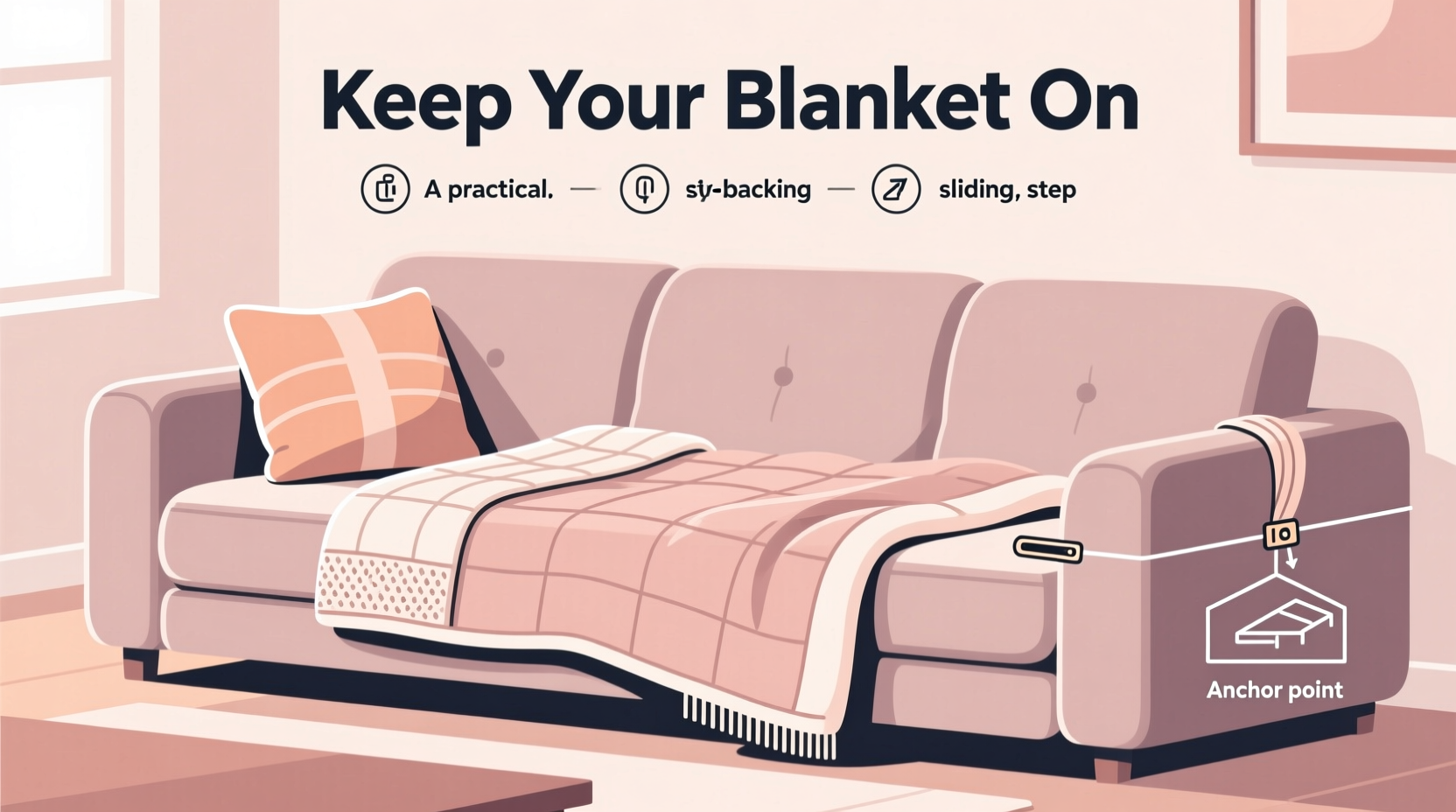
Blankets slide due to a mismatch between surface textures and insufficient grip. Most contemporary couches feature microfiber, leather, or tightly woven upholstery—materials chosen for durability and ease of cleaning, but which also happen to be slick. When paired with lightweight, smooth-textured throws made from polyester, fleece, or satin-backed fabrics, the result is minimal friction.
Movement exacerbates the problem. Shifting positions, stretching legs, or even breathing deeply can gradually shift the blanket’s center of gravity. Over time, gravity takes over, pulling the blanket down one side or the other. This effect is especially pronounced on deep-seated or low-profile sofas where the throw has more room to migrate before catching on an armrest or cushion edge.
Additionally, many people drape blankets loosely rather than tucking or anchoring them, assuming they’ll stay put. Without some form of mechanical resistance, even wool or cotton throws will eventually slip—especially after repeated use.
“Most fabric-on-fabric slippage occurs because of low coefficient of friction. Adding texture or weight changes the dynamic significantly.” — Dr. Lena Torres, Textile Engineer, Home Comfort Labs
Effective Methods to Prevent Slippage
Preventing blanket migration requires either increasing grip, adding weight, or securing the blanket physically. The best solutions often combine two or more of these principles. Below are several proven techniques, ranging from no-cost adjustments to small investments in accessories.
Use a Non-Slip Rug Pad or Furniture Gripper
One of the most effective fixes is placing a non-slip rug underlay beneath the blanket. These pads, typically made from rubberized mesh or silicone dots, are designed to grip both the furniture and the item above. Cut a piece to fit the size of your throw and slide it between the blanket and the couch cushion.
This method works exceptionally well for leather or microfiber sofas. It’s invisible once layered and doesn’t affect comfort. Choose a breathable pad to avoid trapping moisture, especially if the couch is used frequently.
Add Weight with a Decorative Throw Chain or Bar
Weighted solutions counteract sliding by increasing downward force. A decorative throw chain—a metal or wooden bar attached to the bottom hem of a blanket—acts like a curtain weight. As you move, the chain stays anchored across the seat, preventing the blanket from creeping forward or sideways.
These chains come in various styles, from minimalist brass rods to rustic wooden dowels, blending function with design. Some are removable, allowing you to wash the blanket without damage. For a DIY version, sew small fabric pockets along the lower edge and insert smooth river stones or weighted beads.
Choose High-Grip Fabrics and Weaves
Material choice plays a crucial role. Natural fibers like wool, cable-knit cotton, or bouclé offer more inherent friction than slippery synthetics. Heavier weaves naturally resist motion better. Consider swapping out ultra-light fleece throws for chunkier afghans or woven wool blankets.
If you prefer softness, look for blankets with textured surfaces—cable knits, looped weaves, or brushed backs with anti-slip coatings. Some brands now market “stay-put” throws specifically designed with grippy backings similar to bath mats.
Tuck Strategically into Cushion Gaps
A simple yet overlooked tactic is proper draping technique. Instead of laying the blanket flat, fold it lengthwise and tuck one edge deep into the gap between the seat cushion and backrest. This anchors it securely while still allowing easy access.
For L-shaped or sectional sofas, tuck corners behind armrests or under adjacent cushions. This method works best with thicker, stiffer blankets that hold their shape when folded.
Step-by-Step Guide to Securing Your Couch Blanket
Follow this sequence to permanently solve the sliding blanket issue:
- Evaluate your current blanket and couch material. Identify whether the problem stems from slick fabric, excessive looseness, or lack of weight.
- Select a stabilization method based on your setup. Use a non-slip pad for smooth upholstery; add a throw chain for frequent movers; switch to a heavier knit for long-term comfort.
- Prepare the materials. If using a pad, cut it to size. If sewing a weight, gather safe, smooth objects and secure fabric pouches.
- Position the blanket correctly. Drape it evenly and apply your chosen anchor—either underneath, along the edge, or via tucking.
- Test during normal use. Sit, stretch, recline, and observe how the blanket behaves. Adjust placement or method if slippage persists.
- Maintain consistency. Once you find what works, replicate it across all seating areas in your home.
Product Comparison: Best Accessories to Stop Slippage
Not all anti-slip products perform equally. The table below compares popular options based on effectiveness, cost, and ease of use.
| Solution | Effectiveness (1–5) | Cost | Reversibility | Best For |
|---|---|---|---|---|
| Non-slip rug pad | 5 | $ | High – removable anytime | Leather, microfiber, vinyl couches |
| Decorative throw chain | 4 | $$ | Medium – may require sewing | Frequent users, living rooms |
| Velcro strips (fabric-safe) | 3 | $ | Low – adhesive residue possible | Temporary setups, guest rooms |
| Weighted corner bags | 4 | $$ | High – removable inserts | Draped throws, sectionals |
| Double-sided tape (furniture-safe) | 2 | $ | Low – risk of residue | Short-term fixes only |
Note: Always test adhesives on inconspicuous areas first. Avoid permanent solutions on delicate or vintage upholstery.
Real-Life Example: Solving the Problem in a Busy Household
The Martinez family had a persistent issue with blankets on their new leather sectional. Every evening, their three kids would each grab a throw, only to leave them scattered across the floor within 30 minutes. The parents tried folding, tucking, and reminders—but nothing stuck.
After researching solutions, they purchased a roll of breathable, rubberized rug underlay and cut four pieces to fit beneath each child’s favorite blanket. They also added decorative wooden throw bars to the two largest throws used during movie nights. The combination stopped slippage entirely. Within a week, the habit of leaving blankets neatly in place became routine.
“It sounds minor, but eliminating that nightly cleanup was a game-changer,” said Maria Martinez. “Now the couch looks tidy, and the kids don’t lose their favorite blankets under the cushions.”
Common Mistakes That Make the Problem Worse
Some well-intentioned actions actually increase the likelihood of slippage:
- Using oversized blankets – Excess fabric increases drag and makes anchoring difficult.
- Layering multiple thin throws – Creates a slippery interface between layers.
- Ignoring the backing material – A silky underside will slide regardless of top texture.
- Washing blankets too frequently with fabric softener – Can coat fibers and reduce natural grip over time.
- Placing blankets on warm cushions – Heat from electronics or body warmth reduces static cling, aiding slippage.
Checklist: How to Keep Your Blanket in Place
Use this quick-reference checklist to ensure your blanket stays put:
- ✅ Assess couch and blanket materials for compatibility
- ✅ Choose a high-friction or weighted blanket if replacing
- ✅ Cut a non-slip pad to match blanket size
- ✅ Insert pad between blanket and couch cushion
- ✅ Tuck one edge firmly between seat and back cushions
- ✅ Add a decorative throw chain or weighted bar if needed
- ✅ Avoid over-draping or excessive folds that create loose ends
- ✅ Test stability during typical sitting and moving patterns
Frequently Asked Questions
Can I use double-sided tape on my couch?
Only if it's specifically labeled as furniture-safe and residue-free. Regular tape can damage upholstery or leave sticky residue. Even approved tapes should be used sparingly and tested first on hidden areas. A non-slip pad is a safer, reusable alternative.
Are there blankets designed not to slide?
Yes. Some manufacturers produce \"non-slip\" or \"stay-put\" throws with silicone-dot backings or rubberized grids. These are particularly useful for leather furniture. Look for terms like “gripper backing” or “anti-skid” in product descriptions.
Will a heavier blanket always stay in place?
Generally yes, but not always. While weight helps, poor draping or overly smooth fabrics can still cause movement. Combine weight with proper tucking or a non-slip layer for best results.
Final Thoughts and Action Plan
Keeping blankets from sliding off the couch isn’t about perfection—it’s about practical adaptation. The right combination of material choice, positioning, and subtle reinforcement transforms a daily annoyance into a seamless part of your home comfort system. You don’t need expensive gadgets or permanent modifications. Often, a $10 roll of non-slip matting and five minutes of adjustment make all the difference.
Start today. Pick one method from this guide—try the non-slip pad or re-drape your current throw with intentional tucking. Observe how it performs over the next few days. Refine as needed. Small changes compound into lasting improvements in both functionality and peace of mind.




 浙公网安备
33010002000092号
浙公网安备
33010002000092号 浙B2-20120091-4
Comments
No comments yet. Why don't you start the discussion?