
Cut flowers bring color, fragrance, and emotional warmth into homes, offices, and special events. But their beauty is fleeting—unless you know how to slow the decay. Most bouquets begin wilting within three to five days, leaving behind limp stems and browning petals. With the right techniques, however, it’s entirely possible to extend their life beyond a week, even up to 14 days in some cases.
The secret lies not in luck or expensive products, but in understanding the biology of cut flowers. Once separated from their root system, they can no longer draw nutrients from the soil. Their survival depends on water uptake, bacterial control, and minimizing stress. By addressing these factors with simple, accessible methods, you can dramatically improve longevity. These are not gimmicks—they’re time-tested strategies used by florists, event designers, and home enthusiasts alike.
Why Cut Flowers Wilt Prematurely
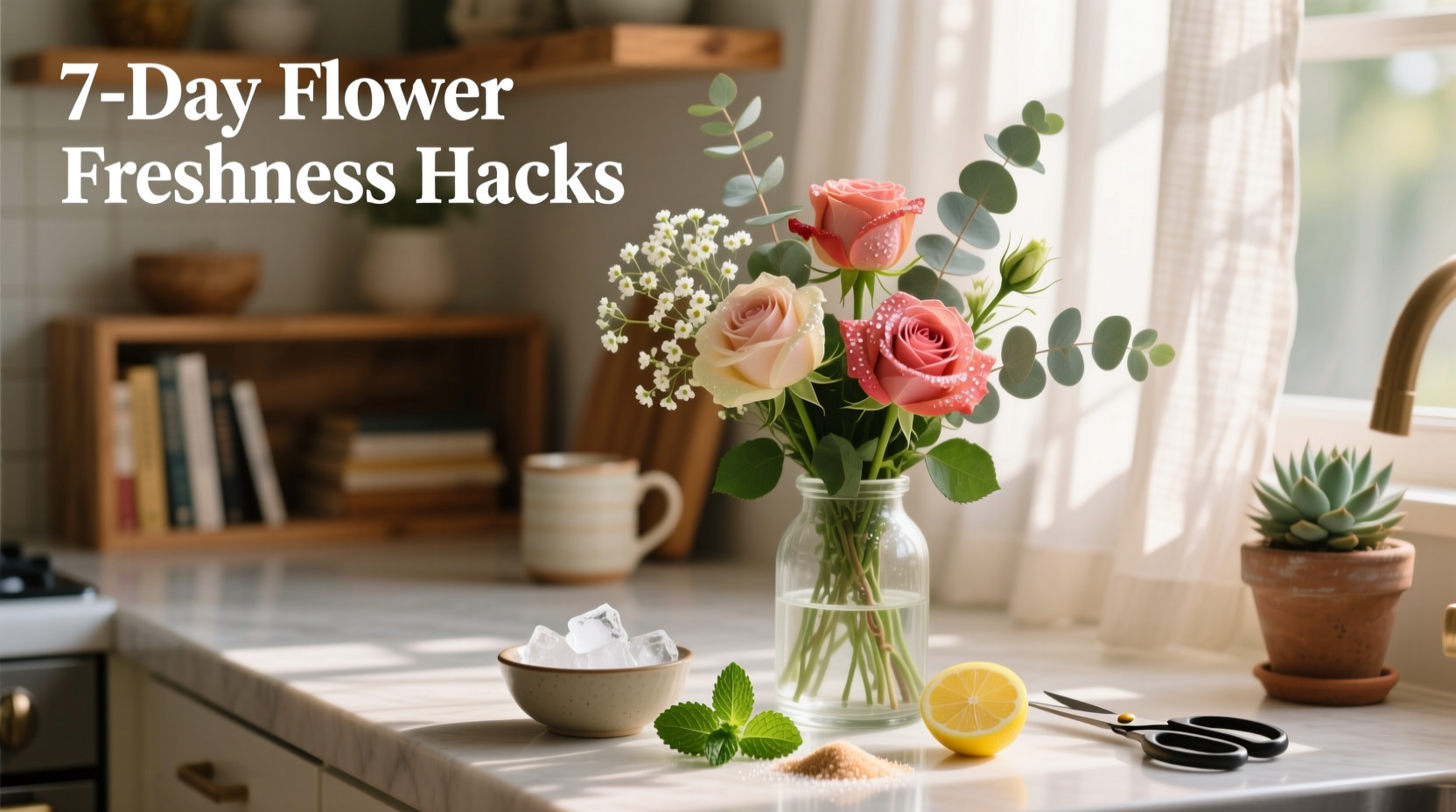
Flowers don’t die immediately after being cut because they still have stored energy and access to water. However, several biological and environmental factors accelerate their decline:
- Bacterial growth in water: Bacteria multiply rapidly in stagnant water, clogging stems and blocking water absorption.
- Depletion of nutrients: Without roots, flowers rely on dissolved sugars in the water. Once those are gone, energy reserves deplete.
- Exposure to ethylene gas: This natural plant hormone, emitted by ripening fruit and exhaust fumes, speeds up aging and petal drop.
- Poor cutting technique: Crushing or sealing stem ends during cutting prevents proper hydration.
- Warm environments: Heat increases respiration rates, causing flowers to use up energy faster.
Understanding these mechanisms allows you to counteract them effectively. The goal isn’t just to delay wilting—it’s to maintain turgor pressure (the firmness of petals and stems), preserve color vibrancy, and prevent drooping.
Step-by-Step Guide to Maximizing Vase Life
Extending the life of cut flowers starts the moment you bring them home. Follow this timeline-based routine for optimal results:
- Day 0 – Immediate Processing (First 30 Minutes):
- Remove all foliage below the water line to prevent bacterial growth.
- Cut 1–2 inches off each stem at a 45-degree angle using sharp scissors or shears. This increases surface area for water uptake and prevents flat-bottomed stems from sitting flush against the vase base.
- Use lukewarm water (around 100°F / 38°C) when possible—warm water travels faster through stems.
- If available, add commercial flower food or a DIY preservative (recipe below).
- Day 1–3 – Daily Maintenance:
- Check water levels daily. Top off as needed—flowers drink more in the first 24–48 hours.
- Re-cut stems every two days to clear any blockages.
- Wipe the inside rim of the vase to remove residue that can harbor bacteria.
- Keep away from direct sunlight, heating vents, and appliances that emit heat.
- Day 5 – Midpoint Refresh:
- Completely change the water. Rinse the vase with hot, soapy water to eliminate biofilm.
- Re-trim stems and reposition flowers to ensure even light exposure.
- Add a fresh dose of preservative.
- Day 7+ – Extended Care:
- Monitor for early signs of decay: slimy stems, cloudy water, or soft petals.
- Remove any dying blooms immediately to prevent ethylene spread.
- Consider moving the arrangement to a cooler room overnight to slow metabolism.
D.I.Y. Flower Preservatives: What Works (and What Doesn’t)
Commercial flower food packets contain three key ingredients: sugar (for energy), acidifier (to lower pH and improve water uptake), and biocide (to inhibit bacteria). You can replicate this at home with common kitchen items—but not all viral hacks are effective.
| Hack | Ingredients | Effectiveness | Notes |
|---|---|---|---|
| Classic DIY Mix | 1 tsp sugar + 2 tsp lemon juice + 1 quart water | ★★★★☆ | Lemon provides citric acid; sugar feeds the flower. Add a drop of bleach if water clouds quickly. |
| Aspirin Method | 1 crushed aspirin tablet per vase | ★★★☆☆ | Acetylsalicylic acid may mimic salicylic acid in plants, which regulates stress responses. Limited evidence, but harmless. |
| Vinegar & Sugar | 2 tbsp vinegar + 1 tbsp sugar + 1 quart water | ★★★★☆ | Vinegar lowers pH; sugar feeds. Slight odor, but effective. |
| Sprite/Clear Soda | Half soda, half water | ★★☆☆☆ | Sugar content helps, but high acidity and additives may harm sensitive flowers like lilies. |
| Bleach Only | ¼ tsp bleach per quart water | ★★★☆☆ | Kills bacteria but offers no nutrition. Best used in combination with sugar and acid. |
The most reliable homemade formula combines all three components: nutrient, pH control, and antimicrobial agent. Try this balanced mix:
• 1 quart lukewarm water
• 1 tablespoon sugar
• 2 tablespoons apple cider vinegar or lemon juice
• ¼ teaspoon household bleach (5% sodium hypochlorite)
Mix thoroughly before adding flowers. Stir gently if sediment forms.
“Proper hydration begins the second the stem is cut. A clean, angled cut under water is ideal—if you can do it in a sink, even better.” — Dr. Linda Chalker-Scott, Urban Horticulturist and Author of *The Informed Gardener*
Common Mistakes That Kill Flowers Early
Even with good intentions, everyday habits can sabotage your bouquet. Avoid these frequent errors:
- Using a dirty vase: Residual bacteria from previous arrangements can infect new stems instantly.
- Placing near fruit bowls: Apples, bananas, and tomatoes release ethylene gas, triggering premature aging.
- Leaving flowers in delivery packaging: Wrapping restricts airflow and traps moisture, encouraging mold.
- Overcrowding stems: Tight bunches reduce water circulation and increase humidity, promoting rot.
- Ignoring water clarity: Cloudy water means bacteria are already inside the xylem—the vascular tissue of the stem.
Real Example: Reviving a Wilting Wedding Bouquet
Sarah received a beautiful peony and ranunculus bouquet after her sister’s outdoor wedding. By the second day, the stems were soft, and petals began browning at the edges. Assuming it was beyond saving, she placed it on the counter—until her mother suggested a revival method she’d learned from a florist.
She followed these steps:
- Removed all leaves and dead blooms.
- Filled a deep sink with lukewarm water.
- Re-cut 1.5 inches off each stem underwater to prevent air embolisms.
- Soaked the entire bouquet submerged for 30 minutes.
- Prepared a fresh vase with DIY preservative (lemon juice, sugar, bleach mix).
- Placed the bouquet in a cool hallway away from sunlight.
To her surprise, the flowers regained firmness within hours. The bouquet remained display-worthy for nine full days—five days longer than expected. The key was submerging the stems during re-cutting, which restored hydraulic conductivity lost due to air bubbles in the xylem.
Flower-Specific Tips for Longevity
Not all flowers respond the same way to care routines. Some require special handling:
- Roses: Remove guard petals (outer brownish layers) to reveal the healthy bloom underneath. Re-cut stems every two days.
- Tulips: Continue growing in vases—sometimes up to an inch taller. Keep them in straight-sided containers to support bending stems.
- Lilies: Remove stamens to prevent pollen stains and reduce ethylene production. They last longer without the reproductive parts.
- Chrysanthemums: Spray mist lightly every other day. Their dense heads benefit from surface moisture.
- Orchids: Prefer shallower water. Use tall, narrow vases so only the bottom 1–2 inches are submerged.
For woody-stemmed flowers like hydrangeas, consider splitting the base of the stem vertically about an inch up to enhance water absorption. Alternatively, lightly scald the cut end with boiling water for 10 seconds to denature sap that might seal the stem.
Checklist: 10 Actions to Keep Flowers Fresh for Over a Week
Follow this practical checklist every time you receive or arrange cut flowers:
- ☐ Unwrap bouquet immediately and remove shipping materials.
- ☐ Fill a clean vase with lukewarm water.
- ☐ Strip leaves below the waterline.
- ☐ Cut stems at a 45° angle under running water if possible.
- ☐ Use flower food or a trusted DIY preservative.
- ☐ Place away from direct sun, drafts, and heat sources.
- ☐ Change water and re-cut stems every 2–3 days.
- ☐ Keep away from ripening fruit and cigarette smoke.
- ☐ Remove wilted flowers promptly.
- ☐ Give stems a midweek deep soak (submerged for 30 mins).
FAQ
Can I revive flowers that have already started drooping?
Yes, if the stems aren’t slimy and the petals aren’t mushy. Re-cut stems underwater, place in fresh preservative solution, and let them rest in a cool, dark place for several hours. Many flowers will rehydrate overnight.
Is cold water better than warm for flowers?
Not always. Warm water (around 100°F) is absorbed more quickly, especially in the first few hours. However, once arranged, keeping flowers in a cool room (65–72°F) slows aging. Avoid refrigerating most tropical flowers like orchids or bird-of-paradise.
Do pennies really help keep flowers fresh?
There’s anecdotal support, but little science. Copper has mild antimicrobial properties, so a penny (especially pre-1982 U.S. copper pennies) may slightly inhibit bacteria. It’s not a substitute for proper cleaning or preservatives, but won’t hurt.
Final Thoughts: Small Efforts, Lasting Beauty
Keeping cut flowers fresh for more than a week doesn’t require special equipment or expensive solutions. It comes down to consistent attention to detail—clean water, sharp cuts, and smart placement. These practices honor the effort that went into growing, harvesting, and delivering each bloom.
Every bouquet tells a story: a celebration, a gesture of love, or a quiet moment of self-care. By extending its life, you prolong that message. Whether it’s a grocery-store dozen roses or a hand-tied garden harvest, treating flowers with intention makes their presence more meaningful.




 浙公网安备
33010002000092号
浙公网安备
33010002000092号 浙B2-20120091-4
Comments
No comments yet. Why don't you start the discussion?