
Cut flowers bring life, color, and fragrance into homes and offices, but their beauty is often fleeting. Most arrangements wilt within a week, leaving behind drooping petals and cloudy water. While many rely on commercial flower food packets or vinegar solutions, there’s a lesser-known method that can extend the life of cut blooms far beyond expectations—sometimes for more than two weeks. The secret? A common household item usually found in the spice cabinet: aspirin.
This isn’t a folk remedy with no basis in science. Aspirin, chemically known as acetylsalicylic acid, plays a crucial role in plant stress response and vascular function. When used correctly, it helps regulate pH levels in water, supports water uptake, and slows down the aging process in cut stems. Combined with proper care techniques, aspirin can transform an ordinary bouquet into a long-lasting centerpiece.
The Science Behind Aspirin and Flower Longevity
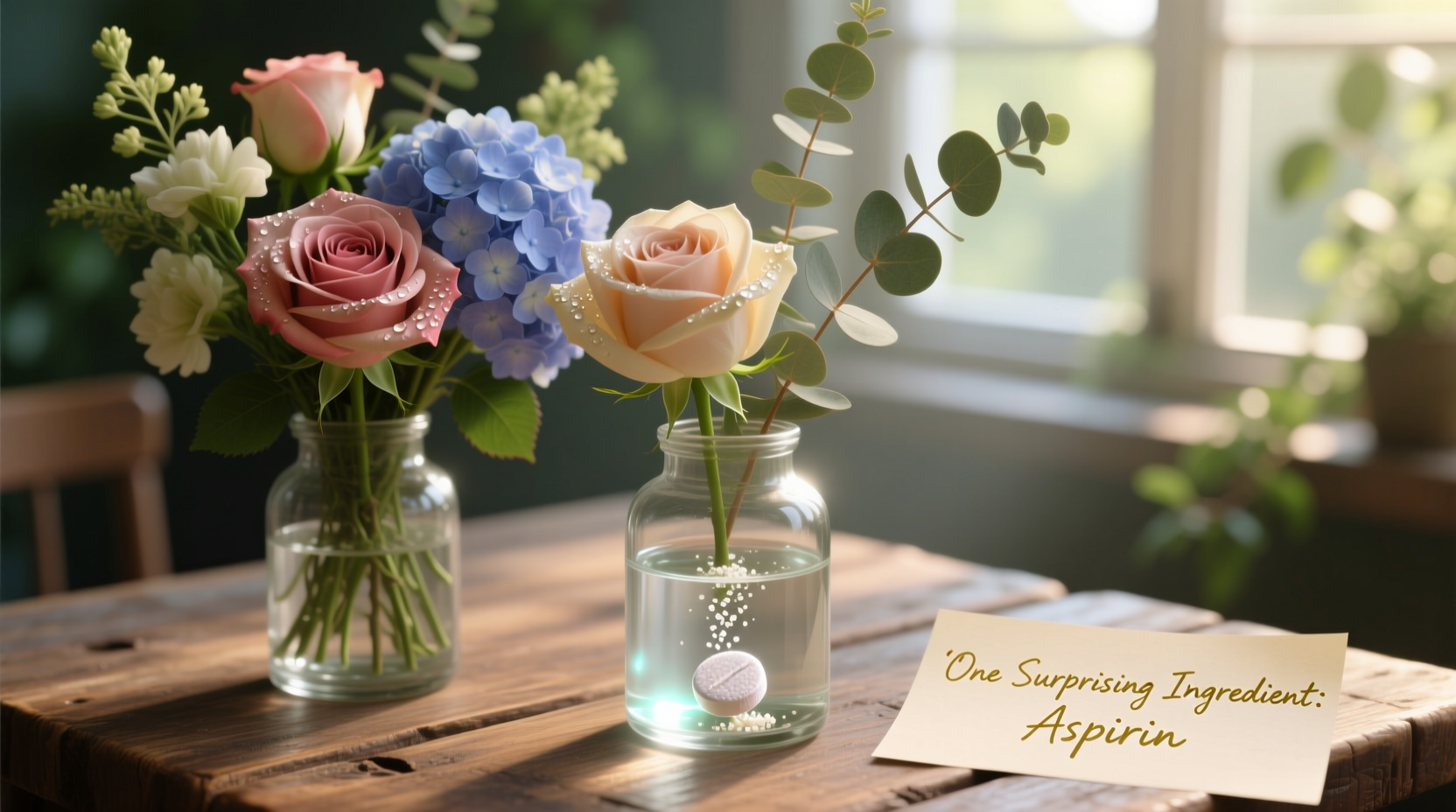
Plants naturally produce salicylic acid—a compound closely related to aspirin—as part of their immune response. It helps them fight off pathogens and manage environmental stress. When a flower is cut from its parent plant, it experiences significant trauma. Without roots to draw nutrients and water, the stem must rely solely on what’s available in the vase. This stress triggers ethylene production, a natural plant hormone that accelerates aging and causes petals to drop prematurely.
Aspirin mimics the effects of salicylic acid, helping to suppress ethylene synthesis and maintain cellular integrity in the plant tissues. Additionally, dissolving an aspirin tablet in water slightly lowers the pH of the solution, which improves the efficiency of water transport through the xylem—the vascular tissue responsible for moving fluids up the stem.
“Salicylic acid has been shown in controlled studies to delay senescence in cut flowers like carnations and chrysanthemums. Aspirin offers a practical, accessible way for consumers to harness this effect.” — Dr. Lena Torres, Postharvest Horticulture Researcher, University of California Agriculture Department
Lower pH water (slightly acidic) prevents bacterial growth and allows stems to absorb water more efficiently. Tap water tends to be neutral or slightly alkaline, creating less-than-ideal conditions for hydration. By introducing aspirin, you create a more favorable internal environment for the flower’s survival.
Step-by-Step Guide to Using Aspirin for Longer-Lasting Flowers
Using aspirin effectively requires more than just dropping a pill into the vase. To maximize results, follow this detailed timeline and procedure:
- Prepare the vase immediately after purchase. Before placing any flowers in water, clean the vase thoroughly with warm, soapy water. Residual bacteria from previous arrangements can accelerate decay.
- Use lukewarm water. Fill the vase about two-thirds full with lukewarm water (around 100°F / 38°C). Warm water moves more easily through dehydrated stems than cold water.
- Add one uncoated 325mg aspirin tablet per quart (liter) of water. Crush the tablet first to speed up dissolution. Stir until fully dissolved. Avoid using coated tablets—they dissolve slowly and may contain additives that aren’t beneficial.
- Trim all stems at a 45-degree angle. Use sharp, sterilized scissors or pruning shears. Cutting at an angle increases surface area for water absorption and prevents the stem from sitting flat on the bottom of the vase, which can block intake.
- Remove leaves below the waterline. Any foliage submerged in water will rot and promote bacterial growth, clouding the water and shortening bloom life.
- Place flowers in the treated water immediately. Do not let stems dry out before placing them in the solution.
- Change the water every 3–4 days. Each time, re-dissolve a fresh aspirin tablet in new lukewarm water and re-trim the stems by another half-inch to clear any blockages.
- Keep away from direct sunlight, heat sources, and fruit. Ethylene gas emitted by ripening fruit speeds up wilting. Position vases in cool areas out of direct sun and drafts.
Real-World Example: Extending a Grocery Store Bouquet
Sarah, a teacher from Portland, Oregon, regularly buys mixed bouquets from her local supermarket. She noticed they rarely lasted past day six, despite using store-bought flower food. After reading about aspirin's benefits, she decided to test it herself.
She purchased two identical bouquets—one she treated with standard flower food, the other with crushed aspirin in lukewarm water, following the trimming and maintenance steps outlined above. Both were placed in similar vases and kept in her living room, away from windows and appliances.
By day 7, the control bouquet showed visible drooping, browning edges on petals, and cloudy water. The aspirin-treated arrangement remained vibrant, with firm stems and open blooms. On day 14, Sarah was still enjoying roses and alstroemeria from the second bouquet, while the first had been discarded days earlier.
She now uses aspirin consistently and reports that lilies and carnations have lasted up to 18 days with weekly water changes and proper care.
Comparison: Common Flower Freshness Methods
| Method | Expected Lifespan | Pros | Cons |
|---|---|---|---|
| Plain tap water | 4–6 days | Simple, no prep | Rapid bacterial growth; poor hydration |
| Commercial flower food | 7–10 days | Balanced nutrients and biocides | May clog stems over time; limited availability |
| Vinegar + sugar solution | 6–9 days | Acidifies water; feeds blooms | Sugar can feed bacteria if not balanced properly |
| Aspirin + clean water | 12–18+ days | Natural ethylene inhibition; improves water uptake | Requires regular water changes; precise dosage needed |
Additional Tips for Maximizing Flower Life
While aspirin is a powerful tool, it works best when combined with smart floral care habits. Consider these additional strategies:
- Buy fresher flowers. Look for tight buds rather than fully open blooms. These will last longer once arranged.
- Recut stems daily during the first three days. This may seem excessive, but it clears air bubbles and debris that block water flow early in the post-cut phase.
- Mist petals lightly in dry environments. Especially helpful for delicate flowers like hydrangeas that lose moisture quickly through their large surface areas.
- Avoid overcrowding. Give each stem space for airflow and light exposure. Crowded arrangements trap moisture and encourage mold.
- Refrigerate overnight (optional). If possible, place arrangements in the refrigerator between 35–40°F (2–4°C) for 6–8 hours each night. Cold temperatures slow respiration and decay. Just ensure no fruits or vegetables are nearby.
Frequently Asked Questions
Can I use baby aspirin instead of regular?
Yes. Baby aspirin (81mg) can be used, but you’ll need multiple tablets per quart. For optimal dosing, use approximately four baby aspirins (324mg total) per liter of water. Ensure they are uncoated and free of additional ingredients.
Will aspirin work on all types of flowers?
Most cut flowers respond well, especially roses, carnations, chrysanthemums, alstroemeria, and lilies. However, some species like tulips and daffodils have different vascular structures and may not benefit as significantly. Still, aspirin won’t harm them and can help maintain water clarity.
Is aspirin better than commercial flower food?
In terms of longevity, yes—when paired with good care practices. Commercial packets often contain sugar (to feed blooms), an acidifier (to lower pH), and a biocide (to kill bacteria). Aspirin covers the acidifier and anti-aging aspects but doesn’t provide nutrition or strong antibacterial action. Therefore, combining aspirin with a small amount of sugar (½ teaspoon per quart) and a drop of bleach (¼ teaspoon per quart) can offer a complete solution.
Complete Care Checklist
To ensure your flowers thrive for two weeks or more, follow this actionable checklist:
- ☐ Clean vase with soap and hot water before use
- ☐ Fill vase with lukewarm water (not cold)
- ☐ Dissolve one 325mg uncoated aspirin per quart of water
- ☐ Trim stems at a 45° angle with sharp shears
- ☐ Remove all leaves below waterline
- ☐ Place bouquet in vase immediately after cutting
- ☐ Keep away from direct sun, heat, and fruit bowls
- ☐ Change water and re-trim stems every 3–4 days
- ☐ Add a fresh aspirin tablet with each water change
- ☐ Optionally refrigerate overnight for extended freshness
Conclusion: Transform Your Floral Experience
Keeping cut flowers fresh for over two weeks isn’t reserved for professional florists or those with greenhouses. With a simple, science-backed trick involving a common medicine cabinet staple, anyone can dramatically extend the life of their bouquets. Aspirin’s ability to mimic natural plant defenses and improve water uptake makes it a surprisingly effective alternative—or enhancement—to traditional flower preservatives.
The key lies not in relying on a single miracle ingredient, but in combining aspirin with disciplined care: proper trimming, clean water, ideal placement, and consistent maintenance. When these elements come together, even grocery-store bouquets can rival high-end arrangements in both beauty and endurance.




 浙公网安备
33010002000092号
浙公网安备
33010002000092号 浙B2-20120091-4
Comments
No comments yet. Why don't you start the discussion?