
Cut flowers bring life, color, and fragrance into homes, offices, and special events. But their beauty is fleeting—often wilting within a few days. While florists may use proprietary floral preservatives, most people don’t have those on hand. The good news? You don’t need them. With ingredients already in your pantry, you can dramatically extend the life of cut blooms. From sugar and vinegar to aspirin and even pennies, everyday household items can do more than you think. This guide reveals the science-backed methods that work, why they’re effective, and how to apply them correctly for lasting results.
The Science Behind Flower Longevity
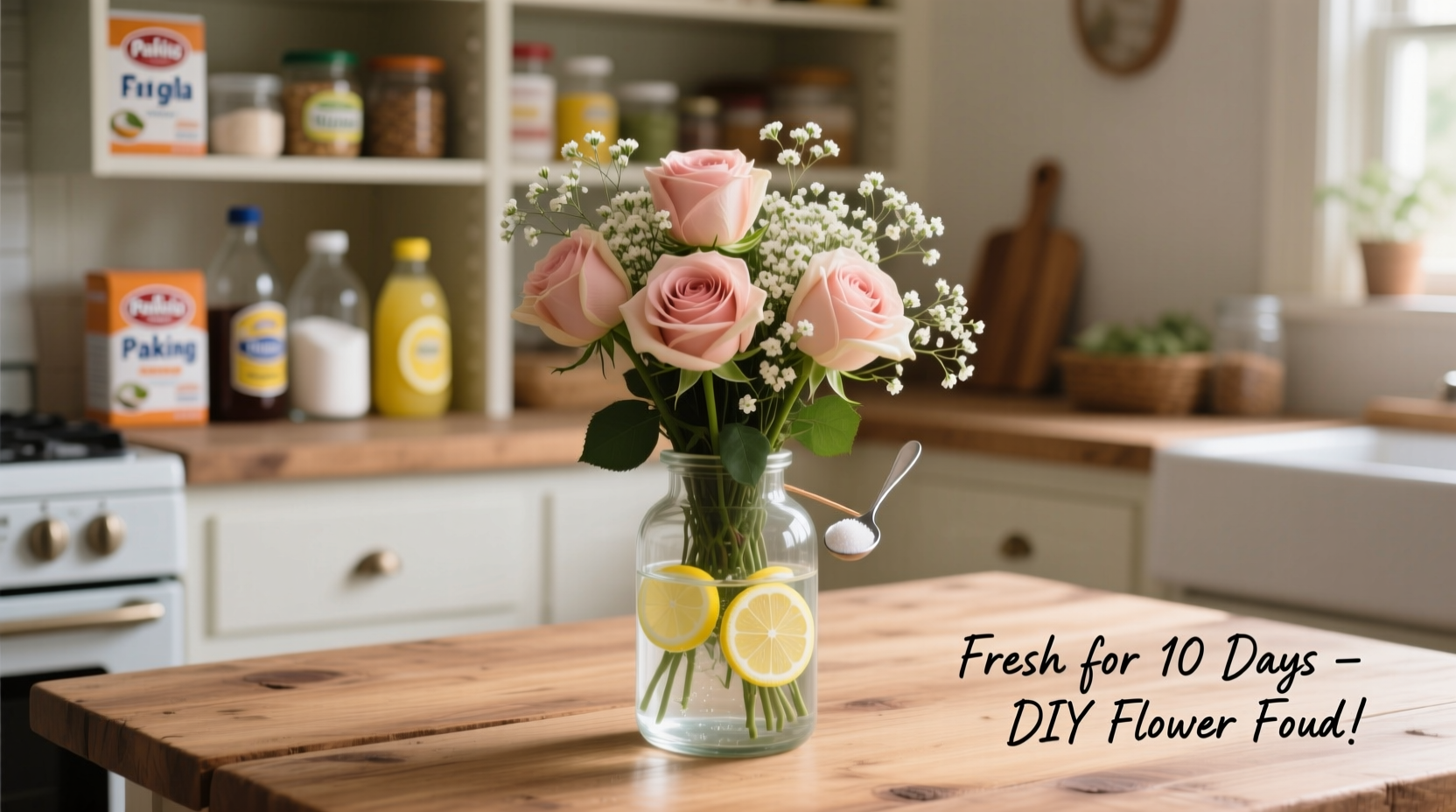
When a flower is cut from its plant, it’s severed from its natural source of water and nutrients. Without intervention, bacteria multiply in the vase water, clogging the stems and blocking water uptake. At the same time, the bloom continues to respire, consuming energy reserves. To prolong freshness, two key challenges must be addressed: preventing bacterial growth and supplying energy.
Commercial floral preservatives typically contain three components: a biocide (to kill bacteria), an acidifier (to lower pH and improve water uptake), and a sugar source (to feed the flower). Remarkably, many pantry staples can replicate these functions. The trick lies in understanding which combinations work best—and which ones don’t.
Effective Pantry Staples and How They Work
Not every home remedy is equally effective. Some popular hacks—like adding bleach or Sprite—are based on partial truths but often misapplied. Below is a breakdown of the most reliable pantry items, backed by horticultural research and floral experts.
Sugar + Acid: The Energy and Uptake Combo
Sugar acts as food for the flower, replacing the carbohydrates it can no longer produce. However, sugar alone encourages bacterial growth. That’s why it must be paired with an acidifier like vinegar or lemon juice. The acid lowers the pH of the water, helping the stem absorb liquid more efficiently while creating an environment less hospitable to microbes.
A commonly recommended ratio is 1 teaspoon of sugar and 2 tablespoons of white vinegar per quart (liter) of warm water. This mimics the formulation of commercial preservatives and has been shown in studies to extend vase life by several days.
Aspirin: A Natural pH Balancer
Aspirin (acetylsalicylic acid) helps lower the pH of water, improving hydration. It also contains salicylic acid, a compound plants produce naturally under stress to trigger defense responses. When added to vase water, aspirin may help reduce stress in cut stems, delaying senescence (aging).
Use one crushed regular-strength aspirin (325 mg) per liter of water. Avoid coated or buffered tablets, which may contain fillers that interfere with effectiveness.
“Even simple solutions like sugar and vinegar can nearly double the vase life of roses when applied correctly.” — Dr. Linda Chalker-Scott, Urban Horticulturist, Washington State University Extension
Bleach: The Bacteria Fighter
A small amount of chlorine bleach (sodium hypochlorite) effectively kills bacteria and fungi in vase water. Just ¼ teaspoon of household bleach per quart of water can keep stems clear and water fresher longer. Use it in combination with sugar for optimal results.
Caution: Too much bleach damages stems and petals. Stick to low concentrations and refresh the solution every two days.
Copper: The Natural Antimicrobial
Copper has long been known for its antimicrobial properties. Dropping a clean copper coin—like a pre-1982 U.S. penny—into the vase can inhibit bacterial and fungal growth. The metal ions leach slowly into the water, acting as a preservative.
This method works best when combined with other techniques, such as trimming stems and changing water regularly. Modern pennies (post-1982) are mostly zinc with a thin copper coating, so they’re less effective. If possible, use older coins or a small piece of copper wire.
Step-by-Step Guide to Maximizing Freshness
Following a consistent process makes a significant difference. Here’s a timeline-based approach to get the most out of your cut flowers using only pantry staples.
- Day 0 – Initial Prep: Unwrap flowers immediately upon arrival. Remove any leaves that would sit below the waterline to prevent rot. Using sharp scissors or a knife, cut 1–2 inches off each stem at a 45-degree angle. This increases surface area for water absorption and prevents the stem from sitting flat on the vase bottom.
- Prepare Preservative Solution: Mix 1 teaspoon sugar, 2 tablespoons white vinegar, and ¼ teaspoon bleach per quart of lukewarm water. Alternatively, use 1 crushed aspirin and 1 teaspoon sugar per liter. Stir well.
- Fill Vase: Pour the solution into a clean vase. Place flowers in immediately, ensuring stems are fully submerged but foliage remains above water.
- Location: Keep the arrangement away from direct sunlight, heat sources, ripening fruit (which emits ethylene gas), and drafts. Cooler rooms slow aging.
- Day 2 – Midweek Refresh: Replace half the water with fresh solution. Re-cut stems by another ½ inch to reopen blocked channels. Swirl the vase gently to dislodge biofilm.
- Day 4 – Full Renewal: Discard old water completely. Wash the vase with hot, soapy water. Recut stems, remix preservative solution, and reassemble.
- Ongoing Care: Top off water daily with fresh preservative mix. Monitor for drooping petals or cloudy water—signs it’s time to refresh again.
Do’s and Don’ts: Common Mistakes and Best Practices
Even with the right ingredients, improper handling can undo your efforts. The table below outlines key actions to take—and avoid—for maximum results.
| Do | Don't |
|---|---|
| Cut stems at a 45° angle for better water uptake | Cut stems straight across—they can seal against the vase bottom |
| Use lukewarm water for mixing solutions (enhances absorption) | Use cold or icy water—it shocks delicate tissues |
| Remove submerged leaves to prevent decay | Leave leaves in water—they rot and feed bacteria |
| Add a copper coin to inhibit microbial growth | Use aluminum or steel objects—they can leach harmful ions |
| Keep flowers away from ripening fruit and cigarette smoke | Place vases near bananas, apples, or stoves—ethylene accelerates aging |
Real-World Example: Extending Grocery Store Bouquets
Sarah, a teacher in Portland, Oregon, buys a $12 mixed bouquet from her local grocery store every Friday. In the past, the flowers wilted by Sunday evening. Frustrated, she tried a new method using only items from her kitchen.
She filled a mason jar with warm water, added 1 tsp sugar, 2 tbsp vinegar, and a drop of bleach. She recut the stems, removed lower leaves, and placed the vase in a cool corner of her dining room, away from windows. Every two days, she refreshed the water and re-trimmed the stems.
Result: The flowers stayed vibrant for nine full days. Roses opened gradually, alstroemeria remained upright, and even the delicate baby’s breath lasted over a week. Sarah now uses this method weekly, saving money and reducing waste.
Checklist: Keep Flowers Fresh with Pantry Staples
- ☐ Clean vase thoroughly before use
- ☐ Remove all leaves below waterline
- ☐ Cut stems at a 45-degree angle
- ☐ Use lukewarm water for initial fill
- ☐ Mix preservative: sugar + vinegar + bleach OR aspirin + sugar
- ☐ Add a copper coin (if available)
- ☐ Place vase in a cool, shaded area
- ☐ Change water every 2 days, re-cutting stems each time
- ☐ Keep away from fruit, heat, and drafts
- ☐ Monitor daily and act at first signs of cloudiness or drooping
Frequently Asked Questions
Can I use lemon juice instead of vinegar?
Yes. Lemon juice is acidic and can replace vinegar in equal amounts. However, it contains organic compounds that may break down faster, potentially feeding microbes over time. White vinegar is more stable and consistently effective.
Is Sprite or 7-Up a good alternative?
Soft drinks like Sprite contain sugar and citric acid, which can help temporarily. However, they also include dyes, preservatives, and high fructose corn syrup, which can gum up stems and promote bacterial growth in the long run. Plain sugar and vinegar give more predictable results without additives.
Why do my flowers still droop even with preservatives?
Drooping can occur due to air embolisms (air bubbles in the stem), especially if flowers were dry-stored before purchase. To fix this, re-cut stems underwater in a bowl, then return them to the vase. This prevents air from entering the xylem. Also ensure the room isn’t too warm—heat increases transpiration and speeds dehydration.
Final Tips for Consistent Success
The key to success isn’t just the formula—it’s consistency. Even the best preservative solution fails if water isn’t changed regularly or stems aren’t re-cut. Flowers respond quickly to care: within hours of a fresh trim and new solution, drooping stems often perk up.
Some varieties last longer than others. Zinnias, chrysanthemums, and carnations are naturally hardy. Delicate blooms like tulips and hydrangeas require extra attention—hydrangeas, in particular, benefit from boiling water treatment (dip stem ends in boiling water for 30 seconds before arranging) to prevent sap coagulation.
Remember: the goal isn’t perfection, but extension. With pantry staples and mindful care, you can stretch a few days into a full week or more—transforming a short-lived gift into a lasting centerpiece.




 浙公网安备
33010002000092号
浙公网安备
33010002000092号 浙B2-20120091-4
Comments
No comments yet. Why don't you start the discussion?