
Fresh fruit is a nutritious and satisfying addition to any lunchbox. But few things are less appetizing than opening a container to find apples, bananas, or pears turned an unappetizing shade of brown. This discoloration, caused by enzymatic browning, happens when fruit is cut or bruised and exposed to oxygen. While still safe to eat, browned fruit often looks unappealing—especially to children or those with selective eating habits.
The good news is that preventing this oxidation doesn’t require complicated tools or chemicals. With a few practical strategies rooted in food science, you can pack fruit that stays fresh, colorful, and crisp until lunchtime. From natural coatings to smart storage techniques, here’s how to keep your fruit looking vibrant and delicious all day long.
The Science Behind Fruit Browning
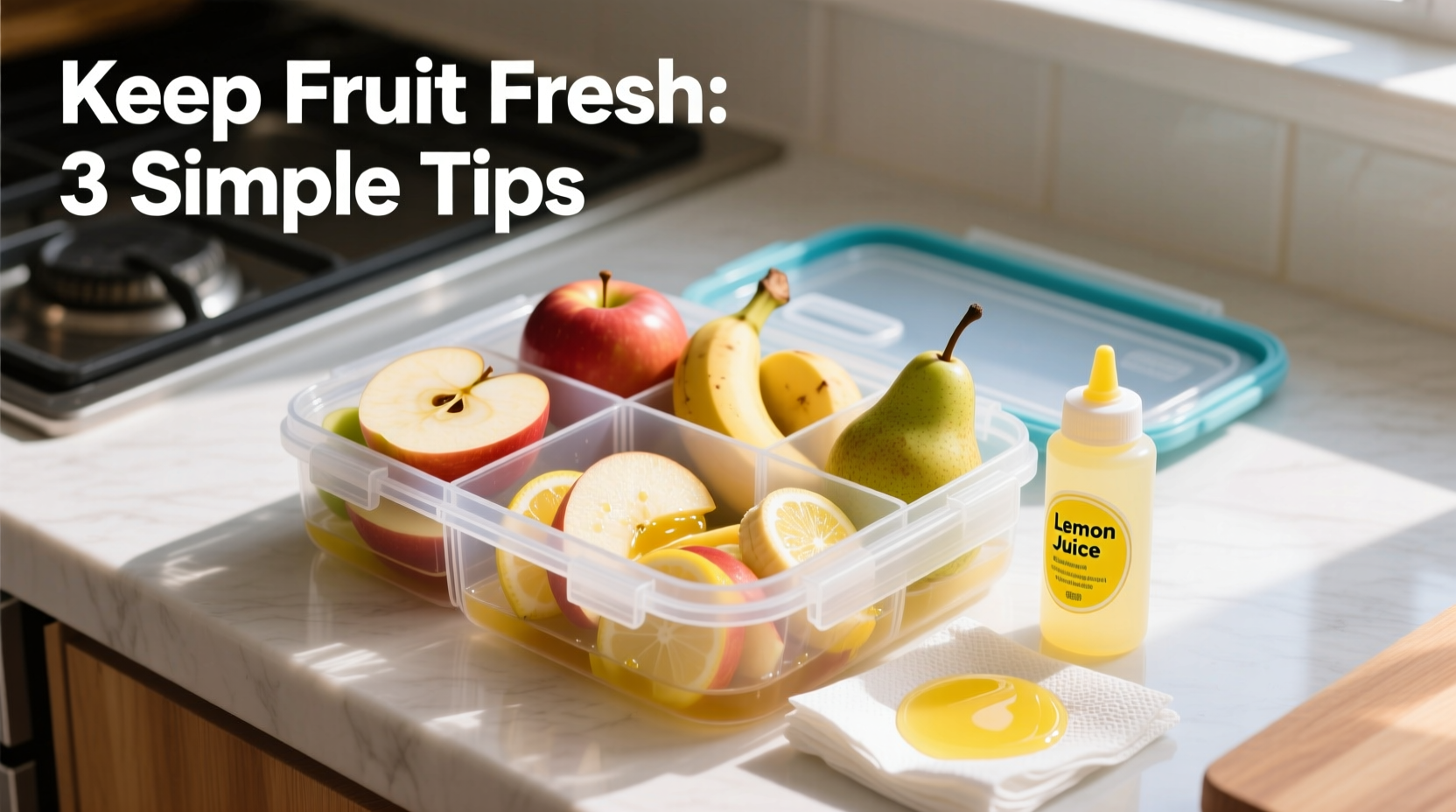
Enzymatic browning occurs when polyphenol oxidase (PPO), an enzyme naturally present in fruits like apples, bananas, peaches, and pears, reacts with oxygen in the air. When the fruit's cells are damaged—through cutting, slicing, or bruising—the enzyme comes into contact with phenolic compounds, triggering a reaction that produces melanin, the same pigment responsible for human skin tanning. In fruit, this results in a brown hue.
This process accelerates in warm temperatures and low acidity environments. That’s why a sliced apple left on the counter turns brown faster than one stored in the fridge—and why lemon juice, which is acidic, helps delay the reaction.
Understanding this mechanism allows us to target prevention at multiple points: inhibiting the enzyme, limiting oxygen exposure, or lowering pH levels around the fruit.
“Oxidation is inevitable, but it’s manageable. The key is to disrupt the chemical chain reaction before it begins.” — Dr. Lena Torres, Food Scientist at the Institute of Culinary Research
Effective Methods to Prevent Browning
There are several proven techniques to slow down or prevent enzymatic browning. Some rely on household ingredients, while others involve minor changes in preparation or packaging. Below are the most reliable approaches, backed by both kitchen experience and food science.
1. Use Citrus Juice to Lower pH
Lemon, lime, or orange juice contains citric and ascorbic acid, both of which lower the surface pH of the fruit and inhibit PPO activity. A light coating is enough—overuse can make the fruit too tart.
For milder flavor, dilute the juice or use pineapple juice, which also contains natural bromelain enzymes that help protect against oxidation.
2. Soak in Salt Water
A brief soak in salt water (half a teaspoon of salt per cup of water) can significantly delay browning. Salt suppresses enzyme activity without drastically altering taste if rinsed properly.
Submerge cut fruit for 3–5 minutes, then rinse lightly and pat dry. Best for apples, pears, and bananas. Avoid over-soaking delicate fruits like berries.
3. Store with Honey Water
Honey contains natural antioxidants and has mild antibacterial properties. Mixing one part honey with four parts water creates a protective soak that preserves color and texture.
Dip apple or pear slices for 30 seconds, drain, and store. The result is slightly sweetened fruit with minimal browning—even after several hours.
4. Use Commercial Anti-Browning Products
Products like “Fruit-Fresh” or “NatureSeal” are specifically designed to prevent oxidation. They typically contain a blend of vitamin C (ascorbic acid), calcium, and citric acid.
These powders are sprinkled directly onto cut fruit and mixed gently. They’re especially useful for meal prepping large batches of fruit for school lunches or office snacks.
5. Minimize Oxygen Exposure
Oxygen is essential for browning. Reducing its access slows the reaction dramatically. Use airtight containers instead of open bowls or loosely covered Tupperware.
For best results, press plastic wrap directly onto the surface of the fruit before sealing the lid. Alternatively, vacuum-sealed containers eliminate nearly all air and can keep fruit fresh for up to 24 hours.
Best Practices for Packing Fruit in Lunchboxes
Even with anti-browning treatments, poor packing can undo your efforts. Temperature, physical protection, and timing matter just as much as chemistry.
Choose the Right Container
Opt for rigid, leak-proof containers with tight seals. Flexible silicone bags with zip closures also work well if they fully close. Avoid paper bags or flimsy plastic wraps that allow air exchange.
Keep It Cool
Heat speeds up enzymatic reactions. If your lunchbox won’t be refrigerated, include a small ice pack or freeze a water bottle overnight to act as a coolant.
Cooler temperatures not only slow browning but also preserve texture and inhibit microbial growth.
Slice Just Before Eating (When Possible)
The simplest way to avoid browning? Don’t cut the fruit until you’re ready to eat it. Pack whole apples, pears, or bananas and slice them at lunchtime.
If convenience is key, consider investing in peelable varieties like clementines or easy-peel mandarins, which require no prep and resist browning entirely.
Do’s and Don’ts: What Works and What Doesn’t
| Do | Don’t |
|---|---|
| Use diluted lemon juice on apples and pears | Soak fruit in undiluted citrus juice (makes it too sour) |
| Pack fruit in airtight containers with cold packs | Leave cut fruit exposed to air in open containers |
| Rinse salt-treated fruit lightly before eating | Use excessive salt—can overpower flavor |
| Pre-treat fruit with honey water for mild sweetness | Use sugar syrup—it attracts moisture and speeds spoilage |
| Store bananas separately—they emit ethylene gas that ripens other fruits | Mix cut apples with bananas in the same sealed container |
Real-Life Example: Sarah’s School Lunch Success
Sarah, a mother of two elementary school kids, struggled for months with her children refusing to eat the apples she packed. “They’d come home with untouched slices every day,” she said. “I thought they just didn’t like apples, but when I opened their lunchboxes, the fruit was brown and mushy.”
After researching online, Sarah began dipping apple slices in a mix of lemon juice and water, storing them in small glass containers with tight lids, and adding a frozen gel pack to each lunchbox. She also started packing mandarin oranges on alternate days for variety.
The change was immediate. Her kids ate the fruit consistently, and teachers even commented on the improved snack choices. “It wasn’t about changing what I packed,” Sarah noted, “but how I prepared and protected it.”
Step-by-Step Guide to Browning-Free Fruit Lunch Prep
Follow this daily routine to ensure fresh, appealing fruit every time:
- Wash and dry fruit thoroughly – Start with clean produce to reduce bacteria that accelerate spoilage.
- Slice just before packing (or pre-slice with treatment) – If prepping ahead, apply one of the anti-browning methods below.
- Treat with acid or salt solution – Choose lemon water, salt water, or honey soak based on preference.
- Rinse and pat dry (if needed) – Especially important after salt or strong citrus soaks.
- Place in airtight container – Press a piece of parchment or plastic wrap directly on the fruit surface.
- Add a cold source – Include a reusable ice pack or frozen water bottle in the lunchbox.
- Separate ethylene-producing fruits – Keep bananas, avocados, and tomatoes apart from sensitive fruits like apples and pears.
- Refrigerate until departure – Store the entire lunchbox in the fridge until it’s time to leave.
Frequently Asked Questions
Can I use vinegar to prevent browning?
Vinegar is acidic and may slow browning slightly, but its strong flavor and odor make it unsuitable for most fruits. Stick to lemon juice or commercial products designed for food use.
How long will treated fruit stay fresh in a lunchbox?
With proper treatment and cooling, apples and pears can stay fresh and non-browned for up to 8 hours. Berries and grapes, which brown less easily, last even longer—up to 12 hours if kept cool.
Are there fruits that don’t brown at all?
Yes. Citrus fruits (oranges, grapefruits), melons, grapes, cherries, and berries do not undergo significant enzymatic browning because they contain lower levels of PPO or have protective skins. These are excellent low-maintenance options for lunchboxes.
Expert-Recommended Fruit Pairings and Alternatives
To simplify lunch prep and maximize appeal, nutritionists recommend combining non-browning fruits with treated varieties. This reduces the need for extensive prep while maintaining visual variety.
- Snack Box Combo: Grapes + mandarin segments + apple slices (lemon-dipped)
- Kids’ Favorite: Banana rounds (wrapped in foil to minimize exposure) + blueberries + peach wedges (salt-water soaked)
- Adult Lunch Boost: Sliced kiwi + strawberries + pear cubes (honey-water treated)
For those avoiding added flavors or acids, consider using specially bred fruit varieties like Arctic Apples, which are genetically modified to resist browning. Though availability varies, they offer a convenient, no-treatment solution for packed meals.
Final Checklist: Never Pack Brown Fruit Again
Before closing your lunchbox, run through this quick checklist:
- ✅ Fruit washed and dried
- ✅ Cut surfaces treated (citrus, salt, or honey water)
- ✅ Stored in airtight container with minimal air
- ✅ Cold pack included in lunchbox
- ✅ Ethylene-sensitive and producing fruits separated
- ✅ Lunchbox refrigerated until departure
- ✅ Labels added (optional but helpful for families)
Conclusion: Freshness Is Within Reach
Keeping fruit from browning in your lunchbox isn’t magic—it’s method. With a basic understanding of food chemistry and a few smart habits, you can serve up vibrant, appetizing fruit that people actually want to eat. Whether you’re packing lunches for kids, coworkers, or yourself, these strategies ensure that nutrition doesn’t come at the cost of appearance or taste.




 浙公网安备
33010002000092号
浙公网安备
33010002000092号 浙B2-20120091-4
Comments
No comments yet. Why don't you start the discussion?