
Traveling is one of life’s great pleasures—but for houseplant owners, it often comes with a side of anxiety. Will your fiddle leaf fig survive two weeks without water? Will your succulents dry out in the summer heat? The thought of returning home to wilted leaves and parched soil can be enough to make even seasoned travelers reconsider their plans.
The good news: you don’t need a professional plant sitter to keep your green companions thriving while you’re away. With thoughtful preparation and a few clever techniques, most indoor plants can go weeks without direct care. Whether you're gone for five days or three weeks, there are proven strategies that work across different plant types, climates, and home environments.
Assess Your Plants’ Needs Before You Leave
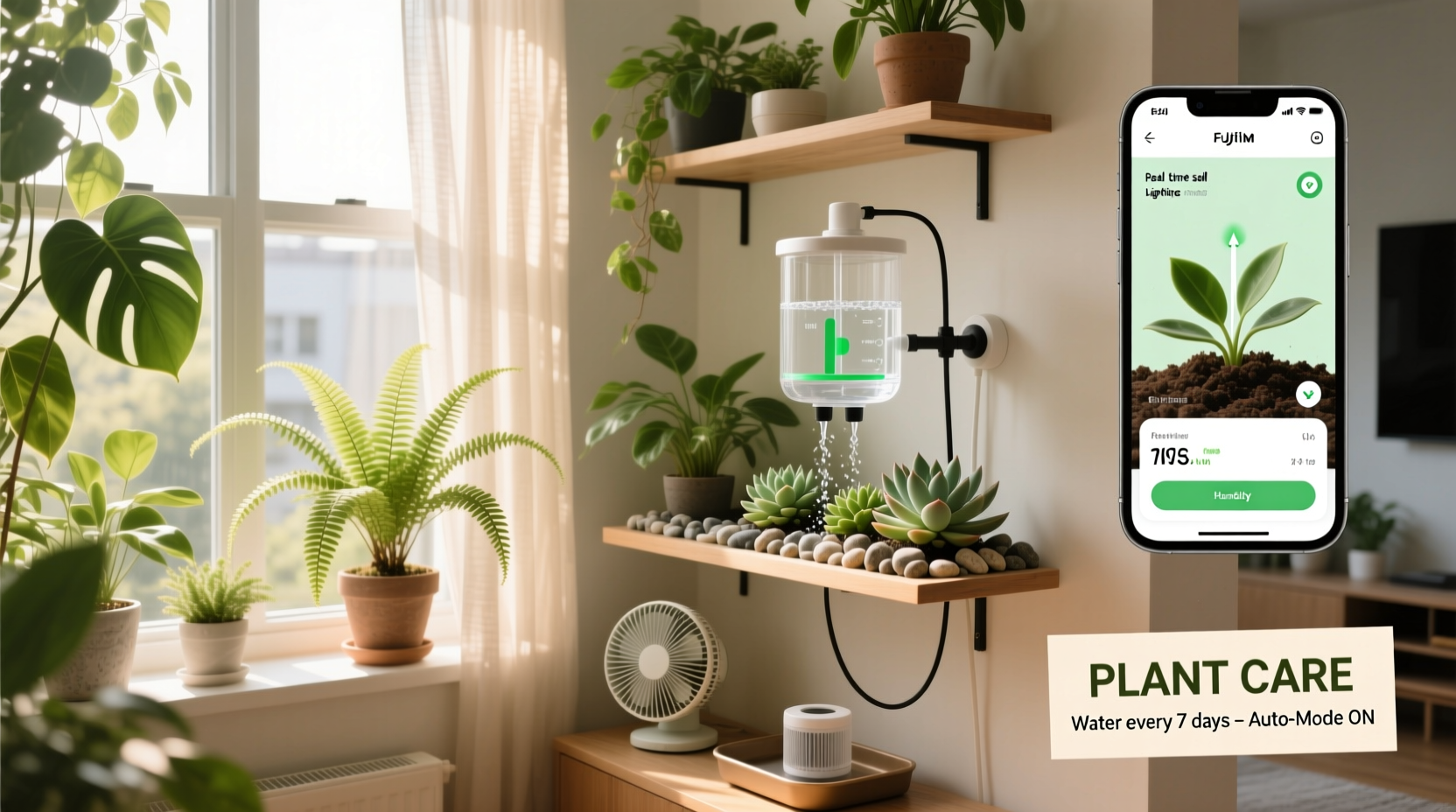
Not all houseplants have the same tolerance for neglect. What works for a snake plant may spell disaster for a calathea. The first step in preparing your plants for your absence is understanding their individual needs.
Begin by grouping your plants based on water requirements:
- Low-water plants: Snake plants, ZZ plants, cacti, and other succulents can go weeks without water.
- Moderate-water plants: Pothos, spider plants, and peace lilies typically need watering every 7–10 days.
- High-moisture plants: Ferns, calatheas, and marantas require consistent humidity and more frequent watering.
Consider the environment as well. A plant near a sunny south-facing window will dry out faster than one in a shaded corner. Air conditioning or heating systems can also affect soil moisture levels.
DIY Self-Watering Methods That Actually Work
If hiring someone isn't an option, self-watering solutions are your best bet. Many of these use simple household items and take less than 30 minutes to set up.
Bottle Drip System
One of the most effective low-tech options is the inverted bottle drip method. Fill a clean plastic bottle with water, poke small holes in the cap (or remove it slightly), and bury the neck just below the soil surface. Gravity pulls water slowly into the soil over several days.
“Simple irrigation systems like the bottle drip can extend watering intervals by up to 14 days, especially when paired with moisture-retaining soil.” — Dr. Lena Reyes, Urban Horticulturist at GreenSpace Research Lab
Cotton Wick Method
This works well for smaller pots. Insert a cotton rope or shoelace through the drainage hole so one end sits in the potting mix and the other dips into a reservoir of water placed below. Capillary action draws moisture upward as needed.
For best results:
- Use thick, absorbent cotton wicks.
- Ensure the reservoir is elevated enough to prevent overflow but low enough for proper wicking.
- Test the system at least 48 hours before leaving to confirm steady water flow.
Double-Potting with Water Reservoir
Place your potted plant inside a larger container filled with pebbles and water. As the outer pot evaporates, humidity increases around the plant, benefiting tropical species. While this won’t directly water the roots, it slows transpiration and keeps foliage hydrated.
Smart Solutions Using Technology
For longer trips or particularly sensitive plants, consider investing in automated tools that provide precise control over watering and environmental conditions.
Automated Drip Irrigation Kits
These compact systems connect to a timer and deliver measured amounts of water to multiple plants. Some models even sync with smartphone apps, allowing remote monitoring. Brands like Gardena and AquaFilling offer kits suitable for indoor use, starting around $50.
Self-Watering Planters
If you frequently travel, upgrading to self-watering containers may be worth the investment. These feature built-in reservoirs that supply water via wicks or sub-irrigation. Popular models include Lechuza and PlanterJones, which can sustain plants for 2–4 weeks depending on size and climate.
Smart Sensors
Devices like the Koubachi Wi-Fi Sensor or Parrot Flower Power monitor soil moisture, light, and temperature. Though they don’t water automatically, they send alerts to your phone—useful if you want peace of mind or need to adjust settings mid-trip.
Environmental Adjustments for Maximum Survival
Before locking the door, modify your home environment to reduce stress on your plants.
Move Plants Away from Direct Sunlight
Exposure to intense sunlight increases evaporation and can scorch leaves. Relocate sun-sensitive plants to areas with indirect or filtered light. South- and west-facing windows should be avoided unless covered with sheer curtains.
Group Plants Together
Clustering plants creates a microclimate where humidity naturally builds through transpiration. This is especially beneficial for moisture-loving varieties like ferns and orchids.
Adjust Temperature and Airflow
Turn off fans and close vents near plants to minimize air movement, which accelerates drying. If possible, maintain indoor temperatures between 65°F and 75°F (18°C–24°C). Avoid placing plants near radiators, fireplaces, or drafty doors.
| Action | Benefit | Best For |
|---|---|---|
| Relocate to low-light area | Reduces water loss and heat stress | All plants, especially leafy tropicals |
| Group together | Increases ambient humidity | Ferns, calatheas, fittonias |
| Close blinds/curtains | Prevents overheating and sunburn | Variegated and thin-leaved plants |
| Turn off HVAC near plants | Stabilizes temperature and moisture | Sensitive species like African violets |
Step-by-Step Timeline: Preparing Your Plants for Vacation
Follow this sequence in the days leading up to your trip to ensure optimal plant health upon return.
- 7 Days Before: Inspect each plant for pests, disease, or nutrient deficiencies. Treat any issues immediately.
- 5 Days Before: Clean dust from leaves using a damp cloth to improve photosynthesis efficiency.
- 3 Days Before: Prune dead or yellowing foliage to redirect energy to healthy growth.
- 2 Days Before: Water deeply to saturate the soil, then allow excess to drain completely.
- 1 Day Before: Set up self-watering systems, test timers, and position plants according to light and humidity needs.
- Morning of Departure: Double-check reservoir levels, confirm timers are active, and close blinds in sunny rooms.
“Plants respond better to gradual changes than sudden shifts. Starting prep early reduces shock and improves survival rates.” — Miriam Cho, Indoor Gardening Consultant
Real Example: How Sarah Kept Her Jungle Alive During a Three-Week Trip
Sarah, a plant enthusiast from Portland, Oregon, was nervous about leaving her 30+ houseplants unattended during a family vacation to Greece. She couldn’t afford a sitter and didn’t trust neighbors to follow detailed instructions.
Her solution combined simplicity and strategy:
- She moved all non-succulent plants into her north-facing bathroom, which receives minimal direct light.
- Used glass bottles with drilled caps for slow-drip watering on medium-need plants like pothos and monstera.
- Placed trays of water with pebble layers under high-humidity plants.
- Left her ZZ plant and snake plant untouched—they were already in low-traffic corners.
Upon returning, only one small peperomia showed signs of distress. Every other plant not only survived but had produced new growth. “I realized most of my panic was unfounded,” she said. “With the right prep, plants are way more resilient than we give them credit for.”
Checklist: Pre-Vacation Plant Care Routine
Print or save this checklist to ensure nothing is missed before you leave:
- ✅ Inspect all plants for pests and diseases
- ✅ Dust leaves and prune damaged foliage
- ✅ Group humidity-loving plants together
- ✅ Move plants away from direct sun and drafts
- ✅ Water deeply 48 hours before departure
- ✅ Install self-watering systems or reservoirs
- ✅ Test timers and automation devices
- ✅ Close blinds and adjust room temperature
- ✅ Label plants with special instructions (if applicable)
- ✅ Take a quick photo of each plant for post-trip comparison
Frequently Asked Questions
How long can houseplants go without water?
Most healthy houseplants can survive 1–3 weeks without water, depending on species, pot size, soil type, and environment. Succulents and drought-tolerant plants like snake plants can last up to four weeks. Tropical plants with thin leaves usually need attention within 7–10 days.
Can I use ice cubes to water plants slowly?
While some people use ice cubes to regulate water release, this method is not recommended. Cold temperatures can damage roots, especially in tropical species. Instead, opt for room-temperature water delivered through controlled systems like drip bottles or wicks.
Should I fertilize before going on vacation?
No. Fertilizing adds stress to plants by encouraging new growth that requires more water and nutrients. Since resources will be limited while you're away, avoid feeding your plants for at least a month prior to departure.
Final Thoughts: Travel with Confidence, Not Guilt
Keeping houseplants alive while on vacation doesn’t require magic—or money. It demands observation, planning, and a bit of creativity. By understanding your plants' needs and leveraging simple, reliable methods, you can enjoy your time away knowing your green family is safe at home.
Start small. Test one self-watering technique on a single plant before scaling up. Document what works and refine your approach over time. With experience, you’ll develop a personalized system that fits your lifestyle and collection.




 浙公网安备
33010002000092号
浙公网安备
33010002000092号 浙B2-20120091-4
Comments
No comments yet. Why don't you start the discussion?