
Leaving town for a couple of weeks shouldn’t mean returning to wilted leaves and dry soil. Houseplants thrive on consistency, but with the right preparation, they can survive—and even flourish—while you're away. The key is understanding your plants’ needs and using smart, low-cost strategies to maintain moisture, light, and humidity in your absence. Whether you're heading on vacation or attending an extended work trip, these practical, real-world-tested methods will keep your green companions healthy and hydrated.
Assess Your Plants’ Needs Before You Go
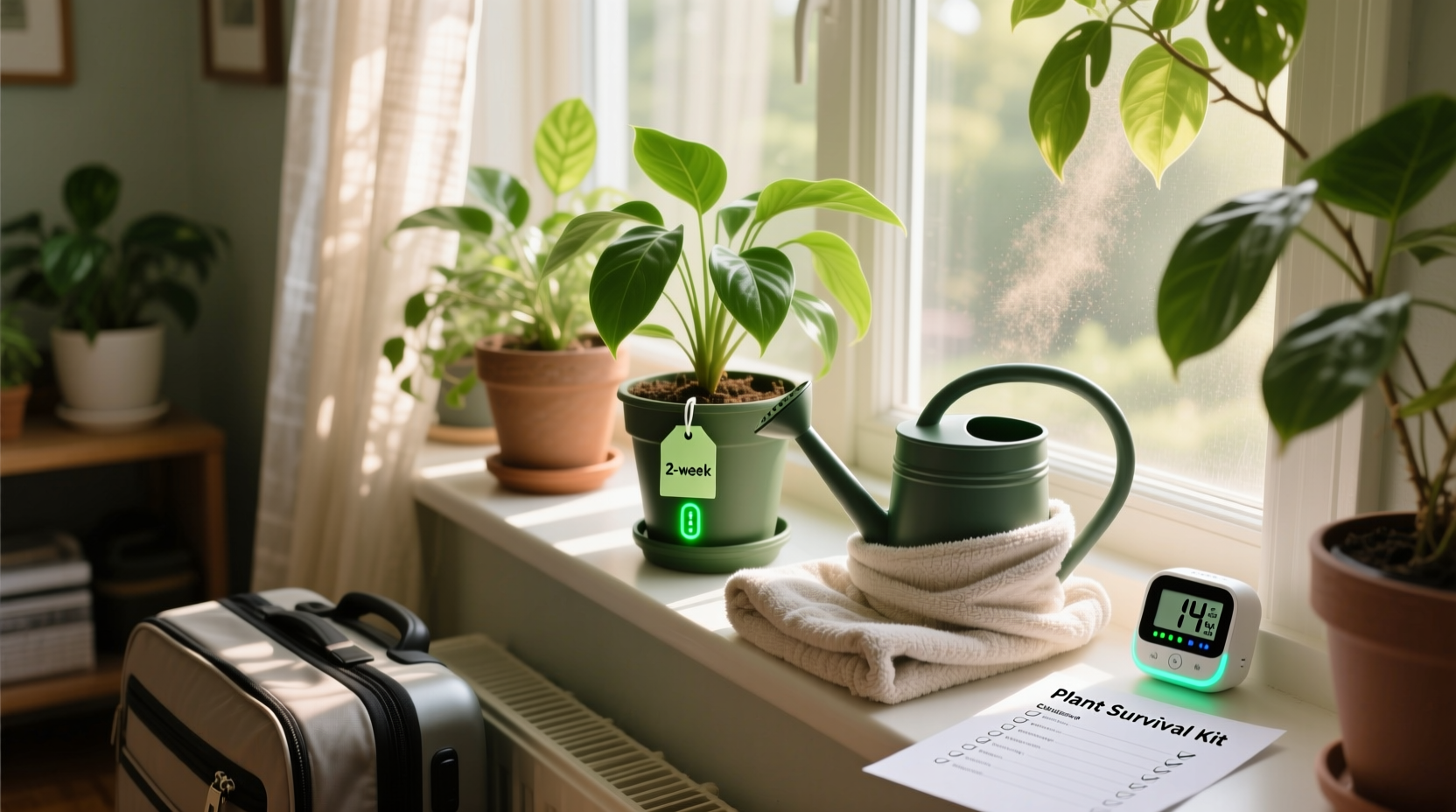
Not all houseplants are created equal. A succulent’s tolerance for drought differs drastically from a fern’s need for constant moisture. Before packing your bags, take inventory of your indoor garden. Group plants by water requirements: low (e.g., snake plant, ZZ plant), moderate (e.g., pothos, philodendron), and high (e.g., calathea, peace lily).
This categorization helps you apply targeted solutions. For instance, moisture-loving plants may benefit from self-watering setups, while drought-tolerant species often require little more than a strategic repositioning before departure.
Light Exposure Adjustment
While you’re gone, direct sunlight can overheat rooms and accelerate soil drying. Move sensitive or moisture-dependent plants away from south-facing windows. Relocate them to areas with bright, indirect light—such as near east-facing windows—to reduce evaporation without sacrificing photosynthesis.
For low-light tolerant varieties like snake plants or cast iron plants, consider placing them in slightly dimmer spots to slow growth and reduce water demand during your absence.
DIY Self-Watering Solutions That Actually Work
Commercial self-watering systems can be expensive and overkill for short trips. Fortunately, several budget-friendly DIY options deliver consistent hydration for up to three weeks.
Bottle Drip System
A simple yet effective method involves repurposing a plastic bottle. Clean a half-liter or one-liter bottle, poke small holes in the cap (using a pin or nail), fill it with water, and partially bury it neck-down near the plant’s base.
As the soil dries, it draws water slowly through capillary action. This system works best for medium- to high-water-need plants in porous pots.
“Passive irrigation like bottle drips mimics natural groundwater uptake. It’s not flashy, but it’s remarkably reliable for short-term absences.” — Dr. Lena Reyes, Urban Horticulturist, Brooklyn Botanic Garden
Wicking System with Yarn or Rope
Using cotton yarn or absorbent rope, create a wick between a water reservoir and your plant’s soil. Insert one end deep into the pot’s drainage hole or soil, and place the other in a separate container filled with water. The yarn pulls moisture upward as needed.
Best results come from using terracotta pots (which allow airflow) and distilled or filtered water to prevent mineral buildup in the wick.
Humidity Hacks for Tropical Plants
Plants like ferns, monsteras, and orchids suffer most from dry indoor air during extended trips. Humidity levels can plummet, especially in air-conditioned or heated environments.
Create a microclimate by grouping humidity-loving plants together. Cluster them on a tray filled with pebbles and water—make sure pots sit above the waterline to prevent root rot. As the water evaporates, it raises ambient moisture around the foliage.
Another option: enclose delicate plants in a clear plastic bag or a large transparent storage bin. Leave a small opening for gas exchange. This makeshift greenhouse traps moisture while still allowing oxygen flow.
| Hack | Best For | Duration Supported | Limitations |
|---|---|---|---|
| Pebble Tray + Grouping | Ferns, Calatheas | 10–14 days | Limited in very dry climates |
| Plastic Bag Dome | Orchids, Prayer Plants | 14–20 days | Risk of mold if sealed too tightly |
| Water-filled Sink/Bathtub | Bathroom plants only | 7–10 days | Only works in humid rooms |
Automated and Semi-Automated Options
If you travel frequently, investing in automation pays off. Simple timers and devices can manage watering with minimal setup.
Timer-Based Drip Irrigation Kits
Compact drip systems connect to a water source (like a raised bucket or aquarium) and use gravity-fed tubes with adjustable emitters. Pair with a mechanical timer to release water every few days. These kits cost $20–$40 and support 5–10 plants.
They’re ideal for plant-heavy homes and eliminate guesswork. However, test the system fully before leaving to prevent leaks or clogs.
Smart Plant Sensors
Devices like the Xiaomi Mi Flora or Parrot Flower Power monitor soil moisture, light, and temperature. Sync them to your phone via Bluetooth or Wi-Fi. While you won’t be able to act on alerts remotely, reviewing data post-travel helps refine future strategies.
Some advanced sensors integrate with smart irrigation systems, enabling remote activation—useful if you extend your trip unexpectedly.
Real Example: Two Weeks in Portugal, Zero Plant Loss
Sophie, a plant enthusiast from Portland, Oregon, planned a two-week summer trip to Lisbon. She left behind 18 houseplants, including a fussy variegated monstera and a cluster of maidenhair ferns.
Her strategy:
- Grouped humidity lovers in her bathroom and placed them on pebble trays.
- Used wine bottles with drilled caps for her larger plants (ZZ, fiddle leaf fig).
- Set up a single drip kit with a timer for her six potted herbs on the kitchen sill.
- Moved sun-sensitive plants away from west-facing windows.
- Asked a neighbor to check once, just to refill water reservoirs if needed.
She returned to lush, thriving plants. Only one pothos showed minor tip burn—likely due to uneven wicking—which recovered after a week of normal care.
“I used to stress about every trip,” she said. “Now I treat plant prep like packing my suitcase—structured, quick, and totally manageable.”
Pre-Travel Checklist: Two Weeks Away
Follow this step-by-step guide 1–2 days before departure:
- ✔ Inspect each plant for pests or disease; isolate any affected ones.
- ✔ Clean leaves gently to maximize photosynthesis efficiency.
- ✔ Water deeply the day before leaving—never right before.
- ✔ Prune yellowing leaves to redirect energy to healthy growth.
- ✔ Adjust placement based on light and temperature zones.
- ✔ Install watering systems (bottles, wicks, trays) and test flow.
- ✔ Label plants if someone is checking in—note specific needs.
- ✔ Secure water reservoirs to prevent spills or tipping.
- ✔ Set thermostat to 65–75°F (18–24°C) to avoid heat stress.
- ✔ Close sheer curtains to diffuse intense sunlight.
Frequently Asked Questions
Can I leave my plants in the bathtub with water?
You can—if they’re tropical and the room stays humid. Fill the tub with 1–2 inches of water and place pots on a raised rack or towel so roots don’t sit submerged. This works well for 7–10 days, especially in bathrooms with natural light. Avoid this method in dry or hot environments where water evaporates too quickly.
Will my succulents be fine without water for two weeks?
Most succulents and cacti can go four weeks or more without water, especially in low-light, cool conditions. Water them normally before you leave, then move them away from direct sun to slow evaporation. Overwatering before travel is a bigger risk than underwatering.
What if I don’t have anyone to check on my plants?
You don’t need one. Most two-week strategies are designed for solo operation. Use a combination of drip systems, humidity trays, and strategic grouping. Just ensure your water containers are large enough—double the estimated need—to account for faster evaporation in warm homes.
Final Tips for Stress-Free Travel and Healthy Plants
The secret to keeping houseplants alive while traveling isn’t complexity—it’s thoughtful preparation. By matching the solution to the plant, testing systems in advance, and creating stable microenvironments, you remove uncertainty from the equation.
Remember: most houseplants evolved in resilient ecosystems. They can endure short periods of less-than-ideal care if basic needs are met. Focus on moisture retention, avoiding temperature extremes, and minimizing light stress.
And if one leaf yellows while you're gone? Don’t panic. It’s normal. What matters is that the plant survives with its core health intact—ready to bounce back the moment you resume regular care.
“The best plant parent isn’t the one who never leaves—they’re the one who plans ahead so their plants thrive in their absence.” — Marcus Tran, Indoor Gardening Educator & Author
Take Action Today—Before Your Next Trip
Don’t wait until the night before your flight to figure out plant care. Implement one or two of these hacks now, even if you’re not traveling soon. Test a bottle drip on your fiddle leaf fig. Try a pebble tray with your fern. See what works in your space.
When travel plans come up, you’ll already have a reliable system in place—no last-minute scrambling, no guilt, no dead plants on your return. Just green, growing life waiting to welcome you home.




 浙公网安备
33010002000092号
浙公网安备
33010002000092号 浙B2-20120091-4
Comments
No comments yet. Why don't you start the discussion?