
Hydrangeas are beloved for their lush, voluminous blooms and elegant presence in gardens across temperate climates. However, when summer temperatures rise, these moisture-loving plants can quickly show signs of stress—wilting leaves, browning edges, and premature flower drop. Unlike drought-tolerant perennials, hydrangeas demand consistent attention during heatwaves. Without proper care, even well-established shrubs can decline or die. The key to survival isn’t just frequent watering—it’s smart, strategic hydration combined with environmental adjustments. Understanding how heat affects hydrangeas and implementing targeted watering practices can make the difference between a struggling plant and one that thrives despite soaring temperatures.
Understanding How Heat Affects Hydrangeas
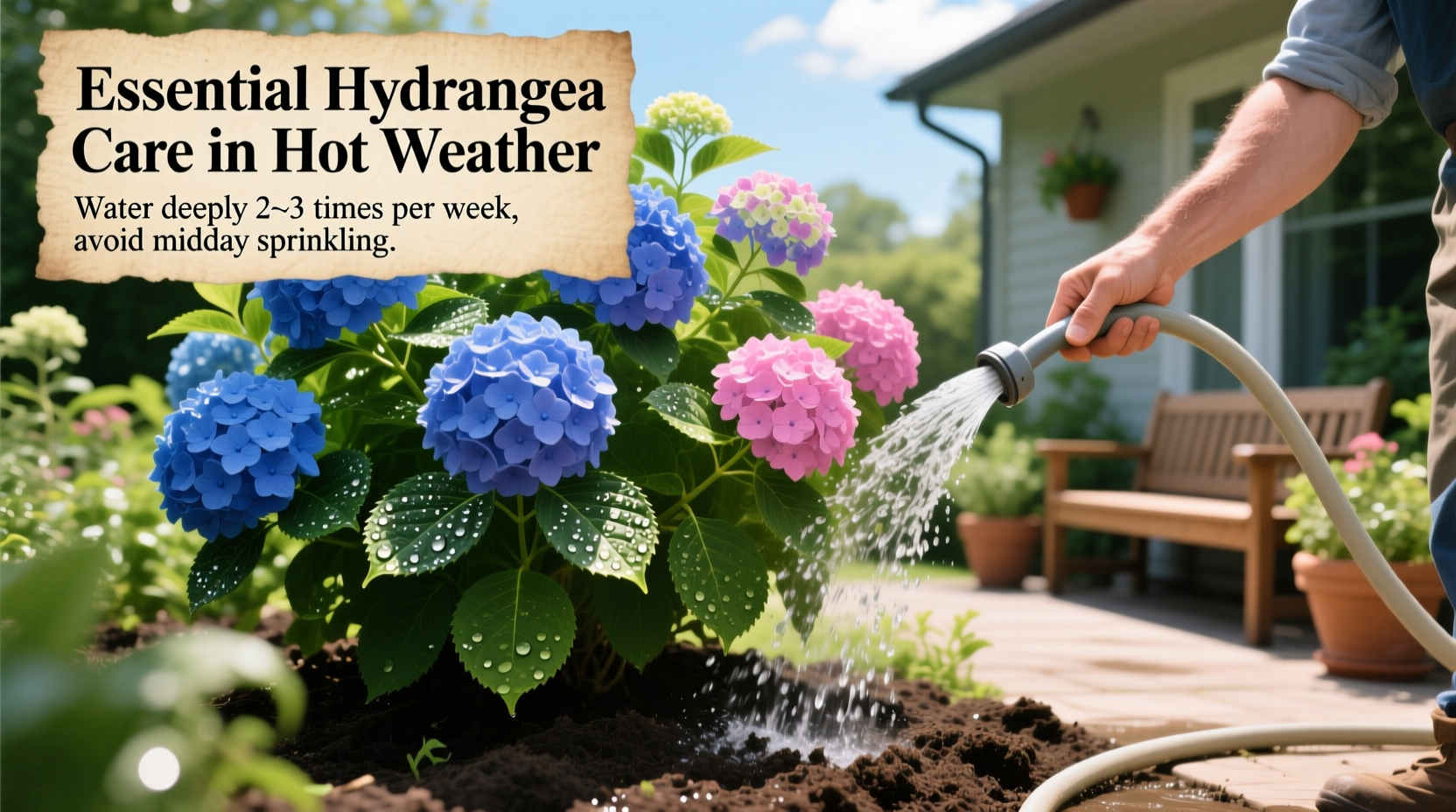
Hydrangeas evolved in forest understories and cooler woodland regions, where dappled sunlight and moist, humus-rich soil are the norm. When exposed to prolonged high temperatures—especially above 85°F (29°C)—their natural balance is disrupted. Excessive heat accelerates transpiration, the process by which plants lose water through their leaves. If roots can’t absorb moisture fast enough to replace what’s lost, the plant becomes dehydrated.
Symptoms of heat stress in hydrangeas include drooping foliage early in the day, leaf scorch (brown, crispy edges), reduced flowering, and bud abortion. In extreme cases, entire stems may die back. Bigleaf hydrangeas (Hydrangea macrophylla) are particularly vulnerable due to their large leaves, which increase surface area for water loss. Panicle and smooth hydrangeas are slightly more resilient but still require protection during extended heat events.
The danger isn’t just from air temperature alone. High light intensity, low humidity, and drying winds compound the stress. Even if you’re watering regularly, poor soil retention or incorrect timing can leave roots parched. Recognizing these challenges is the first step toward effective intervention.
“Hydrangeas aren’t weak—they’re just honest about their needs. They’ll tell you when they’re thirsty before other plants even blink. Pay attention to the droop, and act before it becomes damage.” — Dr. Linda Ruiz, Horticulturist at the National Garden Institute
Essential Watering Strategies for Hot Weather
Watering hydrangeas in summer isn’t about frequency alone—it’s about depth, timing, and consistency. Shallow, daily sprinklings encourage weak root systems that can’t withstand heat. Instead, focus on deep, infrequent soakings that promote downward root growth and improve drought resilience.
1. Water Deeply and Infrequently
Provide each mature hydrangea with 1–1.5 gallons of water per session, applied slowly to allow penetration into the root zone (6–8 inches deep). This should be done every 2–3 days during sustained heat, depending on soil type and sun exposure. Sandy soils drain quickly and may need more frequent watering, while clay retains moisture longer but risks compaction.
2. Water Early in the Morning
The best time to water is between 5:00 AM and 8:00 AM. This allows moisture to reach the roots before daytime heat intensifies evaporation. Evening watering can leave soil damp overnight, increasing the chance of root rot and fungal diseases like powdery mildew. Morning watering also helps plants start the day hydrated, better equipped to handle thermal stress.
3. Monitor Soil Moisture Regularly
Don’t rely solely on surface dryness. Insert your finger 2–3 inches into the soil near the plant’s drip line. If it feels dry at that depth, it’s time to water. For greater accuracy, use a moisture meter, especially in container-grown hydrangeas, which dry out faster than in-ground plants.
4. Adjust Based on Rainfall and Humidity
In humid climates, hydrangeas lose less moisture through transpiration and may need less supplemental watering. Conversely, in arid or windy conditions, even recent rain may not suffice. Track weekly rainfall—if it’s under 1 inch, supplement accordingly.
Soil and Mulch: Your First Line of Defense
No watering strategy works without proper soil preparation. Hydrangeas thrive in loamy, well-draining soil rich in organic matter. During heatwaves, soil quality determines how effectively water is retained and delivered to roots.
Amending planting beds with compost or aged manure improves both drainage and moisture retention. Avoid heavy clay or pure sand unless modified. A pH between 5.5 and 6.5 supports optimal nutrient uptake, especially for color-sensitive varieties like mopheads.
Mulching is non-negotiable in hot weather. A 2–3 inch layer of organic mulch—such as shredded bark, pine straw, or compost—spread around the base (but not touching the stem) acts as a thermal barrier. It reduces soil temperature by up to 10°F, slows evaporation, and suppresses weeds that compete for water.
| Mulch Type | Benefits | Cautions |
|---|---|---|
| Shredded Bark | Long-lasting, insulates well | Avoid piling against stems |
| Pine Straw | Lightweight, acidic—ideal for blue hydrangeas | May blow away in wind |
| Compost | Nutrient-rich, improves soil structure | Reapply seasonally |
Real Example: Reviving Hydrangeas After a Heatwave
In July 2023, a gardener in central North Carolina faced record-breaking temperatures averaging 95°F for ten consecutive days. Her three-year-old 'Nikko Blue' hydrangeas began wilting severely by mid-morning, despite daily hose watering. Leaves developed brown margins, and flower heads turned papery and faded.
She consulted a local extension agent who advised switching from brief evening sprays to deep morning soakings using a soaker hose for 30 minutes twice weekly. She added a 3-inch layer of pine bark mulch, pulled back from the crown, and installed a temporary shade cloth over the west-facing bed. Within two weeks, new growth emerged, and surviving blooms regained turgor. By fall, the plants had recovered fully and set buds for the following year.
This case underscores that recovery is possible with prompt, science-based interventions—even after visible stress occurs.
Step-by-Step Guide to Protecting Hydrangeas in Summer Heat
Follow this actionable timeline to safeguard your hydrangeas throughout the hottest months:
- Early Spring (Before Summer): Amend soil with compost and apply initial mulch layer. Test soil pH and adjust if needed for desired bloom color.
- Late Spring: Install drip irrigation or soaker hoses. Position them along the root zone, beneath the canopy spread.
- At First Sign of Heat (Above 85°F): Begin deep watering every 2–3 days. Check soil moisture daily.
- During Peak Heat: Add temporary shade (30–50% shade cloth) for plants in full sun, especially afternoon sun. Avoid pruning during heat stress.
- Afternoon Monitoring: Inspect plants for wilting. Some droop is normal; if leaves recover by evening, no action is needed. If not, increase next-day watering volume.
- End of Summer: Gradually reduce watering as temperatures cool. Do not fertilize late in the season, as this encourages tender growth vulnerable to early fall frosts.
Common Mistakes That Harm Hydrangeas in Heat
- Overhead watering in evening: Wet foliage overnight invites fungal infections.
- Frequent shallow watering: Encourages surface roots that dry out quickly.
- Mulch volcanoes: Piling mulch against the stem causes rot and pest infestation.
- Ignoring microclimates: A hydrangea near a brick wall or driveway may need more water due to reflected heat.
- Pruning during drought: Stressful cuts reduce the plant’s ability to photosynthesize and recover.
Checklist: Keep Your Hydrangeas Alive in Hot Weather
- Water deeply 2–3 times per week during heat (adjust for soil/rain)
- Water early in the morning, never at night
- Apply 2–3 inches of organic mulch around the base
- Use soaker hoses or drip irrigation for efficient delivery
- Install temporary shade for afternoon sun exposure
- Monitor soil moisture 2–3 inches deep
- Avoid fertilizing in summer
- Remove wilted flowers but do not prune live stems
- Inspect regularly for pests like spider mites, which thrive in heat
Frequently Asked Questions
How can I tell if my hydrangea is wilted from heat or lack of water?
Heat-induced wilting often improves in the cooler evening or early morning (“temporary wilt”). If the plant perks up, it likely doesn’t need more water yet. True dehydration persists beyond temperature drops and is accompanied by dry soil and brittle leaves. In this case, deep watering is essential.
Can hydrangeas survive in full sun if watered enough?
Some varieties, like 'Limelight' (panicle hydrangea), tolerate full sun in cooler zones if consistently watered. However, most bigleaf types prefer morning sun with afternoon shade. Even with ample water, intense midday sun increases leaf scorch risk and raises water demands significantly. Providing shade remains the smarter long-term strategy.
Should I mist the leaves to cool hydrangeas in heat?
No. Misting offers minimal cooling and dramatically increases the risk of fungal diseases such as powdery mildew and leaf spot. Focus on root-zone hydration instead. If humidity is extremely low, consider improving ambient moisture with grouped plantings or gravel trays, not direct leaf spraying.
Conclusion: Consistent Care Ensures Resilience
Keeping hydrangeas alive in hot weather isn’t about heroic last-minute rescues—it’s about proactive, informed care. The combination of deep watering, quality mulch, and strategic shading transforms vulnerable plants into heat-resilient garden anchors. These shrubs reward attentive gardeners with years of beauty, but they demand respect for their ecological preferences. By aligning your routine with their biological needs, you create conditions where hydrangeas don’t just survive summer—they continue to flourish.




 浙公网安备
33010002000092号
浙公网安备
33010002000092号 浙B2-20120091-4
Comments
No comments yet. Why don't you start the discussion?