
Winter transforms the indoor environment in ways that challenge even the most resilient houseplants. Shorter days mean less sunlight, while indoor heating systems strip moisture from the air, creating a double threat of low light and dry conditions. Without adjustments, many plants enter decline—yellowing leaves, stunted growth, or worse, complete dieback. Yet with informed care, it’s entirely possible to maintain lush, thriving greenery all season long. The key lies in understanding plant physiology, adapting routines, and creating micro-environments that mimic more favorable conditions.
Understanding Winter’s Impact on Indoor Plants
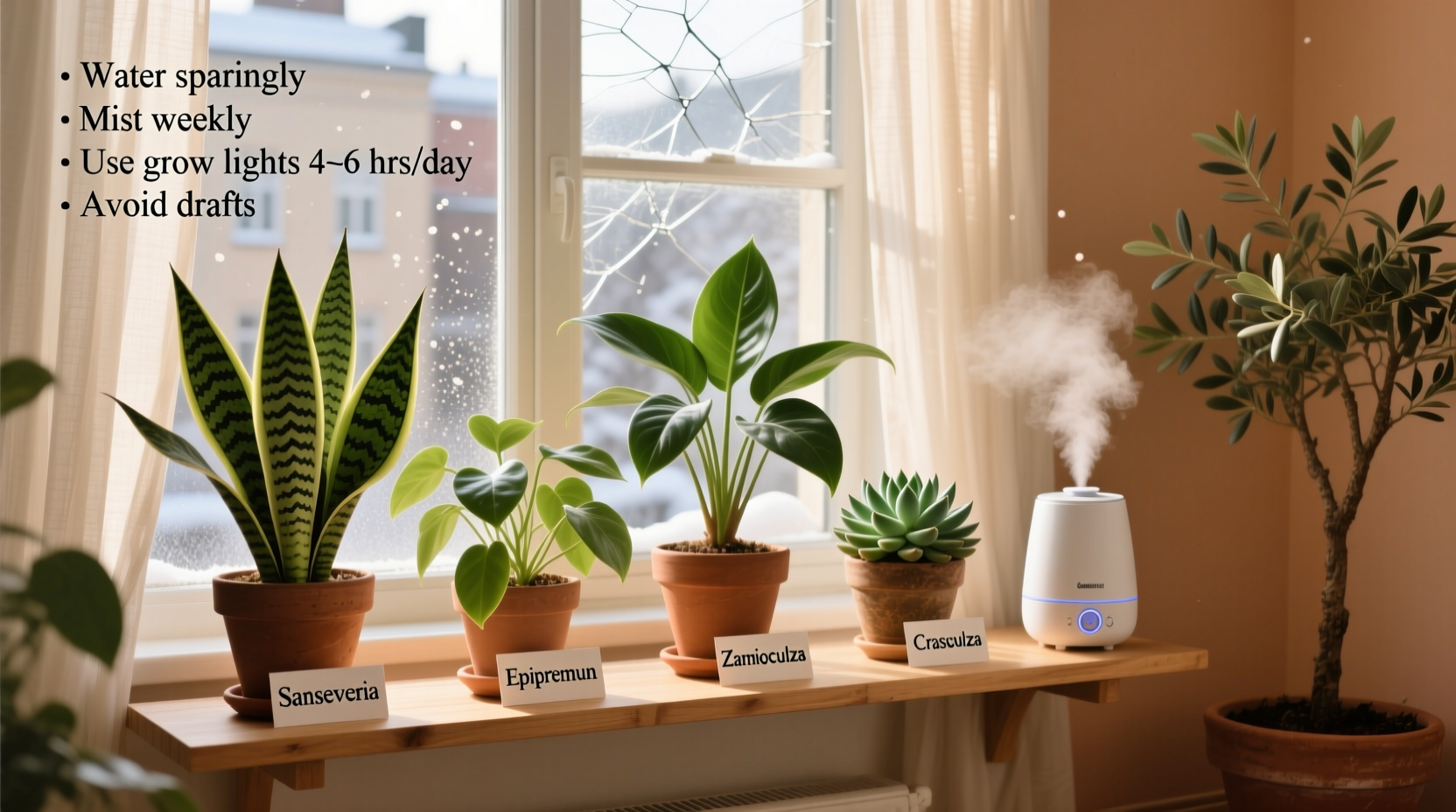
Plants rely on light for photosynthesis—the process by which they convert light energy into chemical energy to fuel growth. During winter, daylight hours shrink significantly, especially in northern latitudes. This reduction limits photosynthetic activity, slowing metabolic processes and reducing a plant’s ability to absorb water and nutrients. As a result, growth typically stalls or slows to a crawl.
Simultaneously, indoor heating systems circulate warm, dry air. Relative humidity levels often plummet below 30%, far below the 40–60% range preferred by most tropical houseplants. Low humidity causes leaf edges to brown, increases susceptibility to pests like spider mites, and accelerates transpiration—the loss of water through leaves—without adequate replacement from roots.
These stressors compound when combined with overwatering, a common mistake made by well-intentioned plant owners who assume their plants need the same routine year-round. In reality, reduced light and cooler temperatures mean slower evaporation and diminished root uptake. Waterlogged soil can lead to root rot, one of the leading causes of winter plant death.
“Plants don’t hibernate, but they do enter a period of dormancy or reduced activity. Respecting this natural rhythm is essential for winter survival.” — Dr. Linda Chen, Botanist and Urban Horticulture Researcher
Optimize Light Exposure Strategically
Natural light is non-negotiable for plant health. Even shade-tolerant species require some level of illumination. The angle and intensity of winter sunlight differ from summer, so reevaluating plant placement is critical.
South-facing windows provide the brightest, most consistent light during winter in the Northern Hemisphere. East- and west-facing windows offer moderate exposure, while north-facing ones may not supply enough light for most species. Rotate plants every few weeks to ensure even growth and prevent leaning toward the light source.
If your home lacks sufficient natural light, supplemental lighting becomes necessary. LED grow lights are energy-efficient and emit minimal heat, making them ideal for indoor use. Position lights 6–12 inches above foliage and run them for 12–14 hours daily to simulate longer days.
Light Requirements by Plant Type
| Plant Type | Minimum Light (Foot-candles) | Recommended Placement |
|---|---|---|
| Ficus, Croton, Hibiscus | 500–700 | Direct south-facing window |
| Peace Lily, Pothos, Philodendron | 200–400 | Bright indirect near east/west window |
| Snake Plant, ZZ Plant, Cast Iron Plant | 50–100 | Low-light corner or north-facing room |
Maintain Humidity Without Overwatering
Dry indoor air is a silent killer. While misting is a popular response, it offers only temporary relief and can promote fungal diseases if done excessively. Instead, focus on sustainable humidity solutions.
Grouping plants together creates a localized humid microclimate as they transpire collectively. Placing trays filled with pebbles and water beneath pots allows evaporation to increase ambient moisture without saturating roots. Ensure the pot base remains above the waterline to prevent wicking.
For high-humidity lovers like ferns, calatheas, or orchids, consider using a small humidifier. These devices can raise relative humidity by 15–25% in immediate vicinity. Alternatively, placing plants in naturally humid rooms such as bathrooms or kitchens—provided they receive adequate light—can yield excellent results.
Step-by-Step: Creating a Humidity Tray
- Choose a tray slightly larger than the plant’s container.
- Add a layer of clean pebbles or expanded clay pellets.
- Pour water until it reaches just below the top of the pebbles.
- Set the plant pot on the pebbles, ensuring it doesn’t touch the water.
- Refill as water evaporates, typically every 3–5 days.
Adjust Watering and Fertilizing Routines
One of the most crucial shifts in winter care is reducing watering frequency. Because plants photosynthesize less, they consume less water. A schedule that worked in summer can drown roots in winter.
Always check soil moisture before watering. Insert a finger two inches deep or use a moisture meter. If the soil feels cool and slightly damp, wait. When you do water, do so thoroughly until excess drains from the bottom—but never let the plant sit in standing water.
Fertilizing should be paused or drastically reduced. Most houseplants enter a phase of minimal growth; applying fertilizer forces activity they aren’t equipped to sustain, potentially burning roots and stressing the plant. Resume feeding in early spring as daylight increases and new growth appears.
Watering Guidelines by Season
| Plant | Summer Watering | Winter Watering |
|---|---|---|
| Spider Plant | Every 7–10 days | Every 14–21 days |
| Monstera Deliciosa | Every 7–10 days | Every 18–25 days |
| Succulents (e.g., Echeveria) | Every 10–14 days | Every 30–40 days |
| Peace Lily | Every 5–7 days | Every 10–14 days |
“Overwatering in winter is the number one cause of houseplant loss. When in doubt, wait another day.” — Carlos Mendez, Master Gardener and Plant Clinic Director
Real-World Example: Reviving a Struggling Fiddle Leaf Fig
Emily, a plant enthusiast in Chicago, noticed her fiddle leaf fig developing crispy leaf edges and dropping lower leaves in December. Despite weekly watering and placement near a window, the plant declined. After consulting a local nursery, she realized the issue wasn’t neglect—it was environmental mismatch.
She moved the plant to a south-facing window, cleaned the leaves to maximize light absorption, and placed it on a humidity tray. She stopped fertilizing and reduced watering to once every three weeks. Within six weeks, leaf drop ceased, and new buds began forming at the apex. By February, the plant showed clear signs of recovery.
Her experience underscores a vital principle: symptoms like browning or dropping leaves are signals, not just problems. Diagnosing the underlying cause—dry air, insufficient light, or overwatering—is essential for effective intervention.
Essential Winter Care Checklist
- ✔️ Relocate plants to the brightest available windows (south-facing preferred).
- ✔️ Rotate plants weekly for even light exposure.
- ✔️ Reduce watering frequency based on soil moisture, not calendar dates.
- ✔️ Stop or minimize fertilization until spring.
- ✔️ Increase humidity using pebble trays, grouping, or humidifiers.
- ✔️ Keep plants away from cold drafts and heating vents.
- ✔️ Dust leaves monthly to improve photosynthesis.
- ✔️ Monitor for pests—spider mites thrive in dry conditions.
- ✔️ Use grow lights for low-light areas or high-demand plants.
- ✔️ Inspect roots periodically for signs of rot (mushy, dark roots).
Frequently Asked Questions
Can I use a regular lamp instead of a grow light?
Standard household bulbs emit limited spectrum light, mostly in the yellow range, which is inefficient for photosynthesis. While better than no light, they don’t provide the balanced blue and red wavelengths plants need. Full-spectrum LED grow lights are specifically designed to support healthy growth and are a worthwhile investment for serious plant care.
Why are my plant’s leaves turning yellow in winter?
Yellowing leaves are often caused by overwatering, especially when combined with low light. However, they can also indicate nutrient deficiency, low humidity, or natural senescence of older leaves. Check soil moisture first—if damp, hold off on watering. If the plant is otherwise healthy, losing a few lower leaves is normal.
Is it safe to bring outdoor plants inside for winter?
Yes, but quarantine them for at least two weeks. Inspect thoroughly for pests like aphids, mealybugs, or scale. Wash leaves gently and treat with insecticidal soap if needed. Sudden environmental changes can shock plants, so acclimate them gradually by bringing them indoors at night and returning them outside during mild days for the first week.
Final Thoughts and Action Steps
Keeping indoor plants alive through winter isn’t about fighting the season—it’s about working with it. By aligning care practices with natural plant rhythms, you create conditions where resilience can flourish. Prioritize light optimization, adjust watering discipline, and manage humidity thoughtfully. These steps don’t require expensive tools or advanced skills—just observation, patience, and consistency.
The effort pays dividends not only in greener spaces but in mental well-being. Studies show that maintaining indoor plants during darker months can reduce stress and improve mood. Your plants don’t need perfection—they need presence.




 浙公网安备
33010002000092号
浙公网安备
33010002000092号 浙B2-20120091-4
Comments
No comments yet. Why don't you start the discussion?