
Jeans are a wardrobe staple—versatile, durable, and timeless. Yet one of the most common frustrations wearers face is premature fading, especially after repeated washing. While many turn to chemical detergents or synthetic fabric protectants, these often degrade denim fibers over time and contribute to environmental pollution. The good news is that effective, eco-friendly solutions exist. By adopting natural care techniques rooted in textile science and traditional laundry wisdom, you can significantly extend the life and vibrancy of your jeans without relying on harsh additives.
Fading occurs when indigo dye molecules break down due to mechanical friction, exposure to light, and chemical reactions during washing. Conventional laundering accelerates this process through hot water, aggressive agitation, and alkaline detergents. But with mindful practices and household ingredients, it’s possible to slow fading dramatically—preserving both color depth and structural strength.
The Science Behind Denim Fading
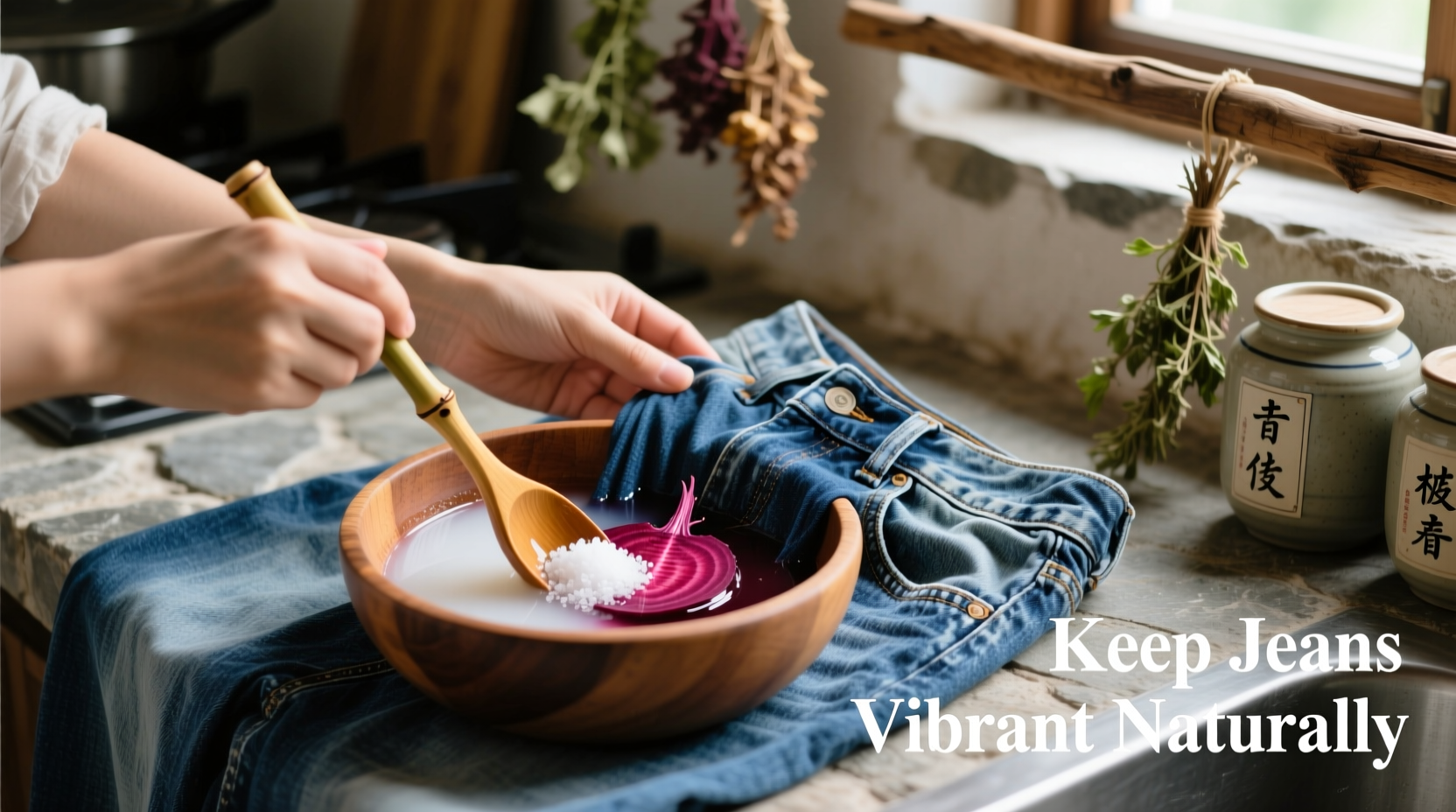
Denim is typically woven from cotton yarns dyed with indigo, a pigment that adheres primarily to the surface of the fibers rather than penetrating deeply. This surface-level binding makes indigo prone to gradual release during wear and cleaning. Unlike reactive dyes used in modern fabrics, indigo doesn’t form covalent bonds with cellulose, meaning each wash dislodges more pigment particles.
Three primary factors drive fading:
- Mechanical abrasion: Agitation in the washing machine rubs fibers together, loosening dye.
- Water temperature: Hot water opens up cotton fibers, allowing dye to escape more easily.
- pH imbalance: Alkaline detergents disrupt the molecular stability of indigo, accelerating oxidation and washout.
Understanding these mechanisms allows for targeted interventions. Natural methods focus on minimizing stressors while enhancing fabric resilience using plant-based compounds and passive techniques.
Natural Washing Techniques That Work
Switching to natural laundry practices doesn't mean sacrificing cleanliness. It means rethinking what \"clean\" looks like for denim. Jeans don’t need frequent washing; spot-cleaning and airing out between wears can maintain freshness without stripping color.
1. Cold Water Wash with Vinegar
Vinegar (acetic acid) helps stabilize the pH of the wash environment, preventing alkaline degradation of indigo. Its mild acidity also acts as a natural fabric softener and odor neutralizer.
- Fill a basin with cold water.
- Add ½ cup of raw, unfiltered apple cider vinegar or white vinegar.
- Submerge jeans inside out and soak for 30–45 minutes.
- Rinse thoroughly with cold water—no scrubbing needed.
- Hang dry away from direct sunlight.
This method should be used every 3–5 wears, depending on usage. Avoid combining vinegar with baking soda in the same cycle, as they neutralize each other chemically.
2. Baking Soda for Odor Control
Sodium bicarbonate is an excellent deodorizer that lifts organic residues without affecting dye integrity. Use it selectively when jeans develop body odor but aren’t visibly soiled.
Mix ¼ cup of baking soda into a cold water soak, agitate gently, then rinse. Do not use baking soda frequently—it can raise pH if overused, which may contribute to long-term fading.
3. Hand-Washing with Castile Soap
For deeper cleans, use a small amount of plant-based Castile soap diluted in cold water. Choose unscented varieties to avoid potential allergens or additives that could react with dyes.
Soak jeans for 20 minutes, swish gently, then drain and rinse twice. Never wring or twist denim; instead, press out excess water between towels before hanging.
| Natural Agent | Benefit | Frequency |
|---|---|---|
| Vinegar | Color fixative, pH balancer | Every 3–5 washes |
| Baking Soda | Odor removal, mild cleaning | As needed, max once monthly |
| Castile Soap | Cleans without synthetics | Every 6–8 wears |
Proper Drying and Storage Practices
Drying is where many people unknowingly damage their jeans. Tumble drying generates heat and friction, two of the biggest enemies of indigo retention. Sunlight, while natural, contains UV radiation that bleaches dye over time.
The optimal drying method is air-drying in a shaded, well-ventilated area. Hang jeans by the hem (not the waistband) to prevent stretching. If creases form, smooth them manually while damp.
When storing jeans, fold them neatly or hang them on wide wooden hangers to maintain shape. Avoid plastic bags or vacuum-sealed containers, which trap moisture and encourage mildew. Cedar blocks can be placed nearby to deter moths naturally.
“Denim longevity isn’t just about washing less—it’s about creating a low-stress environment throughout its lifecycle.” — Dr. Lena Torres, Textile Conservation Scientist, University of Edinburgh
Real-Life Example: A Year-Long Denim Care Experiment
In 2022, sustainable fashion blogger Maya Chen conducted a personal trial with two identical pairs of raw selvedge jeans. One pair followed conventional care: machine-washed weekly in warm water with standard detergent and tumble-dried. The other was washed only when visibly dirty, using cold vinegar soaks, hand-rinsed, and line-dried in shade.
After 12 months, the contrast was striking. The conventionally cleaned pair showed significant fading at the knees, thighs, and seat, with fraying along stress points. The naturally cared pair retained deep indigo tones and showed only subtle whiskering—a sign of authentic wear rather than deterioration.
Maya noted that the second pair felt stiffer initially but softened gradually with wear. She concluded that infrequent, gentle cleaning preserved not just appearance but structural durability. Her experience underscores that fading isn’t inevitable—it’s often a result of improper maintenance.
DIY Color-Setting Spray Using Natural Ingredients
A simple homemade spray can reinforce dye adherence between washes. This solution uses salt and vinegar, both known for their ability to set natural dyes in textiles.
Recipe: Natural Denim Fixative Spray
- Mix 1 cup of distilled water with 2 tablespoons of sea salt and 2 tablespoons of white vinegar.
- Pour into a clean spray bottle.
- Lightly mist the outer surface of your jeans after wearing, focusing on high-friction zones (knees, pockets, thighs).
- Allow to air dry completely before storing.
Use this spray once every 1–2 weeks, or after heavy sweating. Do not oversaturate; excessive moisture weakens cotton over time. This method mimics industrial dye-fixing processes using non-toxic components.
Note: Test on an inconspicuous seam first to ensure no spotting or discoloration occurs, especially on dark or black denim.
Checklist: Natural Denim Care Routine
Follow this checklist to maintain your jeans’ color and quality over time:
- ✅ Wear jeans at least 3–5 times before washing (unless soiled)
- ✅ Turn jeans inside out before any cleaning
- ✅ Use only cold water for soaking or rinsing
- ✅ Soak in vinegar solution every few washes
- ✅ Air-dry flat or hung in indirect light
- ✅ Store folded or on broad hangers
- ✅ Spot-clean stains with diluted Castile soap
- ✅ Refresh odors with freezing or lavender spritz
- ✅ Avoid fabric softeners and bleach alternatives
- ✅ Limit full washes to once every 1–2 months
Common Myths About Denim Care Debunked
Several widely believed practices actually harm denim longevity. Here’s what not to do—and why:
| Myth | Reality |
|---|---|
| You must never wash raw denim. | Unwashed denim accumulates oils and bacteria, leading to fiber breakdown and hygiene issues. Occasional gentle washing is beneficial. |
| Washing in hot water sanitizes better. | Hot water damages cotton and fades dye. Cold water with vinegar effectively removes microbes without thermal stress. |
| Putting jeans in the freezer kills all germs. | Freezing reduces bacterial growth but doesn’t eliminate spores. It’s a temporary refresh, not a substitute for cleaning. |
| Vinegar will make clothes smell sour. | The vinegar scent dissipates completely upon drying. No residual odor remains if rinsed properly. |
Frequently Asked Questions
Can I use lemon juice instead of vinegar?
Lemon juice is highly acidic and contains citric acid, which can act as a natural bleach when exposed to sunlight. While it has antimicrobial properties, it poses a risk of uneven fading or yellowing, especially on dark denim. Stick to vinegar for safer results.
How do I remove sweat stains naturally?
Create a paste of baking soda and a little water. Apply directly to the stain, let sit for 15 minutes, then gently scrub with a soft brush under cold running water. Follow with a vinegar rinse to restore pH balance.
Do natural methods work on pre-washed or stretch denim?
Yes, though results vary. Pre-washed jeans have already undergone fading, so the goal shifts to preventing further deterioration. Stretch denim (containing elastane) benefits even more from gentle care, as synthetic fibers degrade faster under heat and friction.
Final Thoughts: Building a Sustainable Denim Habit
Caring for jeans naturally isn’t just about preserving appearance—it’s a commitment to sustainability, resource conservation, and mindful consumption. Every garment saved from early disposal reduces textile waste and the demand for new production, which carries a heavy environmental cost.
By embracing slower, gentler routines, you cultivate a deeper relationship with your clothing. You begin to see wear not as damage but as character—a unique imprint of your lifestyle etched into the fabric. Over time, well-maintained denim develops a personalized patina that mass-produced, rapidly fading jeans can never replicate.




 浙公网安备
33010002000092号
浙公网安备
33010002000092号 浙B2-20120091-4
Comments
No comments yet. Why don't you start the discussion?