
Lettuce is a staple in kitchens around the world—used in salads, sandwiches, wraps, and more. Yet few vegetables are as frustratingly perishable. Within days of purchase, crisp romaine turns limp, buttery Bibb wilts, and even vacuum-sealed bags lose their crunch. But it doesn’t have to be this way. With proper handling and storage, fresh lettuce can remain crisp and vibrant for up to three or four weeks. The secret lies not in luck, but in understanding the biology of freshness and applying practical, tested methods.
This guide breaks down the exact steps to preserve lettuce quality long-term, drawing from food science, professional kitchen practices, and real-world testing. Whether you're meal-prepping for the week or stocking up at the farmers' market, these strategies will minimize waste and maximize flavor.
The Science Behind Lettuce Wilt
Lettuce wilts primarily due to moisture loss and ethylene exposure. Composed of about 95% water, lettuce leaves begin to dehydrate as soon as they’re harvested. In the refrigerator, cold air accelerates moisture evaporation unless properly managed. Additionally, ethylene gas—a natural plant hormone released by ripening fruits like apples, bananas, and tomatoes—triggers aging in leafy greens, causing browning and softening.
Temperature also plays a critical role. Lettuce thrives between 32°F and 36°F (0°C to 2°C). Above this range, decay speeds up; below it, ice crystals form inside cells, rupturing tissue and leading to mushiness upon thawing.
“Proper storage isn’t just about keeping lettuce cold—it’s about maintaining humidity and minimizing exposure to spoilage triggers.” — Dr. Lena Torres, Postharvest Physiologist, UC Davis Food Science Department
To extend shelf life, your goal must be threefold: retain moisture, block ethylene, and maintain stable temperature.
Step-by-Step Guide to Long-Term Lettuce Storage
Follow this detailed process to transform how you store lettuce. These steps apply to both whole heads and loose leaf varieties.
- Inspect and Trim Immediately
As soon as you bring lettuce home, remove any damaged, slimy, or yellowing outer leaves. Cut off the stem end slightly to open the base, which helps absorb water if rehydrating. - Wash Only If Necessary
Unless visibly dirty, avoid washing pre-cut or bagged lettuce before storage. Excess moisture encourages microbial growth. For whole heads, rinse gently under cool running water, then dry thoroughly using a salad spinner or clean towel. - Dry Completely
This step is non-negotiable. Any residual moisture becomes a breeding ground for bacteria and mold. Spin or pat leaves dry until no dampness remains. Even slightly wet lettuce will degrade faster. - Wrap in Paper Towels
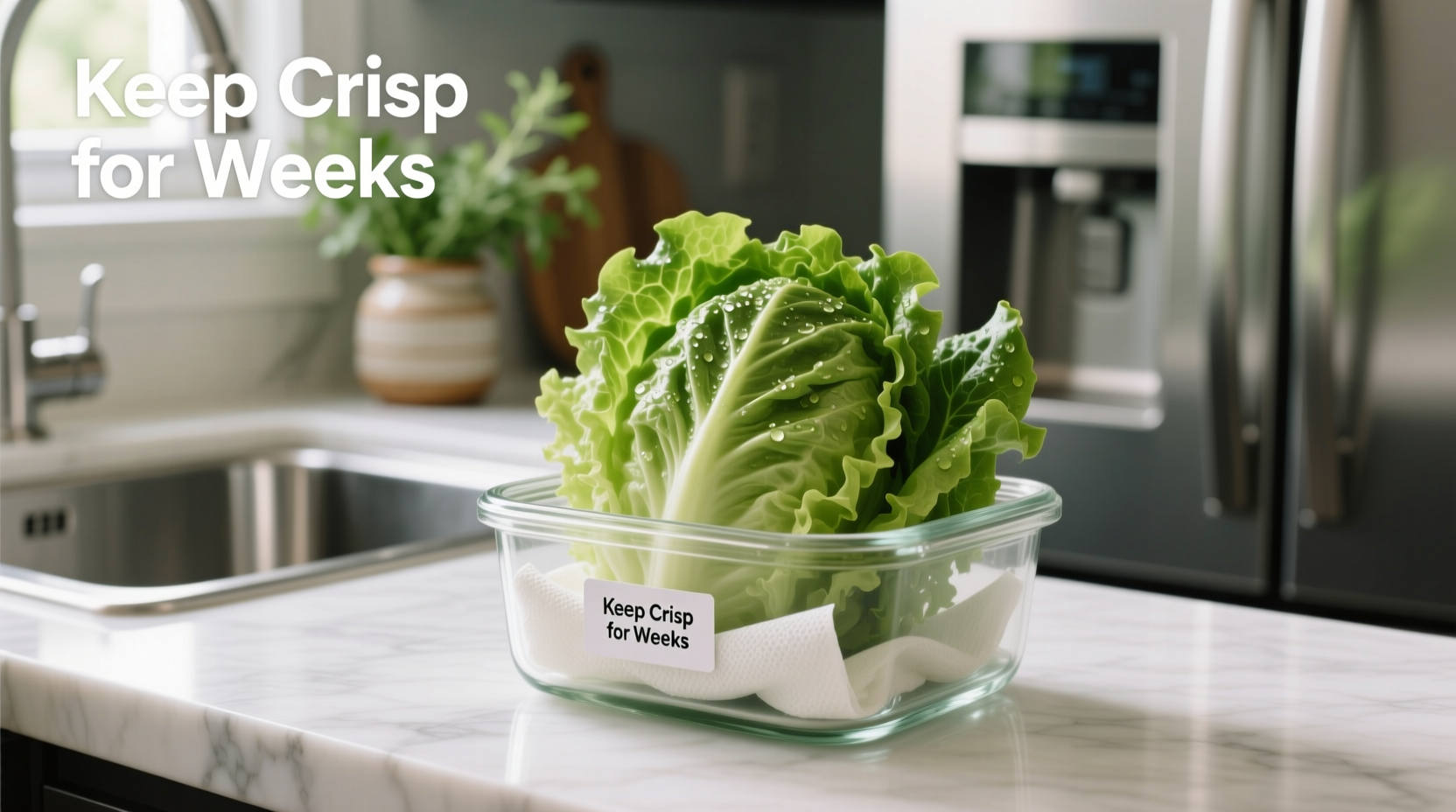
Line a large bowl or container with two layers of paper towels. Place the dried lettuce on top, then cover with another 1–2 layers. The paper absorbs excess moisture while maintaining high humidity—an ideal microclimate for greens. - Use an Airtight Container
Transfer the layered lettuce and towels into a rigid, sealable container. Glass or BPA-free plastic works best. Avoid flimsy bags that crush leaves or allow airflow. - Store in the Crisper Drawer
Place the container in the high-humidity crisper drawer of your refrigerator. Set the humidity vent to “closed” to trap moisture. Keep away from ethylene-producing fruits. - Refresh Weekly (Optional)
After 7–10 days, check the condition. Replace soggy paper towels with fresh ones. If leaves appear slightly limp, revive them by soaking in ice water for 10–15 minutes, then re-dry and re-wrap.
Storage Methods Compared: What Works Best?
Not all storage techniques are equal. Below is a comparison of common approaches based on average shelf life, ease of use, and reliability.
| Method | Shelf Life | Pros | Cons |
|---|---|---|---|
| Original Plastic Bag | 3–5 days | Convenient, no prep needed | Poor airflow, traps moisture, promotes rot |
| Loose in Crisper | 4–6 days | Simple | No protection from drying or bruising |
| Ziplock Bag with Paper Towel | 10–14 days | Affordable, effective moisture control | Leaves may get crushed; less visibility |
| Airtight Container + Paper Towels | 3–4 weeks | Superior protection, easy access, reusable | Requires upfront effort and space |
| Vacuum-Sealed | Up to 5 weeks | Longest preservation, prevents oxidation | Expensive equipment needed; risk of crushing delicate leaves |
The clear winner for most households is the airtight container method. It balances longevity, cost, and accessibility without requiring specialized gear.
Real Example: A Home Kitchen Test Over 28 Days
Sarah, a meal-prep enthusiast from Portland, OR, conducted a side-by-side experiment with two heads of romaine lettuce purchased on the same day. One was stored in its original packaging in the crisper drawer. The other was washed, dried, wrapped in paper towels, and placed in a glass container with a locking lid.
Day 7: The packaged lettuce showed early signs of browning at the base. The container-stored lettuce remained crisp and bright green.
Day 14: The original bag had developed slime and a sour odor—discarded immediately. The second head required new paper towels but was still usable in salads.
Day 21: After a quick ice bath revival, the container lettuce regained full turgor and was used in tacos and grain bowls.
Day 28: Though starting to soften at the edges, the core leaves were still fresh enough for cooking in soups and stir-fries.
Sarah reduced her lettuce waste by 75% over two months and saved approximately $36 in grocery costs—proof that small changes yield significant results.
Checklist: How to Store Lettuce for Maximum Freshness
Print or save this checklist for your next grocery trip:
- ☑ Buy firm, vibrant lettuce with no brown spots
- ☑ Remove damaged outer leaves immediately
- ☑ Wash only if soiled, then spin or pat completely dry
- ☑ Line container with 2 layers of paper towel
- ☑ Add lettuce, then top with additional paper towel
- ☑ Seal in a rigid, airtight container
- ☑ Store in high-humidity crisper drawer
- ☑ Keep away from apples, bananas, and tomatoes
- ☑ Check weekly and replace damp towels
- ☑ Revive limp leaves with ice water soak if needed
Common Mistakes That Ruin Lettuce Fast
Even with good intentions, everyday habits can sabotage your efforts. Avoid these pitfalls:
- Storing Wet Leaves: Moisture accelerates decay. Always dry thoroughly before storing.
- Using Thin Plastic Bags: Grocery bags or produce sleeves don’t regulate humidity and crush easily.
- Leaving It in the Door: The fridge door experiences frequent temperature swings, making it one of the worst places for perishables.
- Mixing with Fruits: Ethylene-sensitive greens should never share space with ripening fruit.
- Skipping Towel Changes: Used paper towels become damp and ineffective. Replace them weekly for optimal performance.
“The single biggest factor in extending lettuce life is moisture management. Get that right, and everything else falls into place.” — Chef Marcus Lin, Executive Chef at Green Haven Café
Frequently Asked Questions
Can I freeze lettuce to make it last longer?
Freezing destroys the cell structure of lettuce, turning it into a limp, watery mess upon thawing. It’s not suitable for salads, though frozen lettuce can be used in cooked dishes like soups or smoothies where texture isn’t important. For long-term raw storage, refrigeration with proper technique is far superior.
Does the type of lettuce affect storage time?
Yes. Denser varieties like romaine and iceberg generally last longer—up to 4 weeks—due to tighter leaf structure and lower surface area. Loose-leaf types such as butter lettuce or arugula are more delicate and typically last 2–3 weeks even with optimal care. Red leaf and green leaf fall in between.
Is it safe to eat lettuce that’s slightly wilted?
Wilting alone isn’t a safety issue—it’s a quality one. If the leaves are merely limp but show no discoloration, slime, or odor, they are safe to eat. Soak in ice water for 10–15 minutes to restore crispness. However, discard any lettuce with brown spots, mushiness, or a sour smell, as these indicate bacterial spoilage.
Conclusion: Turn Perishable Greens Into Long-Lasting Staples
Keeping lettuce crisp for weeks isn’t magic—it’s method. By controlling moisture, blocking ethylene, and using smart containers, you can transform a notoriously fragile vegetable into a reliable kitchen staple. The techniques outlined here require minimal investment but deliver outsized returns: fresher meals, less waste, and savings at the checkout.
Start tonight. Pull out a container, grab some paper towels, and give your next head of lettuce the care it deserves. Once you experience the difference—crisp salads on day 21, sandwich-ready leaves after three weeks—you’ll wonder why you ever accepted limp greens as inevitable.




 浙公网安备
33010002000092号
浙公网安备
33010002000092号 浙B2-20120091-4
Comments
No comments yet. Why don't you start the discussion?