
Minnows are more than just bait—they’re sensitive freshwater fish that require thoughtful handling to survive outside their natural habitat. Whether you're stocking a home aquarium, preparing for a weekend fishing trip, or maintaining live bait for commercial use, keeping minnows alive hinges on replicating stable aquatic conditions. Temperature, oxygen levels, water quality, and stress management all play critical roles. With the right approach, survival rates can improve dramatically, saving time, money, and reducing waste.
Understanding Minnow Biology and Needs
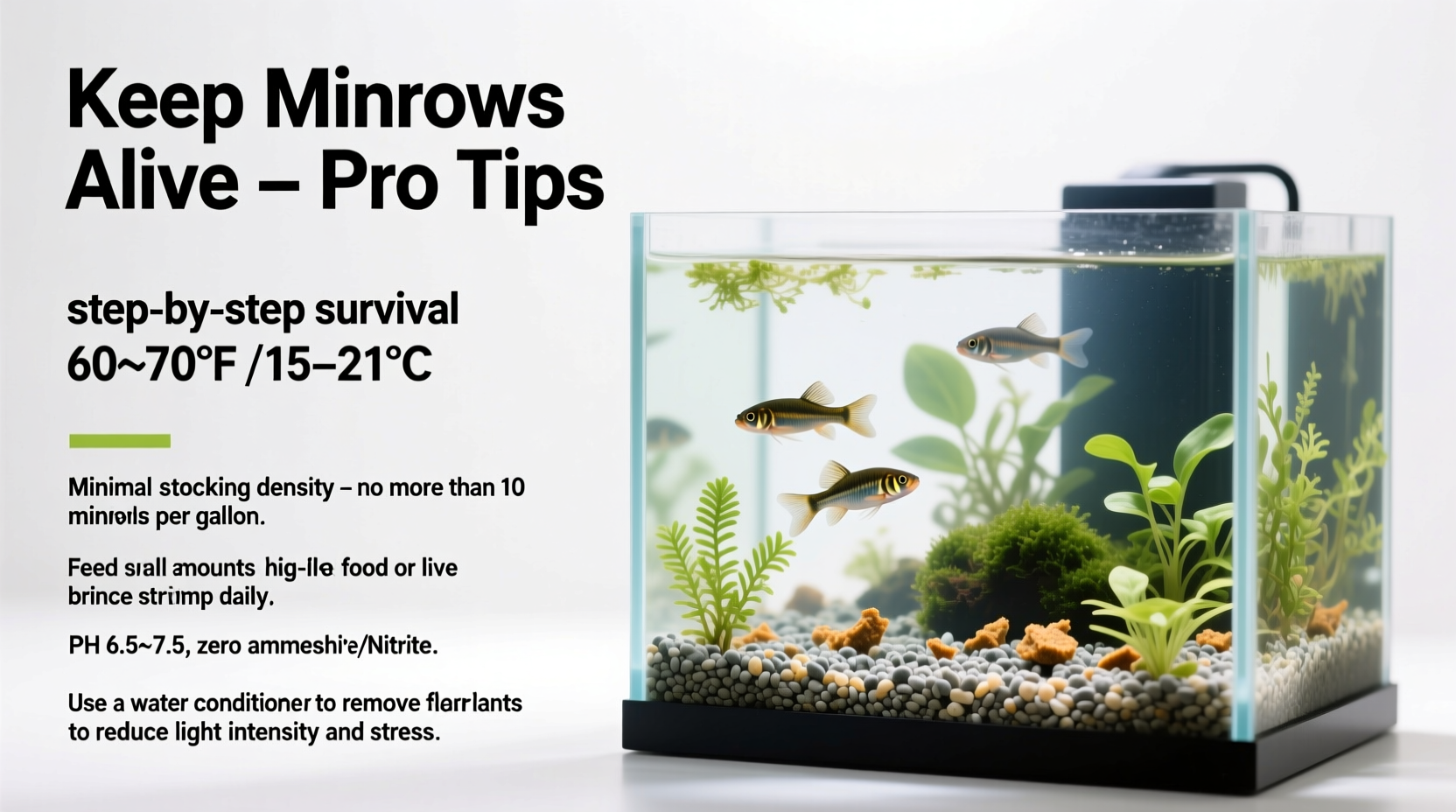
Minnows belong to the Cyprinidae family and include species like fathead minnows, golden shiners, and creek chubs. These small fish thrive in cool, clean, well-oxygenated water. Unlike tropical fish, many minnows prefer temperatures between 50°F and 70°F (10°C–21°C). They are highly sensitive to rapid changes in pH, ammonia, and dissolved oxygen. In the wild, they inhabit streams, ponds, and slow-moving rivers where water flow naturally replenishes oxygen and dilutes waste.
When removed from this environment—especially into buckets, bait tanks, or transport bags—their survival depends entirely on human intervention. Without proper care, minnows can die within hours due to suffocation, shock, or ammonia buildup. The key is not just prolonging life temporarily but creating conditions that support long-term vitality.
“Minnows aren’t disposable items—they’re living creatures with specific physiological needs. Respecting those needs leads to better survival and ethical treatment.” — Dr. Alan Reeves, Aquatic Biologist, University of Wisconsin-Madison
Essential Equipment for Keeping Minnows Alive
Success starts with the right tools. While some anglers rely on simple buckets, investing in proper equipment significantly increases survival odds. Here’s what every minnow keeper should consider:
- Aerated containers: Use a battery-powered air pump with an airstone to maintain oxygen levels. Even short trips benefit from continuous aeration.
- Insulated bait tanks or coolers: These help stabilize temperature fluctuations, especially during summer heat or winter cold.
- Water conditioners: Chlorine and chloramines in tap water are lethal. Always treat water with a dechlorinator before introducing minnows.
- Thermometer: Monitor water temperature closely. Sudden spikes above 75°F (24°C) drastically reduce oxygen availability.
- Net with soft mesh: Prevents scale and fin damage during transfers.
Step-by-Step Guide to Maintaining Healthy Minnows
Follow this timeline-based method to ensure optimal conditions from acquisition to use:
- Preparation (Before Purchase): Fill your container with conditioned water and begin aeration at least 30 minutes prior to adding minnows. Chill water if ambient temperatures are high.
- Transport (Day of Acquisition): Transfer minnows gently using a net. Avoid overcrowding—one gallon of water per 10–15 small minnows is ideal. Keep out of direct sunlight.
- Storage (First 6–24 Hours): Maintain aeration continuously. Check temperature every few hours. Do not feed during storage—uneaten food fouls water quickly.
- Water Maintenance (Every 12 Hours): Replace 25% of the water with fresh, dechlorinated, temperature-matched water. This reduces ammonia and replenishes minerals.
- Monitoring (Ongoing): Watch for signs of distress: gasping at the surface, erratic swimming, or clustering near the airstone. These indicate low oxygen or poor water quality.
Do’s and Don’ts of Minnow Care
| Do’s | Don’ts |
|---|---|
| Use an aerator at all times during storage | Leave minnows in un-aerated buckets |
| Keep water temperature between 50°F and 70°F | Expose containers to direct sunlight or car dashboards |
| Perform partial water changes every 12 hours | Pour chlorinated tap water directly into the tank |
| Handle minnows gently with soft nets | Overcrowd the container to “save space” |
| Feed sparingly if storing longer than 24 hours | Feed daily or leave food uneaten overnight |
Real-World Example: A Weekend Fisherman’s Success Story
Tom R., an avid angler from northern Michigan, used to lose over half his minnows by midday on summer fishing trips. After switching from a basic bucket to a 5-gallon insulated cooler equipped with a USB-powered air pump and ice packs, his survival rate jumped to nearly 100%. He pre-chilled the water, avoided feeding, and replaced a third of the water each morning. “I used to think minnows were just going to die anyway,” he said. “But once I treated them like actual fish, everything changed.” His improved system also meant less odor, fewer messes, and more active bait—leading to better catches.
Advanced Tips for Long-Term Minnow Health
For those keeping minnows beyond 24 hours—such as hobbyists or bait shop operators—additional strategies enhance longevity:
- Use live plants: Elodea or hornwort absorb ammonia and release oxygen through photosynthesis.
- Add beneficial bacteria: Products like bio-filter starters help break down waste naturally, mimicking aquarium ecosystems.
- Darken the container: Cover tanks with a towel or lid to reduce light exposure, which minimizes stress and algal growth.
- Avoid mixing species: Different minnow types may carry diseases or exhibit aggressive behavior under stress.
- Monitor pH: Ideal range is 6.5–8.0. Use test strips if storing for more than two days.
Frequently Asked Questions
How long can minnows live in a bucket?
Without aeration, minnows may survive only 2–4 hours, especially in warm weather. With continuous aeration, cool temperatures, and no overcrowding, they can last 24–48 hours. Beyond that, water quality deteriorates rapidly without filtration.
Can I refrigerate minnows to keep them alive?
No. Refrigerators are too cold and lack oxygen circulation. Temperatures below 45°F (7°C) can induce shock or death. Instead, use ice packs *around* (not inside) a cooler to gently cool the water without freezing it.
Should I feed minnows while storing them?
Avoid feeding unless keeping them for more than two days. If necessary, offer a tiny pinch of crushed flake food once daily. Uneaten food decays quickly, increasing ammonia and lowering oxygen.
Final Checklist for Minnow Care Success
- ☐ Prepare ahead:
- Have clean, dechlorinated water and aeration ready before acquiring minnows.
- ☐ Control temperature:
- Maintain between 50°F and 70°F using shade, insulation, or ice packs.
- ☐ Aerate continuously:
- Use a battery-operated air pump with an airstone.
- ☐ Avoid overcrowding:
- Limited space means limited oxygen and faster waste buildup.
- ☐ Change water regularly:
- Replace 25% every 12 hours to manage toxins.
- ☐ Handle with care:
- Use soft nets and minimize air exposure during transfers.
Conclusion: Treat Minnows Like the Living Fish They Are
Keeping minnows alive isn’t about luck—it’s about applying consistent, informed care. From choosing the right container to managing oxygen and temperature, every decision impacts survival. Whether you're a weekend angler or a long-term keeper, treating minnows with respect not only improves effectiveness but reflects responsible stewardship of aquatic life. Small investments in equipment and attention yield outsized returns in health, performance, and peace of mind.




 浙公网安备
33010002000092号
浙公网安备
33010002000092号 浙B2-20120091-4
Comments
No comments yet. Why don't you start the discussion?