
Peaches are a summer favorite—juicy, fragrant, and packed with natural sweetness. But their delicate nature makes them prone to bruising, overripening, and spoilage if not handled correctly. Whether you’ve picked them up at a farmers market, received a generous gift from a friend’s tree, or bought a large batch on sale, knowing how to store and preserve them properly ensures you enjoy peak flavor and avoid waste. The key lies in understanding ripeness stages, temperature control, and handling techniques that extend freshness without sacrificing quality.
Understanding Peach Ripeness: Know What You’re Working With
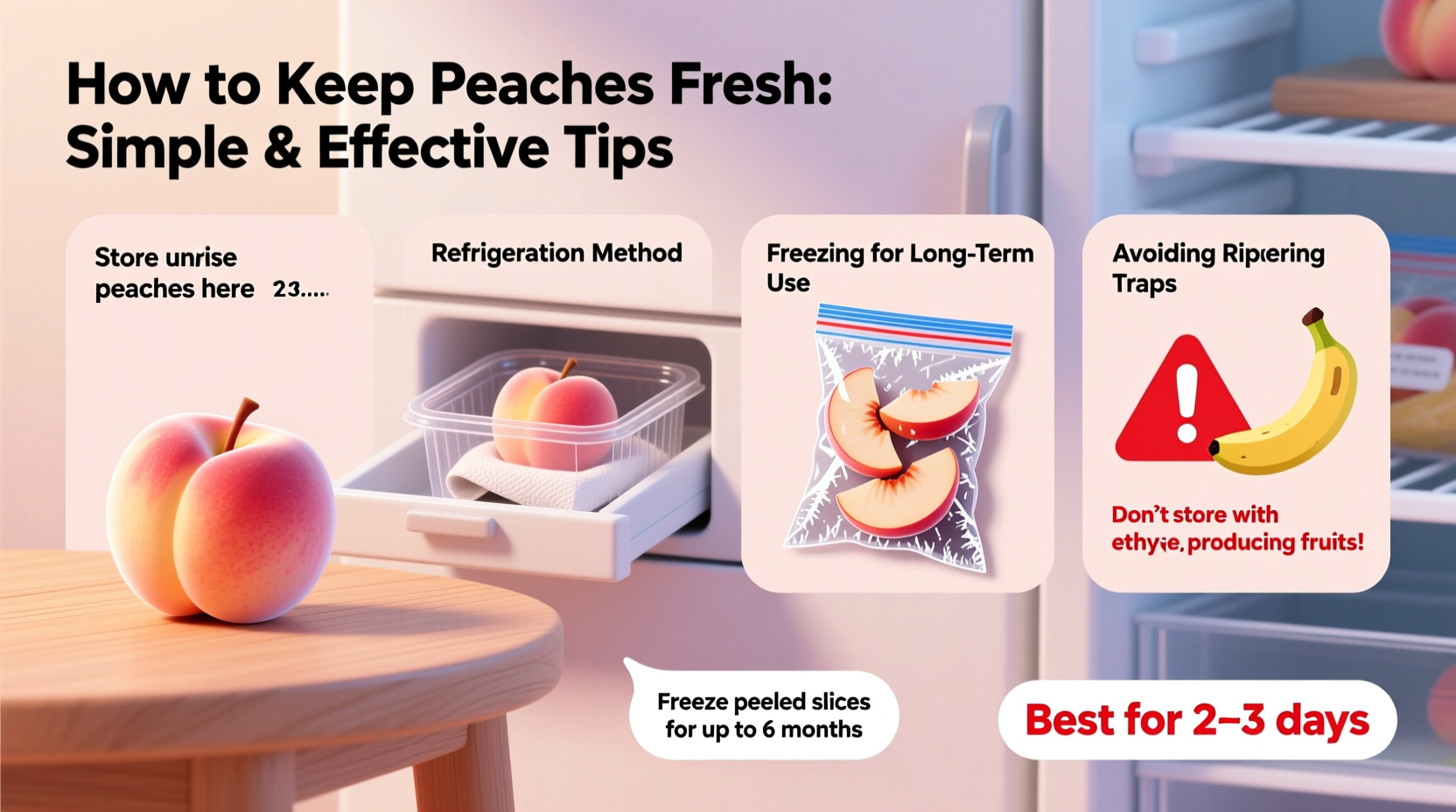
Before storing peaches, assess their current ripeness. This determines whether they need time to ripen or should be refrigerated immediately. A perfectly ripe peach yields slightly to gentle pressure near the stem, emits a sweet floral aroma, and has a deep, uniform color—yellow, orange, or red depending on the variety. Avoid fruit with green patches near the stem, as this indicates underripeness.
Unripe peaches should never go straight into the fridge. Cold temperatures halt the ripening process permanently. Instead, leave them at room temperature on a counter, ideally in a single layer and away from direct sunlight. Placing them in a paper bag can accelerate ripening by trapping ethylene gas, a natural compound that promotes softening and sugar development.
Optimal Storage Methods for Different Stages
Storage needs change based on ripeness. Applying the right method at the right time preserves texture and flavor.
| Ripeness Stage | Best Storage Method | Expected Shelf Life |
|---|---|---|
| Firm (unripe) | Room temperature, out of direct sun | 2–4 days until ripe |
| Ripe but not eaten immediately | Refrigerate in crisper drawer | 3–5 days |
| Overripe or cut | Airtight container in fridge | 1–2 days |
| Excess or seasonal surplus | Freeze or preserve | Up to 12 months (frozen) |
When refrigerating ripe peaches, place them in the crisper drawer—the humidity-controlled environment helps prevent moisture loss. Keep them in a breathable produce bag or loosely wrapped in a paper towel to absorb excess moisture and reduce mold risk.
Step-by-Step Guide to Maximizing Freshness
Follow this practical sequence to get the most out of every peach:
- Inspect upon purchase: Choose firm, unblemished peaches with no signs of bruising or leaking juice.
- Leave unripe fruit on the counter: Store stem-side down to minimize bruising and allow even ripening.
- Check daily: Gently press near the stem; when it gives slightly, it’s ready to eat or refrigerate.
- Refrigerate only when ripe: Cold slows decay and maintains juiciness.
- Wash just before eating: Moisture encourages mold, so delay washing until consumption.
- Store cut peaches properly: Place in an airtight container with a paper towel to absorb moisture.
“Peaches are climacteric fruits—they continue ripening after harvest, but only if kept at room temperature. Once chilled, they won’t soften further.” — Dr. Linda Harper, Postharvest Horticulturist, University of California Cooperative Extension
Common Mistakes That Shorten Peach Life
Even well-intentioned efforts can backfire. These common errors compromise freshness:
- Refrigerating too early: Halts ripening and results in mealy, bland fruit.
- Storing in sealed plastic bags at room temperature: Traps moisture and accelerates rot.
- Washing before storage: Surface moisture promotes mold growth, especially in warm environments.
- Piling peaches in a bowl: Pressure from stacking causes bruising and internal breakdown.
- Leaving cut fruit uncovered: Exposure to air leads to browning and bacterial growth.
Preserving Excess: Freezing and Simple Preservation
When you have more peaches than you can eat in a week, freezing is the simplest long-term solution. It preserves flavor and texture better than most other methods.
To freeze peaches:
- Wash and peel (optional—peeling prevents texture changes in some recipes).
- Slice and remove pits.
- Toss with 1 tablespoon lemon juice per quart of slices to prevent browning.
- Lay flat on a parchment-lined baking sheet and freeze for 2–3 hours (flash freezing prevents clumping).
- Transfer to labeled freezer bags or airtight containers, removing as much air as possible.
Frozen peaches work beautifully in smoothies, cobblers, jams, and sauces. For shorter-term preservation, consider making a quick compote: simmer peeled, chopped peaches with a bit of sugar and lemon juice for 10–15 minutes, then store in sterilized jars in the fridge for up to two weeks.
Mini Case Study: The Farmers Market Windfall
Sarah bought eight pounds of white peaches from her local farmers market, excited by their fragrance and price. She stored them all in the refrigerator immediately, assuming cold would keep them fresher longer. By day three, half remained rock-hard, while two had developed dark, mushy spots. After consulting a produce guide, she learned her mistake: unripe peaches shouldn’t be chilled. She brought the firm ones to room temperature, placed them in a paper bag, and within 48 hours, they softened perfectly. She refrigerated the ripe ones and froze the rest in batches. The next week, she enjoyed peach smoothies and a homemade cobbler—zero waste, maximum flavor.
Frequently Asked Questions
Can I store peaches with other fruits?
Yes, but strategically. Keep unripe peaches with ethylene-producing fruits like apples, bananas, or tomatoes to speed ripening. However, once ripe, separate them from strong ethylene emitters to prevent overripening. Never store ripe peaches next to onions or garlic—absorbed odors can affect flavor.
Why do my peaches turn brown inside?
Browning can result from chilling injury (storing too cold before full ripeness), excessive moisture, or enzymatic oxidation after cutting. To prevent it, avoid premature refrigeration, don’t wash until use, and apply citrus juice to exposed flesh.
How can I tell if a peach has gone bad?
Signs include an overly soft or mushy texture, dark sunken spots, visible mold, a sour or fermented smell, or liquid oozing from the skin. When in doubt, discard it—especially if mold is present, as it can penetrate deeper than visible.
Final Tips Checklist
- ✅ Do:
- • Leave unripe peaches at room temperature
- • Use paper bags to speed ripening
- • Refrigerate only when fully ripe
- • Wash peaches right before eating
- • Freeze surplus fruit for later use
- ❌ Don’t:
- • Refrigerate hard peaches
- • Store in sealed plastic on the counter
- • Stack peaches in deep bowls
- • Cut peaches far in advance without acid treatment
- • Ignore signs of mold or fermentation
Make the Most of Peach Season
Peaches deserve thoughtful care from purchase to plate. With the right handling, their short season doesn’t have to mean short enjoyment. From optimizing ripening to smart refrigeration and easy preservation, these strategies ensure you savor every drop of summer sweetness. Whether you're feeding a family, meal prepping, or simply treating yourself, applying these tips transforms fleeting freshness into lasting satisfaction.




 浙公网安备
33010002000092号
浙公网安备
33010002000092号 浙B2-20120091-4
Comments
No comments yet. Why don't you start the discussion?