
Summer brings long days, bright skies, and the constant need for reliable sun protection. But for many, one frustrating issue undermines the experience: sunglasses that slip down the nose. Whether you're hiking, cycling, or simply walking through a farmer's market, having to constantly push your shades back into place is more than annoying—it can be unsafe. The combination of sweat, high temperatures, and facial oils softens grip, making even premium frames prone to sliding. Fortunately, this common problem has multiple effective solutions. From adjusting fit and using accessories to selecting the right frame materials, there are proven strategies to keep your sunglasses securely in place—all without compromising comfort or style.
Understanding Why Sunglasses Slide in Summer
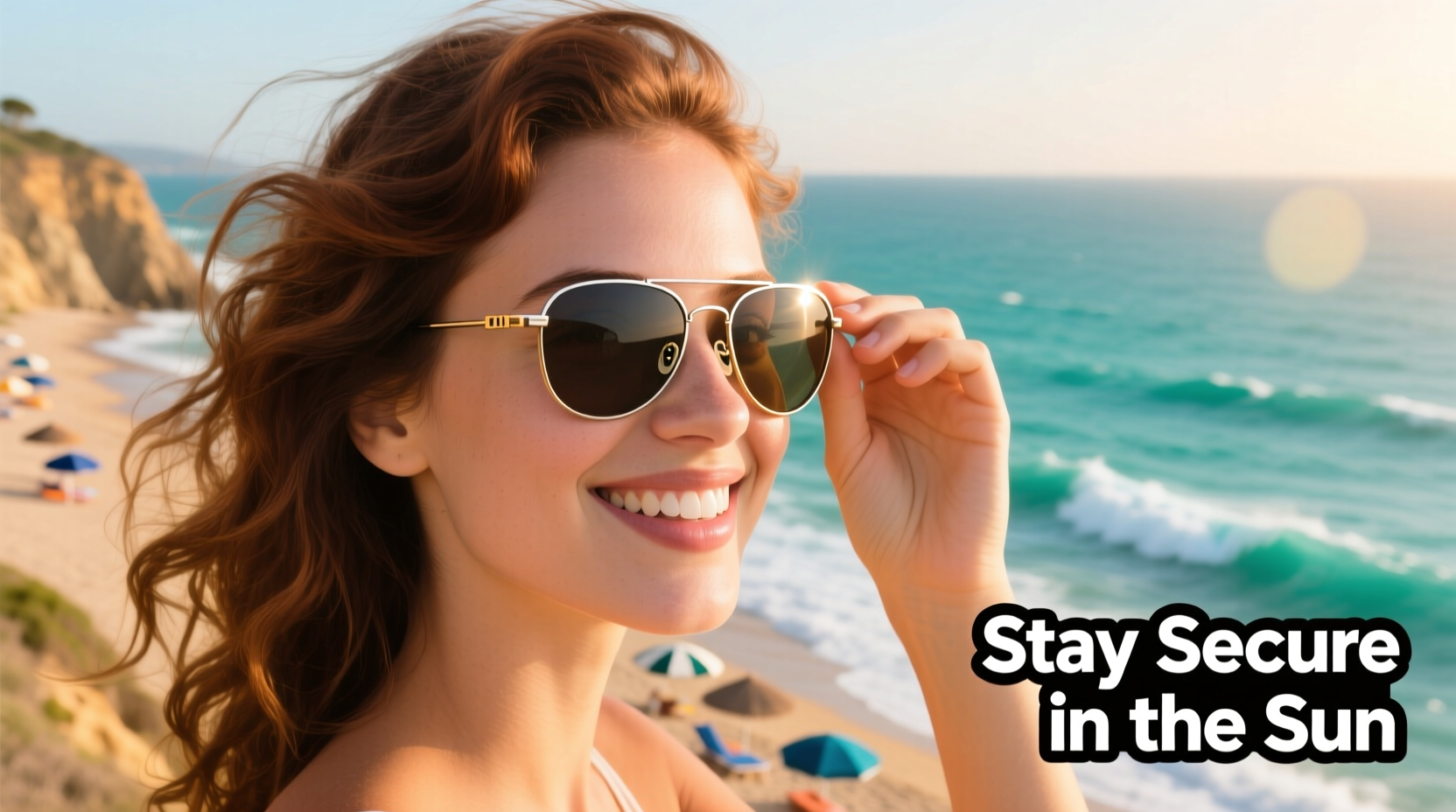
The root cause of slipping sunglasses lies in the interaction between three factors: frame design, facial anatomy, and environmental conditions. In summer, rising temperatures increase perspiration, particularly on the forehead and bridge of the nose. Sweat acts as a lubricant, reducing friction between the nose pads and skin. At the same time, oily skin—common in hot weather—further diminishes grip. Even well-fitted glasses can shift under these conditions.
Frame weight and balance also play a crucial role. Heavy lenses or top-heavy designs tilt forward, increasing downward pressure. Conversely, lightweight frames may lack sufficient contact to stay anchored. Nose pad material matters too. Silicone offers better traction than plastic or metal, especially when damp. Additionally, face shape influences stability. People with low nose bridges or narrow nasal bones often struggle with standard frames that aren’t designed for their anatomy.
“During peak summer months, up to 68% of eyewear complaints involve slippage due to sweat and poor frame-to-face contact.” — Dr. Lena Torres, Optometry & Vision Ergonomics Research Group, University of California
Adjusting Your Frame Fit for Maximum Stability
One of the most overlooked fixes is proper frame adjustment. Many people wear sunglasses that were never customized to their face shape. A few simple tweaks can dramatically improve hold. Most optical shops offer free adjustments—even if you didn’t purchase the glasses there.
Start by examining the temple arms (the parts that go over your ears). If they’re too loose, the frame won’t maintain tension behind the head, allowing it to slide forward. Gently bending the ends of the temples inward increases grip without discomfort. Be cautious not to over-tighten, which can cause headaches or ear pain.
The nose pads themselves are critical. For adjustable models, repositioning them closer together or angling them slightly inward improves contact with the nasal bridge. Frames with fixed pads rely on frame curvature, so look for wraparound styles that contour naturally to your face.
Step-by-Step Guide: Adjusting Temple Arms at Home
- Hold the sunglass frame by the front, ensuring symmetry.
- Warm the temple arms near the hinge using a hairdryer on low heat for 15–20 seconds. This makes plastic more pliable.
- Gently bend the ends of the arms inward slightly—about 5 to 10 degrees.
- Let the frame cool for 30 seconds before testing the fit.
- Repeat if necessary until the glasses stay firmly but comfortably in place.
Note: Metal frames require extra care. Over-bending can weaken the structure. When in doubt, seek professional help.
Choosing the Right Frame Design and Materials
Not all sunglasses are created equal when it comes to staying put. Selecting the right model from the start can eliminate slippage issues altogether. Prioritize features that enhance grip and balance.
Wraparound frames are among the most secure. Their curved design hugs the face, distributing weight evenly and minimizing forward tilt. Sport-specific models often include rubberized nose pads and temple grips engineered for movement and moisture resistance.
Material choice directly impacts performance. Acetate frames tend to be heavier but offer excellent adjustability. TR-90 nylon, commonly used in athletic eyewear, is ultra-lightweight, flexible, and resistant to temperature changes—ideal for sweaty conditions. Look for integrated silicone components: rubber nose bumps, temple tips, or full grip coatings.
| Frame Type | Slip Resistance | Best For | Limitations |
|---|---|---|---|
| Wraparound Sport | High | Running, cycling, beach activities | Less stylish for casual wear |
| Plastic (Acetate) | Moderate | Daily use, fashion-focused settings | Can become slippery when sweaty |
| Metal with Silicone Pads | Good | Office-to-outdoor transitions | Pads may degrade over time |
| TR-90 Flexible Nylon | Very High | Active lifestyles, humid climates | Limited designer options |
If you have a flatter nasal bridge, consider frames labeled “low-nose” or “Asian-fit,” which are specifically designed with shorter, wider nose pads to prevent gap-induced slippage.
Practical Accessories and Add-Ons That Work
Sometimes, even the best-fitting frames need a little extra help. Fortunately, several affordable accessories are designed to solve exactly this problem.
Sunglass retainers, also known as straps or cords, connect the two temple ends behind your head. Available in elastic, silicone, or fabric, they provide continuous rear tension that counteracts forward slide. Popular among runners and water sports enthusiasts, they come in discreet, low-profile versions suitable for everyday wear.
Nose pad enhancers are tiny silicone sleeves that slip over existing nose pads. They add grip without altering appearance. Brands like ZISS and Gripz offer universal fits that last for months. Alternatively, double-sided adhesive strips made from medical-grade silicone can be applied directly to the bridge of the frame.
For those who wear helmets or hats frequently, magnetic or clip-on retention systems integrate with headgear to lock sunglasses in position. Cyclists often use these during long rides where vibration and wind exacerbate movement.
Mini Case Study: Marina’s Beach Wedding Photography Gig
Marina, a freelance photographer based in Miami, was hired to shoot an outdoor beach wedding in July. With direct sun all day and high humidity, her favorite polarized sunglasses kept slipping every time she raised her camera. Midway through the ceremony, she missed a key moment while adjusting her frames.
Afterward, she invested in a pair of sport-style wraparounds with hydrophobic coating and silicone temple grips. She also added a clear elastic retainer. At her next seaside event, the glasses stayed perfectly positioned—even during rapid movements and extended shooting sessions. “It’s not just about comfort,” she said. “When you’re capturing once-in-a-lifetime moments, gear reliability is part of professionalism.”
Behavioral and Environmental Tips for All-Day Wear
Beyond hardware fixes, small behavioral adjustments can make a big difference. How and when you wear your sunglasses affects their stability.
Avoid touching the nose pads with dirty or oily hands. Sunscreen, moisturizer, and makeup residue reduce surface friction. Apply facial products first, let them absorb fully, then put on your glasses. If you reapply sunscreen midday, wipe the bridge of your nose gently before replacing your shades.
Position matters. Wearing sunglasses too low on the nose reduces contact area and creates imbalance. Instead, rest them high enough so the nose pads sit flush against the upper bridge, just below the brow line. This maximizes grip and prevents air pockets that encourage sliding.
In extremely humid environments, take short breaks to dry the inside of the nose pads with a microfiber cloth. Sweat buildup weakens adhesion over time. Carrying a compact lens cleaning kit with a drying function can extend wear time significantly.
Checklist: How to Prevent Sunglass Slippage This Summer
- ✅ Get your frames professionally adjusted for your face shape
- ✅ Choose models with rubberized nose pads or silicone inserts
- ✅ Opt for wraparound or sport-style designs if active
- ✅ Use a retainer strap during physical activity or prolonged sun exposure
- ✅ Clean nose pads regularly to remove oil and sweat residue
- ✅ Avoid applying sunscreen or lotion immediately before wearing glasses
- ✅ Store sunglasses in a hard case to preserve frame alignment
Frequently Asked Questions
Can I make my current sunglasses less slippery without buying new ones?
Yes. Start by cleaning the nose pads with rubbing alcohol to remove oils. Then, apply non-toxic, transparent grip pads or use a retainer strap. Adjusting the temple arms for a snugger fit also helps significantly.
Are cheaper sunglasses more likely to slide?
Not necessarily. Price doesn’t always correlate with fit quality. However, budget models often use lower-grade plastics and lack ergonomic features like adjustable nose pads or anti-slip coatings. Invest in functionality over brand names if stability is a priority.
Do nose pads damage your skin over time?
Poorly designed or dirty nose pads can cause irritation, especially in sensitive individuals. Clean them daily with mild soap and water. Replace cracked or hardened pads promptly. Silicone is generally hypoallergenic and gentle on skin.
Final Thoughts: Stay Secure, Stay Stylish
Keeping your sunglasses in place during summer isn’t about luck—it’s about smart choices. From understanding your facial structure to leveraging modern accessories, every detail contributes to a secure, comfortable fit. Whether you're commuting, exercising, or relaxing poolside, properly fitted eyewear enhances both safety and enjoyment. Don’t let slippage distract you from the moments that matter.




 浙公网安备
33010002000092号
浙公网安备
33010002000092号 浙B2-20120091-4
Comments
No comments yet. Why don't you start the discussion?