
A lush, thriving aquarium brings a sense of calm and beauty to any space. But when green, slimy algae overtakes the glass, decor, and plants, that serenity quickly turns into frustration. Many aquarists reach for chemical algaecides as a quick fix—but these can harm fish, invertebrates, and beneficial bacteria if misused. The better approach? Prevent algae from gaining a foothold in the first place using natural, sustainable strategies.
Algae is not inherently bad. In fact, small amounts are normal and even beneficial, providing oxygen and serving as food for some species. The problem arises when imbalances in light, nutrients, or maintenance allow algae to grow unchecked. By understanding what drives algae growth and adjusting your aquarium’s ecosystem accordingly, you can maintain crystal-clear water and vibrant aquatic life—without ever touching a chemical treatment.
Understand What Causes Algae Growth
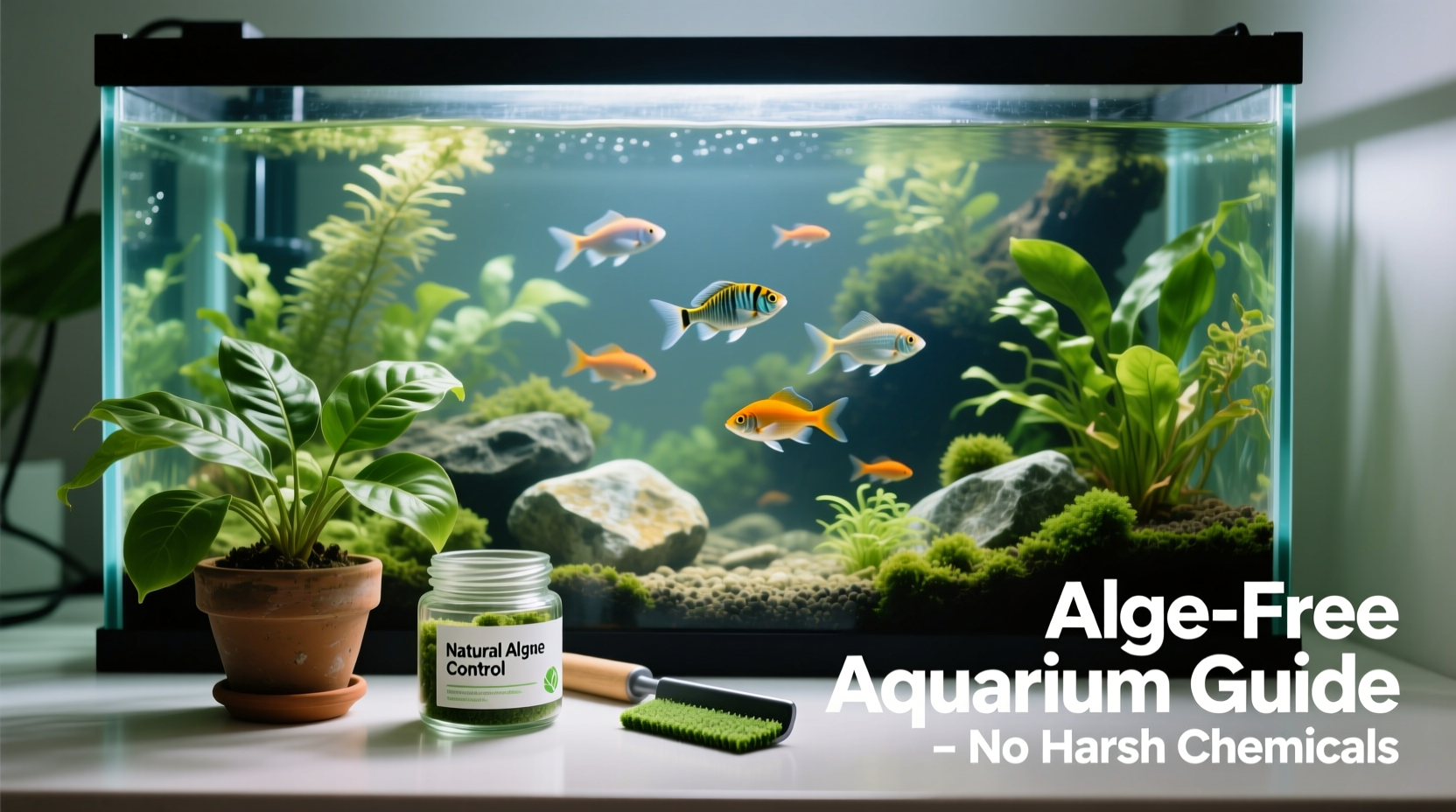
Before tackling algae, it's essential to understand why it appears. Algae thrive on three key elements: light, nutrients (especially nitrates and phosphates), and carbon dioxide. When any one of these is excessive—or when their ratios are out of balance—algae multiply rapidly.
For example, leaving aquarium lights on for 12+ hours a day provides more energy than plants can use, giving algae the upper hand. Similarly, overfeeding fish leads to excess waste, which breaks down into nitrates and phosphates—prime fuel for algae blooms. Even tap water can introduce phosphates if not tested or treated.
The goal isn’t to eliminate these components entirely—they’re necessary for a healthy tank—but to manage them so that desirable plants outcompete algae for resources.
“Algae is a symptom, not the disease. Fix the imbalance, and the algae problem resolves itself.” — Dr. Karen Mitchell, Aquatic Ecosystem Biologist
Optimize Lighting to Starve Algae Naturally
Light is the engine of photosynthesis, and while your live plants need it, so do algae. The trick is to provide enough light for plant health without creating an all-you-can-eat buffet for algae.
Most freshwater planted tanks require only 6–8 hours of light per day. Extending this beyond 10 hours significantly increases the risk of green water and hair algae. Use a simple timer to automate your lighting schedule and ensure consistency—even on busy days.
If you're using standard LED or fluorescent fixtures, consider upgrading to full-spectrum LEDs with adjustable intensity. These allow you to fine-tune brightness based on plant needs. Low-light tanks with hardy plants like Java fern or Anubias may only need 40–50 PAR (Photosynthetically Active Radiation), while high-light tanks with carpeting plants might require 80–100 PAR.
Avoid placing your aquarium in direct sunlight. Sunlight is intense and unbalanced in spectrum, often triggering explosive algae growth. Even indirect sunlight near a window can contribute to daily fluctuations that stress plants and favor algae.
Recommended Lighting Schedule by Tank Type
| Tank Type | Daily Light Duration | Intensity Level |
|---|---|---|
| Low-Light Planted | 6–7 hours | 40–60 PAR |
| Moderate-Light Planted | 7–8 hours | 60–80 PAR |
| High-Light Planted | 8–10 hours | 80–100+ PAR |
| Non-Planted Community | 6–8 hours | 30–50 PAR |
Balancing Nutrients: Feeding Plants, Not Algae
Nutrient management is at the heart of algae prevention. In a balanced tank, fast-growing aquatic plants absorb nitrates and phosphates before algae can exploit them. This concept, known as “nutrient competition,” is one of the most effective natural defenses against algae.
To give your plants the edge, follow these principles:
- Feed plants intentionally: In planted tanks, use root tabs or liquid fertilizers to deliver iron, potassium, and micronutrients directly to vegetation.
- Limit fish food: Overfeeding is the top cause of nutrient overload. Feed only what your fish consume in 2–3 minutes, once or twice daily.
- Test your water: Use affordable test kits to monitor nitrate (ideal: 5–20 ppm) and phosphate (ideal: 0.2–1.0 ppm). High readings signal excess organic load.
- Use phosphate-removing media: If your tap water is high in phosphates, consider adding granular ferric oxide (GFO) to your filter temporarily.
Regular water changes are non-negotiable. A weekly 25–30% water change removes accumulated waste, dilutes nutrients, and replenishes trace elements. It’s one of the simplest yet most powerful tools in algae control.
Mini Case Study: The 20-Gallon Planted Tank Turnaround
Sarah had a 20-gallon planted aquarium plagued by green spot algae on her leaves and glass. Despite scrubbing weekly, it returned aggressively. She was using a basic LED fixture on a 10-hour cycle and feeding her tetras generously each morning.
After testing her water, she found nitrates at 60 ppm and phosphates at 2.5 ppm—far above ideal. She reduced feeding by half, cut her lighting to 7 hours with a timer, and began weekly 30% water changes. Within three weeks, algae growth slowed. After adding liquid fertilizer to boost plant growth, her dwarf sagittaria and hornwort grew vigorously, absorbing excess nutrients. By week six, the tank was nearly algae-free—and stayed that way with consistent care.
Introduce Natural Algae Controllers: The Clean-Up Crew
One of the most enjoyable aspects of algae prevention is enlisting living allies. Certain fish, shrimp, and snails specialize in grazing on various types of algae, acting as miniature janitors for your tank.
Choose species carefully based on your tank size, water parameters, and existing inhabitants. Here are some of the most effective and widely available options:
| Species | Algae Targeted | Tank Size Minimum | Notes |
|---|---|---|---|
| Otocinclus catfish (5–6) | Soft green film, diatoms | 20 gallons | Peaceful; needs supplemental feeding with zucchini or algae wafers |
| Nerite snails (2–3) | Green spot, film, hair algae | 10 gallons | Won’t reproduce in freshwater; excellent glass cleaners |
| Amano shrimp (6–8) | Hair algae, string algae | 15 gallons | Hardy and active; avoid copper-based medications |
| Siamese algae eater (1) | Black beard algae, green fuzz | 30 gallons | Ensure correct species—often confused with flying fox or CAE |
| Mystery snail (1–2) | Film algae, detritus | 10 gallons | Colorful and large; may eat soft plants if underfed |
When introducing a clean-up crew, acclimate them slowly to prevent shock. Float sealed bags for 15–20 minutes, then drip in tank water over another 30 minutes. Avoid overstocking—too many grazers can contribute to waste buildup themselves.
Step-by-Step Guide to Establishing an Algae-Free Routine
Preventing algae isn't about one heroic act—it's about consistent, thoughtful habits. Follow this weekly routine to maintain balance and clarity:
- Day 1 – Water Change & Gravel Vacuum: Remove 25–30% of water using a siphon. Vacuum the substrate to remove uneaten food and waste. Replace with dechlorinated water matched to tank temperature.
- Day 2 – Glass Cleaning: Use a magnetic or manual algae scraper to clean viewing panels. For stubborn green spot algae, gently scrape with a razor blade (only on glass tanks).
- Day 3 – Check Equipment: Inspect filter flow, clean intake tubes if clogged, and verify heater function. Ensure CO₂ (if used) is stable and diffusing properly.
- Day 5 – Plant Maintenance: Trim overgrown stems, remove dead leaves, and replant healthy cuttings. Healthy plants are your best defense.
- Day 7 – Test Water Parameters: Measure pH, ammonia, nitrite, nitrate, and phosphate. Record results to track trends over time.
- Daily: Observe fish behavior, check for early algae signs, and feed sparingly.
This rhythm keeps your tank monitored, cleaned, and biologically balanced—nipping problems in the bud before they escalate.
Common Mistakes That Invite Algae
Even experienced aquarists sometimes make errors that inadvertently promote algae. Watch out for these common pitfalls:
- Inconsistent maintenance: Skipping water changes or cleaning allows nutrients to accumulate silently.
- Overstocking fish: More fish = more waste = more nitrates. Stick to one inch of fish per gallon as a general rule (adjust for species).
- Using old bulbs or degraded LEDs: As lights age, their spectrum shifts, often favoring algae over plants.
- Adding too many plants at once: A sudden influx of decaying plant matter spikes nutrients. Quarantine and rinse new plants thoroughly.
- Ignoring filter maintenance: A clogged filter reduces circulation and biological filtration, leading to dead zones where algae thrive.
FAQ: Common Questions About Chemical-Free Algae Control
Can I use hydrogen peroxide to kill algae?
Yes, but cautiously. A targeted dose of 3% hydrogen peroxide (1–2 ml per gallon) can treat black beard algae when applied directly with a syringe. However, it can harm sensitive invertebrates and plants if overused. It’s better to address root causes than rely on spot treatments.
Will live plants really stop algae?
Yes—when grown densely and healthily. Fast-growing stem plants like Hornwort, Water Wisteria, and Duckweed consume nutrients rapidly, leaving little for algae. The key is providing adequate light, CO₂ (if needed), and fertilization to support plant dominance.
How long does it take to get rid of algae naturally?
With consistent adjustments, visible improvement usually occurs within 2–4 weeks. Complete stabilization may take 6–8 weeks, especially if nutrient levels were very high. Patience and routine are critical.
Final Checklist for a Naturally Algae-Free Aquarium
- Lighting:
- ✓ Limit to 6–8 hours daily | ✓ Use a timer | ✓ Avoid direct sunlight
- Nutrients:
- ✓ Test nitrates and phosphates monthly | ✓ Perform weekly 25–30% water changes | ✓ Feed fish moderately
- Biological Balance:
- ✓ Add fast-growing plants | ✓ Introduce algae-eating species | ✓ Maintain healthy filter bacteria
- Maintenance:
- ✓ Clean glass weekly | ✓ Vacuum substrate | ✓ Trim and prune plants regularly
- Monitoring:
- ✓ Observe daily for changes | ✓ Keep a simple log | ✓ Act early at first signs of bloom
Conclusion: Clarity Through Consistency
An algae-free aquarium isn’t achieved through magic or chemicals—it’s built through mindful stewardship. By aligning light, nutrients, and biology in harmony, you create an environment where desirable life flourishes and algae struggles to gain traction.
Every adjustment you make—shortening the lights, adding a few Nerite snails, staying diligent with water changes—contributes to a resilient, self-regulating ecosystem. Over time, you’ll spend less time scrubbing and more time enjoying the underwater world you’ve nurtured.




 浙公网安备
33010002000092号
浙公网安备
33010002000092号 浙B2-20120091-4
Comments
No comments yet. Why don't you start the discussion?