
Traffic congestion is a near-universal experience in modern life. Whether you're commuting to work, running errands, or navigating unfamiliar roads, delays are inevitable. What separates those who arrive calm from those who arrive furious isn’t luck—it’s preparation, mindset, and practiced self-regulation. Road rage doesn’t just ruin your mood; it can impair judgment, escalate conflicts, and even lead to dangerous outcomes. The good news? You can train yourself to stay composed, even when the highway grinds to a halt.
Staying calm in traffic isn’t about suppressing anger—it’s about redirecting energy, managing expectations, and cultivating habits that support emotional stability. With the right tools, what was once a daily frustration can become an opportunity for mindfulness, reflection, or even personal growth.
Understand the Psychology of Traffic Stress
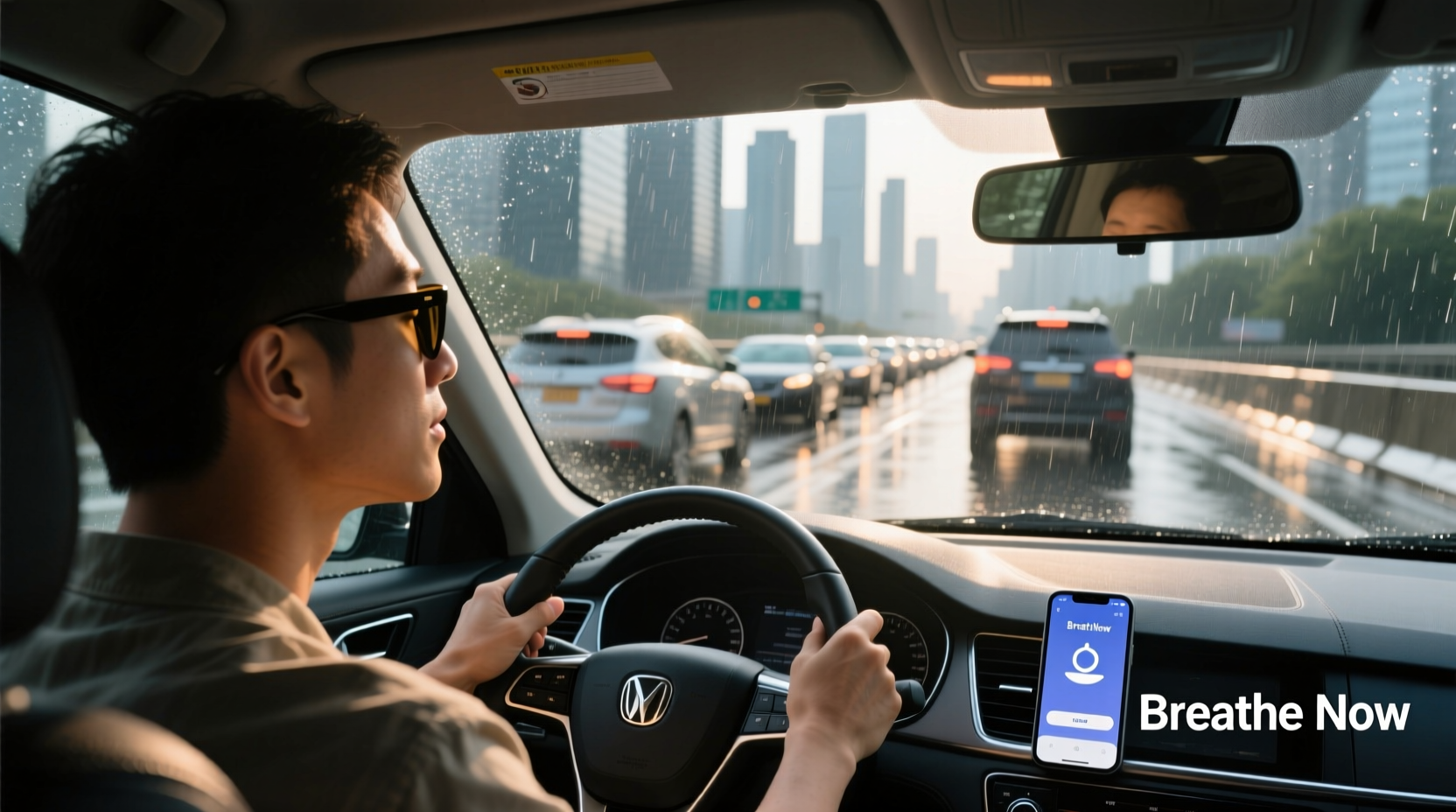
Traffic triggers stress because it violates our sense of control. We expect movement, predictability, and autonomy—yet gridlock strips all three away. According to Dr. Robert Leahy, director of the American Institute for Cognitive Therapy, “Frustration in traffic often stems not from the delay itself, but from the belief that things should be different than they are.” This cognitive dissonance fuels irritation and impatience.
The brain interprets immobility as a threat, activating the sympathetic nervous system—the same pathway responsible for fight-or-flight responses. Heart rate increases, muscles tense, and focus narrows. Without intervention, this biological reaction can spiral into anger, honking, aggressive gestures, or even confrontations.
Recognizing this pattern is the first step toward breaking it. When you feel tension rising, remind yourself: This isn’t an emergency. My body is reacting, but I am in charge of my response.
“Emotional regulation in traffic starts with awareness. The moment you notice your jaw clenching or your grip tightening on the wheel—that’s your signal to intervene.” — Dr. Lena Torres, Clinical Psychologist specializing in behavioral stress management
Immediate Techniques to De-escalate Tension
When traffic halts and emotions flare, having real-time strategies can prevent small frustrations from turning into full-blown outbursts. These techniques are designed to interrupt the stress cycle and restore balance quickly.
Breathing Reset: The 4-7-8 Method
Controlled breathing signals safety to the brain. Try this simple exercise:
- Inhale quietly through your nose for 4 seconds.
- Hold the breath for 7 seconds.
- Exhale slowly through your mouth for 8 seconds.
Repeat 3–5 times. This rhythm slows heart rate, reduces cortisol levels, and clears mental fog.
Sensory Grounding: The 5-4-3-2-1 Exercise
If your mind races with thoughts like “I’m going to be late” or “Why won’t they move?”, grounding brings you back to the present. Name:
- 5 things you can see (e.g., license plate, dashboard light, tree, sky, rearview mirror)
- 4 things you can touch (steering wheel, seat fabric, gear shift, sunglasses)
- 3 things you can hear (engine hum, radio, distant siren)
- 2 things you can smell (coffee, air freshener)
- 1 thing you can taste (gum, mint, water)
This method disrupts rumination and reorients attention to neutral stimuli.
Reframe the Narrative
Instead of thinking, “This traffic is wasting my time,” try: “This is a chance to listen to my audiobook” or “I get five extra minutes to breathe before my meeting.” Cognitive reframing shifts perception from victimhood to agency.
Create a Calm-Driving Environment
Your car environment plays a significant role in emotional regulation. A chaotic cabin amplifies stress; a thoughtfully curated one supports composure.
| Element | Supports Calm Driving | Increases Irritation |
|---|---|---|
| Audio Content | Pleasant music, podcasts, guided meditations | Loud talk radio, aggressive music, silence with intrusive thoughts |
| Temperature | Comfortable, slightly cool | Overheated or stuffy |
| Clutter Level | Minimal, organized space | Loose papers, empty bottles, obstructed view |
| Lighting | Soft interior glow at night | Glare, flickering lights, blinding sun |
Invest in noise-canceling headphones if external sounds (honking, sirens) trigger you. Keep a reusable water bottle and healthy snacks on hand—low blood sugar worsens irritability. Use sunshades or polarized sunglasses to reduce visual strain during peak sunlight.
Long-Term Habits to Prevent Road Rage
While quick fixes help in the moment, lasting change comes from consistent habits. Think of emotional resilience like a muscle—it strengthens with regular training.
Adjust Your Schedule
If possible, shift your commute by 15–30 minutes to avoid peak congestion. Even small timing changes can drastically reduce exposure to stop-and-go traffic. Consider remote work options or flexible hours if your job allows.
Practice Defensive Mindset
Accept that other drivers will make mistakes. Rather than taking it personally (“He cut me off!”), assume benign intent (“Maybe he didn’t see me”). This reduces blame and prevents escalation.
Use Travel Time Purposefully
Turn idle time into productive or restorative time:
- Listen to language lessons or professional development podcasts
- Call a friend or family member you’ve been meaning to catch up with
- Dictate notes, ideas, or journal entries using voice-to-text
- Practice gratitude: Mentally list three things you’re thankful for
Build Emotional Resilience Off the Road
People who manage stress well in daily life tend to handle traffic better. Regular exercise, sufficient sleep, and mindfulness practices like meditation improve baseline emotional regulation. A 2021 study published in the Journal of Applied Psychology found that individuals who meditated regularly reported 37% lower levels of driving-related aggression.
Mini Case Study: From Rage to Routine
James, a 42-year-old project manager in Los Angeles, used to arrive at work seething after his 45-minute commute. He’d curse at other drivers, slam the steering wheel, and carry that tension into meetings. After a near-miss incident where he almost followed another driver aggressively, he decided to change.
He started small: playing classical music instead of news radio, setting his departure time 20 minutes earlier, and practicing box breathing during red lights. Within three weeks, he noticed fewer angry impulses. By week six, he began using commute time to listen to audiobooks on leadership and emotional intelligence.
“I realized I wasn’t mad at traffic—I was stressed about my workload and using the drive as an outlet,” James said. “Once I addressed the root cause, the car became a sanctuary, not a pressure cooker.”
Today, James arrives at the office calmer than when he left home. His colleagues have commented on his improved focus and patience.
Step-by-Step Guide: Building Your Traffic Resilience Plan
Follow this timeline to develop a sustainable approach to staying calm in traffic:
- Week 1: Assess & Observe
Track your emotional reactions during drives. Note when anger arises, what triggered it, and how you responded. Awareness is foundational. - Week 2: Optimize Environment
Clean your car, set up calming audio, adjust seat and mirrors for comfort. Remove clutter that adds subconscious stress. - Week 3: Introduce One Technique
Choose either breathing exercises, grounding, or reframing. Practice it daily, even in light traffic. - Week 4: Expand Utility
Start using traffic time productively—listen to learning content or call someone meaningful. - Ongoing: Reflect & Refine
Monthly, review your progress. Are you reacting less? Feeling more in control? Adjust your strategy as needed.
Checklist: Stay Calm in Traffic
- ✅ Leave earlier to reduce time pressure
- ✅ Set up calming music or podcasts in advance
- ✅ Keep water and a snack in the car
- ✅ Practice deep breathing at red lights or standstills
- ✅ Use sensory grounding if agitation rises
- ✅ Reframe delay as neutral or beneficial time
- ✅ Avoid engaging with aggressive drivers
- ✅ Reflect post-drive: What went well? What could improve?
FAQ
What if someone cuts me off or drives recklessly?
Let go of the need to react. Do not make eye contact, gesture, or tailgate. Focus on your own safety. Remember: their behavior reflects their state, not yours. Responding escalates risk; disengaging preserves peace.
Can listening to certain types of music help?
Yes. Research shows that music with a tempo of 60–80 beats per minute—such as classical, ambient, or acoustic genres—can lower heart rate and reduce anxiety. Avoid high-tempo, aggressive, or lyric-heavy tracks during heavy traffic.
Is it okay to pull over if I feel overwhelmed?
Absolutely. If emotions are spiraling, find a safe place to pull over—rest area, parking lot, or side street. Turn off the engine, close your eyes, and practice slow breathing for 5–10 minutes. It’s not weakness; it’s wisdom.
Conclusion
Traffic isn’t going away. But your relationship with it can transform. Staying calm in congestion isn’t about enduring suffering—it’s about reclaiming agency, protecting your mental health, and modeling emotional maturity. Every red light, every slowdown, is a micro-opportunity to practice presence and patience.
You don’t need to eliminate stress entirely. You just need to respond differently. Start with one technique. Build from there. Over time, you’ll not only avoid road rage—you’ll cultivate a deeper sense of inner stability that extends far beyond the driver’s seat.




 浙公网安备
33010002000092号
浙公网安备
33010002000092号 浙B2-20120091-4
Comments
No comments yet. Why don't you start the discussion?