
The Samsung Galaxy Z Flip is a marvel of modern engineering—sleek, foldable, and designed to turn heads. But with its premium look comes the need for careful protection. While cases are essential for shielding your device from drops and impacts, they themselves are vulnerable to scratches that can dull their appearance over time. A scratched case doesn’t just look unappealing—it can also reduce resale value and compromise long-term durability. The good news? With the right habits and materials, you can keep your Galaxy Z Flip case looking pristine for months, even years.
Understand Your Case Material and Its Vulnerabilities
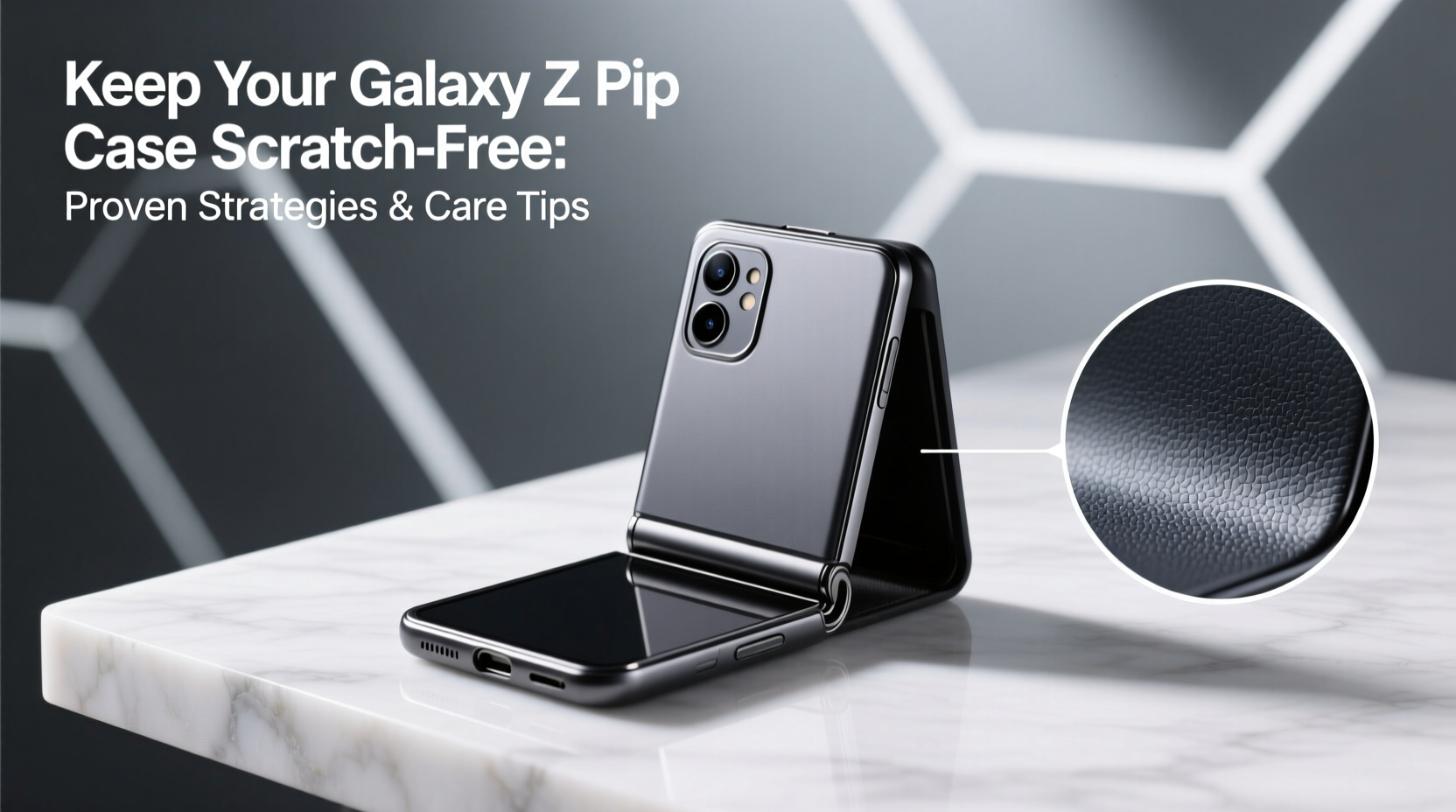
Not all phone cases are created equal. The material of your Galaxy Z Flip case plays a major role in how susceptible it is to scratches. Common materials include:
- Silicone: Soft and flexible, but prone to micro-scratches from keys or rough surfaces.
- TPU (Thermoplastic Polyurethane): Durable and shock-absorbent, though lower-quality TPU may yellow or scratch easily.
- Polycarbonate: Hard plastic with excellent scratch resistance, often used in hybrid or rugged cases.
- Leather: Offers a premium feel but requires conditioning to prevent scuffing and drying.
Knowing what your case is made of helps you choose the right cleaning method and storage practices. For example, silicone cases benefit from gentle wiping, while polycarbonate can tolerate slightly more rigorous maintenance.
Preventative Measures to Minimize Scratching
Prevention is far more effective than trying to fix scratches after they appear. Implementing a few daily habits can dramatically extend the life of your case.
Avoid Contact with Abrasive Surfaces
Even seemingly harmless actions—like placing your phone on a granite countertop, tossing it into a bag with keys, or sliding it across a wooden desk—can lead to fine scratches. These micro-abrasions accumulate over time, especially on glossy finishes.
Use a Dedicated Pouch or Sleeve
When not in use, store your phone in a soft-lined pouch. Microfiber-lined sleeves are ideal because they cushion the device and prevent contact with harder objects. This is particularly useful when traveling or carrying your phone in a backpack or purse.
Keep It Away from Jewelry and Metal Objects
Rings, bracelets, and even belt buckles can scratch your case during everyday carry. If you frequently take your phone in and out of pockets, consider keeping it in a shirt pocket or small internal bag compartment to minimize friction.
“Scratch prevention starts with awareness. Most damage occurs not from drops, but from constant low-level abrasion.” — David Lin, Mobile Accessory Design Engineer at Spigen
Daily Maintenance Routine for Long-Term Protection
Just like your phone screen, your case needs regular cleaning to stay in top condition. Dust, oils, and debris trapped between the phone and case can act as grinding agents, accelerating wear.
Step-by-Step Cleaning Process
- Remove the case from your Galaxy Z Flip carefully to avoid stress on the hinges.
- Wipe down both the interior and exterior with a dry microfiber cloth to remove loose particles.
- For deeper cleaning, dampen a corner of the cloth with isopropyl alcohol (70% concentration) and gently wipe high-contact areas like edges and corners.
- Avoid soaking the case—excess moisture can degrade adhesives or cause discoloration, especially in leather or fabric-backed models.
- Let it air dry completely before reattaching to your device.
Do’s and Don’ts: Best Practices for Case Care
| Do’s | Don’ts |
|---|---|
| Use a microfiber cloth for cleaning | Use paper towels or rough fabrics |
| Store in a soft pouch when not in use | Leave it exposed in a cluttered bag |
| Clean weekly with mild alcohol solution | Soak the case in water or cleaner |
| Rotate between multiple cases to reduce wear | Use abrasive cleaners like bleach or acetone |
| Check for debris inside the case regularly | Ignore small scratches—they can spread |
Real-World Example: How One User Extended Case Life by 8 Months
Jenna, a marketing professional in Austin, TX, uses her Galaxy Z Flip5 daily for calls, presentations, and social media. After noticing her clear TPU case developing haze and fine scratches within three weeks, she decided to change her routine. She began using a microfiber sleeve, cleaned the case every Friday, and stopped placing her phone face-down on tables. She also invested in a second case to rotate weekly. Over the next eight months, her original case showed minimal wear—no yellowing, no deep scratches. “It still looks almost new,” she said. “The small habits made a huge difference.”
Advanced Protection: When to Consider Upgrades
If you’re serious about maintaining a flawless appearance, consider upgrading to a case with enhanced protective features:
- Nano-coated cases: Some premium models come with anti-scratch or oleophobic coatings that repel oils and resist fine abrasions.
- Hybrid designs: Cases combining polycarbonate shells with TPU bumpers offer superior structural protection and surface hardness.
- MagSafe-compatible options: These allow easy attachment of wallets and mounts without requiring direct contact that could scratch the back panel.
While these cases may cost more upfront, their longevity often makes them more cost-effective in the long run.
Frequently Asked Questions
Can I use screen protector cleaner on my phone case?
Yes, but only if it’s alcohol-based and free from ammonia or abrasive additives. Always test on a small area first, especially for colored or textured cases.
Do screen protectors help protect the case when folded?
Indirectly, yes. A flush-mounted screen protector prevents the inner screen from pressing against the case lining, reducing friction and potential interior scratching when opening and closing the device.
Are clear cases more prone to scratches?
They aren’t necessarily more prone, but scratches are more visible due to the transparency. High-quality clear cases with scratch-resistant coatings (like those from UAG or Speck) perform much better than budget alternatives.
Final Thoughts: Small Habits, Big Results
Your Galaxy Z Flip deserves more than just functional protection—it deserves to look as impressive months from now as it did on day one. By understanding your case’s material, avoiding common pitfalls, and adopting a consistent care routine, you can preserve its finish and maintain that fresh-out-of-the-box appeal. The strategies outlined here don’t require expensive tools or hours of effort. Instead, they rely on mindful usage and simple, repeatable actions that fit naturally into your daily life.




 浙公网安备
33010002000092号
浙公网安备
33010002000092号 浙B2-20120091-4
Comments
No comments yet. Why don't you start the discussion?