
Frequent dishwashing is a necessity in most households, but it often comes at a cost: dry, cracked, and rough hands. The constant exposure to water, detergents, and temperature changes strips the skin of its natural oils, leading to irritation and discomfort. While hand hygiene and cleanliness are non-negotiable, maintaining soft, supple skin doesn’t have to be a lost cause. With the right habits, protective measures, and skincare routine, you can preserve the health and texture of your hands—even with daily dish duty.
The key lies not in avoiding chores, but in understanding how to counteract their damaging effects. From choosing the right gloves to adopting post-wash recovery rituals, this guide outlines practical, science-backed strategies that deliver real results. Whether you're a home cook, a parent, or someone who simply does their fair share of cleaning, these methods will help you maintain smooth, resilient hands year-round.
Why Dishwashing Damages Your Hands
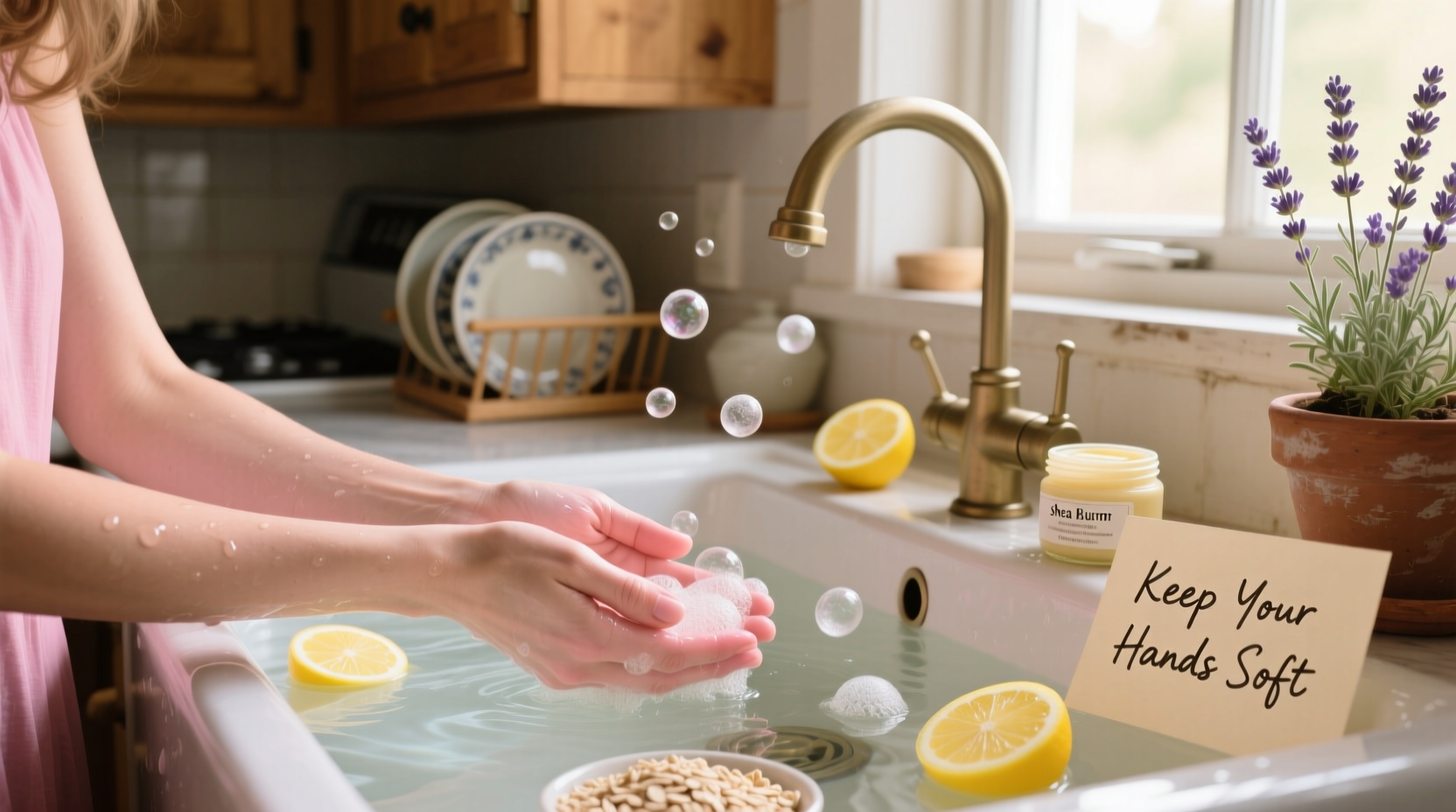
Water alone may seem harmless, but prolonged or repeated exposure disrupts the skin’s protective barrier. The outermost layer of the skin, the stratum corneum, relies on natural lipids and moisture to stay flexible and protected. When hands are submerged in water—especially hot water—these essential oils dissolve and wash away.
Dish soaps amplify this effect. Most contain surfactants like sodium lauryl sulfate (SLS), which are excellent at cutting through grease but also strip moisture from the skin. Frequent use leads to transepidermal water loss (TEWL), where the skin loses hydration faster than it can retain it. Over time, this causes dryness, micro-tears, flaking, and even dermatitis.
A 2021 study published in *Contact Dermatitis* found that individuals who washed dishes more than five times a week without gloves were three times more likely to develop hand eczema. Temperature plays a role too: hot water opens pores and accelerates oil loss, while cold water may not clean effectively, prompting longer scrubbing times and extended exposure.
“Repeated wet work is one of the leading causes of occupational skin disorders. Protecting the hands during household chores isn't optional—it's preventive healthcare.” — Dr. Lena Patel, Dermatologist & Clinical Researcher
Essential Protective Measures During Dishwashing
Prevention is the first line of defense. By minimizing direct contact between your skin and harsh elements, you drastically reduce the risk of damage.
Wear Proper Dishwashing Gloves
Latex, nitrile, or vinyl gloves create a waterproof barrier. However, not all gloves are created equal:
- Length matters: Opt for gloves that extend past the wrist (cuff-length or gauntlet style) to prevent water from seeping in.
- Material choice: Nitrile is ideal for those with latex allergies and offers superior chemical resistance. Vinyl is less durable but suitable for short tasks.
- Liner comfort: Cotton-lined gloves absorb sweat and reduce irritation caused by prolonged wear.
Use Lukewarm Water Instead of Hot
Hot water feels effective, but it compromises skin integrity. Stick to lukewarm water (around 100°F or 38°C)—it cleans efficiently without aggressively stripping oils. If grease is stubborn, pre-soak dishes instead of increasing water temperature.
Choose Gentle, Moisturizing Dish Soaps
Not all dish liquids are equally harsh. Look for formulas labeled “gentle,” “dermatologist-tested,” or “with added moisturizers.” Ingredients like glycerin, aloe vera, or shea butter help offset drying effects.
Avoid antibacterial soaps unless medically necessary—they often contain alcohol and triclosan, both of which are extremely drying.
| Recommended Soap Features | Avoid These Ingredients |
|---|---|
| Contains glycerin or plant-based oils | Sodium lauryl sulfate (SLS) |
| Free from synthetic fragrances | Alcohol (ethanol, isopropyl) |
| Low-foaming, concentrated formula | Triclosan or parabens |
Post-Dishwashing Skin Recovery Routine
What you do immediately after washing dishes determines how well your skin recovers. A consistent post-routine rebuilds the moisture barrier and prevents cumulative damage.
Step-by-Step: The 5-Minute Hand Rescue Protocol
- Pat dry gently: Use a soft towel to blot hands—never rub. Friction worsens micro-cracks.
- Apply hand serum or treatment oil: While skin is still slightly damp, massage in a few drops of jojoba, squalane, or rosehip oil. These mimic the skin’s natural sebum.
- Layer with a thick moisturizer: Follow with a cream rich in ceramides, shea butter, or hyaluronic acid. Look for occlusives like petrolatum or dimethicone to lock in moisture.
- Wear cotton gloves overnight (optional): For severely dry hands, apply a heavy balm and cover with thin cotton gloves while sleeping. This enhances absorption and prevents transfer.
Weekly Deep Treatments
Once a week, dedicate 15 minutes to intensive repair:
- Exfoliate gently: Use a sugar-and-oil scrub or a soft exfoliating mitt to remove dead skin cells. Do not over-scrub—once weekly is sufficient.
- Hydrating mask: Apply a thick layer of honey or an over-the-counter hand mask. Cover with plastic wrap for 10 minutes to create an occlusive environment.
- Soak in nourishing oil: Submerge hands in warm olive or almond oil for 5–7 minutes, then wipe off excess and moisturize.
Long-Term Habits for Resilient Hands
Soft hands aren’t achieved overnight—they’re the result of consistent care. Integrate these habits into your daily life to build lasting skin resilience.
Maintain Internal Hydration
Well-hydrated skin starts from within. Drink at least 1.5–2 liters of water daily. Dehydrated bodies prioritize vital organs over skin, leaving extremities like hands vulnerable to dryness.
Diet also plays a role. Omega-3 fatty acids (found in salmon, chia seeds, and walnuts) support skin elasticity. Vitamin E and biotin contribute to cell regeneration and barrier strength.
Avoid Cumulative Irritants
Dishwashing isn’t the only source of hand stress. Other common irritants include hand sanitizers, laundry detergents, and cleaning sprays. Whenever possible, wear gloves during these tasks too. Even brief exposures add up over time.
Humidify Your Environment
Dry indoor air, especially in winter, accelerates moisture loss. Using a humidifier in kitchens or frequently used rooms helps maintain ambient humidity above 40%, reducing trans-epidermal water loss.
“I tell my patients: if your hands feel tight after washing, you’ve already lost too much moisture. Prevention beats repair every time.” — Dr. Alan Zhou, Board-Certified Dermatologist
Real-Life Example: Maria’s Kitchen Transformation
Maria, a mother of two and avid home cook, used to dread winter. Her hands would crack and bleed by November, making even simple tasks painful. She attributed it to “just part of being a busy mom” until her daughter asked why she kept wincing while drying dishes.
After consulting a dermatologist, Maria made three key changes:
- She switched to long-cuffed nitrile gloves and wore them for every dishwashing session.
- She replaced her scented dish liquid with a fragrance-free, glycerin-enriched formula.
- She started applying a ceramide-based hand cream every night before bed.
Within four weeks, her skin softened significantly. After two months, the cracks healed. Now, she keeps a pair of gloves and a small pump of lotion beside the sink and teaches her kids to do the same. “I didn’t realize I was harming myself just trying to keep things clean,” she says. “Now I protect my hands like I protect my cast iron pan—with care and consistency.”
Hand Care Checklist: Daily & Weekly Actions
Stay on track with this actionable checklist to keep your hands soft and healthy:
Daily To-Do List
- ✅ Wear gloves when washing dishes
- ✅ Use lukewarm water, not hot
- ✅ Pat hands dry—don’t rub
- ✅ Apply moisturizer within 60 seconds of washing
- ✅ Reapply hand cream after hand sanitizer use
Weekly To-Do List
- ✅ Exfoliate hands once (gentle scrub only)
- ✅ Perform a hydrating hand soak or mask
- ✅ Inspect gloves for tears or leaks
- ✅ Replace old dish soap if overly drying
Frequently Asked Questions
Can I use body lotion on my hands?
You can, but hand-specific creams are more effective. Body lotions are typically lighter and lack the occlusive ingredients needed to combat frequent water exposure. Hand creams are formulated to be thicker and more protective, making them better suited for high-stress areas.
How often should I replace my dishwashing gloves?
Inspect gloves weekly for pinholes or stiffness. Latex and vinyl degrade faster—replace every 1–2 months with regular use. Nitrile gloves last longer, up to 3–4 months, but only if properly cleaned and dried after each use.
Is it safe to use petroleum jelly on my hands?
Yes. Petroleum jelly (petrolatum) is one of the most effective occlusives available. It forms a protective seal over the skin, preventing moisture loss. Use it at night or under gloves for deep healing. Ensure your skin is clean before application to avoid trapping bacteria.
Conclusion: Soft Hands Are Within Reach
Keeping your hands soft despite frequent dishwashing isn’t about luck or genetics—it’s about strategy and consistency. By wearing the right gloves, choosing gentler products, and committing to a simple post-care routine, you can prevent damage before it starts. Small daily actions compound into long-term results: smoother texture, fewer cracks, and greater comfort.
Your hands work hard for you. They deserve more than temporary fixes—they deserve sustainable care. Start tonight: place a tube of rich hand cream by your sink, check your gloves for wear, and commit to one change that protects your skin. In just a few weeks, you’ll notice the difference—not just in how your hands look, but in how they feel.




 浙公网安备
33010002000092号
浙公网安备
33010002000092号 浙B2-20120091-4
Comments
No comments yet. Why don't you start the discussion?