
Traveling should be a time of relaxation and rejuvenation, not anxiety over wilting houseplants. Yet, many plant owners return from even short trips to find their beloved greens drooping, crispy, or worse—gone. The good news is that with a little planning, you can keep your indoor garden thriving in your absence. Whether you're gone for three days or three weeks, the right strategies can make all the difference. From low-tech hacks to smart systems, here’s how to ensure your plants stay hydrated, healthy, and happy while you’re away.
Assess Your Plants’ Needs Before You Leave
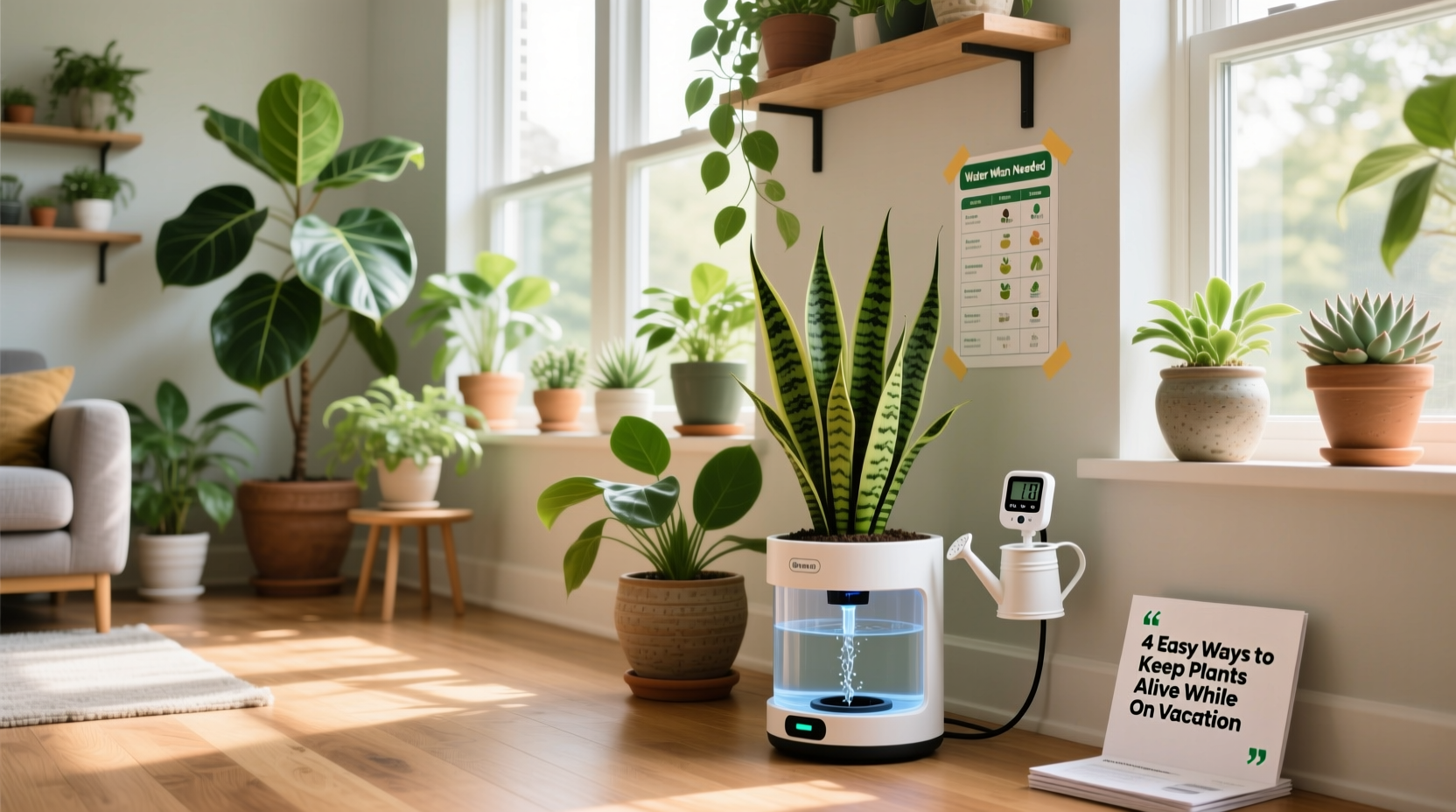
Not all houseplants have the same care requirements. Some, like snake plants and ZZ plants, can survive weeks without water. Others, such as ferns and calatheas, need consistent moisture and humidity. Understanding your collection’s individual needs is the first step in creating an effective vacation plan.
Start by grouping your plants based on their water needs. This helps you apply targeted solutions rather than treating all plants the same. For example, succulents may require no intervention at all, while tropical species might need extra attention.
Know Which Plants Are Most Vulnerable
- High-maintenance plants: Peace lilies, maidenhair ferns, pothos in small pots, and any plant showing signs of stress before departure.
- Low-maintenance plants: Snake plants, spider plants, cacti, ZZ plants, and most succulents.
- Humidity-dependent plants: Calatheas, fittonias, and orchids benefit from enclosed environments or misting systems.
“Plants don’t need constant care, but they do need consistency. A sudden drop in moisture during your absence can trigger irreversible stress.” — Dr. Lena Reyes, Botanist & Urban Horticulture Consultant
Create a Pre-Departure Care Routine
The week before your trip is critical. This is when you prepare your plants physically and environmentally for your absence. Rushing through this phase can undo even the best in-trip watering system.
Step-by-Step Pre-Vacation Plant Care Timeline
- 7 days before departure: Inspect each plant for pests, disease, or nutrient deficiencies. Treat any issues immediately.
- 5 days before: Clean leaves gently with a damp cloth to improve photosynthesis and detect early problems.
- 3 days before: Water thoroughly, allowing excess to drain. This gives roots access to moisture reserves without risking root rot.
- 1 day before: Move sun-sensitive plants slightly away from direct light to reduce evaporation. Cluster humidity-loving plants together.
- Day of departure: Double-check your watering setup, close sheer curtains to diffuse light, and confirm any pet-sitter instructions.
Choose the Right Watering Strategy for Your Absence
The length of your trip determines which method works best. Below are proven techniques, ranked by duration effectiveness.
For Short Trips (3–7 Days)
In most climates, healthy houseplants in appropriately sized pots can go up to a week without water. Still, giving them a strong drink before you leave significantly improves survival odds.
- Water deeply until it drains from the bottom.
- Move plants away from south-facing windows to slow drying.
- Group plants together to create a micro-humidity zone.
For Medium-Length Trips (1–2 Weeks)
This is the sweet spot where simple DIY solutions shine. These methods require minimal investment and setup.
Bottle Drip System
Fill a plastic bottle with water, poke small holes in the cap, and lay it on its side in the soil. Water seeps out slowly over several days. Works well for medium-sized pots.
Wicking System
Use a cotton or nylon wick threaded through the drainage hole into a reservoir (like a bucket of water). Capillary action pulls moisture into the soil. Best for porous pots and thirsty plants.
For Long Trips (2–4 Weeks)
Extended absences call for more reliable methods. Consider combining approaches for maximum safety.
Self-Watering Pots
If you own self-watering containers, fill the reservoir fully before leaving. These can sustain plants for up to 30 days depending on size and environment.
Automated Irrigation Kits
Small programmable systems like the Gardena Micro-Drip or AquaFerma use timers and tubing to deliver precise water amounts. Ideal for plant collections or high-value specimens.
Hire a Plant Sitter
For rare or delicate plants, nothing beats human oversight. Provide clear instructions, including how much water each plant needs and what signs indicate trouble.
“I once returned from a month-long sabbatical to find my monstera had doubled in size—thanks to a neighbor using a timed drip system and rotating the plant weekly.” — James Tran, Indoor Gardener & Educator
Smart Environment Adjustments for Plant Survival
Temperature, light, and airflow dramatically affect how quickly soil dries. Optimizing these factors reduces water loss and stress.
Control Light Exposure
Direct sunlight accelerates evaporation and can overheat plants. Before leaving:
- Close blinds or curtains on sunny windows.
- Move sensitive plants a few feet back from windowsills.
- Avoid placing plants near heat vents or drafty doors.
Boost Humidity Strategically
Higher humidity means slower transpiration. Grouping plants creates a natural humid microclimate. For extra protection:
- Place trays of water with pebbles under pots (ensure pots aren’t sitting in water).
- Cover delicate plants with a clear plastic bag supported by stakes (ventilated to prevent mold).
Avoid Common Environmental Mistakes
| Do | Don't |
|---|---|
| Cluster humidity-loving plants together | Seal plants in airtight plastic without ventilation |
| Use sheer curtains to filter intense light | Leave plants in full sun with no shading |
| Set up water reservoirs with controlled release | Overfill pots causing prolonged soggy soil |
| Test systems before departure | Assume all plants can survive two weeks unattended |
Real-Life Example: Sarah’s Two-Week Getaway
Sarah, a teacher from Portland, planned a two-week summer trip to Spain. She owned 14 houseplants, including a prized variegated pothos and a finicky bird’s nest fern. Worried about returning to a jungle of dead foliage, she took action one week prior.
She cleaned all leaves, checked for pests, and grouped her tropicals near the bathroom (naturally higher humidity). For watering, she used a combination of glass bottles with pinprick caps for her medium pots and set up a wick-and-bucket system for her largest monstera. She moved sun-sensitive plants away from the living room window and asked her neighbor to check in after 10 days—just to top off the water reservoirs.
Upon return, every plant was healthy. The fern had even produced a new frond. “I thought I’d lose at least one,” she said. “But everything looked better than when I left.”
Essential Vacation Plant Care Checklist
Use this checklist in the days leading up to your trip to ensure nothing is overlooked:
- ✅ Inspect all plants for pests or disease
- ✅ Clean dust off leaves
- ✅ Water all plants deeply 2–3 days before leaving
- ✅ Move plants away from direct sun and heat sources
- ✅ Group humidity-loving plants together
- ✅ Set up watering systems (bottles, wicks, reservoirs)
- ✅ Test systems for 48 hours if possible
- ✅ Leave care instructions for sitters (if applicable)
- ✅ Confirm timer settings for automated systems
- ✅ Close or adjust window coverings
Frequently Asked Questions
Can I use ice cubes to water my plants before leaving?
While some suggest using ice cubes to slowly release water, this method is not recommended for most houseplants. Cold temperatures can shock roots, especially in tropical species. Room-temperature water delivered gradually via wicking or drip systems is safer and more effective.
Should I fertilize before going on vacation?
No. Fertilizing just before a trip adds stress to plants. Without active growth or regular watering, nutrients can build up and burn roots. Always fertilize during periods of active growth and routine care—not in preparation for neglect.
What if I don’t have anyone to check on my plants?
You’re not alone—most people don’t. Focus on passive systems: deep watering, strategic grouping, humidity trays, and slow-release watering methods. For long trips, consider moving smaller plants to a naturally humid room like the bathroom (with indirect light) or investing in a small self-watering kit. Most healthy plants can survive 2–3 weeks with proper prep.
Final Thoughts: Travel With Confidence, Not Guilt
Keeping your houseplants alive while on vacation doesn’t require expensive gadgets or professional help. It requires thoughtful preparation, understanding your plants’ needs, and applying simple, time-tested techniques. By adjusting the environment, choosing the right watering method, and preparing ahead, you can enjoy your trip knowing your green companions are safe at home.
Whether you’re a seasoned plant parent or just starting your indoor gardening journey, remember: a little effort goes a long way. Healthy plants enhance your space, purify your air, and bring joy when you walk through the door—even after weeks away.




 浙公网安备
33010002000092号
浙公网安备
33010002000092号 浙B2-20120091-4
Comments
No comments yet. Why don't you start the discussion?