
Leaving home for an extended vacation shouldn’t mean returning to wilted leaves, dry soil, and lifeless pots. For plant lovers, the thought of coming back to a botanical disaster is enough to cause pre-travel anxiety. But with thoughtful preparation, even the most delicate houseplants can survive—and even thrive—during your absence. Whether you’re heading abroad for three weeks or escaping to the countryside for a fortnight, the key lies in understanding your plants’ needs and tailoring a care strategy that bridges the gap between departure and return.
Unlike pets, houseplants don’t require daily feeding, but they do depend on consistent moisture, light, and environmental stability. Two weeks without water may be fatal for tropical species like calatheas or ferns, while succulents might barely notice your absence. The solution isn’t one-size-fits-all—it’s about matching the right method to your plant type, home environment, and travel duration.
Assess Your Plants: Know Who Needs What
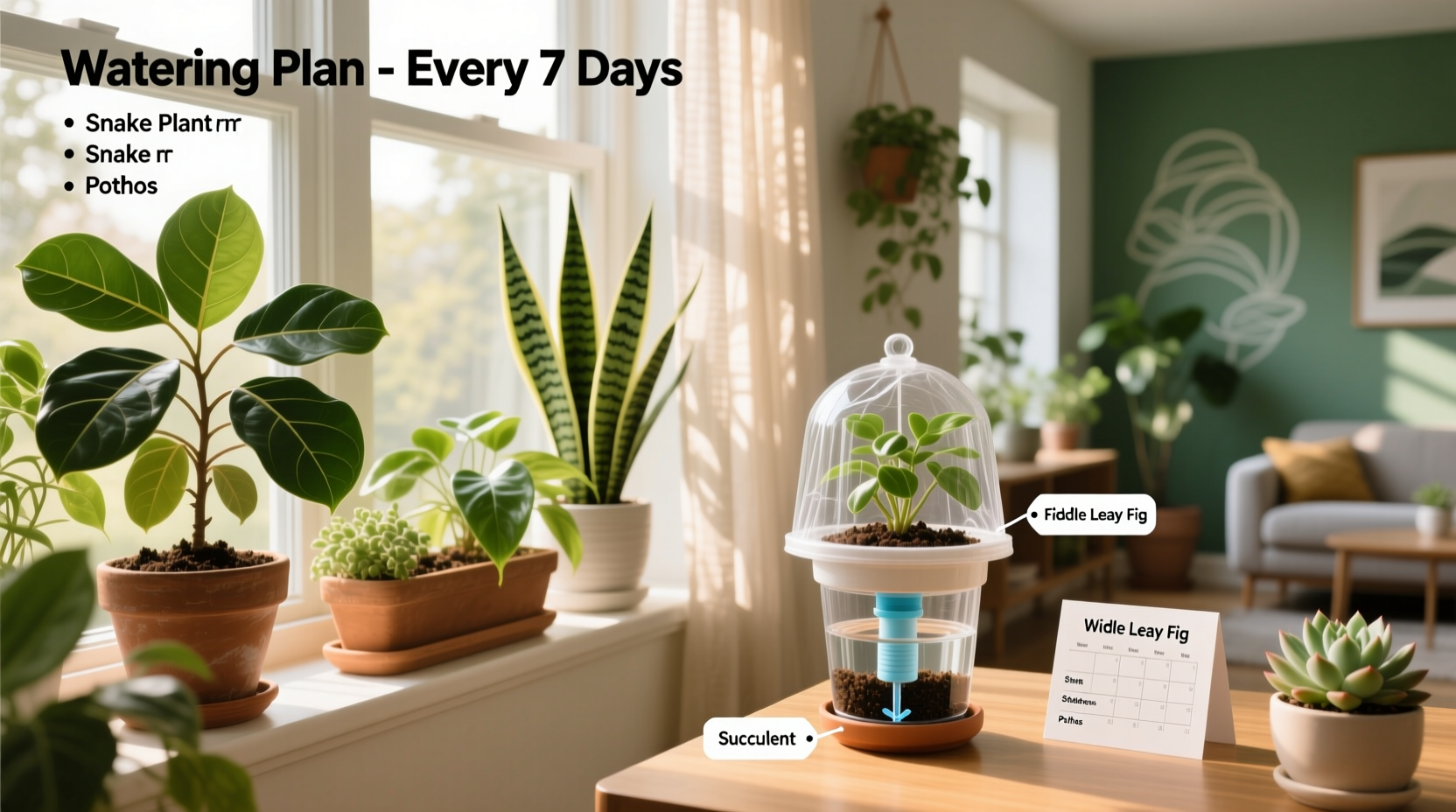
Before packing your bags, take inventory of your indoor garden. Not all houseplants have the same tolerance for neglect. Group them based on their water retention capacity, humidity needs, and growth rate. This step ensures you apply the right care method to each category.
- High-maintenance plants: Calathea, fittonia, maranta, maidenhair fern—these demand high humidity and regular watering.
- Moderate-needs plants: Pothos, philodendron, spider plant, peace lily—resilient but benefit from consistent moisture.
- Low-maintenance plants: Snake plant, ZZ plant, cacti, jade—can go weeks without water.
Understanding these differences allows you to prioritize attention where it's needed most. A snake plant will likely survive untouched for a month, but a peperomia could begin to suffer after just ten days.
Pre-Vacation Preparation: The 72-Hour Rule
The days leading up to your trip are critical. Proper preparation begins at least three days before departure. This window allows you to make adjustments and observe how your plants respond before you leave.
- Clean the leaves: Wipe dust off foliage with a damp cloth. Clean leaves absorb light more efficiently and regulate transpiration better.
- Trim dead or yellowing leaves: Prevent decay and redirect energy to healthy growth.
- Move sensitive plants away from direct sun: South-facing windows can overheat rooms, especially if blinds are closed. Relocate humidity-loving plants to indirect light zones.
- Water deeply—but not too close to departure: Watering the day before you leave risks oversaturation, especially in low-light or poorly ventilated spaces. Instead, water thoroughly three days prior. This gives excess moisture time to evaporate and roots access to steady hydration.
- Check for pests: Inspect undersides of leaves and soil. Treat any signs of spider mites or mealybugs immediately to prevent outbreaks while you're gone.
“Plants stressed by pests or poor conditions before travel are far less likely to survive unattended periods.” — Dr. Lena Torres, Botanist and Indoor Plant Specialist
Top 5 Methods to Keep Plants Alive While Away
No single method works for every plant or household. Below are five proven techniques, ranked by effectiveness and ease of use.
1. Self-Watering Systems (Wicking & Bottle)
A DIY wicking system uses capillary action to deliver water gradually. Place a cotton or nylon rope through the drainage hole into a reservoir (like a bucket or bowl of water). As soil dries, it pulls moisture upward.
Alternatively, invert a filled water bottle into the soil. Use a wine bottle or specialized self-watering spike. The slow drip sustains moisture over days.
2. Automated Drip Irrigation Kits
For serious plant parents, programmable irrigation systems like the Click & Drip or AutoPot offer precision control. These kits connect to a timer and deliver measured amounts of water to individual pots via tubing.
Though more expensive ($50–$150), they’re ideal for large collections or humidity-dependent species. Set the timer to release water once or twice during your trip.
3. Shower Method (Humidity Boost)
If no one can water your plants, group moisture-loving varieties together in the bathroom. Turn on a hot shower for 5 minutes to create steam, then close the door. This raises humidity significantly, reducing transpiration stress.
Combine this with watering three days prior and closing curtains to minimize light intensity. Most tropical plants can survive 14–18 days in this microclimate.
4. Enlist a Plant Sitter
The most reliable option. Choose someone familiar with plant care or provide clear instructions. Include details like:
- Which plants need water (and how much)
- Signs of overwatering (yellow leaves, soggy soil)
- How to check moisture (finger test to 1-inch depth)
Offer a small care guide or set up a reminder text exchange so they stay accountable.
5. Plastic Bag Greenhouse (Mini Terrarium Effect)
For small to medium plants, create a DIY greenhouse using clear plastic bags. Place the plant in a translucent bag supported by stakes (to avoid leaf contact) and seal loosely. Condensation forms and recycles moisture.
This method works best for ferns, calatheas, and other humidity lovers. Avoid direct sunlight to prevent overheating.
| Method | Best For | Duration Covered | Cost |
|---|---|---|---|
| Wicking System | Medium-water plants (e.g., pothos, peace lily) | 2–3 weeks | $ (DIY) |
| Automated Drip Kit | Large collections, tropicals | Up to 4 weeks | $$–$$$ |
| Shower + Grouping | Tropicals in humid climates | 10–14 days | $ |
| Plant Sitter | All types, especially finicky ones | Unlimited (with visits) | Free–$ |
| Plastic Bag Dome | Ferns, marantas, seedlings | 10–18 days | $ |
Real-Life Example: Sarah’s Three-Week Mediterranean Trip
Sarah, a horticulture teacher in Portland, was anxious about her 21-day vacation to Greece. Her apartment housed over 30 plants, including rare variegated monsteras and a beloved staghorn fern.
She combined methods: she grouped her tropicals in the bathroom, used glass self-watering spikes for her peace lilies, set up a wicking system for her fiddle-leaf fig, and asked her neighbor to check in once per week. She also installed a smart plug to run a humidifier on a schedule.
Upon return, all but one plant (a neglected succulent left in direct sun) survived. “The key,” she says, “was not relying on one method. Layering strategies gave my plants a safety net.”
Step-by-Step Pre-Travel Plant Care Timeline
Follow this timeline to ensure nothing is overlooked:
- One Month Before: Repot any root-bound plants to improve water retention.
- One Week Before: Fertilize (if needed) and treat pests. Do not fertilize within 5 days of leaving—this encourages growth when plants should be conserving energy.
- Three Days Before: Water deeply. Clean leaves. Move plants to optimal light zones.
- Two Days Before: Test self-watering devices. Confirm plant sitter availability.
- Day of Departure: Close curtains on sunny windows. Turn off heating/cooling if possible, or set to stable temperature (65–75°F). Leave written instructions for sitters.
Common Mistakes to Avoid
Even well-meaning efforts can backfire. Steer clear of these pitfalls:
- Overwatering before you leave: Soggy soil leads to root rot, especially without airflow.
- Using misting as a substitute for watering: Misting only affects leaves; roots still need hydration.
- Placing plants in dark closets: Lack of light weakens plants and promotes mold.
- Trusting unreliable helpers: Without clear instructions, even kind friends may overwater or ignore problems.
- Ignoring weather forecasts: A heatwave can dry out soil rapidly. Adjust plans accordingly.
FAQ: Quick Answers to Common Concerns
Can I use ice cubes to water my plants slowly?
No. Ice cubes shock tropical plant roots with cold temperatures. They also release water too slowly and unevenly. Use room-temperature water delivered via wick or spike instead.
Will my plants die if I don’t water them for two weeks?
Not necessarily. Many common houseplants—like snake plants, ZZ plants, and cacti—can survive four weeks without water. Even moderate users like pothos can endure two weeks if pre-watered and kept in stable conditions.
Is it safe to leave plants in a greenhouse bag?
Yes, if done correctly. Use clear, breathable plastic and support the structure so it doesn’t touch leaves. Place in bright, indirect light. Check for mold upon return. Never use sealed bags in direct sun—plants can cook.
Final Checklist Before You Leave
Run through this list to ensure full preparedness:
- ✅ Watered plants 3 days ago
- ✅ Removed dust and dead foliage
- ✅ Tested self-watering systems
- ✅ Grouped humidity-loving plants together
- ✅ Moved plants away from intense sunlight
- ✅ Left care instructions for sitter (if applicable)
- ✅ Checked for pests and treated if necessary
- ✅ Secured automatic systems or timers
- ✅ Closed blinds on south/west-facing windows
- ✅ Confirmed stable indoor temperature
Conclusion: Travel with Peace of Mind
Your houseplants don’t need daily attention, but they do rely on smart planning when you’re away. By assessing individual needs, preparing in advance, and choosing the right watering strategy, you can enjoy your vacation knowing your green companions are in good hands—whether that’s yours remotely or someone else’s on-site.
The health of your indoor garden reflects not just how often you water, but how thoughtfully you prepare. With these strategies, two weeks—or even more—can pass without turning your living room into a triage zone. So pack your bags, set your timers, and go explore the world. Your plants will be waiting, greener than ever.




 浙公网安备
33010002000092号
浙公网安备
33010002000092号 浙B2-20120091-4
Comments
No comments yet. Why don't you start the discussion?