
Indoor air quality directly affects health, mood, and overall well-being. While synthetic air fresheners promise a quick fix for stale or musty odors, they often mask problems with volatile organic compounds (VOCs), phthalates, and artificial fragrances that can trigger allergies, headaches, and respiratory issues. The good news is that fresh, clean indoor air is entirely achievable through natural, sustainable methods. From strategic ventilation to houseplants and homemade solutions, this guide explores science-backed approaches to maintain a naturally pleasant-smelling home.
Why Avoid Synthetic Air Fresheners?
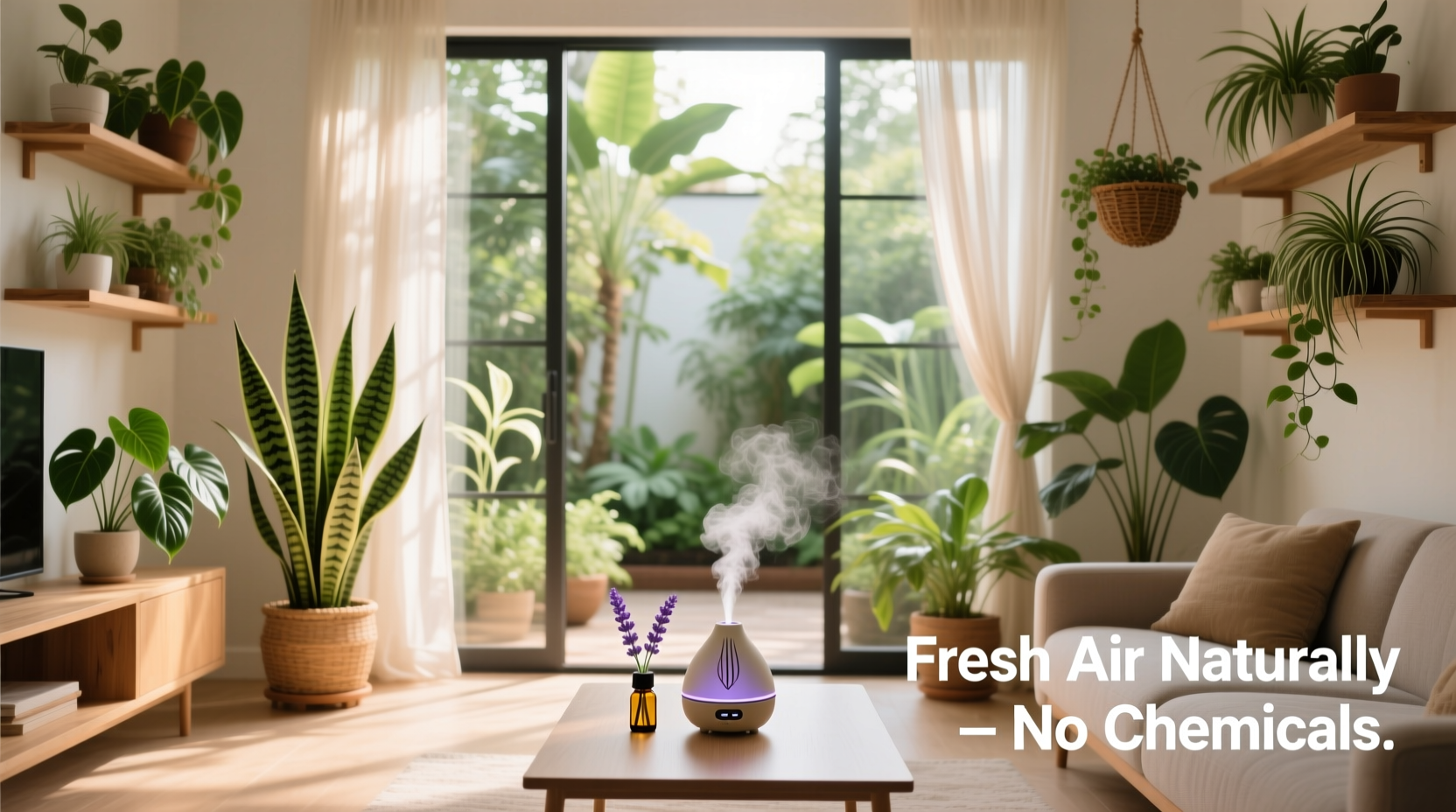
Synthetic air fresheners—whether sprays, plug-ins, gels, or scented candles—release a cocktail of chemicals into the air. According to the Environmental Working Group (EWG), many contain ingredients linked to hormone disruption, asthma exacerbation, and long-term lung damage. These products don’t eliminate odor; they merely cover it up while introducing new pollutants.
The U.S. Environmental Protection Agency (EPA) has found that indoor air can be two to five times more polluted than outdoor air, largely due to off-gassing from cleaning products, furniture, and yes—air fresheners. Eliminating these sources is the first step toward truly fresh air.
“Fragrance is one of the least regulated terms in consumer products. What’s labeled as ‘fragrance’ on an ingredient list can hide dozens of undisclosed chemicals.” — Dr. Anne Steinemann, Environmental Engineer and Air Quality Researcher
1. Maximize Natural Ventilation
Fresh air exchange is the most effective way to dilute indoor pollutants and remove odors at their source. Stale air accumulates moisture, cooking smells, pet odors, and VOCs from everyday materials. Regular ventilation prevents buildup and maintains oxygen balance.
In older homes or tightly sealed modern buildings, airflow is often insufficient. Strategic window placement and timing can dramatically improve circulation.
Best Practices for Natural Ventilation
- Open windows on opposite sides of the house to create cross-ventilation.
- Ventilate during cooler parts of the day—early morning or evening—to avoid bringing in hot, humid air.
- Use ceiling fans or box fans in windows to pull fresh air in and push stale air out.
- Open bathroom and kitchen windows during and after showers or cooking.
2. Use Indoor Plants That Purify the Air
Nature offers elegant, living air purifiers. Certain houseplants absorb airborne toxins and release oxygen, subtly improving air quality and scent. NASA’s Clean Air Study identified several species effective at removing common pollutants like benzene, formaldehyde, and trichloroethylene.
| Plant | Air-Purifying Benefits | Care Level |
|---|---|---|
| Snake Plant (Sansevieria) | Removes CO2 at night, filters formaldehyde and benzene | Low maintenance; thrives in low light |
| Peace Lily (Spathiphyllum) | Reduces mold spores and absorbs ammonia, benzene | Moderate; prefers indirect light and moist soil |
| Spider Plant (Chlorophytum comosum) | Neutralizes carbon monoxide, xylene, and formaldehyde | Very easy; grows quickly and safe for pets |
| Aloe Vera | Filters formaldehyde and benzene; gel soothes burns | Low; needs bright light and infrequent watering |
| Bamboo Palm (Chamaedorea seifrizii) | Removes benzene and trichloroethylene; adds humidity | Moderate; likes consistent moisture and indirect sun |
While plants alone won’t replace mechanical filtration, having 2–3 medium-sized plants per 100 square feet can measurably improve air freshness. Choose varieties suited to your light conditions and commitment level.
3. Create Natural Air Refreshers
Instead of aerosol sprays, use simple, non-toxic recipes that deodorize and add a subtle, pleasant aroma. These solutions use essential oils—concentrated plant extracts—known for antimicrobial and mood-enhancing properties.
DIY Natural Air Spray
- Fill an 8-ounce glass spray bottle with distilled water.
- Add 1 tablespoon of vodka or rubbing alcohol (to disperse oils and prevent mold).
- Add 20–30 drops of essential oil (e.g., lemon, lavender, tea tree, or eucalyptus).
- Shake well before each use.
- Mist into the air (not directly onto wood or fabrics).
This spray neutralizes odors rather than masking them. Citrus oils are naturally degreasing and uplifting, while tea tree and eucalyptus have antiseptic qualities ideal for bathrooms.
Simmer Pots for Instant Fragrance
Boil citrus peels (orange, lemon, grapefruit), cinnamon sticks, cloves, and fresh herbs like rosemary on the stove. This method releases aromatic steam without synthetic byproducts. Simmer for 15–30 minutes, adding water as needed.
4. Control Moisture and Prevent Mold
Dampness breeds musty odors and promotes mold growth—two of the most common causes of poor indoor air. Bathrooms, basements, and kitchens are high-risk zones.
Relative humidity should stay between 30% and 50%. Above 60%, mold spores thrive. Use a hygrometer (inexpensive digital sensor) to monitor levels.
Action Plan to Reduce Humidity
- Run exhaust fans during and 20 minutes after showers.
- Wipe down shower walls and doors after use.
- Fix leaks in pipes, roofs, or windows immediately.
- Use a dehumidifier in basements or damp climates.
- Ensure clothes dryers vent outdoors, not into the laundry room.
In one real-world example, a family in Portland, Oregon, struggled with persistent mildew smell despite regular cleaning. After placing a $100 dehumidifier in their basement and sealing a small foundation crack, the odor disappeared within a week. Testing revealed their humidity had dropped from 72% to 48%—well within the healthy range.
“Mold doesn’t just smell bad—it releases mycotoxins that can affect cognitive function and immune response. Controlling moisture is preventive healthcare.” — Dr. Raj Patel, Indoor Environmental Specialist
5. Deep-Clean Surfaces and Fabrics Naturally
Odors cling to carpets, curtains, upholstery, and even walls. Over time, these materials absorb smoke, food, and pet smells. Synthetic fresheners may temporarily perfume the air but do nothing to remove the embedded source.
Deep cleaning with non-toxic agents eliminates the root cause of odors.
Natural Cleaning Solutions
| Surface | Natural Cleaner | How to Use |
|---|---|---|
| Carpets & Rugs | Baking soda + essential oil | Sprinkle mixture, wait 30+ minutes, vacuum thoroughly |
| Upholstery | Vinegar-water solution (1:2 ratio) | Lightly mist, blot, air dry. Test for colorfastness first. |
| Trash Cans | Baking soda + lemon juice | Scrub interior, rinse, leave open to dry |
| Fabrics (curtains, linens) | Wash with vinegar instead of fabric softener | Add ½ cup white vinegar to rinse cycle to neutralize odors |
Baking soda is a natural deodorizer that neutralizes acidic and basic odor molecules. Vinegar breaks down organic residues and kills bacteria. Together, they form a powerful, safe cleaning duo.
Mini Case Study: A Kitchen Transformation
Sarah, a teacher in Austin, Texas, disliked the lingering onion and grease smells in her kitchen despite daily wiping. She avoided air fresheners because her daughter has asthma. Instead, she implemented a three-step system:
- Placed a bowl of baking soda under the sink to absorb background odors.
- Started boiling lemon peels and rosemary after dinner prep.
- Installed a range hood fan that vents outside and uses it every time she cooks.
Within two weeks, her daughter reported fewer nighttime coughing episodes. Sarah noticed the kitchen smelled consistently clean—even the cabinets lost their stale odor. Her approach addressed both immediate smells and long-term air quality.
Checklist: Maintain Fresh Indoor Air Naturally
Weekly:
- Ventilate each room for 10–15 minutes.
- Dust surfaces with a damp cloth to reduce particle buildup.
- Refresh DIY air sprays and refill simmer pots.
Monthly:
- Deep-clean carpets and upholstery.
- Wipe down air vents and fan blades.
- Inspect HVAC filter; replace if reusable or dirty.
Seasonally:
- Service heating and cooling systems.
- Check for mold in hidden areas (under sinks, behind appliances).
- Rotate or repot indoor plants.
FAQ
Can I use essential oils in a diffuser safely?
Yes, but moderation is key. Use high-quality, pure essential oils and diffuse for no more than 30–60 minutes at a time. Avoid prolonged exposure, especially around infants, pets, or people with respiratory conditions. Always ensure the room is well-ventilated.
Are candles ever a good option?
Be cautious. Most commercial candles contain paraffin wax and synthetic fragrances that emit soot and VOCs. If you use candles, choose 100% beeswax or soy wax with cotton wicks and essential oil-based scents. Burn them in ventilated areas and never leave unattended.
How long does it take to notice improved air quality?
Many people report fresher-smelling air within a few days of increasing ventilation and eliminating synthetic products. Full benefits—like reduced allergy symptoms or better sleep—may take 2–4 weeks as indoor pollutant levels gradually decrease.
Conclusion
Fresh indoor air isn’t about covering odors with artificial perfumes—it’s about creating a clean, balanced environment where natural scents thrive. By opening windows, introducing air-purifying plants, using simple DIY refreshers, controlling moisture, and deep-cleaning with non-toxic ingredients, you transform your home into a healthier sanctuary. These methods are not only safer but often more cost-effective and sustainable than store-bought alternatives.




 浙公网安备
33010002000092号
浙公网安备
33010002000092号 浙B2-20120091-4
Comments
No comments yet. Why don't you start the discussion?