
Lipstick is one of the most expressive tools in a makeup routine—capable of transforming mood, confidence, and overall appearance with a single swipe. Yet, few things are more frustrating than checking your reflection only to find your favorite vibrant shade has blurred beyond recognition. While matte lipsticks are often praised for their staying power, not everyone wants that flat, drying finish. The good news: you don’t need to compromise on comfort or shine to achieve longevity. With the right techniques and products, you can enjoy a glossy, creamy lip color that stays perfectly in place all day.
The key lies in understanding what causes lipstick to migrate—oil transfer, natural lip movement, hydration shifts, and environmental factors—and countering those forces strategically. This guide explores proven, dermatologist- and makeup artist-approved methods to lock in your lipstick without turning to matte formulas. Whether you're preparing for a long workday, a special event, or just want your everyday look to last, these insights will help you maintain crisp definition and vibrant color.
Understanding Why Lipstick Smudges
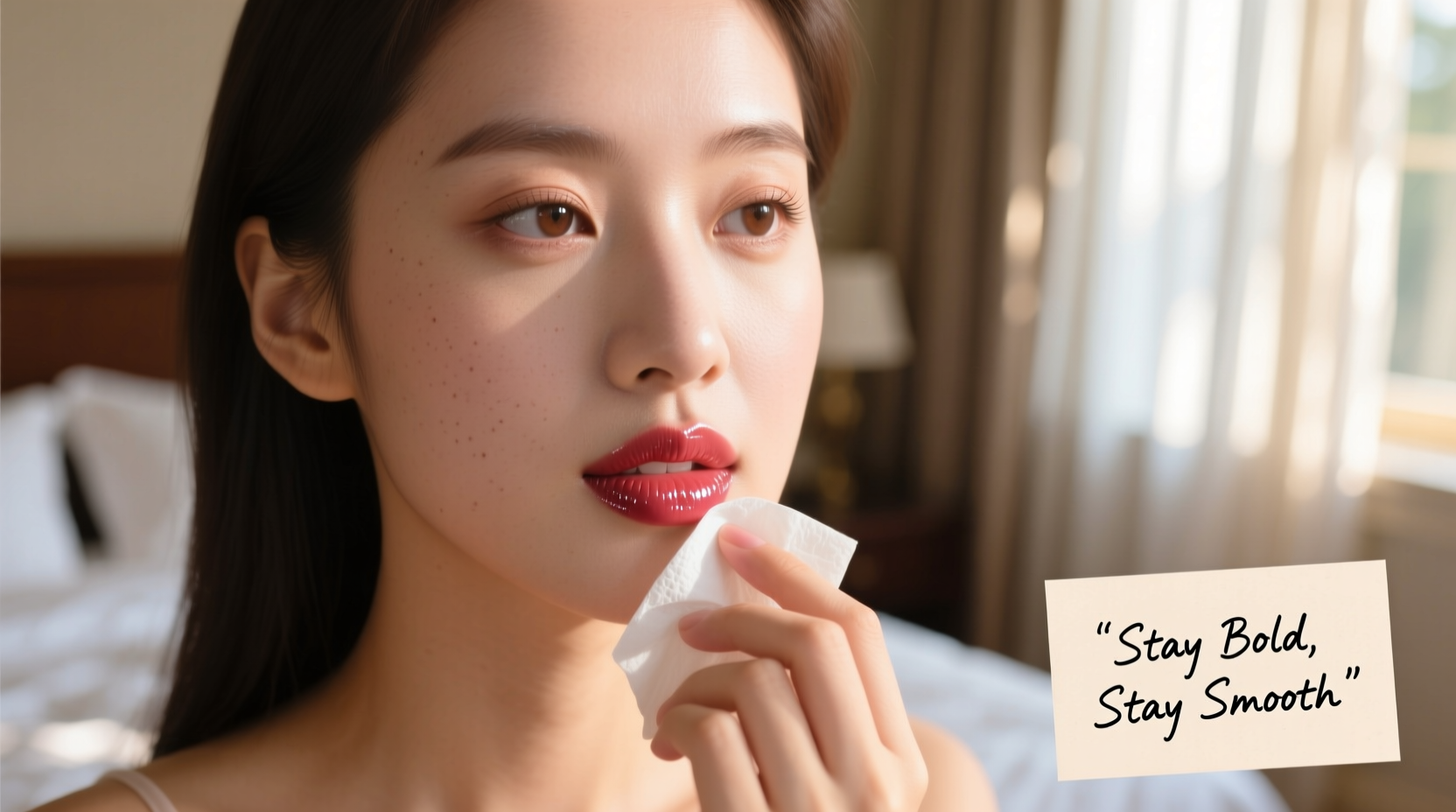
Lipstick smudging isn’t random—it’s the result of specific physical and chemical interactions. The lips are highly mobile and naturally moist, creating an unstable surface for pigment adhesion. Most traditional lipsticks rely on oils, waxes, and emollients for spreadability and comfort, but these same ingredients make them prone to sliding, especially when exposed to heat, humidity, or contact with cups, masks, or teeth.
Non-matte finishes like satin, cream, gloss, and sheer often contain higher levels of oils and silicones for a dewy effect, which increases slip and reduces wear time. Without a film-forming base or long-wear polymers, these formulas tend to degrade faster. Additionally, exfoliated or chapped lips create uneven texture, causing color to pool in dry patches and flake off unpredictably.
Environmental conditions also play a role. In warm climates, body heat softens lipstick, accelerating transfer. Even drinking coffee or eating a sandwich introduces friction and moisture that disrupt the pigment layer. The goal, then, isn’t to eliminate shine—but to stabilize it.
“Longevity doesn’t have to mean dryness. Modern cosmetic chemistry allows for flexible, comfortable wear that resists migration through smart layering.” — Dr. Lena Torres, Cosmetic Chemist & Formulation Specialist
Step-by-Step Guide to Long-Lasting Non-Matte Lipstick
Keeping your lipstick intact without switching to a matte finish requires a deliberate application process. Unlike quick swipes, this method builds a resilient base that supports color while preserving hydration and sheen. Follow these steps for optimal results:
- Exfoliate gently. Use a soft toothbrush or a mild sugar scrub to remove dead skin cells. Smooth lips provide a uniform canvas, reducing patchiness and preventing premature flaking.
- Hydrate and blot. Apply a light layer of non-greasy balm (like one with hyaluronic acid) 5–10 minutes before makeup. Then, blot thoroughly with tissue. Over-moisturizing creates a slippery base; a hydrated but dry-feeling surface is ideal.
- Prime the lips. Use a dedicated lip primer or a tiny amount of translucent setting powder pressed lightly over the lips. This creates a slight barrier that helps grip the color.
- Line precisely. Choose a lip liner that matches your lipstick or is slightly darker. Outline your natural lip line, then fill in the entire lip. This acts as a “foundation” layer that prevents feathering and gives the lipstick something to adhere to.
- Apply lipstick with a brush. Instead of applying directly from the tube, use a lip brush for even, controlled distribution. This minimizes excess product and ensures full coverage without buildup.
- Blot and set lightly. Press a single-ply tissue over your lips and dust a fine layer of translucent powder through it using a fluffy brush. This sets the color without killing the shine.
- Reapply for intensity. Add a second thin layer of lipstick after setting. Avoid thick layers—they’re more likely to crack or transfer.
- Lock with a non-drying topcoat (optional). If extra hold is needed, apply a clear, flexible lip sealant designed for long wear. These products form a breathable film that resists transfer without altering gloss.
Choosing the Right Products for Smudge-Proof Shine
Not all non-matte lipsticks are created equal. Some are formulated with advanced polymers and wax blends that offer surprising durability without drying out the lips. Look for keywords like “long-wear,” “transfer-resistant,” or “balm-infused” with claims of “comfortable shine.”
Here’s a comparison of common non-matte finishes and their typical wear characteristics:
| Finish Type | Typical Wear Time | Smudge Resistance | Best For |
|---|---|---|---|
| Cream | 3–5 hours | Moderate | Daily wear, medium coverage |
| Satin | 4–6 hours | Good | Office settings, subtle glow |
| Gloss | 1–2 hours | Poor | Evening looks, high shine |
| Balm-Tinted | 2–3 hours | Low | All-day hydration, low maintenance |
| Sheer Liquid | 5–7 hours | High | Long events, minimal touch-ups |
Liquid lipsticks with satin or luminous finishes often outperform traditional bullet formulas in terms of staying power. Many use water-based systems that dry down to a flexible film while maintaining a juicy appearance. Brands like Fenty Beauty, Rare Beauty, and KVD Vegan Beauty offer high-shine options engineered for endurance.
Avoid overly greasy formulas, especially if you wear masks or eat frequently. Silicone-heavy glosses may feel luxurious but tend to slide off quickly. Instead, opt for balms enriched with shea butter and vitamin E that nourish without compromising adherence.
Real-Life Scenario: A Wedding Day That Lasted All Night
Sophie had her best friend’s wedding to attend—a 12-hour affair starting with daytime photos and ending with dancing under string lights. She wanted a rich rose-gold lipstick that matched her dress but refused to carry a matte formula. “I didn’t want my lips to feel tight during speeches or look flat in photos,” she said.
Using the layering technique described above, Sophie prepped her lips the night before with an overnight hydrating mask. On the morning of the event, she followed the eight-step process: exfoliation, hydration, priming, lining, precise application, blotting, reapplication, and a final mist of setting spray focused on her face.
She chose a satin-finish liquid lipstick known for its flexible wear. Throughout the day, she touched up only once—after cake cutting—and noticed minimal transfer onto her napkin or glass. “I was shocked,” she recalled. “Even after hugging everyone goodbye, my color was still sharp at the edges. I didn’t feel like I was wearing heavy makeup, but it looked flawless.”
This case illustrates how preparation and product selection can deliver performance without sacrificing aesthetics.
Common Mistakes That Cause Smudging (And How to Avoid Them)
Even with the best intentions, small errors can undermine your efforts. Here are frequent missteps and their fixes:
- Skipping lip liner. Going bare leads to bleeding and uneven wear. Always define your shape first.
- Over-applying balm. Excess moisture prevents pigment from bonding. Hydrate early and blot well.
- Using regular facial powder. Heavy powders can cake and dull shine. Use a finely milled translucent version applied lightly.
- Eating oily foods. Grease breaks down lipstick faster. Blot lips gently after meals instead of wiping.
- Ignoring your teeth. Check for lipstick on your front teeth before smiling. A quick swipe with a finger or tissue prevents embarrassment.
Essential Checklist for Smudge-Free, Shiny Lips
Use this checklist before leaving the house to ensure your lipstick stays put:
- ✅ Gently exfoliate lips
- ✅ Apply balm 10 minutes prior, then blot
- ✅ Prime with lip primer or light powder
- ✅ Line and fill lips completely with matching liner
- ✅ Apply lipstick with a brush in thin layers
- ✅ Blot between layers
- ✅ Set with powder through tissue
- ✅ Optional: Seal with non-sticky lip shield
- ✅ Check teeth and clean edges with concealer
- ✅ Pack liner and swabs for touch-ups
Frequently Asked Questions
Can I use setting spray on my lips?
Yes, but with caution. Hold the spray about 12 inches from your face and close your mouth. A light mist over the entire face—including lips—can help fuse layers together. Avoid oversaturating, as too much moisture can cause pooling or fading.
Do lip stains work under shiny lipsticks?
Absolutely. A long-wearing lip stain provides a base of color that remains visible even if the top layer wears off. Pair a berry or nude stain with a sheer gloss for a “your-lips-but-better” look that lasts. Just ensure the stain is fully dry before adding the next layer.
Is it safe to use powder on lips every day?
In moderation, yes. Using a small amount of translucent powder occasionally won’t dry out lips, especially if you prep with hydrating balm beforehand. However, daily heavy powdering may lead to flakiness over time. Listen to your skin—if lips feel tight, reduce frequency.
Final Thoughts: Shine Without Sacrifice
Long-lasting lipstick doesn’t have to mean matte, dry, or uncomfortable. By treating your lips like any other part of your makeup routine—with prep, precision, and protection—you can enjoy vibrant, glossy color that endures. The secret isn’t in avoiding shine, but in building a stable foundation beneath it.
Modern cosmetics offer more options than ever for balancing beauty and function. Whether you’re drawn to creamy nudes, bold reds, or juicy pinks, the techniques outlined here empower you to wear them confidently—from morning meetings to midnight celebrations—without constant reapplication.




 浙公网安备
33010002000092号
浙公网安备
33010002000092号 浙B2-20120091-4
Comments
No comments yet. Why don't you start the discussion?