
Rabbits are intelligent, curious animals that thrive on mental stimulation and physical activity. Without proper engagement, they can become bored, stressed, or even develop destructive behaviors. While pet stores offer a wide range of rabbit toys, many are overpriced and unnecessary. The truth is, you don’t need to spend money to keep your bunny happy. With a little creativity and understanding of rabbit behavior, everyday household items and thoughtful environmental changes can provide endless entertainment.
This guide explores practical, low-cost methods to enrich your rabbit’s life using what you already have at home. From DIY puzzles to safe foraging setups, these strategies focus on natural rabbit instincts—chewing, digging, exploring, and problem-solving—ensuring your pet stays active, curious, and content.
Create a Foraging Environment
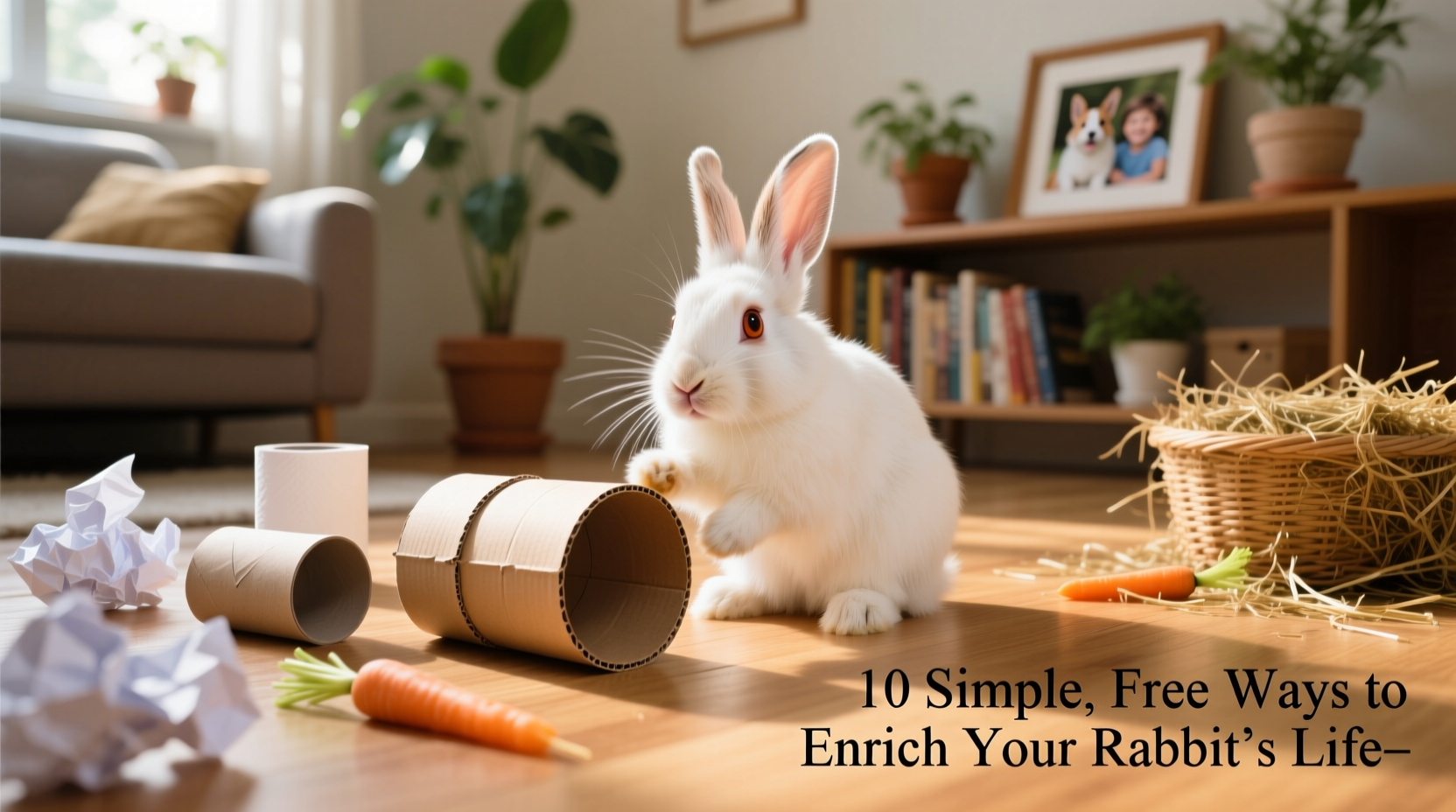
In the wild, rabbits spend much of their time searching for food, nibbling on grasses, leaves, and bark. Replicating this foraging behavior at home is one of the most effective ways to keep them mentally engaged.
Instead of placing hay in a standard rack, scatter it around the room or enclosure. Tuck small handfuls under cardboard boxes, behind tunnels, or inside paper bags. This encourages your rabbit to search, dig, and explore—activities that mimic natural behaviors and prevent boredom.
You can also hide small treats (such as a pea or a piece of apple) within shredded paper or rolled-up towels. Rotate hiding spots daily to maintain novelty. This not only entertains your rabbit but also slows down eating, which supports dental and digestive health.
DIY Toys from Household Items
Many common household objects double as excellent rabbit toys—safe, chewable, and stimulating. The key is to ensure materials are non-toxic and free from sharp edges or small parts that could be swallowed.
- Cardboard tubes and boxes: Toilet paper rolls and shipping boxes are perfect for chewing and tunneling. Flatten boxes to create “forts” or stack them loosely to build mazes.
- Paper bags: Rabbits love rustling through paper bags. Remove handles and staples, then crumple the bag slightly so your rabbit can push through it.
- Oatmeal containers or egg cartons: These can be filled with hay or treats and batted around like puzzle toys.
- Straw mats or seagrass baskets: Natural fiber mats encourage digging and chewing. Supervise initially to prevent ingestion of large pieces.
Avoid plastic toys unless specifically designed for rabbits, as many contain harmful chemicals or break into dangerous shards. Stick to biodegradable, digestible materials whenever possible.
“Enrichment doesn’t require store-bought items. A cardboard box and some hay can be more stimulating than a $20 toy.” — Dr. Rebecca Sanderson, Exotic Animal Behavior Specialist
Build a Safe Exploration Space
Rabbits are naturally drawn to new environments. Rotating or rearranging their living space provides fresh stimuli without any cost.
If your rabbit has free-roam access indoors, designate a \"bunny-safe\" zone and change its layout weekly. Move furniture slightly, add new tunnels, or introduce a different rug texture. Even repositioning their litter box or food bowls can spark curiosity.
For outdoor exploration, consider a secure, enclosed playpen or a rabbit-run in the yard. Ensure it’s predator-proof, shaded, and free of toxic plants. Grass, soil, and natural textures provide sensory enrichment that indoor environments often lack.
Supervised floor time outside their enclosure is essential. Allow your rabbit to explore different rooms (with cables hidden and baseboards protected). Rotate rooms to keep experiences novel.
Encourage Natural Behaviors with Simple Challenges
Mental stimulation comes from problem-solving. You can create simple puzzles using household items that challenge your rabbit to think and interact.
Try rolling a piece of hay inside a toilet paper tube and folding the ends. Your rabbit will need to chew and paw at it to extract the hay. Another idea: place a treat inside a clean, empty tissue box with several holes cut in the sides. Your rabbit must nudge and bat the box to get the reward.
Stack cardboard boxes with open tops to create a multi-level structure. Hide hay inside one and let your rabbit figure out how to reach it. Over time, increase complexity by adding tunnels or barriers made from books or wooden blocks (ensure stability).
| Activity | Materials Needed | Rabbit Benefit |
|---|---|---|
| Hay Hunt | Hay, paper bags, cardboard | Foraging stimulation, slow feeding |
| Tunnel Maze | Cardboard boxes, tubes | Exploration, exercise |
| Puzzle Box | Tissue box, treats | Problem-solving, mental engagement |
| Digging Pit | Shallow container, soil/straw | Instinct fulfillment, stress relief |
The goal isn’t to entertain your rabbit every moment, but to design an environment where they can choose how to spend their time—just as they would in the wild.
Mini Case Study: Max the Curious Rex
Max, a 2-year-old Mini Rex, lived in a standard cage with a plastic wheel and chew toy. His owner noticed he was chewing the cage bars and seemed lethargic during free-roam time. After consulting a rabbit-savvy vet, she learned Max was bored and stressed.
She replaced the plastic toys with cardboard boxes, added a digging tray filled with shredded paper, and began scattering his hay around the living room each morning. She rotated two different play zones—one with tunnels made from paper bags, another with a tissue-box puzzle game.
Within a week, Max stopped bar-chewing. He spent hours exploring, digging, and solving simple challenges. His energy levels improved, and he became more interactive with his family. All changes used items already in the home, costing nothing but time and creativity.
Step-by-Step Guide to a Toy-Free Enrichment Routine
Follow this weekly plan to keep your rabbit consistently stimulated without purchasing anything.
- Day 1 – Reset the Space: Rearrange furniture, tunnels, and hideouts in your rabbit’s area. Change the location of food and water.
- Day 2 – Foraging Setup: Scatter hay in multiple locations. Hide a few treats in paper rolls or under flattened boxes.
- Day 3 – Puzzle Challenge: Create a simple treat-dispensing toy using a tissue box or oat container with holes.
- Day 4 – Digging Opportunity: Introduce a digging tray with soil, shredded paper, or straw. Supervise initial use.
- Day 5 – New Texture Exploration: Place a different floor mat, towel, or blanket in their space for tactile variety.
- Day 6 – Outdoor or Room Rotation: Allow supervised time in a new room or secure outdoor run.
- Day 7 – Quiet Observation: Let your rabbit explore freely while you observe their preferences. Note which activities they engage with most.
Repeat the cycle weekly, adjusting based on your rabbit’s interests. Some bunnies prefer chewing, others digging or tunneling—tailor the routine accordingly.
Common Mistakes to Avoid
Even well-meaning owners can unintentionally limit their rabbit’s enrichment. Be mindful of these pitfalls:
- Over-relying on one toy: Rabbits habituate quickly. Rotate items every few days to maintain interest.
- Using unsafe materials: Avoid glossy paper, tape, glue, plastic, or treated wood. These can cause intestinal blockages or toxicity.
- Ignoring social needs: Enrichment isn’t just about objects. Spend time sitting on the floor with your rabbit, offering gentle interaction or quiet companionship.
- Limiting space: Cramped enclosures restrict natural movement. Ensure your rabbit has enough room to hop, stretch, and perform a full-body shake.
Frequently Asked Questions
Can I use toilet paper rolls as toys?
Yes, plain cardboard toilet paper rolls are safe and excellent for chewing and stuffing with hay. Always remove any remaining paper and ensure no adhesive residue is present.
How do I know if my rabbit is bored?
Signs include repetitive behaviors (like circling or bar-chewing), excessive grooming, lethargy, or aggression. A stimulated rabbit will explore, dig, chew, and rest peacefully rather than displaying restless habits.
Are cardboard boxes really safe for rabbits?
Plain, uncoated cardboard boxes (without ink, tape, or staples) are safe and highly recommended. Monitor your rabbit to ensure they aren’t ingesting large chunks, which could cause blockages. Replace when heavily soiled or damaged.
Final Checklist: Rabbit Enrichment on a Budget
- ✅ Scatter hay instead of using a single hay feeder
- ✅ Rotate cardboard boxes, paper bags, and tubes weekly
- ✅ Create a digging area with soil or shredded paper
- ✅ Rearrange the enclosure layout regularly
- ✅ Offer supervised exploration in new spaces
- ✅ Use household items for simple puzzle games
- ✅ Spend quiet time near your rabbit daily
- ✅ Monitor behavior for signs of boredom or stress
Conclusion: Enrichment Is a Mindset, Not a Purchase
Keeping your pet rabbit entertained doesn’t depend on how much you spend—it depends on how well you understand their needs. By tapping into their natural instincts for foraging, chewing, digging, and exploring, you can create a dynamic, engaging environment using only everyday items.
The most valuable resource you offer your rabbit isn’t a toy, but time: time to explore, to make choices, and to express themselves safely. Start small. Try one new idea today—toss a cardboard tube into their space, hide some hay under a towel, or simply sit and watch how they respond.




 浙公网安备
33010002000092号
浙公网安备
33010002000092号 浙B2-20120091-4
Comments
No comments yet. Why don't you start the discussion?