
Phones are one of the most frequently touched items in our daily lives. We carry them everywhere—pockets, bags, desks, gyms, even bathrooms—and they rarely get a break. But while we obsess over screen protectors and battery life, few consider what’s happening beneath our fingers: the phone case slowly absorbing sweat, oils, dust, and bacteria. Over time, this buildup leads to an unmistakable odor—musty, sour, or even slightly metallic. The good news is that preventing and eliminating these smells doesn’t require expensive tools or complicated routines. With consistent care and the right techniques, you can keep your phone case smelling neutral—or even fresh—for months on end.
The Science Behind Phone Case Odor
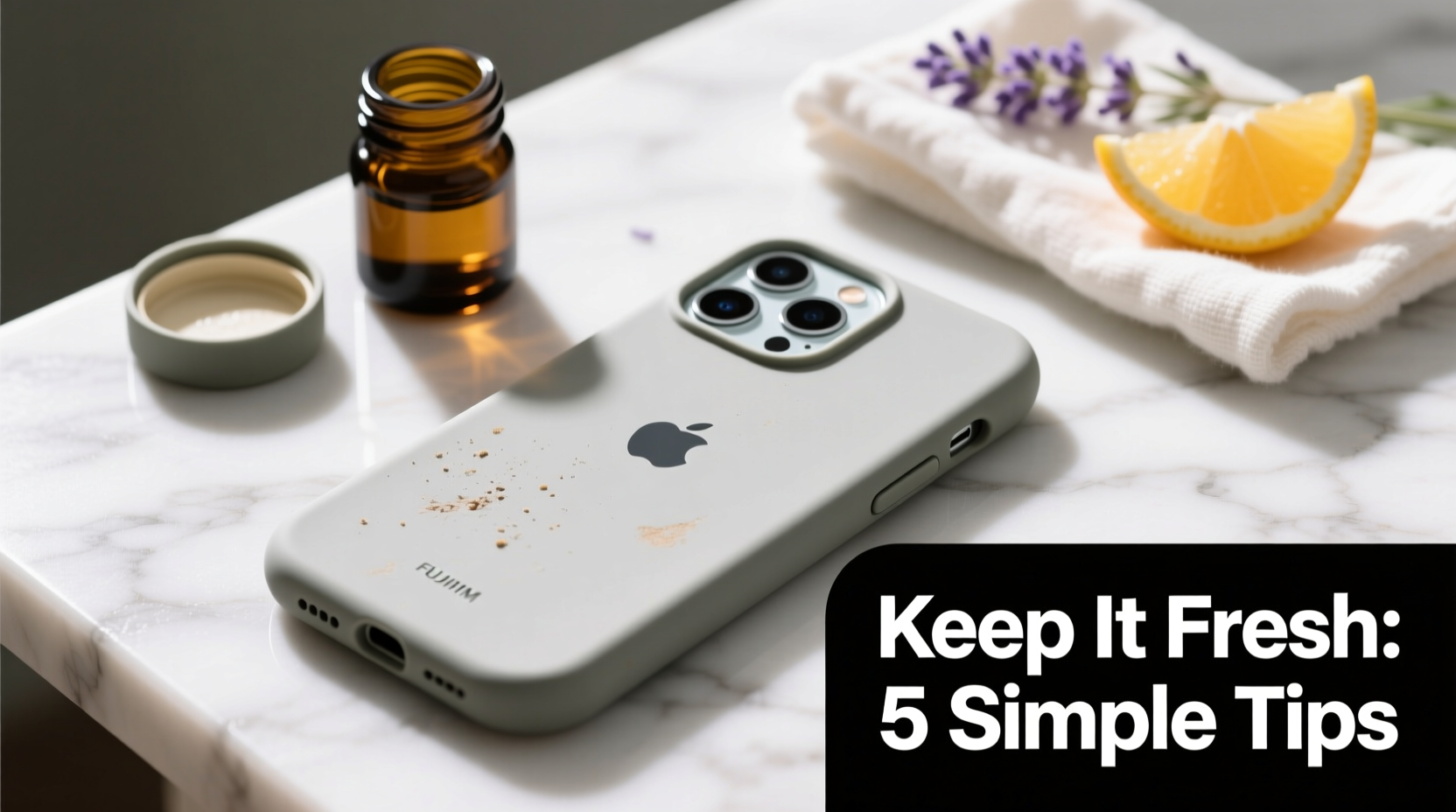
Phone cases develop odors primarily due to microbial growth. Your hands transfer natural oils, dead skin cells, and environmental contaminants onto the case surface. When combined with moisture—either from hand sweat or humid environments—these organic materials become a breeding ground for bacteria and fungi. These microbes metabolize the residue, releasing volatile organic compounds (VOCs) as byproducts, which we perceive as unpleasant smells.
Materials matter significantly. Silicone and rubber cases, while soft and protective, are porous and trap more grime than hard plastic or polycarbonate. TPU (thermoplastic polyurethane), commonly used in flexible cases, is especially prone to absorbing odors if not cleaned regularly. Even rugged cases with textured surfaces offer more nooks for bacteria to hide.
“Microbial colonization on personal electronics is common and often overlooked. Regular cleaning reduces both odor and potential health risks.” — Dr. Lena Patel, Microbiologist at the Institute for Surface Hygiene
Step-by-Step Guide to Deep Cleaning Your Phone Case
A thorough cleaning routine should be performed every 2–4 weeks, depending on usage. If you work out regularly, commute via public transit, or frequently handle food before using your phone, weekly cleaning is ideal. Follow this timeline for best results:
- Remove the case – Power off your phone and carefully detach the case. This ensures you clean all edges and corners without risking device damage.
- Rinse under lukewarm water – Hold the case under running water to wash away loose debris. Avoid hot water, which can warp certain plastics or degrade adhesives.
- Scrub with mild soap – Use a soft-bristle toothbrush and a drop of dish soap. Gently scrub all surfaces, paying close attention to grooves around buttons and ports.
- Disinfect safely – Soak the case in a solution of 70% isopropyl alcohol and water (1:1 ratio) for 5–10 minutes. This kills odor-causing bacteria without damaging most materials.
- Rinse and dry completely – Rinse off any residual alcohol and place the case on a clean towel in a well-ventilated area. Allow it to air-dry for at least 2 hours—never reattach a damp case.
Everyday Habits to Prevent Smell Buildup
Cleaning is essential, but prevention is more effective in the long run. Incorporate these daily practices to minimize odor development:
- Wash your hands regularly – Especially after eating, exercising, or being outdoors. Cleaner hands mean less grime transferred to your case.
- Avoid placing your phone in pockets or bags immediately after workouts – Sweat-soaked fabric transfers moisture and bacteria directly to the case.
- Don’t eat while holding your phone – Crumbs and grease seep into seams and feed microbial colonies.
- Keep your phone out of humid environments – Bathrooms and kitchens increase moisture exposure, accelerating bacterial growth.
- Use screen-only mode when possible – If you’re at home or in a clean environment, remove the case temporarily to let it breathe.
Think of your phone case like a kitchen sponge—it’s constantly exposed to contaminants. Just as you wouldn’t use a sponge for months without cleaning, your case deserves regular maintenance.
Material Comparison: Which Cases Resist Odors Best?
Not all phone cases are created equal when it comes to odor resistance. Some materials naturally resist bacterial adhesion and are easier to clean. Below is a comparison of common case types based on odor retention, ease of cleaning, and durability.
| Material | Odor Resistance | Ease of Cleaning | Durability | Best For |
|---|---|---|---|---|
| Silicone | Poor | Moderate | Good | Shock absorption; not ideal for sweaty environments |
| TPU (Flexible Plastic) | Fair | Good | Very Good | Balanced protection; needs frequent cleaning |
| Polycarbonate (Hard Plastic) | Excellent | Excellent | Good | Low-maintenance users; resists stains and smells |
| Leather | Fair | Poor | Good | Style-focused users; avoid moisture exposure |
| Biodegradable / Eco-Friendly Cases | Poor to Fair | Fair | Fair | Eco-conscious buyers; may degrade faster with moisture |
If odor prevention is a top priority, opt for a hard-shell polycarbonate case. Its non-porous surface resists absorption and wipes clean effortlessly. While less cushioned than silicone, many modern versions include raised edges and internal bumpers for adequate drop protection.
Mini Case Study: From Stinky to Spotless
Jamie, a 28-year-old fitness instructor in Austin, noticed her once-fresh black silicone phone case had developed a persistent sour smell after six months of daily gym use. She carried her phone in her gym bag, wiped it down occasionally with a tissue, but never removed or deep-cleaned the case. After reading about bacterial buildup on electronics, she decided to test a cleaning regimen.
She removed the case, soaked it in a 50/50 isopropyl alcohol solution for 8 minutes, then scrubbed it with a toothbrush and mild soap. After thorough drying, she reattached it—and was surprised at how much lighter and cleaner it felt. To maintain freshness, Jamie now removes the case weekly for a quick rinse and stores it separately from sweaty gear. Three months later, the case still smells neutral and shows no signs of yellowing or degradation.
This real-world example underscores a key point: consistent, minimal effort beats infrequent deep cleaning. Small habits make a lasting difference.
DIY Deodorizing Methods That Actually Work
Sometimes, even after cleaning, a faint odor lingers. In such cases, natural deodorizers can help absorb residual smells without damaging the material.
- Baking soda – Place the case in a sealed container with two tablespoons of baking soda overnight. Baking soda absorbs moisture and neutralizes acidic compounds responsible for sour odors.
- Activated charcoal – Known for its superior adsorption properties, activated charcoal packets (often found in shoe boxes or supplement bottles) can be stored with the case for 24–48 hours to pull out trapped smells.
- Sunlight exposure – UV rays have natural disinfecting properties. Lay the case in indirect sunlight for 1–2 hours. Avoid direct, prolonged sun to prevent fading or brittleness.
Checklist: Monthly Phone Case Maintenance Routine
To stay ahead of odor development, follow this simple checklist every month—or every two weeks for heavy users:
- □ Remove phone case and inspect for visible dirt or discoloration
- □ Rinse under lukewarm water to remove loose debris
- □ Scrub with soft brush and mild dish soap
- □ Soak in 70% isopropyl alcohol solution for 5–10 minutes
- □ Rinse thoroughly and air-dry completely (minimum 2 hours)
- □ Optional: Deodorize with baking soda or activated charcoal overnight
- □ Reattach only when fully dry
- □ Wipe down phone itself with alcohol wipe (avoid ports)
Set a recurring calendar reminder to ensure consistency. Over time, this process takes less than 15 minutes and dramatically extends the usable life of your case.
FAQ: Common Questions About Phone Case Odors
Can smelly phone cases make me sick?
While most bacteria on phone cases aren’t harmful to healthy individuals, they can include species like Staphylococcus epidermidis or Enterobacter, which may pose risks for people with weakened immune systems. Regular cleaning reduces microbial load and associated hygiene concerns.
Why does my new phone case already smell?
Some cases, especially low-quality TPU models, emit a “plastic” or chemical odor due to off-gassing of manufacturing residues. This usually fades within 1–2 weeks. To speed up the process, wash the case with soapy water and leave it in a ventilated area for 24–48 hours.
How often should I replace my phone case?
Even with proper care, most cases should be replaced every 6–12 months. Signs it’s time for a replacement include yellowing, cracking, persistent odor despite cleaning, or reduced structural integrity. Frequent replacement is a small cost for improved hygiene and device protection.
Final Thoughts: Small Care, Big Impact
Your phone case plays a silent but significant role in your daily hygiene. It’s in constant contact with your hands, face, and personal spaces—yet it’s rarely given the attention it deserves. By understanding how odors form and adopting simple, sustainable cleaning habits, you can maintain a fresher, more pleasant user experience.
It’s not about perfection. A quick rinse, a weekly wipe, or storing your case away from damp areas can drastically reduce odor buildup. Choose materials wisely, clean consistently, and don’t ignore early warning signs like stickiness or discoloration. Your future self—and anyone who borrows your phone—will thank you.




 浙公网安备
33010002000092号
浙公网安备
33010002000092号 浙B2-20120091-4
Comments
No comments yet. Why don't you start the discussion?