
Succulents are often praised for their resilience and minimal care needs—until winter arrives. In colder months, shorter days and overcast skies drastically reduce natural light, especially in northern climates. For indoor gardeners without access to bright windows or sunrooms, this poses a real threat to succulent health. Without adequate light, even the hardiest species can stretch, weaken, and eventually die.
The good news is that survival doesn’t depend solely on sunlight. With the right adjustments to watering, temperature, humidity, and supplemental lighting, you can maintain thriving succulents all winter long—even in dimly lit apartments or basements. This guide delivers actionable, science-based strategies to help you navigate the challenges of low-light winter care and keep your plants vibrant until spring returns.
Understanding Succulent Light Needs in Winter
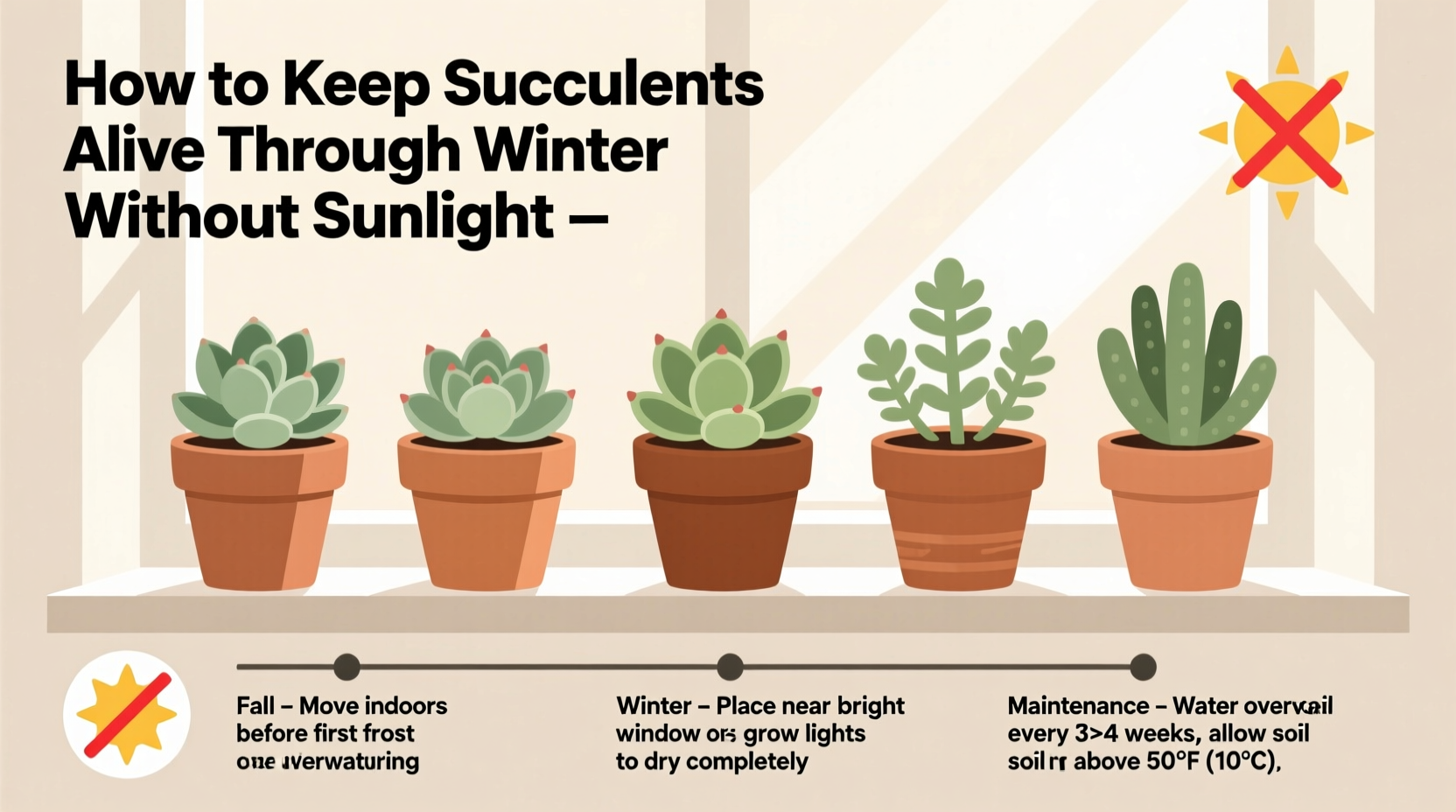
Succulents evolved in arid, sun-drenched regions where they receive intense, direct sunlight for most of the day. Indoors, especially during winter, replicating these conditions is difficult. Most homes receive less than half the light available outdoors, and window placement significantly affects exposure. North-facing rooms may get only indirect, weak light, while south-facing ones offer more—but still not enough for optimal growth.
In winter, succulents enter a semi-dormant state. Their metabolic processes slow, meaning they require less water and nutrients but still need sufficient light to maintain structure and prevent etiolation—the stretching and weakening caused by light deprivation. While they don’t grow much during this time, they must remain photosynthetically active to survive.
Without sunlight, the key is to provide an alternative light source and adjust other care factors to compensate. The goal isn’t growth—it’s preservation.
Using Artificial Light as a Sunlight Substitute
When natural sunlight is unavailable, full-spectrum LED grow lights are the most effective replacement. Unlike incandescent or fluorescent bulbs, modern LEDs emit wavelengths that closely mimic sunlight, supporting photosynthesis without excessive heat or energy use.
For succulents, choose lights labeled “full spectrum” (5000K–6500K color temperature) with high PAR (Photosynthetically Active Radiation) output. Position the light 6–12 inches above the plants and run it for 12–14 hours per day. A simple timer ensures consistency, which is crucial for plant stability.
| Light Type | Pros | Cons | Best For |
|---|---|---|---|
| Full-spectrum LED | Energy-efficient, cool operation, long lifespan | Higher upfront cost | All succulent types, long-term use |
| Fluorescent (T5/T8) | Affordable, widely available | Bulbs degrade over time, less intense | Small collections, temporary setups |
| Incandescent | Cheap initial cost | High heat, inefficient, poor spectrum | Not recommended |
Place lights on adjustable stands or clip-on fixtures to accommodate different plant heights. Rotate pots weekly to ensure even exposure and prevent lopsided growth. Over time, monitor for signs of stress: pale leaves indicate insufficient light, while brown spots may mean the bulb is too close.
“Plants don’t need sunlight per se—they need photons. As long as you deliver the right wavelengths at sufficient intensity, artificial light can fully replace the sun.” — Dr. Linda Chen, Horticultural Scientist, University of Vermont
Adjusting Watering and Soil Practices for Low-Light Conditions
One of the deadliest mistakes in winter succulent care is overwatering—especially when light is limited. Photosynthesis slows without adequate light, reducing the plant’s ability to use water. Excess moisture sits in the soil, promoting root rot and fungal growth.
To prevent this, adopt a “soak and dry” method with extended intervals. Water only when the soil is completely dry throughout the pot—not just at the surface. In low-light winter conditions, this may mean watering once every 3–6 weeks, depending on humidity and temperature.
Use a well-draining soil mix specifically formulated for succulents. A standard blend includes equal parts potting soil, perlite, and coarse sand or pumice. Avoid moisture-retentive additives like peat moss, which hold water too long in cold, dark environments.
Pots matter too. Always use containers with drainage holes. Terracotta is ideal because it wicks away moisture and improves air circulation around roots. Avoid decorative pots without drainage or those made of sealed ceramics that trap water.
Step-by-Step Winter Watering Routine
- Check soil moisture depth using a skewer or moisture meter.
- Water thoroughly until liquid drains from the bottom—never let the pot sit in water.
- Empty the saucer immediately after drainage.
- Wait at least three weeks before checking again.
- Resume normal frequency only when daylight increases in early spring.
Managing Temperature and Humidity Indoors
Indoor heating systems create warm but dry air—ideal for humans but challenging for succulents that prefer stable temperatures and moderate airflow. Sudden drafts from windows or heaters can shock plants, while excessively dry air may cause leaf shriveling.
Maintain room temperatures between 50°F and 70°F (10°C–21°C). Most common succulents tolerate brief dips below 50°F, but prolonged cold increases rot risk, especially in wet soil. Keep plants away from radiators, vents, and drafty windows.
Humidity should remain low—below 50%. High humidity combined with low light creates a perfect environment for mold and mealybugs. If your home is humid (e.g., due to cooking or lack of ventilation), use a small fan on low speed near the plants to improve air circulation. Do not mist succulents; moisture on leaves invites rot.
If growing under grow lights, ensure there’s space between the fixture and the ceiling to prevent heat buildup. LEDs run cool, but enclosed spaces can still trap warmth. Monitor temperature with a digital hygrometer placed near the plants.
Real Example: Reviving a Stretched Echeveria in a Basement Apartment
Sarah, a plant enthusiast in Minneapolis, kept her succulents on a north-facing windowsill through fall. By December, her Echeveria ‘Perle von Nürnberg’ began stretching dramatically—its rosette elongated, leaves spaced far apart, and color faded from purple to pale green.
She moved the plant to a shelf under a $30 full-spectrum LED strip light, setting it on a timer for 13 hours daily. She repotted it in fresh succulent mix using a terracotta pot and reduced watering to once every four weeks. Within six weeks, new growth appeared tighter and more compact. Though the original stem remained stretched, the plant stopped deteriorating and produced healthy offsets by February.
Her experience underscores a critical point: intervention works, even in extreme low-light settings. Recovery isn’t about reversing damage but halting decline and encouraging resilient new growth.
Essential Winter Care Checklist
- ✅ Assess current light levels—move plants closer to windows or install grow lights.
- ✅ Switch to a strict “dry before watering” schedule.
- ✅ Repot struggling plants in fast-draining soil and unglazed pots.
- ✅ Install full-spectrum LED lights with a 12–14 hour timer.
- ✅ Keep plants away from cold drafts and hot air vents.
- ✅ Inspect weekly for pests like mealybugs, which thrive in stagnant air.
- ✅ Rotate pots regularly for even light exposure.
- ✅ Avoid fertilizing—succulents do not need nutrients in winter.
Frequently Asked Questions
Can I keep succulents in a windowless room?
Yes, but only with consistent artificial lighting. A windowless bathroom or office can work if equipped with a full-spectrum LED grow light on a timer. Natural light is preferable, but not essential when alternatives are properly managed.
Why are my succulent leaves turning yellow and mushy?
This is typically a sign of root rot caused by overwatering in low-light conditions. Stop watering immediately, remove the plant from its pot, trim any black or soft roots, and repot in dry, gritty soil. Wait one week before watering again.
Should I prune etiolated (stretched) succulents in winter?
It’s best to wait until spring when light levels increase and the plant can recover faster. However, if the stem is unsightly or unstable, you can cut it back now and place the top cutting under grow lights to root. Just ensure the cut end calluses over for 2–3 days before replanting.
Final Tips for Success
Surviving winter without sunlight isn’t about mimicking summer conditions—it’s about adapting to seasonal limitations. Accept that growth will stall and focus instead on maintaining plant integrity. Prioritize light and dryness over aesthetics.
Some succulents handle low light better than others. Consider favoring shade-tolerant varieties like Haworthia, Gasteria, or certain Sansevieria species during winter months. These adapt more readily to indoor conditions and are less prone to etiolation.
Finally, be patient. Plants respond slowly, especially in dormancy. Don’t panic at minor changes; instead, track progress monthly. Healthy roots and firm leaves mean your care strategy is working—even if growth isn’t visible.
“The secret to winter succulent care isn’t perfection—it’s consistency. Small, reliable actions beat dramatic interventions every time.” — Carlos Mendez, Indoor Plant Specialist, Brooklyn Botanic Garden
Take Action Today
Your succulents don’t need a greenhouse or southern exposure to survive winter. They need smart, attentive care tailored to their seasonal needs. Whether you’re growing a single jade plant on a desk or managing a collection in a basement studio, the tools to succeed are within reach. Invest in a grow light, refine your watering habits, and stay vigilant. By spring, your plants won’t just survive—they’ll be ready to thrive.




 浙公网安备
33010002000092号
浙公网安备
33010002000092号 浙B2-20120091-4
Comments
No comments yet. Why don't you start the discussion?