
White bed sheets bring a sense of freshness, cleanliness, and elegance to any bedroom. But maintaining that crisp, hotel-like brightness over time is a common challenge. Sunlight, body oils, sweat, and repeated washing can all contribute to dulling, yellowing, or graying. While many turn to chlorine bleach for a quick fix, it degrades fabric fibers and harms the environment. Similarly, specialty detergents marketed for whitening often come with high price tags and questionable ingredient lists.
The good news? You don’t need harsh chemicals or expensive products to preserve the brilliance of your linens. With consistent care, strategic laundering techniques, and naturally powerful ingredients already in your pantry, you can maintain brilliantly white sheets for years. This guide outlines proven, eco-friendly methods that are gentle on fabrics and tough on stains and discoloration.
Why White Sheets Lose Their Luster
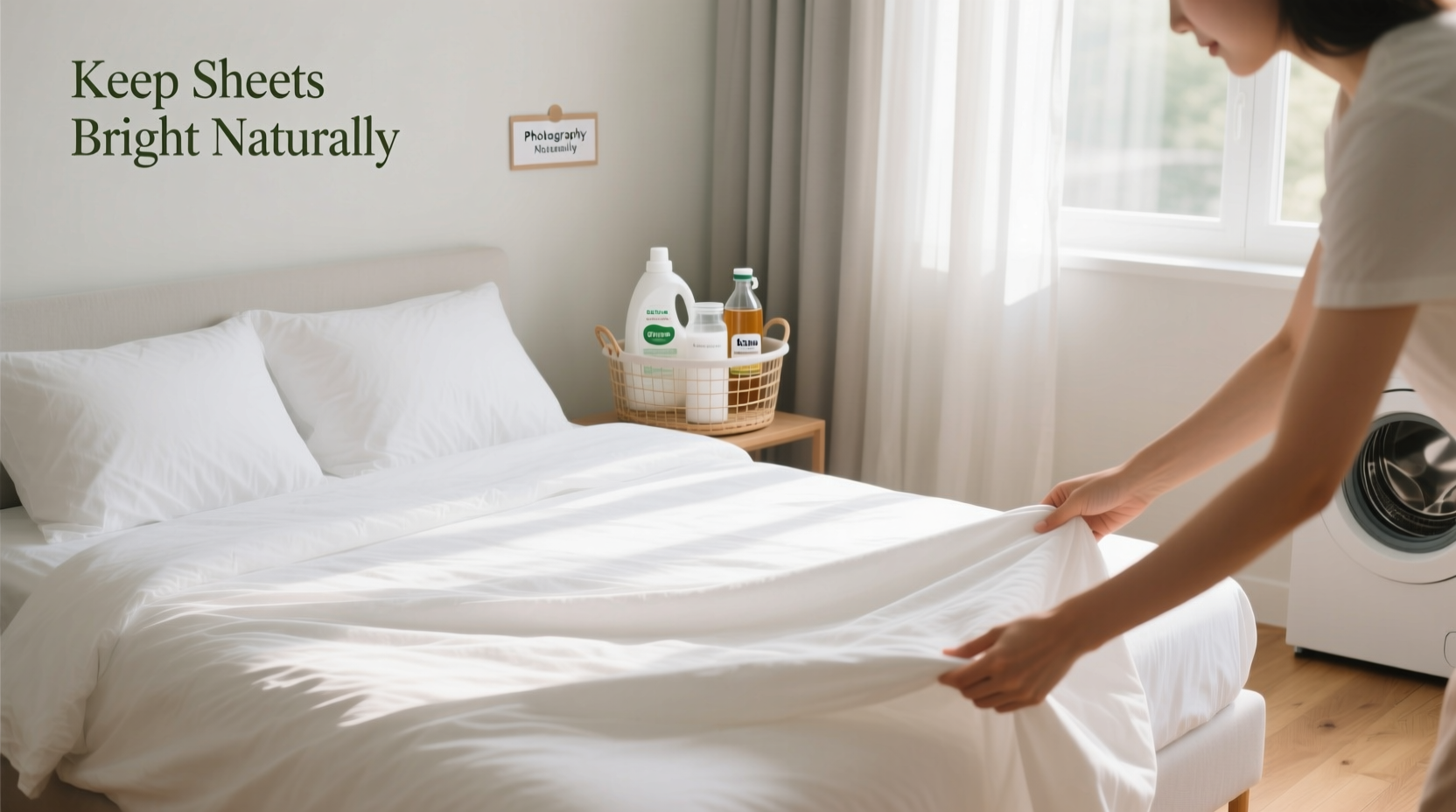
Understanding what causes white sheets to yellow or gray is the first step toward preventing it. The culprits are often invisible but persistent:
- Sweat and body oils: These transfer onto sheets nightly and can oxidize, leading to yellowing—especially around pillowcases and fitted sheet corners.
- Laundry detergent residue: Overuse or poor rinsing leaves behind buildup that attracts dirt and dulls fabric.
- Hard water minerals: Calcium and magnesium in tap water bind to fabric, creating a grayish film and reducing cleaning efficiency.
- Improper drying: Drying sheets while still damp encourages mildew, which leads to musty odors and staining.
- Frequent exposure to sunlight: While UV light has natural bleaching properties, prolonged direct sun can degrade cotton fibers and cause brittleness.
Addressing these root causes—not just masking them with bleach—is essential for long-term results.
Natural Alternatives to Bleach That Actually Work
Bleach may offer immediate whitening, but it weakens cotton and linen over time, making sheets thin and fragile. Fortunately, several natural alternatives not only brighten but also deodorize and soften without compromising fabric integrity.
Baking Soda: The pH Balancer
Baking soda (sodium bicarbonate) boosts your detergent’s cleaning power by softening water and neutralizing acidic residues like sweat. It lifts dirt and helps maintain whiteness with every wash.
Add ½ cup directly to the drum before loading sheets. For extra-stubborn dinginess, soak sheets in warm water with 1 cup baking soda for 30 minutes prior to washing.
White Vinegar: The Mineral Remover
Vinegar dissolves soap scum, hard water deposits, and mineral buildup that make sheets feel stiff and look dull. Its mild acidity breaks down organic residues without damaging fibers.
Add ½ cup of distilled white vinegar to the rinse cycle—or use the fabric softener dispenser. Avoid mixing vinegar directly with baking soda in the same cycle, as they neutralize each other. Use them in separate loads or different parts of the wash cycle.
Hydrogen Peroxide: The Gentle Oxidizer
Unlike chlorine bleach, hydrogen peroxide (3% solution) is non-toxic and biodegradable. It releases oxygen when agitated, helping lift stains and brighten whites safely.
Add 1 cup to the bleach dispenser or during the wash cycle. Best used on cotton or linen; test on delicate blends first. Combine with baking soda for enhanced effect.
Sunlight: Nature’s Whitener
UV rays have natural photodegradation properties that break down organic compounds causing discoloration. Hanging white sheets outside in direct sunlight is one of the oldest—and most effective—whitening methods.
After washing, hang sheets to dry outdoors when possible. Rotate them halfway through drying to ensure even exposure. Limit extended exposure to prevent fiber degradation.
“Sunlight is free, sustainable, and remarkably effective at restoring brightness. I recommend line-drying whites whenever weather permits.” — Dr. Lena Peterson, Textile Chemist & Sustainable Laundry Consultant
Step-by-Step Guide to Brighter Whites Without Bleach
Follow this routine monthly—or more often if needed—to keep your sheets consistently bright:
- Pre-treat stained areas: Spot clean collar marks or sweat stains with a paste of baking soda and water. Let sit for 15–20 minutes before washing.
- Sort carefully: Wash white sheets separately from colored laundry to avoid dye transfer and contamination.
- Use lukewarm to hot water: Hot water (up to 60°C/140°F for cotton) improves cleaning efficiency, especially with natural boosters. Check care labels first.
- Add boosters: Place ½ cup baking soda in the drum, then add sheets and regular detergent. If your machine has a pre-wash, add boosters there.
- Rinse thoroughly: Add ½ cup white vinegar to the rinse cycle to remove residue and soften fabric.
- Dry wisely: Tumble dry on low or medium heat, or better yet, air-dry in sunlight. Shake sheets out before drying to reduce wrinkles.
- Store properly: Keep clean sheets in a cool, dry place away from humidity and direct light to prevent premature aging.
Do’s and Don’ts for Maintaining Bright White Sheets
| Do’s | Don’ts |
|---|---|
| Wash sheets weekly in hot water (if fabric allows) | Overload the washing machine—sheets need room to agitate |
| Use vinegar in the rinse cycle to remove buildup | Use fabric softeners regularly—they coat fibers and trap dirt |
| Air-dry in sunlight for natural whitening | Leave damp sheets bunched up—this breeds mildew |
| Rotate between two sets of sheets to extend life | Mix whites with colors—even “light” grays can transfer dye |
| Spot treat stains immediately with baking soda paste | Ignore yellowing—it gets harder to reverse over time |
Real Example: Reviving a Yellowed Set of Linens
Sarah, a homeowner in Portland, Oregon, noticed her favorite set of Egyptian cotton sheets had turned dingy after two years of regular use. She avoided bleach due to sensitivities and didn’t want to buy specialty detergents. Following a four-week restoration plan, she restored their brightness using only household items.
Week 1: She washed the sheets with hot water, ½ cup baking soda, and her regular plant-based detergent. She added ½ cup vinegar in the rinse cycle.
Week 2: She soaked the sheets overnight in warm water with 1 cup baking soda and 1 cup hydrogen peroxide. After soaking, she washed them normally with vinegar in the rinse.
Week 3: She line-dried the sheets in full sun for three consecutive days, rotating them midday.
Week 4: She repeated the soak-and-wash method and stored the sheets in a breathable cotton bag.
Result: The sheets regained 90% of their original brightness, felt softer, and no longer held odors. Sarah now maintains them with monthly vinegar rinses and seasonal sun treatments.
Checklist: Monthly Sheet Brightening Routine
- ☐ Inspect sheets for stains or yellowing
- ☐ Pre-treat problem areas with baking soda paste
- ☐ Soak in warm water with 1 cup baking soda + 1 cup hydrogen peroxide (optional)
- ☐ Wash in hottest safe water with regular detergent + ½ cup baking soda
- ☐ Add ½ cup white vinegar to the rinse cycle
- ☐ Dry in direct sunlight if possible
- ☐ Store in a dry, ventilated space
- ☐ Clean washing machine with vinegar flush
Frequently Asked Questions
Can I use lemon juice instead of vinegar?
Yes, lemon juice contains citric acid, which can help brighten whites. However, it’s less consistent than vinegar and may leave a sticky residue if not rinsed well. Use ½ cup fresh lemon juice in the rinse cycle, but avoid prolonged sun exposure immediately after, as lemon can increase UV damage to fibers.
How often should I deep-clean my white sheets?
A monthly deep-cleaning routine—using a soak with baking soda and hydrogen peroxide—is ideal for maintaining brightness. If you sweat heavily or skip weekly washes, consider doing it every 2–3 weeks.
Are wool dryer balls safe for white sheets?
Absolutely. Wool dryer balls reduce drying time, soften fabric naturally, and minimize static—without the chemical residues found in dryer sheets. Some even add a few drops of essential oil to them for a light scent.
Conclusion: Bright Sheets Start with Smart Habits
Keeping white sheets bright doesn’t require bleach, specialty detergents, or costly gadgets. It requires consistency, awareness of what dulls fabric, and the smart use of natural, accessible ingredients. Baking soda, vinegar, hydrogen peroxide, and sunlight form a powerful, eco-conscious toolkit for maintaining freshness and brilliance.
By integrating these practices into your routine, you’ll not only extend the life of your linens but also create a cleaner, healthier sleep environment. Your sheets will feel fresher, look crisper, and last longer—all without harsh chemicals or unnecessary expenses.




 浙公网安备
33010002000092号
浙公网安备
33010002000092号 浙B2-20120091-4
Comments
No comments yet. Why don't you start the discussion?