
The personal care industry is booming, and grooming services—whether for men, pets, or specialized skincare—are in high demand. Launching a grooming business offers flexibility, creative freedom, and strong profit potential when executed with strategy and precision. However, success doesn’t come from simply offering quality services; it requires thoughtful planning, market understanding, and operational excellence. From concept to client retention, here’s how to build a grooming brand that stands out and thrives.
1. Define Your Niche and Service Offerings
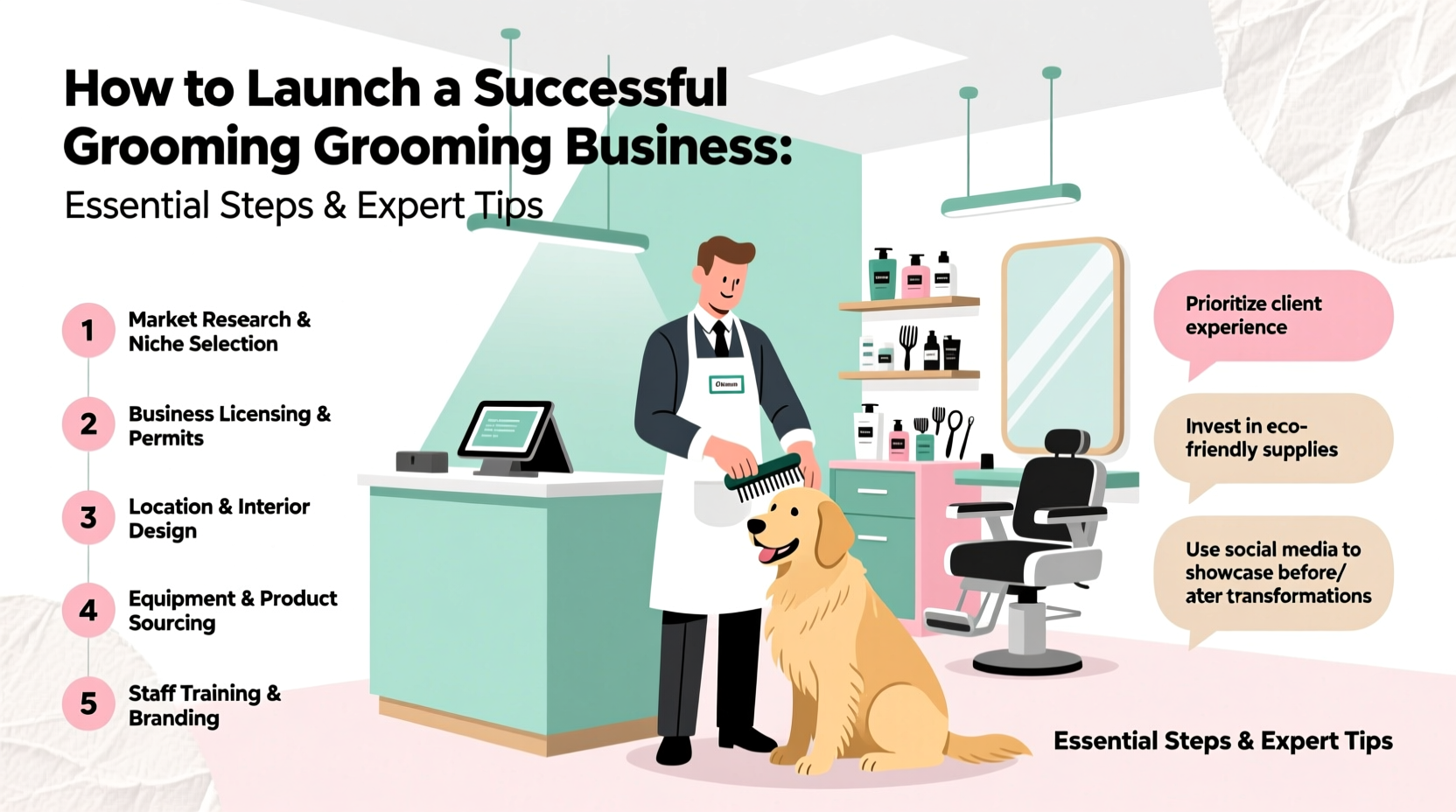
One of the first decisions you’ll make is determining your niche. The term “grooming” spans multiple markets: men’s grooming (barbering, beard trims, facial treatments), pet grooming, bridal or event grooming, and even eco-conscious skincare-focused studios. Choosing a specific focus allows you to tailor your branding, pricing, and marketing more effectively.
Ask yourself: Who is your ideal client? Are they urban professionals seeking premium beard care? Pet owners looking for stress-free grooming experiences? Once identified, design a service menu that meets their needs without overextending your capabilities early on.
For example, a men’s grooming lounge might offer:
- Precision haircut and styling
- Hot towel beard trim
- Facial exfoliation and hydration treatment
- Classic straight-razor shave
- Grooming product retail
2. Develop a Solid Business Plan
A well-structured business plan serves as your roadmap. It should include:
- Executive Summary: Brief overview of your business concept, mission, and goals.
- Market Analysis: Research on local competition, target demographics, and pricing trends.
- Services and Pricing: Detailed list of offerings with cost structure and profit margins.
- Marketing Strategy: How you’ll attract and retain clients (online presence, promotions, partnerships).
- Financial Projections: Startup costs, operating expenses, break-even analysis, and revenue forecasts.
According to the U.S. Small Business Administration, businesses with formal plans grow 30% faster than those without. Estimate startup costs carefully—these may include equipment, licensing, lease deposits, insurance, and initial marketing.
Sample Startup Cost Breakdown
| Item | Estimated Cost | Notes |
|---|---|---|
| Professional Tools (clippers, shears, etc.) | $1,500–$3,000 | Invest in durable, ergonomic brands |
| Licensing & Permits | $200–$800 | Varies by location and service type |
| Rent & Buildout (first month + deposit) | $3,000–$7,000 | Commercial space or mobile setup |
| Website & Branding | $1,000–$2,500 | Logo, domain, SEO, social media |
| Insurance | $500–$1,200/year | Liability and property coverage |
3. Build a Strong Brand Identity
Your brand is more than a logo—it’s the experience clients expect every time they interact with your business. A cohesive brand builds trust and encourages word-of-mouth referrals.
Choose a memorable name that reflects your values (e.g., \"Urban Mane Studio\" for a modern men’s barbershop). Design consistent visuals: color palette, typography, and tone of voice across your website, social media, packaging, and signage.
Consider these branding essentials:
- Professional logo and business cards
- Clean, intuitive website with online booking
- Signature scent or music playlist in your space
- Uniforms or branded apparel for staff
“Clients don’t just pay for a haircut—they pay for an experience. Your brand should communicate confidence, care, and consistency.” — Jamal Reyes, Salon Owner & Industry Consultant
4. Legal Setup and Operational Foundations
Before opening, ensure your business is legally compliant. Key steps include:
- Choose a legal structure: Sole proprietorship, LLC, or corporation—each has tax and liability implications.
- Register your business name: File with your state and obtain an EIN from the IRS.
- Obtain licenses and permits: Cosmetology or pet grooming licenses, health department approvals, signage permits.
- Secure insurance: General liability, professional liability, and property insurance are critical.
- Set up accounting: Use software like QuickBooks or Xero to track income, expenses, and taxes.
Step-by-Step Launch Timeline (8 Weeks)
| Week | Milestones |
|---|---|
| 1–2 | Finalize niche, write business plan, select business name |
| 3–4 | Register business, secure licenses, open bank account |
| 5–6 | Design brand assets, build website, order equipment |
| 7 | Train team (if applicable), test booking system, soft launch |
| 8 | Grand opening, launch marketing campaign, collect feedback |
5. Attract and Retain Clients
Acquiring your first clients is about visibility and value. Begin with hyper-local marketing:
- Partner with nearby cafes, gyms, or boutiques for cross-promotions.
- Offer limited-time discounts for first-time customers.
- Encourage reviews on Google and Yelp to boost local SEO.
- Leverage Instagram and TikTok with behind-the-scenes content and client transformations.
Client retention is equally important. Implement a loyalty program (e.g., “Buy 5 services, get 1 free”) and follow up with personalized thank-you messages or birthday offers.
Mini Case Study: From Garage to Award-Winning Grooming Lounge
Carlos Mendez started his men’s grooming service in his garage in Austin, Texas, charging $25 for cuts and shaves. He focused on exceptional customer experience—offering complimentary coffee, hot towels, and honest skincare advice. Within six months, he built a loyal following through Instagram before moving into a storefront. By year two, Carlos had hired two stylists, launched a private-label beard oil line, and was featured in *Texas Lifestyle Magazine*. His secret? “I treated every client like a friend—not just a sale.”
Frequently Asked Questions
Do I need formal certification to start a grooming business?
Yes, most regions require a cosmetology, barber, or pet grooming license depending on your service type. Check with your state’s board of cosmetology or department of agriculture (for pet groomers) for exact requirements.
Is a physical location necessary?
Not necessarily. Many successful grooming entrepreneurs operate mobile units or rent chair space in existing salons. Mobile services can reduce overhead and increase convenience for clients.
How much can a grooming business earn annually?
Earnings vary by location and scale. Independent groomers can make $40,000–$80,000 per year, while established studios with multiple staff can exceed $200,000 in annual revenue. Profit margins typically range from 30% to 50% after expenses.
Conclusion: Turn Passion Into Profit
Launching a successful grooming business takes more than technical skill—it demands strategic thinking, brand clarity, and relentless attention to client experience. Whether you're shaping beards, styling pets, or revitalizing skin, your expertise fills a real need in people’s lives. With the right foundation, marketing savvy, and commitment to excellence, your grooming venture can grow from a side hustle into a respected local brand.




 浙公网安备
33010002000092号
浙公网安备
33010002000092号 浙B2-20120091-4
Comments
No comments yet. Why don't you start the discussion?