
Starting an IT business can be one of the most rewarding career moves in today’s digital-first economy. With demand for technology solutions growing across industries, now is an ideal time for skilled professionals to turn their expertise into a sustainable venture. However, technical knowledge alone isn’t enough. Success depends on strategic planning, market understanding, customer focus, and operational discipline. For beginners, navigating this transition from technician to entrepreneur requires clear direction and practical steps.
Define Your Niche and Service Offerings
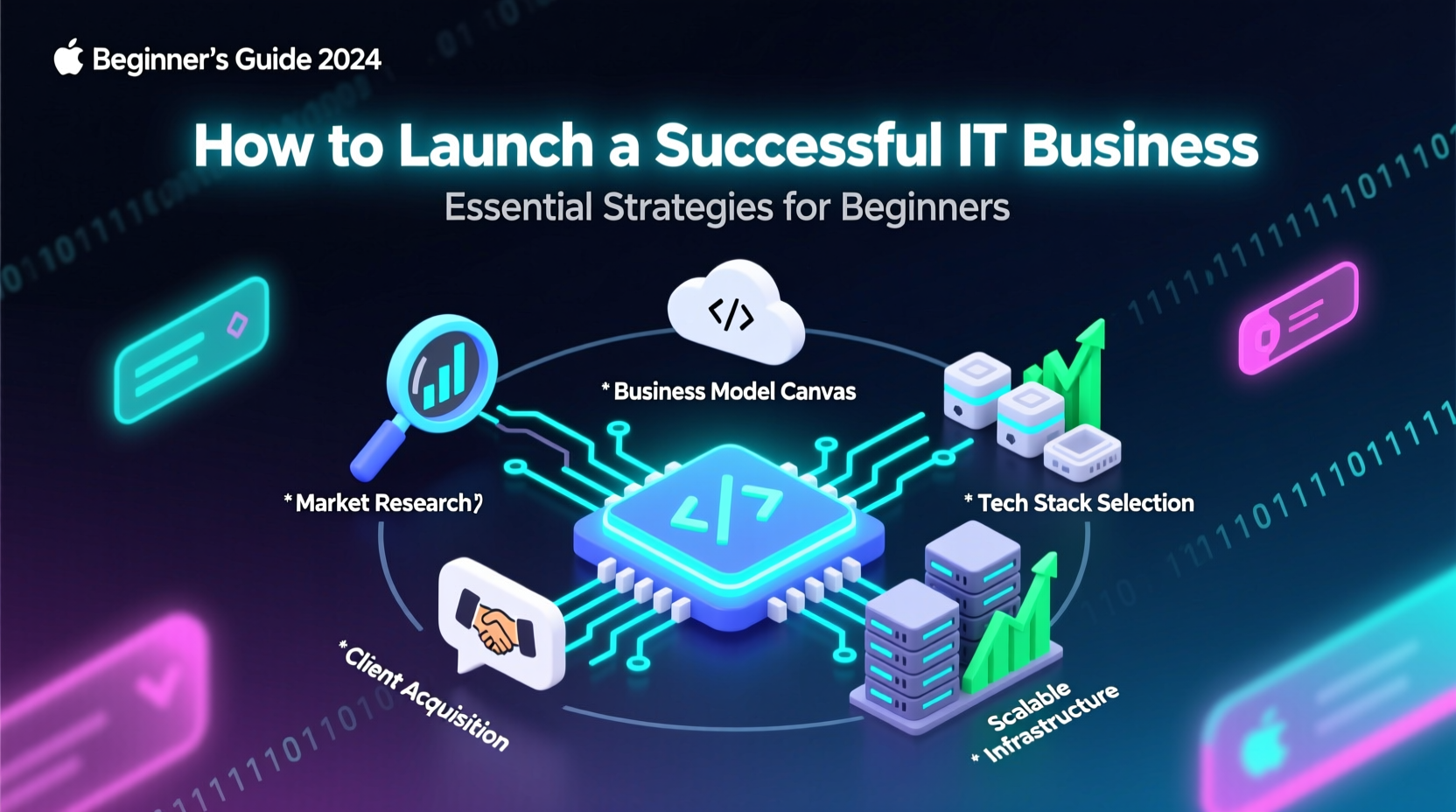
The first step in launching a successful IT business is identifying your niche. The tech industry is vast—ranging from cybersecurity and cloud computing to software development and managed IT services. Trying to serve everyone leads to diluted efforts and weak positioning. Instead, focus on a specific area where you have both expertise and market demand.
For example, small businesses often lack in-house IT support but need reliable help with network setup, data backup, and cybersecurity. Others may specialize in developing custom apps for startups or offering digital transformation consulting to mid-sized companies.
Ask yourself: Who needs my skills most? What problems can I solve better than others? Answering these questions helps define a compelling value proposition.
Create a Lean Business Plan
You don’t need a 50-page document to get started, but a lean business plan keeps you aligned and accountable. It should include:
- Business Model: Will you charge hourly, per project, or via monthly retainers?
- Target Market: Define your ideal client (e.g., local dental clinics, e-commerce stores).
- Pricing Strategy: Research competitors and determine fair, profitable rates.
- Revenue Goals: Set realistic short-term and long-term income targets.
- Growth Path: Outline how you’ll scale—from solo operator to hiring team members.
“Clarity precedes mastery. If you can’t explain your business in one sentence, you’re not ready to scale.” — Paul Adams, Tech Entrepreneur & Former VP at Dropbox
Step-by-Step Launch Timeline (First 90 Days)
- Week 1–2: Finalize your niche and service list.
- Week 3–4: Register your business, open a bank account, set up accounting software.
- Week 5–6: Build a simple website and create professional email addresses.
- Week 7–8: Develop pricing packages and draft service agreements.
- Week 9–12: Acquire first 3 clients through networking, referrals, or freelance platforms.
Build Credibility and Market Smartly
No matter how skilled you are, customers won’t hire you if they don’t trust you. Early credibility comes from visibility, consistency, and proof of results.
Start by creating valuable content—blog posts, short videos, or LinkedIn articles—that address common pain points in your niche. For instance, “5 Signs Your Small Business Needs Better Cybersecurity” positions you as a helpful expert, not just another vendor.
Leverage free tools like Google Business Profile, social media, and local business directories to increase discoverability. Attend chamber of commerce events or tech meetups to build relationships.
| Marketing Channel | Best For | Beginner-Friendly? |
|---|---|---|
| Referrals & Word-of-Mouth | Trust-based services like IT support | Yes – low cost, high conversion |
| LinkedIn Outreach | B2B lead generation | Moderate – requires consistent effort |
| Google Ads | Immediate visibility for local searches | No – expensive without expertise |
| Email Newsletters | Staying top-of-mind with prospects | Yes – use free tools like Mailchimp |
Operational Excellence from Day One
Many IT entrepreneurs fail not because of poor technical skills, but due to disorganized operations. Even as a solo founder, you must treat your business professionally.
Use project management tools like Trello or Notion to track tasks. Invoicing platforms such as FreshBooks or Wave ensure timely payments. Document standard procedures—even simple checklists—for recurring work like server setups or password resets. This creates consistency and makes future delegation easier.
Also, invest in contracts. A clear service agreement protects both you and your client. Include scope of work, response times, payment terms, and data handling policies.
Mini Case Study: From Side Hustle to Six-Figure IT Firm
Jamal, a former helpdesk technician, started offering after-hours IT support to local retail shops near his hometown. He began by fixing point-of-sale systems and setting up Wi-Fi networks. Within six months, he had five regular clients on retainer.
He created short tutorial videos showing how to reset routers or update antivirus software—shared them on Facebook groups for small business owners. One video went semi-viral locally, leading to eight new inquiries. By year two, he hired two technicians and moved into a shared office space. Today, his company manages IT for over 30 small businesses.
His secret? Solve urgent, visible problems first. Build trust through reliability. Then expand offerings gradually.
Avoid Common Pitfalls
New IT business owners often make preventable mistakes that slow growth or damage reputation. Be aware of these:
- Underpricing services: Charging too little attracts difficult clients and limits reinvestment.
- Neglecting legal basics: Operating without contracts or proper registration risks liability.
- Ignoring cash flow: Profits on paper mean nothing if bills can’t be paid this month.
- Trying to scale too fast: Hiring before processes are stable leads to chaos.
“Your reputation is built in moments of stress—when the server crashes at 2 AM, not during the sales pitch.” — Lila Chen, Founder of SecureEdge IT Solutions
Essential Startup Checklist
- ✅ Choose a unique, memorable business name
- ✅ Register your business and obtain necessary licenses
- ✅ Open a dedicated business bank account
- ✅ Set up basic accounting (use QuickBooks or Xero)
- ✅ Create a professional website with contact form
- ✅ Define 2–3 core services with clear pricing
- ✅ Draft a client contract template
- ✅ Get business insurance (especially cyber/liability)
- ✅ Launch on at least two online directories
- ✅ Secure your first paying client
FAQ
Do I need certifications to start an IT business?
Not legally, but certifications like CompTIA A+, Network+, or AWS Certified Solutions Architect boost credibility and help win contracts, especially with larger clients or government agencies.
How much should I charge for IT services?
Entry-level managed IT services typically range from $100–$180 per hour. Retainer models (e.g., $500–$2,000/month per client) provide predictable income. Research local competitors and adjust based on experience and complexity.
Can I run an IT business from home?
Yes. Most IT businesses start as home-based operations. Ensure you have a reliable internet connection, secure data practices, and a professional communication setup (e.g., business phone number, domain email).
Conclusion
Launching a successful IT business as a beginner isn’t about having all the answers—it’s about taking smart, consistent actions. Focus on solving real problems for a well-defined group of clients. Deliver exceptional service, document your processes, and build trust one relationship at a time. The technical side will come naturally; the entrepreneurial mindset grows with practice.




 浙公网安备
33010002000092号
浙公网安备
33010002000092号 浙B2-20120091-4
Comments
No comments yet. Why don't you start the discussion?