
Short-sleeved jackets—think chore coats, truckers, field jackets, or lightweight bombers—are versatile staples in many wardrobes. But when temperatures dip, their lack of sleeves can leave arms exposed and the core vulnerable to cold. The solution isn’t to abandon them for heavier outerwear. Instead, strategic layering allows you to keep wearing your favorite short-sleeved pieces while staying warm, comfortable, and agile. With the right materials, fits, and sequence, you can build effective thermal protection that doesn’t sacrifice style or mobility.
Understanding the Layering Principle
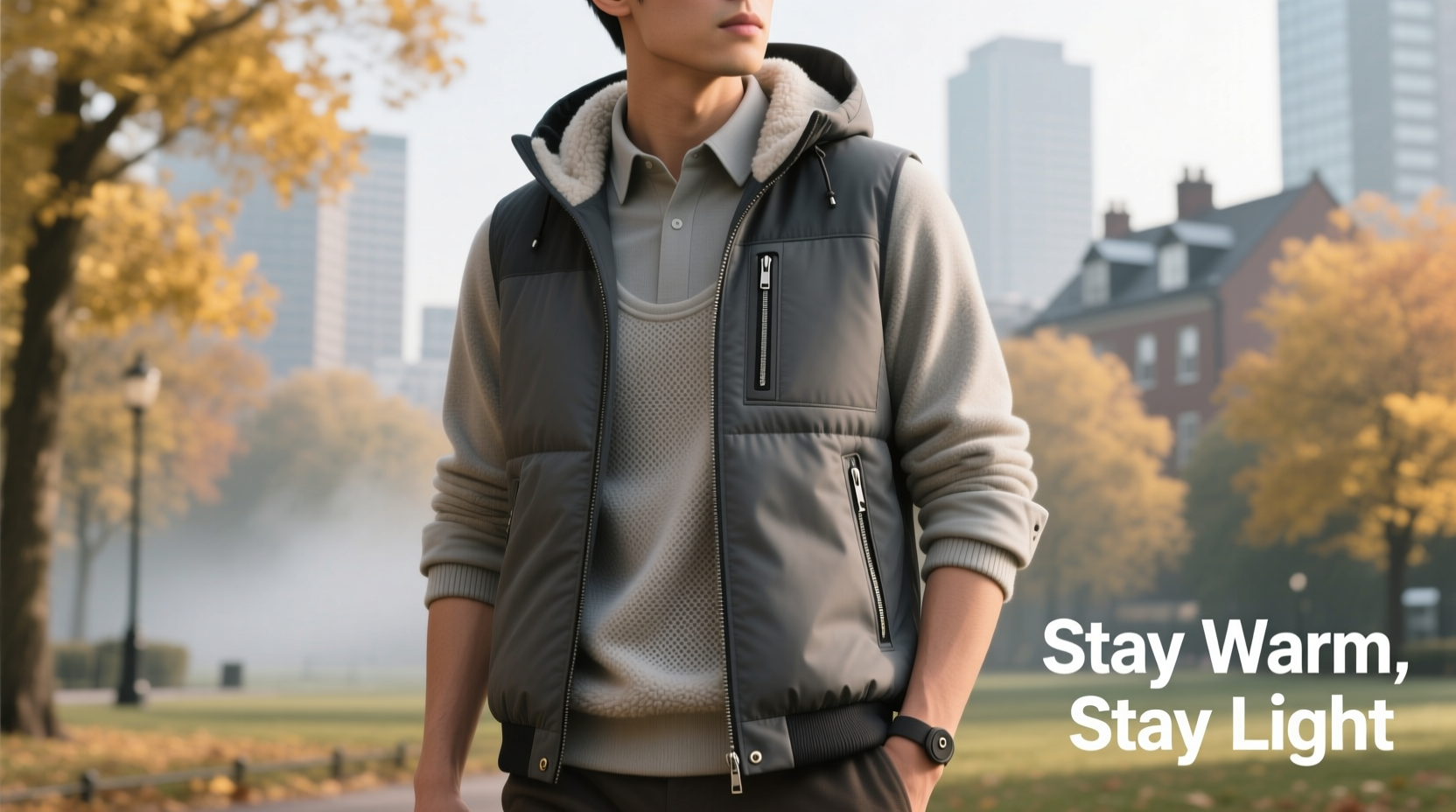
Effective layering follows a three-tier system: base, mid, and outer. Each layer has a specific function. The base wicks moisture, the mid insulates, and the outer protects from wind and weather. For short-sleeved jackets, the challenge lies in maintaining insulation around the torso while managing arm exposure and avoiding excess volume at the shoulders and chest.
The key is selecting slim-profile fabrics with high warmth-to-weight ratios. Bulky layers defeat the purpose—mobility suffers, and the jacket may not close properly. Focus on precision: each layer should fit snugly but not tightly, allowing heat retention without compression that restricts blood flow or movement.
Choosing the Right Base Layer
The foundation of any successful layering strategy is the base layer. This garment sits directly against the skin and manages moisture. In cooler conditions, a good base layer pulls sweat away before it turns cold, helping regulate body temperature.
Merino wool is ideal for this role. It naturally resists odor, wicks efficiently, and provides surprising warmth even when damp. Synthetic blends like polyester or nylon are also effective, especially for high-activity scenarios where rapid drying matters. Avoid cotton—it absorbs moisture and loses insulating properties when wet.
Fit is critical. A base layer should be form-fitting but not restrictive. Look for flat seams to reduce chafing, especially under arm movement. Crew necks work well under most collars, while zip-necks offer ventilation control during transitions between indoor and outdoor environments.
“Thermal regulation starts at the skin. A poor base layer undermines every other layer, no matter how advanced.” — Dr. Lena Torres, Outdoor Apparel Researcher, University of Colorado
Mid-Layer Options for Targeted Warmth
The mid-layer traps body heat. With a short-sleeved jacket, you want insulation concentrated on the core—chest, back, and abdomen—without adding unnecessary thickness to the arms. This means avoiding full-zip fleeces or heavy hoodies that bunch at the shoulders.
Better options include:
- Slim-fit merino or synthetic sweaters: Lightweight turtlenecks or shawl-collared knits add warmth without puffiness.
- Quilted vests: These insulate the core while leaving arms free, making them ideal under open-front jackets.
- Lightweight down or synthetic gilets: Compressible and highly efficient, they add serious warmth with minimal weight.
- Long-sleeve performance tees: When combined with a vest, these create a balanced thermal zone.
Vests are particularly effective because they align perfectly with the coverage of most short-sleeved jackets. They eliminate gaps along the sides and prevent heat loss from the lower back and kidneys—areas often overlooked in casual dressing.
Step-by-Step: Building a No-Bulk Layering Sequence
- Start with a moisture-wicking base layer. Choose long sleeves in merino or technical fabric.
- Add a core-focused mid-layer. Slip on a fitted vest or thin sweater that stops at the waist.
- Ensure smooth transitions. Check that sleeve cuffs don’t ride up and that the collar lies flat under the jacket.
- Put on your short-sleeved jacket. Confirm it zips or buttons without strain and that shoulder seams align naturally.
- Test mobility. Raise your arms, twist your torso, and simulate common movements to ensure unrestricted motion.
Material and Fit Considerations
Not all fabrics behave the same under compression. Some lose loft when sandwiched between layers, reducing their insulating power. Down, for example, requires space to loft; if compressed by a tight jacket, its effectiveness plummets. In such cases, synthetic insulation (like PrimaLoft) performs better because it retains warmth even when packed.
Fabric stretch also plays a role. Materials with 2–5% elastane allow greater freedom of movement and adapt better to layered builds. Knits with mechanical stretch recover well after stress, maintaining shape over time.
Fit coordination is equally important. Your base should be snug, your mid-layer semi-fitted, and your jacket slightly relaxed—but not oversized. If the outer jacket flares too much, it creates drafts and reduces thermal efficiency.
| Layer | Ideal Fit | Recommended Materials | Avoid |
|---|---|---|---|
| Base | Slim, skin-hugging | Merino wool, polyester blend | Cotton, loose weaves |
| Mid | Fitted to semi-fitted | Light fleece, quilted synthetics, fine knit | Bulky wool, thick hoodies |
| Outer (jacket) | Regular to slightly loose | Cotton canvas, nylon, waxed cotton | Tight cuts, stiff fabrics |
Real-World Example: Urban Commuter in Fall Weather
Jamal lives in Portland, Oregon, where fall mornings hover around 45°F (7°C) with frequent drizzle. He rides his bike to work and wears a classic denim trucker jacket—short-sleeved, stylish, but not inherently warm. To adapt it for daily use, he layers strategically.
He starts with a long-sleeve merino base in charcoal gray. Over that, he adds a black synthetic-filled vest with a subtle sheen. The vest ends just below the ribcage, aligning with the jacket’s hem. His trucker jacket slips on easily, and the rolled cuffs of the base layer peek subtly at the wrist, adding visual interest.
The result? Core warmth maintained, arms remain mobile, and no overheating occurs during his 20-minute commute. Indoors, he removes the jacket and stays comfortable in just the base and vest. This system extends the wearable season of his favorite jacket by nearly two months.
Common Mistakes to Avoid
- Over-layering: Adding more than two layers beneath a short-sleeved jacket usually leads to restricted movement and overheating.
- Ignoring sleeve length: Long sleeves that extend past the jacket’s edge expose skin to wind. Opt for base layers with slightly shorter sleeves or roll them once.
- Mismatched textures: Rough inner layers can irritate skin or catch on jacket linings. Smooth finishes work best.
- Forgetting ventilation: If you generate heat during activity, choose layers with zip vents or wear open-collar bases to release steam.
Checklist: Optimize Your Short-Sleeved Jacket Layering
- ✅ Choose a moisture-wicking, long-sleeve base layer
- ✅ Add a core-focused mid-layer (vest or slim sweater)
- ✅ Ensure all layers are trim-fitting without constriction
- ✅ Test range of motion before heading out
- ✅ Match materials for breathability and warmth retention
- ✅ Avoid cotton in any layer exposed to sweat or damp
- ✅ Store layers together for quick morning assembly
FAQ
Can I wear a hoodie under a short-sleeved jacket?
You can, but only if it’s a lightweight, low-bulk pullover with a flat collar. Thick hoodies add volume at the shoulders and often prevent proper closure. For better results, opt for a hoodie vest or pair a slim sweatshirt with a separate hooded liner.
What if my arms get cold?
Since short-sleeved jackets leave forearms exposed, consider arm warmers or compression sleeves made from merino or thermal knit. They’re easy to pack and provide targeted warmth without affecting torso layers.
Is layering effective in rainy conditions?
Yes, but only if the outer jacket is water-resistant. Moisture penetration will collapse insulation and increase heat loss. Wax cotton, treated nylon, or modern technical shells work best. Avoid untreated canvas in prolonged wetness.
Conclusion
Layering a short-sleeved jacket effectively isn’t about piling on clothes—it’s about intelligent design, smart material choices, and precise fit. By focusing on core insulation, using strategic pieces like vests, and maintaining breathability, you can stay warm and agile without sacrificing style. These jackets don’t need to be retired when the air turns crisp. With the right approach, they become part of a dynamic, adaptable wardrobe system that performs across seasons.




 浙公网安备
33010002000092号
浙公网安备
33010002000092号 浙B2-20120091-4
Comments
No comments yet. Why don't you start the discussion?