
As the holidays approach, homes naturally gravitate toward warmth—both in temperature and atmosphere. One of the most inviting ways to achieve this is through layered blankets and throws. But while a pile of plush textiles can feel like a hug from the inside out, too many patterns, textures, or mismatched colors can quickly turn festive into chaotic. The key lies not in restraint alone, but in thoughtful curation. With the right approach, you can create a cozy, visually balanced space that celebrates the season without sacrificing your existing decor.
Layering isn’t just about piling on fabric—it’s about creating depth, comfort, and intentionality. Whether your style leans rustic farmhouse, modern minimalist, or traditional elegance, there’s a way to incorporate holiday throws that enhance rather than overpower. This guide walks through practical strategies, aesthetic principles, and real-life applications to help you master the art of seasonal layering.
Choose a Cohesive Color Palette
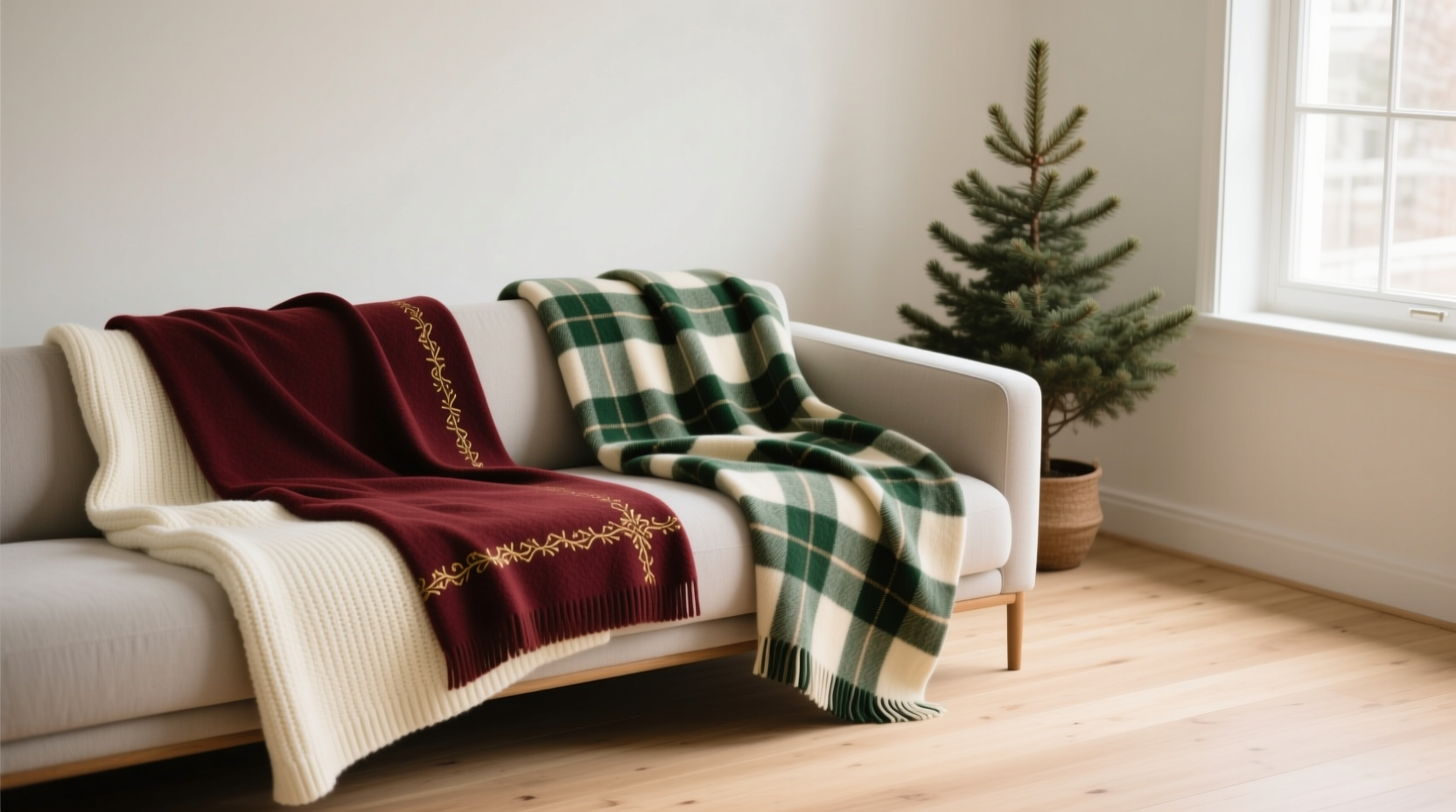
The foundation of any successful layering strategy begins with color. Without a unifying palette, even the softest fabrics can clash and create visual noise. Start by identifying your room’s dominant hues and build from there. If your living space features neutral tones like cream, gray, or beige, you have more flexibility to introduce seasonal shades such as cranberry red, forest green, or deep navy.
Limit your throw colors to three main shades: one base (matching your sofa or chair), one accent (a pop of holiday color), and one metallic or textured neutral (like ivory with gold threading or charcoal with velvet sheen). This keeps the look intentional and avoids the “department store display” effect.
Balance Texture and Weight
Texture adds tactile interest and dimension, but it must be balanced. A common mistake is combining too many heavy or fluffy materials, which can make seating areas look cluttered and uncomfortable. Instead, vary the weight and weave of your throws.
For example, drape a chunky knit wool throw over one arm of the sofa, then add a lighter-weight faux fur or cable-knit cotton throw folded at the opposite end. This contrast creates visual movement and invites use. Avoid placing multiple bulky throws on the same piece of furniture unless the seating area is extra large—otherwise, it eats up usable space and feels excessive.
“Texture should tell a story of comfort, not chaos. One statement throw per seat is usually enough.” — Clara Mendez, Interior Stylist & Seasonal Design Consultant
| Throw Type | Best For | Use With Caution When... |
|---|---|---|
| Chunky knit wool | Neutral sofas, minimalist rooms | Small furniture or busy patterns |
| Faux fur | Luxury or glam themes | Already using multiple textured pillows |
| Cable-knit cotton | Family-friendly spaces | High heat environments (can pill) |
| Plaid flannel | Rustic, cabin, or traditional decor | Modern or monochrome interiors |
| Velvet with metallic thread | Festive accents, evening gatherings | With other shiny fabrics |
Follow the Rule of Three for Layering
In design, the rule of three suggests that odd numbers are more visually appealing and natural to the eye. Apply this principle when layering throws and coordinating pillows. Instead of draping a throw on every chair, focus on three key zones: the main sofa, an accent chair, and a bench or ottoman.
Within each zone, limit layers to no more than two complementary pieces. For instance, fold a red-and-white striped cotton throw at the end of the sofa, then casually drape a cream-colored cashmere-blend throw over one arm. This combination offers variety without overcrowding.
If you’re working with a sectional, avoid covering every segment. Choose one focal point—typically where guests gather—and keep secondary sections minimal. This draws attention to the curated area and prevents the entire room from feeling overloaded.
Step-by-Step: How to Layer Throws Like a Pro
Creating a polished look doesn’t require professional training—just a clear sequence. Follow these steps before decorating your space for the holidays:
- Assess your current setup. Remove all existing throws and pillows. Take note of your furniture’s color, shape, and primary function (e.g., daily lounging vs. formal seating).
- Select a theme or mood. Decide whether you want “cozy cabin,” “modern winter,” or “classic Christmas.” This guides your fabric and color choices.
- Pick your hero throw. Choose one standout blanket—a luxe texture or signature pattern—that will serve as the centerpiece.
- Add a supporting layer. Introduce a second throw in a complementary material or tone. Ensure it contrasts slightly in weight or drape.
- Style with purpose. Drape one throw loosely over an arm, fold another at the backrest. Avoid symmetry unless your room design is formal; slight asymmetry feels more lived-in.
- Step back and evaluate. View the arrangement from across the room. If it looks busy or blocks seating, simplify by removing one layer.
Real Example: A Cozy Yet Calm Living Room Makeover
Sarah, a homeowner in Portland, wanted to embrace the holidays without turning her light-gray linen sofa into a Christmas catalog spread. Her living room blends Scandinavian minimalism with warm wood accents, so she worried about clashing styles.
She began by selecting a single oversized cream bouclé throw with subtle silver stitching—soft, textural, and seasonally appropriate without being overtly festive. Then, she added a narrow runner-style plaid blanket in muted burgundy and cream, draped lengthwise along the back cushions.
To complete the look, she placed two matching linen pillows at the front and one red velvet lumbar pillow in the center. The result was a layered yet airy feel—festive enough for December, but still harmonious with her everyday decor. Guests consistently commented on how inviting the space felt, without sensing anything was “overdone.”
Sarah’s success came from editing: she resisted adding a third throw, avoided matching curtains or rugs to the plaid, and kept side tables clear. Her restraint amplified the impact of what remained.
Do’s and Don’ts of Holiday Throw Layering
Avoid common pitfalls by following this simple comparison guide:
| Do | Don’t |
|---|---|
| Match one throw color to your existing accent pillows | Introduce a new color family unrelated to your decor |
| Fold heavier throws at the end of the sofa | Drape bulky knits over both arms and the back |
| Use natural fibers for breathability and elegance | Overload synthetic fleece, which can look cheap |
| Rotate throws weekly to prevent flattening | Leave the same arrangement up for six weeks straight |
| Store off-season throws in breathable cotton bags | Keep them compressed in plastic bins, which trap moisture |
Create a Seasonal Throw Checklist
Stay organized and intentional with this pre-decorating checklist:
- ☐ Audit current throws: Which ones are in good condition? Which are outdated?
- ☐ Define your holiday color scheme based on existing decor
- ☐ Select one “statement” throw and one “supporting” throw per main seating area
- ☐ Wash and freshen all blankets before display
- ☐ Plan placement: decide where each throw will live (draped, folded, tucked)
- ☐ Limit total throws to three per room (fewer in small spaces)
- ☐ Schedule a mid-season refresh: swap one throw after two weeks for renewed interest
- ☐ Label storage bins for easy post-holiday packing
FAQ: Common Questions About Layering Holiday Throws
Can I mix Christmas patterns with non-holiday throws?
Absolutely—but do it mindfully. Pair a subtle tartan or snowflake-patterned throw with solid neutrals like ivory, charcoal, or camel. Avoid combining multiple holiday prints (e.g., reindeer + stripes + trees) unless they share a unified color story.
How do I keep pet-friendly throws looking nice?
Opt for durable, machine-washable fabrics like cotton blend or tightly woven acrylic. Avoid long-loop knits that snag easily. Keep a rotation of two sets: one on display, one ready to swap in after washing. Brush pets before they lounge to reduce shedding on fabrics.
When should I take down holiday throws?
Most designers recommend transitioning out full holiday decor by January 2nd. However, you can extend the life of neutral winter throws (like cream wool or slate gray) into early January. Pack away overtly festive ones—think Santa motifs or bright red/green combos—sooner to reset your space mentally and visually.
Final Thoughts: Less Is More, Even at Christmas
The holiday season invites indulgence, but interior harmony thrives on balance. Layering Christmas blankets and throws shouldn’t mean covering every surface in festive fabric. Instead, think of each throw as a deliberate stroke in a larger design—meant to invite touch, provide warmth, and subtly signal the season.
By anchoring your choices in color, varying texture wisely, and editing ruthlessly, you create a space that feels both celebratory and serene. Your home can radiate holiday cheer without losing its everyday soul. Comfort and style don’t have to compete—they can coexist, especially when guided by intention.




 浙公网安备
33010002000092号
浙公网安备
33010002000092号 浙B2-20120091-4
Comments
No comments yet. Why don't you start the discussion?