
As the holiday season approaches, homes come alive with warmth, color, and light. One of the most understated yet transformative techniques in festive decorating is placing Christmas lights behind sheer curtains. This simple method diffuses the brightness of the bulbs, creating a gentle, ethereal glow that radiates through the room—and often out into the night beyond the windows. Unlike stark or overly bright displays, this approach offers subtle elegance, turning any window into a softly illuminated canvas of warmth.
The appeal lies not only in aesthetics but also in versatility. Whether you live in an apartment with limited outdoor space, prefer a minimalist holiday look, or simply want to enhance your interior ambiance without overwhelming it, layered lights behind sheer drapes offer a refined solution. When done thoughtfully, the result feels intentional, cozy, and inviting—like candlelight seen through frosted glass, but with the reliability and safety of modern LED technology.
Why Sheer Curtains Are Ideal for Light Diffusion
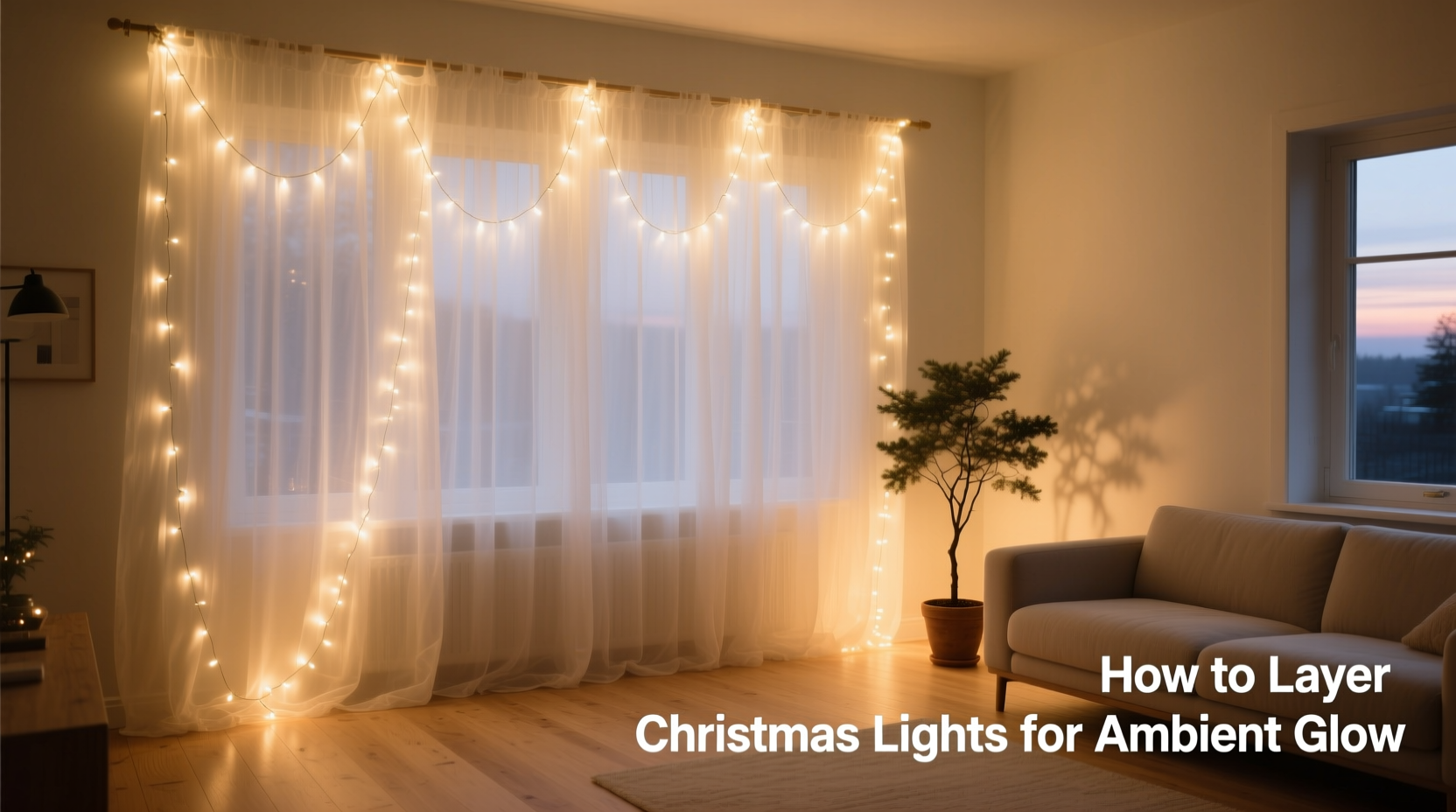
Sheer curtains are made from lightweight, translucent fabrics such as voile, chiffon, or lace. Their primary function is to filter natural light during the day while maintaining privacy. At night, when backlit by artificial sources, they act as natural diffusers, scattering direct beams and softening harsh edges. This makes them perfect partners for string lights.
Unlike blackout or heavy drapes, which absorb or block light, sheers allow illumination to pass through evenly. The fabric breaks up individual points of light, blurring them into a continuous wash of glow. This effect mimics the softness of twilight or moonlight, making rooms feel more serene and intimate.
Additionally, sheer curtains add texture and dimension. Depending on the weave and opacity, they can create delicate patterns across walls and ceilings, subtly shifting as air moves through the room. This dynamic quality brings life to static lighting setups, enhancing the sense of movement and warmth.
Choosing the Right Lights for Layering
Not all Christmas lights work equally well when layered behind curtains. Several factors determine how effective and pleasing the final effect will be.
Bulb Type: Miniature LED string lights are ideal. They emit less heat than incandescent bulbs, making them safer near fabric. Their low energy consumption also allows for extended use without concern for overheating or high electricity bills.
Color Temperature: Warm white (2700K–3000K) produces a golden, candle-like hue that complements most interiors and evokes traditional holiday warmth. Cool white or multicolor lights can appear clinical or garish when diffused, unless used intentionally for modern or playful themes.
Spacing and Density: Lights with closer bulb spacing (e.g., 4–6 inches apart) create a more uniform glow. Wider spacing results in visible dots of light rather than a seamless wash. For best results, choose strings with at least 50 bulbs per 16.4 feet (5 meters).
Power Source: Plug-in lights provide consistent brightness over long durations. Battery-operated sets offer flexibility but may dim over time and require frequent replacements, especially if left on for hours each evening.
“Layered lighting behind sheers transforms a basic string of lights into something poetic—a floating halo of warmth that feels both nostalgic and contemporary.” — Lila Monroe, Interior Stylist & Holiday Design Consultant
Step-by-Step Guide: Installing Lights Behind Sheer Curtains
Proper installation ensures even lighting, safety, and ease of maintenance throughout the season. Follow these steps for optimal results.
- Measure Your Window Frame
Determine the width and height of the window where you plan to install the lights. Most curtain rods extend beyond the frame, so measure from outer edge to outer edge of the rod for accuracy. - Select Compatible String Lights
Purchase enough strands to cover the vertical or horizontal span of the window. If layering vertically along the sides, two strands (one per side) are typically sufficient. For full coverage, consider crisscrossing or creating a grid pattern. - Turn Off Power Before Installation
Safety first. Ensure the outlet is switched off before plugging in any lights, especially if working near metal fixtures or damp areas. - Attach Lights to the Wall or Window Frame
Use clear adhesive hooks, tapeless mounting clips, or removable putty designed for lightweight décor. Avoid nails or permanent adhesives that could damage paint or trim. Start at the top corner and run the strand vertically down the side of the window, securing every 12–18 inches. - Position the Sheer Curtain in Front
Once the lights are secured, close the sheer curtain so it lies flat between the lights and the room. The fabric should fully cover the string to maximize diffusion. If using double-layer sheers, ensure both layers are closed for a deeper, softer effect. - Test and Adjust Placement
Plug in the lights and observe the glow from inside and outside the room. Look for dark spots or uneven brightness. Reposition clips or add secondary strands if needed to fill gaps. - Set a Timer or Smart Plug
Connect the lights to a timer or smart plug to automate on/off cycles. Setting them to turn on at dusk and off at bedtime conserves energy and maintains consistency.
Design Variations and Creative Applications
While the basic technique remains consistent, there are multiple ways to customize the look based on room layout, personal taste, and existing décor.
- Vertical Side Glow: Run lights along both sides of the window, creating a framed effect. This works especially well in bedrooms or living rooms where the focus is on relaxation.
- Horizontal Header Accent: Place a single strand across the top of the window above the curtain rod. This mimics a glowing valance and draws the eye upward.
- Full Backdrop Coverage: For large bay windows or floor-to-ceiling glass, create a grid pattern with multiple strands. Use cross-lacing techniques similar to wrapping a gift for dense, even illumination.
- Mix with Other Lighting: Combine behind-curtain lights with table lamps or floor lights to build layered ambient lighting. The curtain glow acts as a background layer, enhancing overall mood without dominating.
- Seasonal Flexibility: Though ideal for Christmas, this method works year-round. Swap warm white for cool white in spring, or use colored LEDs for birthdays and celebrations.
| Design Style | Light Color | Curtain Type | Effect |
|---|---|---|---|
| Traditional Cozy | Warm White | White Voile | Soft golden haze, nostalgic warmth |
| Modern Minimalist | Cool White | Gray Sheer | Clean, airy, slightly futuristic |
| Romantic Bedroom | Fairy Lights (Dimmable) | Lace Panel | Delicate patterned shadows |
| Festive Celebration | Multicolor (Warm Base) | Double Sheer | Vibrant but softened rainbow glow |
Common Mistakes to Avoid
Even small missteps can diminish the desired effect or pose risks. Be mindful of the following pitfalls:
- Using Overly Bright or Flashing Lights: Strobe or twinkle modes break the illusion of continuity. Opt for steady-on settings to preserve the ambient feel.
- Placing Lights Too Far from the Curtain: Distance creates shadows and reduces diffusion. Keep lights within 1–3 inches of the fabric surface.
- Ignoring Ventilation: While LEDs run cool, enclosing them tightly in thick fabric or sealed spaces can trap heat. Always leave some airflow around the wires.
- Overloading Outlets: Connecting too many strands in series can trip circuits or damage wiring. Check manufacturer guidelines for maximum load limits.
- Forgetting Accessibility: Make sure plugs and switches remain reachable for maintenance or emergency shutoffs. Concealing cords behind furniture increases risk.
Mini Case Study: A City Apartment Holiday Transformation
Jessica, a graphic designer living in a fourth-floor Brooklyn apartment, wanted to celebrate the holidays without cluttering her compact space. Her living room had one large window facing the street—ideal for visibility but challenging for privacy.
She installed two 16.4-foot warm white LED strands vertically along the inner edges of the window frame using removable adhesive clips. She then closed her existing white polyester sheers in front. At night, the setup created a soft, lantern-like glow visible from both inside and outside.
Neighbors began commenting on the “cozy cabin” vibe her window projected. Inside, the light was gentle enough to read by without additional lamps. Jessica added a smart plug to activate the lights automatically at sunset, requiring zero daily effort.
The entire project took under 30 minutes, cost less than $25, and became a seasonal staple she now uses annually—with variations for Valentine’s Day (pink fairy lights) and spring (cool white for freshness).
Checklist: Preparing Your Window for Layered Light Display
- ☐ Measure window dimensions accurately
- ☐ Choose warm white, closely spaced LED string lights
- ☐ Purchase adhesive clips or mounts (non-damaging type)
- ☐ Test lights before installation
- ☐ Plan cord path to avoid tripping hazards
- ☐ Install lights behind curtain but in front of wall
- ☐ Close sheer curtain fully to diffuse light
- ☐ Connect to timer or smart plug for automation
- ☐ Inspect weekly for loose connections or overheating
- ☐ Remove gently after season; store properly in labeled box
Frequently Asked Questions
Can I use this method with blackout curtains?
No, blackout curtains are designed to block light, so placing lights behind them will have little to no visible effect. However, you can pair sheer curtains with blackout liners on a double rod—use only the sheers at night for the glow, and close the blackouts during the day for privacy.
Are there fire risks with lights behind curtains?
Modern LED string lights generate minimal heat and are generally safe when used correctly. To minimize risk, ensure proper ventilation, avoid covering wires with additional fabric, do not leave lights on unattended for days, and choose UL-listed products. Never use damaged or frayed strands.
How do I clean sheer curtains with lights installed nearby?
Always unplug and remove the lights before cleaning curtains. Most sheers can be machine washed on gentle cycle or hand washed. Allow them to dry completely before rehanging and reinstalling lights.
Conclusion: Illuminate with Intention
Layering Christmas lights behind sheer curtains is more than a decorative trick—it’s a thoughtful way to bring warmth, depth, and quiet joy into your home. It proves that impactful design doesn’t require extravagance. Sometimes, the most memorable moments come from subtle details: the faint shimmer behind a window, the gentle hum of a well-placed glow, the way light lingers in the corners of a room long after dark.
This holiday season, consider transforming your windows into luminous sanctuaries. With minimal tools, careful planning, and attention to detail, you can create an ambiance that comforts those inside and delights those passing by. Let your home speak not with noise, but with light—soft, steady, and full of meaning.




 浙公网安备
33010002000092号
浙公网安备
33010002000092号 浙B2-20120091-4
Comments
No comments yet. Why don't you start the discussion?