
The base of your Christmas tree is more than just a functional necessity—it’s an opportunity to elevate your entire holiday decor. While many focus on ornaments, lights, and treetop finials, the foundation often gets overlooked. A well-layered tree skirt can transform a simple setup into a richly textured centerpiece that draws the eye and complements your overall theme. Layering isn’t just about piling fabric under the tree; it’s a deliberate design strategy that adds depth, warmth, and personality to your space.
By combining different materials, colors, patterns, and textures, you can create a dynamic base that feels intentional and curated. Whether you're going for rustic charm, modern minimalism, or vintage glamour, layered tree skirts offer flexibility and creative freedom. The key lies in thoughtful coordination—balancing contrast with cohesion, and structure with softness.
Why Layer Tree Skirts?
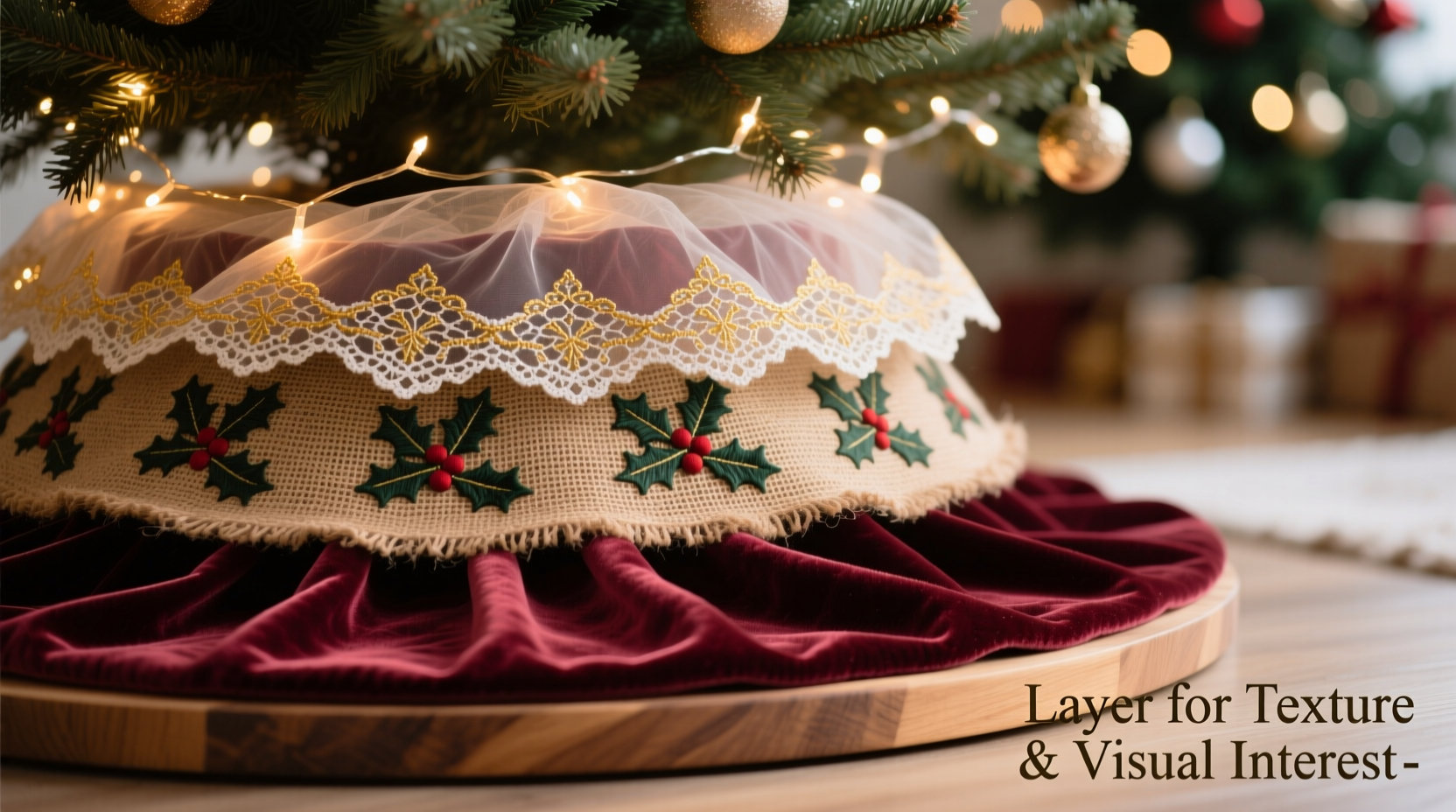
A single tree skirt serves its purpose: concealing the stand and catching falling needles. But when you go beyond one, you introduce dimension. Think of layering like styling a bed with multiple throws or arranging a coffee table with stacked books and trays—each element contributes to the narrative.
- Visual Depth: Multiple layers prevent the base from looking flat or abrupt.
- Texture Play: Mixing fabrics like velvet, burlap, faux fur, and lace creates tactile intrigue.
- Theme Reinforcement: Layers allow you to echo your decor style—Scandinavian, farmhouse, glam—through material choices.
- Damage Concealment: Older or slightly worn skirts can be hidden beneath newer ones, extending their usable life.
- Personalization: Combining family heirlooms with new pieces tells a story across generations.
“Layering isn't excess—it's intentionality. The base of the tree should feel as considered as the top.” — Clara Mendez, Interior Stylist & Holiday Design Consultant
Materials That Work Best for Layering
Not all fabrics play well together. Some are too bulky, others too slippery. The goal is contrast without chaos. Below is a breakdown of common tree skirt materials and how they function in a layered setting.
| Material | Texture Profile | Best Paired With | Caution |
|---|---|---|---|
| Faux Fur | Plush, voluminous | Burlap, linen, metallic trim | Can dominate visually; use as top layer only |
| Burlap | Rough, natural | Cotton lace, felt, plaid | May shed; line with fabric if needed |
| Velvet | Smooth, luxe | Silk organza, satin binding, embroidery | Prone to crushing; avoid heavy stacking |
| Lace | Delicate, airy | Flannel, cotton ticking, wool | Fragile; place over stable base, not underneath |
| Felt | Stiff, structured | Knit, woven textiles, leather accents | Limited drape; best for mid-layers |
Step-by-Step Guide to Layering Your Tree Skirt
Creating a layered tree skirt isn’t complicated, but it does require planning. Follow this sequence to achieve balance and harmony.
- Measure and Prep: Before selecting skirts, measure the diameter of your tree’s base. Most standard trees need a skirt that extends 12–18 inches beyond the trunk. Choose 2–3 skirts with varying diameters so each layer peeks out progressively.
- Select a Base Layer: Opt for a large, neutral-toned skirt—cream, charcoal, or forest green work well. Natural fabrics like unbleached cotton or heavy linen provide subtle texture without competing.
- Add a Middle Layer: Introduce pattern or color here. A red-and-black buffalo check, embroidered star motif, or herringbone weave adds character while still grounding the design.
- Finish with a Top Layer: This is your statement piece. Use something tactile—faux fur, sequined edge, or hand-crocheted lace. Keep it smaller in diameter so it sits neatly atop the others.
- Secure Without Damage: Avoid pins or tape that could tear fabric. Instead, let the weight of the tree hold layers in place. If shifting occurs, slip a non-slip rug pad underneath the base layer.
- Style Around It: Place presents intentionally. Stack some directly on the skirt to partially cover seams, and use gift wrap that echoes one of the layer colors for continuity.
Real Example: The Rustic Lodge Look
Jenna, a homeowner in Vermont, wanted to enhance her cabin-style living room during the holidays. Her tree was already dressed in pinecones, twine, and warm white lights, but the base felt bare. She started with a wide, undyed linen skirt (72” diameter) as her foundation. Over that, she placed a 60” burlap skirt with a stitched snowflake border. Finally, she added a 48” faux sheepskin topper, letting its cream fluff spill softly over the edges.
The result? A base that looked both cozy and intentional. Guests assumed it was professionally styled. Jenna later shared, “I didn’t think three skirts would make such a difference. But now, when people walk in, their eyes go right to the tree—and they always comment on how ‘put together’ it looks.”
Design Principles for Cohesive Layering
Even with beautiful materials, poor coordination can lead to visual clutter. Apply these principles to maintain elegance:
- Stick to a Color Family: Use shades within the same spectrum—e.g., ivory, camel, and mocha—or analogous tones like emerald, sage, and olive.
- Vary Scale, Not Just Texture: Pair a large-scale plaid with a fine herringbone or micro-embroidery to avoid competition.
- Limit Bold Patterns to One Layer: If your middle layer has a busy print, keep top and bottom solid or subtly textured.
- Consider Seasonal Relevance: A glittered organza overlay works for New Year’s Eve but may feel out of place in a traditional December setup.
- Mind the Proportions: Tall trees benefit from deeper layers; short or tabletop trees need thinner stacks to avoid overwhelming the space.
Checklist: Pre-Layering Preparation
Before assembling your skirt stack, run through this checklist to ensure success:
- ☐ Measure your tree’s footprint and choose skirt sizes accordingly
- ☐ Lay out all selected skirts on the floor to preview combinations
- ☐ Check for stains, frays, or odors—clean if necessary
- ☐ Confirm your theme (e.g., vintage, modern, woodland) aligns with fabric choices
- ☐ Gather non-slip padding if floors are slippery
- ☐ Plan gift placement to complement, not hide, the layers
- ☐ Test drape and overlap—ensure each layer shows at least 2–3 inches of the one below
Common Mistakes to Avoid
Even experienced decorators fall into traps when layering tree skirts. Watch out for these pitfalls:
- Overstacking: More than three layers usually looks excessive unless part of a theatrical display.
- Mismatched Themes: Don’t pair a glittery gold lamé skirt with a homespun knitted one unless irony is the goal.
- Ignoring Floor Type: Shiny hardwoods may reflect light off metallic trims, creating glare. Adjust positioning or swap materials.
- Forgetting Function: Ensure the top layer doesn’t obstruct access to the stand for watering.
- Poor Edging Alignment: Skirts should fan evenly. Misaligned seams break the flow and look accidental rather than designed.
FAQ
Can I mix synthetic and natural fabrics?
Yes, but be mindful of care requirements. Synthetic materials like polyester fleece are durable and easy to clean, while natural fibers like cotton or wool add authenticity. Just avoid placing delicate naturals underneath heavy synthetics that might pill or abrade them.
How do I clean layered skirts without damaging them?
Treat each layer individually. Remove them carefully after the season, spot-clean stains, and follow manufacturer instructions. Air-dry whenever possible. Never machine-wash embroidered or embellished pieces unless labeled safe.
Is it okay to use non-traditional items as tree skirt layers?
Absolutely. Many designers use vintage quilts, folded kilims, or even draped knit blankets as base layers. Just ensure they’re flame-retardant if near lights, and avoid anything with loose threads that pets might pull.
Conclusion: Elevate Your Holiday Aesthetic from the Ground Up
The magic of holiday decorating lies in the details—the flicker of candlelight on glass, the scent of pine, the way fabric catches the glow of twinkling bulbs. By layering your Christmas tree skirt with intention, you honor that spirit of craftsmanship and care. It’s not about extravagance; it’s about creating a sense of warmth, history, and artistry that radiates from the very base of your celebration.
Start small if you’re new to layering. Try a neutral base with one decorative overlay. As you gain confidence, experiment with textures, heirlooms, and seasonal rotations. Each year, your tree’s foundation can evolve—just like your family traditions.




 浙公网安备
33010002000092号
浙公网安备
33010002000092号 浙B2-20120091-4
Comments
No comments yet. Why don't you start the discussion?