
Decorating with Christmas balls is a timeless tradition, but achieving a display that feels rich, balanced, and visually captivating requires more than random placement. The secret lies in thoughtful layering—strategically combining various sizes, colors, and finishes to create depth, rhythm, and focal points. When done well, layered ornaments transform a simple tree or centerpiece into a curated work of art. This guide explores the principles, techniques, and practical steps to master the art of layering Christmas balls of different sizes for striking visual impact.
The Visual Power of Size Variation
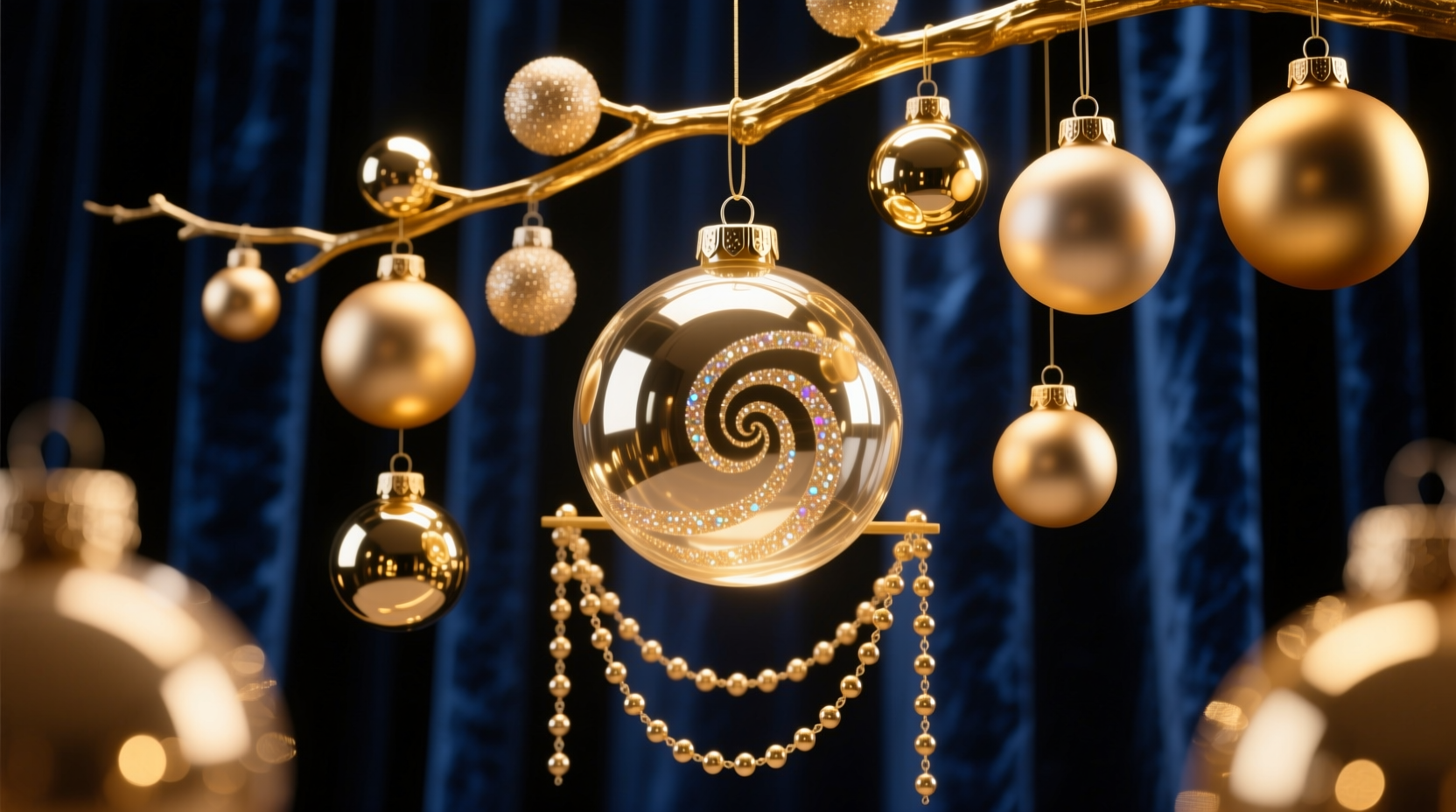
Size diversity among Christmas ornaments isn't just decorative—it's foundational to visual hierarchy. Large balls draw immediate attention and anchor a space, while medium-sized ones fill the middle ground, offering continuity. Small balls add texture, detail, and movement, filling gaps and creating a sense of abundance without overwhelming the eye.
A monotonous arrangement—say, using only 3-inch balls—can appear flat and predictable. Introducing variation breaks the monotony and mimics natural patterns found in nature, such as clusters of berries or falling snowflakes, which inherently appeal to our aesthetic senses.
Understanding Ornament Sizes and Their Roles
Christmas balls typically come in standardized diameters: extra-small (under 1.5 inches), small (1.5–2.5 inches), medium (3 inches), large (4–5 inches), and extra-large (6 inches and above). Each plays a distinct role in a layered design:
- Extra-large (6\"+): Use sparingly as statement pieces. Best placed near the base or at key focal points where they won’t obstruct views or unbalance the structure.
- Large (4–5\"): Serve as primary anchors. Ideal for mid-level branches on trees or central positions in wreaths.
- Medium (3\"): The workhorse size. These provide consistent volume and rhythm across the display.
- Small (1.5–2.5\"): Add density and sparkle. Perfect for clustering around larger balls or lining outer branch tips.
- Extra-small (under 1.5\"): Function like glitter—used subtly to catch light and enhance texture.
Professional decorators often follow a ratio: one large ball for every three medium, five small, and ten extra-small ornaments in a given zone. This prevents overcrowding while ensuring fullness.
“Layering isn’t about covering every inch—it’s about guiding the eye through a journey of texture, reflection, and form.” — Lydia Finch, Interior Stylist & Holiday Design Consultant
Step-by-Step Guide to Layering Ornaments by Size
Creating visual impact isn’t accidental. It follows a deliberate sequence that balances proportion, spacing, and emphasis. Follow this timeline to build a professionally layered display:
- Begin with the frame: Shape your tree or arrangement space. Fluff branches, rotate wreaths for even exposure, and ensure symmetry or intentional asymmetry based on your style.
- Place lighting first: String lights act as a foundation. Distribute evenly so ornaments don’t cast harsh shadows.
- Add large statement balls: Position 4–5 large or extra-large ornaments at strategic intervals—near the bottom third of the tree, along horizontal limbs, or opposite sides of a garland. These become visual anchors.
- Insert medium-sized ornaments: Surround each large ball with clusters of three to five medium balls in complementary shades. Maintain at least 4–6 inches between clusters to avoid congestion.
- Fill with small ornaments: Nestle small balls between and around medium ones. Focus on areas that need depth—inner branches, lower tiers, or behind focal points to create dimension.
- Accent with tiny details: Use extra-small balls sparingly—tuck one or two into tight spaces or mix them into ribbon bows for surprise sparkle.
- Step back and assess: View your arrangement from multiple angles and distances. Adjust any imbalances in weight or color distribution.
Color and Finish: Enhancing Dimension Through Contrast
Size isn’t the only factor—finish and hue dramatically affect how layers are perceived. A matte 4-inch ball may recede visually, while a mirrored 2-inch ball can pop forward due to light reflection. Combine finishes intentionally:
- Mirrored/chrome: Reflect ambient light, drawing attention. Use as accent pieces within clusters.
- Matté: Absorb light, offering sophistication. Ideal for background or filler roles.
- Frosted/glass: Diffuse light softly. Excellent for blending transitions between sizes.
- Glittered/textured: Add tactile interest. Best used in moderation to avoid visual noise.
When layering, pair contrasting finishes within the same color family. For example, a deep red matte 3-inch ball surrounded by glossy red 2-inch balls creates subtle drama without clashing.
| Ornament Size | Suggested Finish Combination | Placement Tip |
|---|---|---|
| 6-inch | Mirrored or velvet matte | Near base or strong horizontal branch |
| 4–5-inch | Glossy or lightly frosted | Eye-level zones, spaced apart |
| 3-inch | Mixed: matte, glitter, glass | In clusters of 3–5 around anchors |
| 1.5–2.5-inch | Reflective or iridescent | Betweens, tips, and shadowed areas |
| Under 1.5-inch | Sparkle-heavy or metallic | As accents in bows or dense zones |
Mini Case Study: Transforming a Dull Tree into a Showpiece
Claire, a homeowner in Vermont, had a 7-foot pre-lit tree she decorated annually with a single box of uniform 3-inch red balls. Year after year, guests called it “nice” but never memorable. Last season, she applied size-layering principles with a new set of ornaments in varying dimensions.
She began by adding four 5-inch mercury-glass balls at staggered levels, placing them where limbs extended outward. Around each, she grouped clusters of three 3-inch matte burgundy balls and two 2-inch gold glittered ones. She then wove in over fifty 1.5-inch clear faceted balls along the inner branches and tips.
The result was transformative. The tree appeared fuller, more luxurious, and caught light dynamically throughout the day. Neighbors stopped to admire it, and Claire received requests to share her method. Her total ornament investment increased slightly, but the visual return was exponential.
Checklist: Achieving Professional-Looking Ornament Layering
Use this checklist before finalizing your display:
- ☐ Selected at least three different ornament sizes
- ☐ Placed largest balls first as anchors
- ☐ Grouped medium balls in odd-numbered clusters (3, 5, 7)
- ☐ Distributed small balls to fill visual gaps and add texture
- ☐ Mixed finishes (glossy, matte, reflective) for depth
- ☐ Balanced color distribution—no single area overly saturated
- ☐ Stepped back to view from multiple angles and distances
- ☐ Ensured lights are evenly distributed beneath ornaments
- ☐ Avoided overcrowding—maintained breathing room between clusters
- ☐ Added finishing touches like ribbons or picks to complement layers
Common Mistakes to Avoid
Even experienced decorators fall into traps that diminish the effect of layered ornaments. Watch for these pitfalls:
- Overloading the top: Crowding upper branches makes the tree look top-heavy. Reserve large ornaments for lower and mid-sections.
- Uniform spacing: Even gaps create a robotic look. Vary distances between clusters for organic flow.
- Ignoring scale: Using 6-inch balls on a tabletop tree under 3 feet distorts proportion. Match size to display scale.
- Single-color dominance: All-red or all-silver schemes lack contrast. Introduce tonal variation (e.g., crimson, wine, rose) for richness.
- Hiding large balls: Don’t tuck statement pieces deep inside. They should be partially visible from multiple angles.
“The most elegant displays aren’t the fullest—they’re the most intentional.” — Rafael Torres, Award-Winning Window Display Artist
FAQ
How many different sizes should I use for optimal layering?
At minimum, use three sizes—large, medium, and small. For high-impact displays, incorporate five sizes including extra-large and extra-small to maximize depth and detail.
Can I layer Christmas balls effectively on a small tree or wreath?
Absolutely. On smaller displays, reduce the absolute size of ornaments but maintain proportional variety. For a 2-foot tree, use 1.5\", 2\", and 3\" balls instead of 4\" and up. The principle of layering remains the same—just scaled down.
Should all my ornament colors match exactly?
No. Exact matches flatten visual interest. Instead, choose a cohesive palette with variations in shade and finish. For example, combine ruby, cranberry, and garnet reds rather than using one flat red tone.
Final Thoughts: Elevate Your Holiday Aesthetic
Layering Christmas balls of different sizes is not merely decorative—it’s a design discipline rooted in balance, contrast, and rhythm. By treating ornaments as elements of composition rather than mere accessories, you unlock a higher level of holiday styling. Whether decorating a grand foyer tree or a modest mantle display, the principles of size hierarchy, strategic placement, and textural contrast apply universally.
The most memorable holiday spaces aren’t defined by expense or quantity, but by intentionality. A few well-placed large balls, thoughtfully surrounded by supporting sizes, can outshine a tree buried under hundreds of identical spheres. This season, approach your decor with the eye of a curator: place each ball with purpose, vary sizes with precision, and let light play through the layers you’ve built.




 浙公网安备
33010002000092号
浙公网安备
33010002000092号 浙B2-20120091-4
Comments
No comments yet. Why don't you start the discussion?