
Fragrance is more than just a pleasant smell—it’s an expression of identity, mood, and memory. While many rely on commercial perfumes, there’s growing interest in crafting personalized scents using fragrance oils. Layering these oils allows you to build complex, evolving aromas that reflect your individuality. Unlike alcohol-based perfumes that evaporate quickly, fragrance oils offer longer-lasting sillage and greater control over scent composition. With the right approach, anyone can create a one-of-a-kind olfactory experience that shifts beautifully throughout the day.
The art of layering fragrance oils isn’t about randomly combining scents—it’s a thoughtful process rooted in understanding scent families, volatility, and skin chemistry. When done well, it results in a harmonious blend that feels intentional and luxurious. Whether you're new to fragrance or looking to refine your current routine, mastering this technique opens up endless creative possibilities.
Understanding Fragrance Oils and Scent Structure
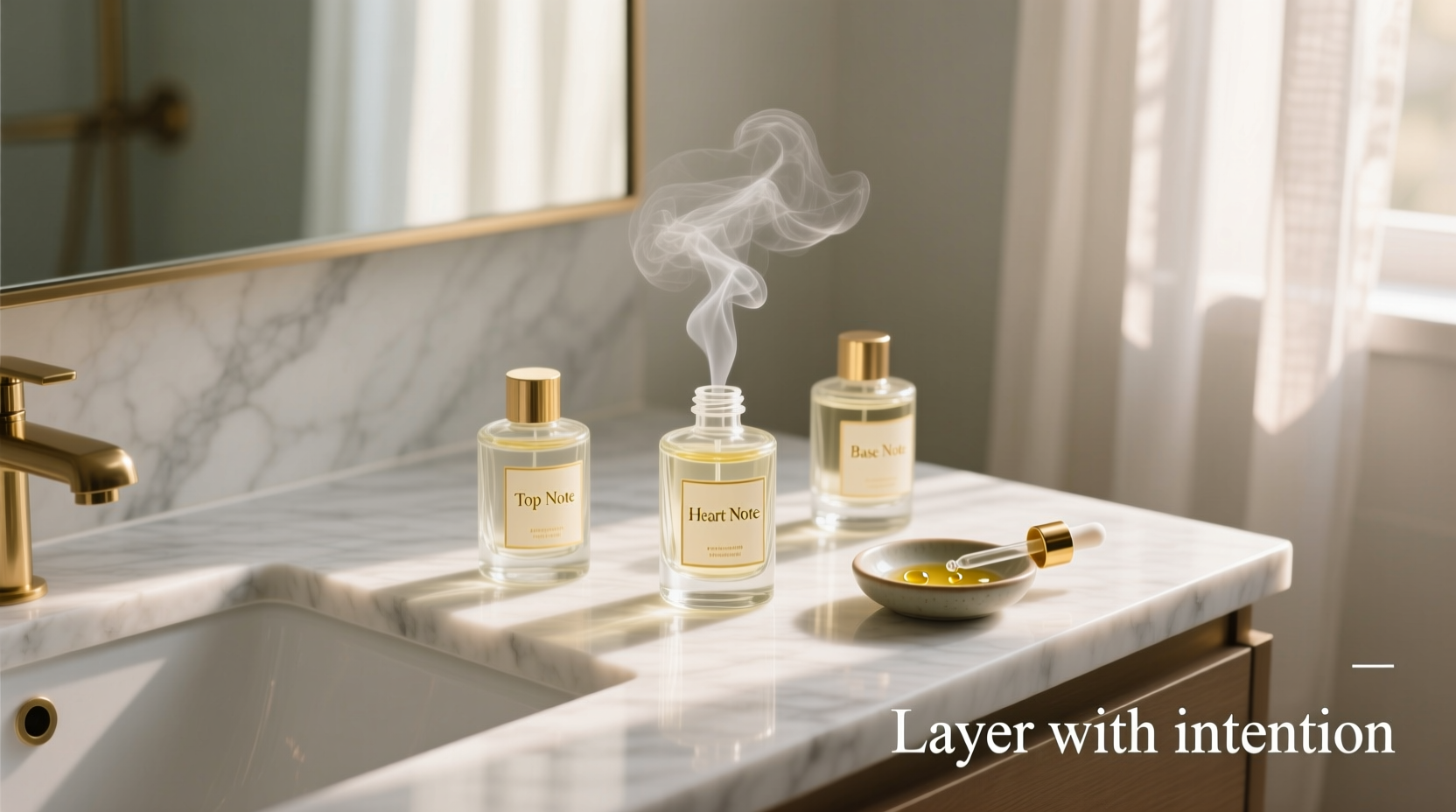
Fragrance oils are concentrated aromatic compounds typically diluted in carrier oils like jojoba or fractionated coconut oil for safe skin application. They differ from essential oils in that they may be synthetic, natural, or a blend—offering broader scent options including gourmands, musks, and florals that aren't easily extracted from plants.
To layer effectively, it's crucial to understand the traditional structure of a fragrance: top, middle (heart), and base notes. These describe how a scent unfolds over time.
- Top notes: The first impression—light, volatile molecules that evaporate within 5–15 minutes. Examples include citrus, bergamot, mint, and green apple.
- Middle (heart) notes: Emerge after the top fades, forming the core character. These last 1–3 hours and often include floral, spice, or herbal elements like lavender, rose, or cardamom.
- Base notes: Deep, long-lasting anchors that linger for hours. Common base notes include sandalwood, vanilla, patchouli, amber, and musk.
Layering fragrance oils successfully means intentionally placing these notes across different products or applications to create depth and evolution.
A Step-by-Step Guide to Building Your Custom Scent Routine
Creating a layered fragrance experience involves more than applying multiple oils at once. It requires timing, placement, and consideration of concentration. Follow this timeline to develop a sophisticated, evolving scent profile.
- Start with a scented base layer (morning): Begin by moisturizing with a lightly fragranced body butter or oil that matches your desired base note. For example, use a vanilla-sandalwood blend on clean skin. This creates a “scent canvas” that helps lock in lighter top notes later.
- Apply heart notes mid-morning: After your base has absorbed (about 30 minutes), apply a roll-on fragrance oil featuring floral or spicy accords. Pulse points like wrists, neck, and behind ears work best. Rose geranium or cinnamon bark oil can add warmth and complexity.
- Refresh with top notes before key events: Just before leaving the house or entering a social setting, dab a bright citrus or fresh herbal oil on pulse points. Lemon, grapefruit, or eucalyptus provide an invigorating lift without overpowering the deeper layers.
- Reinforce base notes in the evening: As the day progresses and top notes fade, reapply a small amount of your base oil to refresh longevity. This ensures your scent remains balanced and present.
- Experiment with layering across products: Use matching or complementary scents in your shampoo, body wash, or room diffuser to reinforce coherence. A consistent theme enhances perception of a unified fragrance identity.
This staggered method prevents muddiness and allows each layer to shine at the right moment. Over time, you’ll learn how your chosen oils interact and evolve on your skin.
Choosing Compatible Scents: A Blending Framework
Not all fragrance oils blend well together. Clashing notes—like sharp citrus with heavy incense—can create discord unless carefully balanced. To simplify pairing, group oils by scent family and follow basic harmony principles.
| Scent Family | Common Notes | Blends Well With | Use Caution With |
|---|---|---|---|
| Floral | Rose, jasmine, lilac, ylang-ylang | Vanilla, sandalwood, citrus | Strong spices, smoky notes |
| Citrus | Lemon, orange, bergamot, lime | Herbal, aquatic, light florals | Dark resins, tobacco, leather |
| Woody/Earthy | Sandalwood, cedar, patchouli, vetiver | Musk, amber, vanilla | Sharp greens, overly sweet gourmands |
| Gourmand | Vanilla, caramel, chocolate, coffee | Creamy woods, soft spices | Pungent florals, medicinal herbs |
| Oriental/Spicy | Cinnamon, clove, amber, myrrh | Musks, resins, vanilla | Fresh linens, ozonic notes |
When testing combinations, start with two oils—one dominant, one supporting. Use a cotton swab or scent strip to smell them together before applying to skin. Remember, less is more; three well-chosen notes often outperform five competing ones.
“Perfumery is like music—harmony matters more than volume. A balanced chord of three notes can be more powerful than a chaotic symphony.” — Lena Torres, Independent Perfumer & Scent Architect
Real Example: Creating a Signature Morning Scent
Sophie, a graphic designer from Portland, wanted a fragrance that felt both energizing and grounded—something to carry her from morning studio sessions to client meetings. She began by identifying her preferred scent profile: fresh, slightly sweet, with a warm finish.
She started with a base layer of shea butter infused with sandalwood and vanilla bean fragrance oils, applied after her shower. Two hours later, she added a heart layer: a roll-on blend of jasmine and cardamom to her wrists and décolletage. Before heading out, she dotted a drop of cold-pressed bergamot oil on her temples for brightness.
By midday, colleagues commented on her “expensive-smelling” presence. The citrus lifted initially, then melted into the spiced florals, settling finally into a creamy, woody dry-down. Sophie now uses this trio as her go-to routine, adjusting proportions based on season—more citrus in summer, heavier base in winter.
Her success came not from complexity, but from intentionality. She tested combinations over a week, noting which pairings felt cohesive and which clashed. Her final formula used only three oils—but in perfect sequence.
Essential Checklist for Successful Fragrance Layering
Before building your own routine, ensure you’re following best practices. Use this checklist to stay on track:
- ✅ Start with clean, moisturized skin to enhance oil absorption and longevity.
- ✅ Use high-quality fragrance oils free from impurities or harsh solvents.
- ✅ Patch test new oils to avoid skin irritation or allergic reactions.
- ✅ Limit initial blends to 2–3 oils to prevent olfactory confusion.
- ✅ Apply lighter notes after heavier ones to preserve their volatility.
- ✅ Store oils in dark glass bottles away from heat and sunlight to maintain integrity.
- ✅ Clean applicators regularly to avoid cross-contamination between scents.
- ✅ Allow 10–15 minutes between layers to assess development before adding more.
Following these steps minimizes mistakes and maximizes the elegance of your final scent.
Frequently Asked Questions
Can I layer fragrance oils with commercial perfumes?
Yes, but proceed with caution. Alcohol-based perfumes evaporate faster than oil-based ones, which can disrupt the balance of your layers. If combining, apply the fragrance oil first as a base, let it absorb, then spritz perfume lightly over top. Avoid layering strong EDTs/Eau de Toilette with equally potent oils—they may compete rather than complement.
How many layers should I use at once?
For most people, three layers are ideal: one base, one heart, one top. More than that increases the risk of muddiness. Focus on quality of blend, not quantity of ingredients. You can always reapply later in the day if needed.
Why does my layered scent smell different on others?
Skin chemistry varies widely due to pH levels, diet, hormones, and even medications. What smells warm and sweet on one person might read sharp or metallic on another. Always test blends on your own skin and encourage others to experiment independently rather than assuming universal results.
Final Thoughts: Make Your Scent Uniquely Yours
Layering fragrance oils is not just a beauty technique—it’s a form of self-expression. In a world saturated with mass-produced perfumes, taking the time to craft your own scent tells a story no bottle from a store ever could. It reflects your mood, your memories, and your moment.
The process invites mindfulness. Each application becomes a ritual—an opportunity to pause, breathe, and connect with yourself. And unlike fleeting trends, a well-crafted layered scent routine evolves with you, adapting to seasons, occasions, and phases of life.
You don’t need expensive equipment or formal training. All you need is curiosity, a few quality oils, and the willingness to experiment. Begin simply. Try one combination today. Refine it tomorrow. Soon, you’ll have a signature scent that’s unmistakably yours.




 浙公网安备
33010002000092号
浙公网安备
33010002000092号 浙B2-20120091-4
Comments
No comments yet. Why don't you start the discussion?