
Fragrance layering is more than a trend—it’s an art form. When done thoughtfully, combining scents allows you to craft a signature aroma that shifts subtly from morning to night, adapts to seasons, and expresses your mood. Unlike wearing a single perfume, layering engages multiple olfactory notes across different concentrations and products, creating depth, complexity, and longevity. This practice has roots in Middle Eastern traditions, where attars, oils, and perfumes are blended on skin for personalized olfactory identity. Today, modern perfumers and fragrance enthusiasts use this technique to transcend the limitations of off-the-shelf scents.
The key lies not in randomly spraying multiple perfumes, but in understanding scent families, concentration levels, and skin chemistry. A well-layered fragrance should feel intentional, balanced, and harmonious—not chaotic or overwhelming. With the right approach, you can turn two or three existing fragrances into something entirely new, extending their versatility and emotional impact.
Understanding Fragrance Concentrations and Their Role in Layering
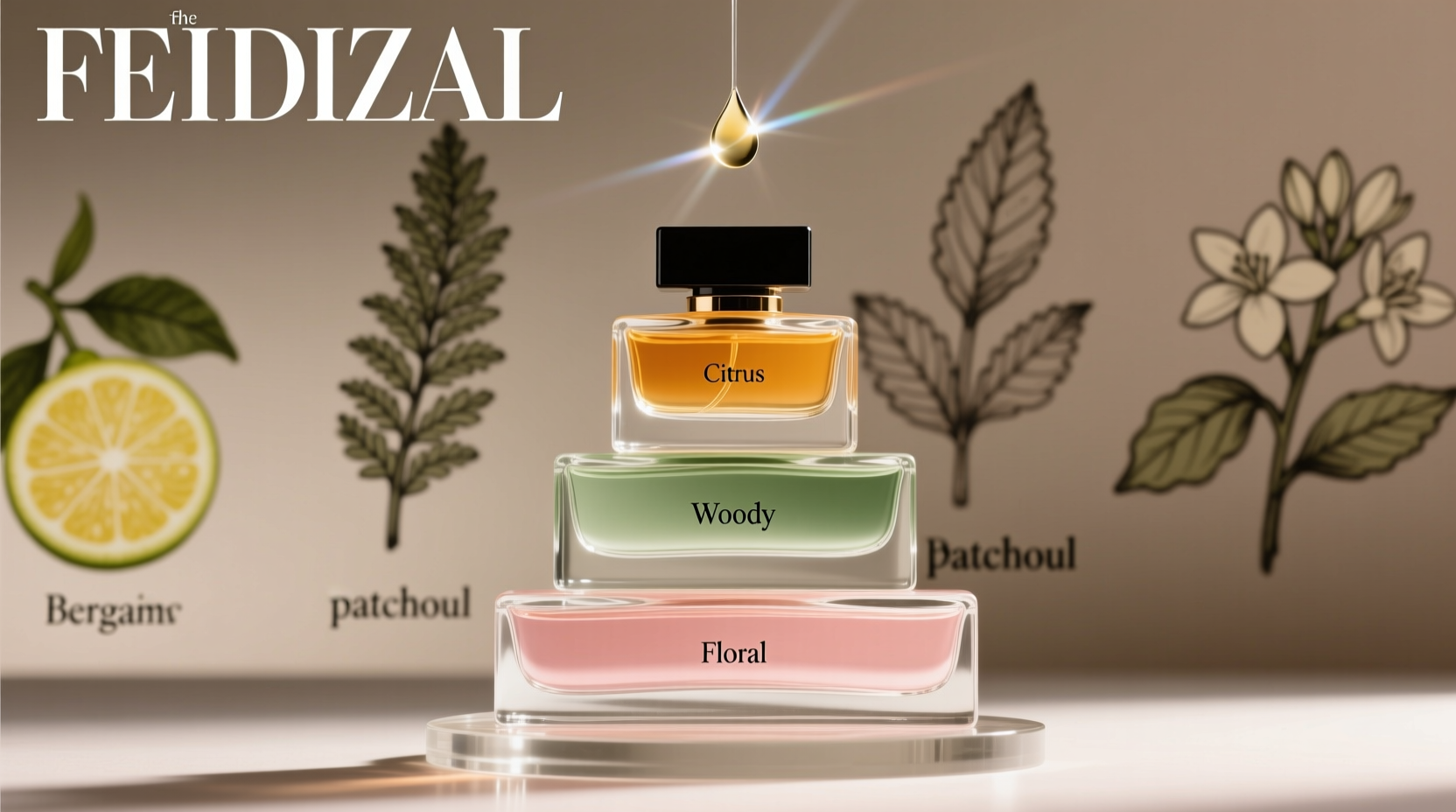
Before combining scents, it’s essential to understand the different types of fragrance products and their oil concentrations. Each plays a distinct role in a layered scent profile:
| Product Type | Fragrance Oil % | Longevity | Best For Layering |
|---|---|---|---|
| Eau de Cologne (EDC) | 2–5% | 1–2 hours | Top note accents |
| Eau de Toilette (EDT) | 5–10% | 3–4 hours | Middle layer base |
| Eau de Parfum (EDP) | 10–15% | 5–8 hours | Main anchor scent |
| Parfum/Extrait | 15–30% | 8+ hours | Deep base foundation |
| Fragrance Oils/Attars | 15–40% | 6–12 hours | Skin-specific blending |
Layering works best when you build from bottom to top—starting with the most concentrated, longest-lasting scent as your base, then adding lighter formulations on top. For example, applying a parfum first ensures the heart and base notes linger, while a citrusy EDC sprayed over top adds brightness without overpowering the dry-down.
Step-by-Step Guide to Building Your Scent Layers
Creating a successful fragrance layer isn’t guesswork. Follow this structured process to ensure balance and cohesion:
- Identify your base note foundation. Choose a rich, long-lasting fragrance with deep base notes—such as sandalwood, vanilla, patchouli, or amber. Apply this directly to clean skin. This will be the backbone of your scent.
- Select a complementary middle layer. Pick an EDT or body lotion scented with floral, spicy, or fruity notes that bridge the gap between your base and top layers. If your base is warm and woody, consider a rose or saffron-infused lotion to add dimension.
- Add a volatile top note spray. Use a fresh, light eau de cologne or citrus-based mist to open the scent experience. These evaporate quickly but make a strong first impression.
- Test and adjust timing. Wait 15–30 minutes after application to assess how the layers meld. Some combinations bloom beautifully after settling; others may clash initially but harmonize later.
- Reapply selectively. Refresh only the top or middle layer during the day to maintain balance without oversaturating your skin.
This method prevents olfactory fatigue and ensures your scent evolves naturally. Think of it like music: the base is the bassline, the middle layer the melody, and the top note the opening chord.
Choosing Complementary Fragrance Families
Not all scents blend well together. To avoid discord, pair fragrances within compatible olfactory families. Perfumers classify scents into four primary categories:
- Floral: Rose, jasmine, peony, tuberose. Best paired with citrus, green, or soft musks.
- Oriental/Amber: Vanilla, incense, cinnamon, labdanum. Works well with gourmands, woods, or spices.
- Woody/Chypre: Cedar, vetiver, oakmoss, patchouli. Pairs elegantly with leather, tobacco, or smoky accords.
- Fougère/Citrus: Lavender, bergamot, mint. Blends smoothly with aromatic herbs or aquatic notes.
A common mistake is mixing too many dominant notes—like combining a bold oriental with a heavy chypre. Instead, choose one dominant family and support it with subtler accents. For instance, a vanilla-based parfum (oriental) layered with a lavender-scented body wash (fougère) creates a warm, slightly herbal sweetness that’s both cozy and refined.
“Fragrance layering is about storytelling. Each note reveals a chapter—from the bright opening to the intimate dry-down.” — Luca Turin, Perfume Critic & Co-Author of *The Secret of Scent*
Real Example: Crafting a Signature Winter Scent
Sophia, a marketing executive in Montreal, wanted a personal winter fragrance that felt luxurious yet wearable in cold weather. She owned three perfumes: a vanilla-laden amber EDP, a crisp bergamot EDT, and a sandalwood attar she’d bought in Oman.
Her goal was warmth without heaviness, sophistication without being overpowering in office settings.
She began by applying a small drop of sandalwood attar to her wrists and neck—a dense, creamy base with excellent longevity. After letting it absorb for two minutes, she applied a vanilla-amber EDP to her décolletage, avoiding overlapping areas to prevent saturation. Finally, she misted her bergamot EDT lightly over her hair and coat collar for a bright, uplifting opening.
The result? An evolving scent: sharp citrus at first, softening into creamy vanilla and wood, then settling into a smooth, meditative sandalwood finish that lasted nearly 10 hours. Colleagues commented on her “expensive, comforting” aroma, and Sophia found herself reaching for this combination weekly.
Her success came from respecting concentration differences, spacing applications, and choosing complementary families—woody, oriental, and citrus—that enhanced rather than competed with each other.
Common Mistakes to Avoid When Layering Fragrances
Even experienced users can misstep. Here are frequent errors and how to sidestep them:
- Overlapping too many strong scents. Combining two full-strength oud or patchouli perfumes can create a medicinal, cloying effect. Balance power with restraint.
- Ignoring skin chemistry. What smells rich on a friend might turn sour on your skin due to pH differences. Always test combinations on yourself before committing.
- Applying in reverse order. Spraying a light EDC first means it won’t last long enough to interact with deeper layers. Build from strongest to lightest.
- Using mismatched brands without testing. Designer and niche fragrances often have different formulation styles. Test blends on blotting paper or inner arm before full application.
- Layering on dry skin. Dry skin absorbs fragrance unevenly and can distort scent projection. Moisturize with unscented balm or matching-scent lotion first.
Checklist: How to Layer Fragrances Like a Pro
Use this practical checklist before your next layering attempt:
- ✅ Cleanse and moisturize skin to create a neutral base
- ✅ Select one base fragrance (parfum or high-concentration EDP)
- ✅ Choose a middle-layer product (EDT, scented lotion, or roll-on oil)
- ✅ Pick a top-note accent (EDC or fine mist)
- ✅ Verify compatibility of scent families using a scent wheel or app
- ✅ Apply base first to pulse points
- ✅ Wait 2–3 minutes before adding second layer
- ✅ Spray or dab top layer over clothing/hair, not directly on skin
- ✅ Step away and reassess after 15 minutes
- ✅ Adjust quantity or sequence if notes clash
Repeat this process over several days to refine your blend. Keep notes on what works—season, occasion, time of day—to build a personal fragrance library.
Advanced Techniques: Using Body Products and Seasonal Adjustments
True connoisseurs go beyond perfumes. They incorporate shower gels, body creams, and even laundry detergents into their layering strategy. A vanilla-scented body wash used daily creates a subtle undercurrent that enhances a spiced vanilla EDP applied afterward.
Season also influences layering choices:
- Winter: Embrace resins, spices, and deep woods. Layer amber parfum with a clove-saffron body oil for richness.
- Summer: Focus on freshness. Use a marine-scented lotion under a citrus EDT, finishing with a chilled neroli mist.
- Spring: Highlight florals and greens. Try a magnolia body cream beneath a lily-of-the-valley EDP, topped with a dewy cucumber spray.
- Fall: Lean into earth and fruit. Combine a fig-scented oil with a leather EDP and a faint apple blossom mist.
Some luxury brands design entire “scent wardrobes”—product lines meant to be layered. Diptyque, Le Labo, and Byredo offer matching lotions and oils for their perfumes. However, cross-brand layering often yields more original results.
FAQ: Common Questions About Fragrance Layering
Can I layer fragrances from different brands?
Absolutely. In fact, mixing brands often leads to more unique combinations. Just ensure the scent profiles align—e.g., don’t pair a sharp green galbanum scent with a sweet gourmand unless you’re aiming for contrast.
How do I know if two scents clash?
Clashing occurs when opposing notes dominate—like heavy musk against sharp aldehydes. Test blends on a blotter strip first. If the scent turns sour, metallic, or overly sharp within 10 minutes, they likely don’t work together.
Is it safe to layer fragrance oils directly on skin?
Pure fragrance oils should be diluted or applied sparingly. Always patch-test first. Most commercial roll-ons are already diluted in carrier oil and are safe for pulse point use.
Conclusion: Make Your Scent Uniquely Yours
Fragrance layering transforms scent from a passive accessory into an active expression of identity. It rewards patience, experimentation, and sensory awareness. No two people smell the same—even when using identical perfumes—because skin chemistry, environment, and application method all influence the outcome. By mastering layering, you gain control over your olfactory presence, crafting a scent that unfolds like a story across the hours.
Start simple: combine a favorite lotion with a perfume you already love. Then expand—add a third layer, try seasonal variations, or create distinct blends for work, evening, and weekends. Over time, you’ll develop a personal scent language that needs no introduction.




 浙公网安备
33010002000092号
浙公网安备
33010002000092号 浙B2-20120091-4
Comments
No comments yet. Why don't you start the discussion?