
Fragrance layering is more than a trend—it’s an art form. When done correctly, it allows you to create a unique olfactory signature that evolves throughout the day. But when scents are mismatched or improperly layered, they don’t enhance one another; they fight. The result? A confusing, disjointed aroma that fades quickly or becomes overwhelming. To avoid this, understanding the principles of scent compatibility, concentration, and application technique is essential. This guide breaks down the science and style behind harmonious fragrance layering, so you can craft combinations that feel intentional, balanced, and memorable.
The Science Behind Scent Compatibility
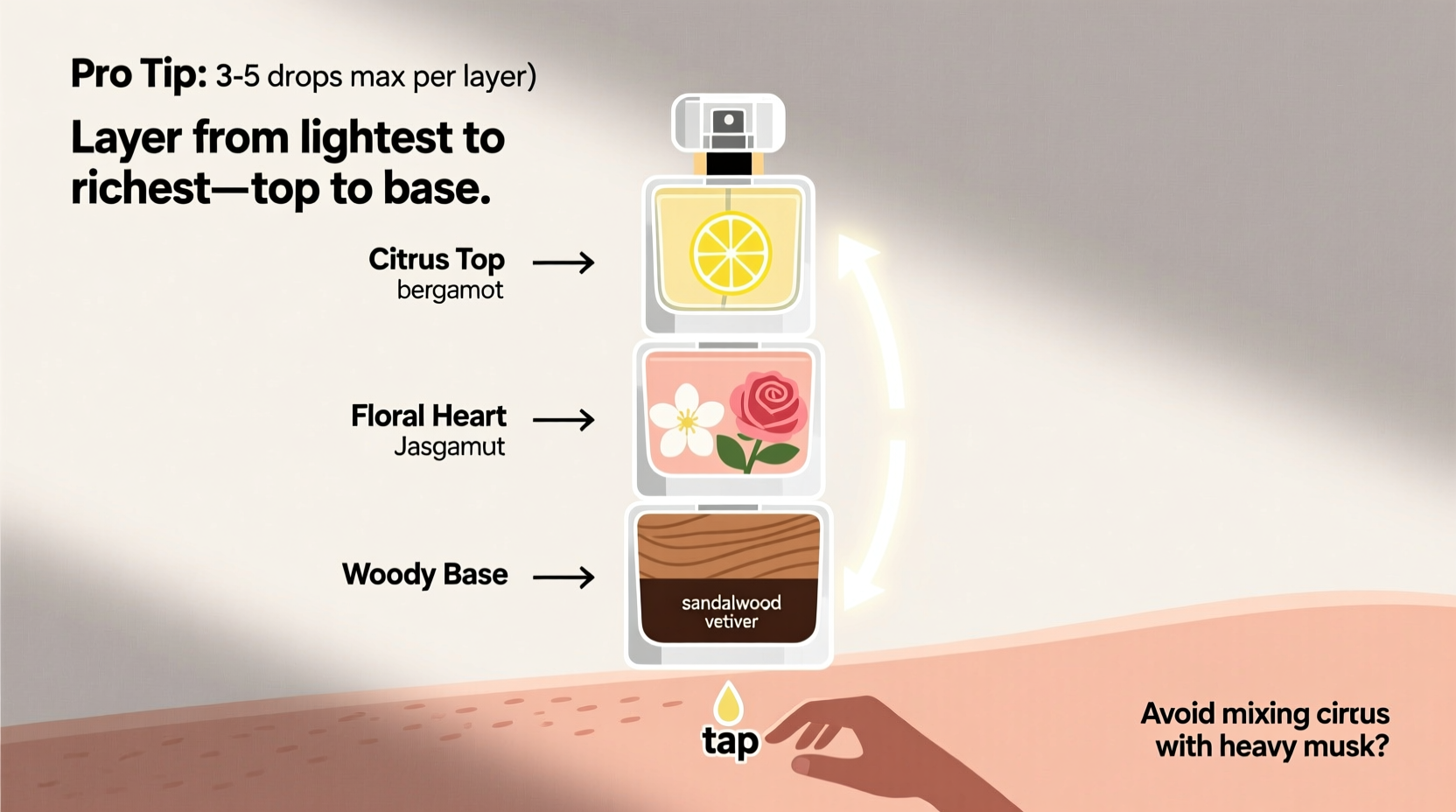
Fragrances are composed of top, middle (heart), and base notes that unfold over time. Top notes are the first impression—light, volatile, and often citrusy or herbal. Middle notes emerge as the top fades, forming the core character of the scent—floral, spicy, or fruity. Base notes are deep and long-lasting, such as woods, musk, vanilla, or amber. Successful layering hinges on aligning these phases across multiple fragrances so they evolve in sync rather than conflict.
When two perfumes share similar base notes but differ in their top or heart notes, they’re more likely to blend cohesively. For example, layering a citrus-forward cologne over a warm sandalwood-based perfume works because the bright opening complements the rich foundation without overpowering it. Conversely, pairing a gourmand vanilla fragrance with a sharp green chypre can lead to clashing accords—sweetness battling bitterness—unless carefully managed.
“Layering isn’t about piling on scents—it’s about creating depth through intelligent contrast and continuity.” — Rafael Amaral, Master Perfumer at Osmothèque Labs
Choosing Complementary Fragrance Families
Fragrances are categorized into families based on dominant characteristics. Understanding these helps predict which scents will harmonize. The six primary families are:
- Floral: Rose, jasmine, peony (e.g., Chanel No. 5)
- Oriental: Spices, vanilla, amber (e.g., Shalimar)
- Woody: Sandalwood, cedar, patchouli (e.g., Terre d’Hermès)
- Chypre: Oakmoss, bergamot, labdanum (e.g., Miss Dior 1966)
- Green: Fresh herbs, leaves, stems (e.g., L’Eau d’Issey)
- Citrus/Aromatic: Lemon, bergamot, mint (e.g., Acqua di Gio)
Generally, fragrances within the same family blend well. However, thoughtful pairings across families can yield sophisticated results. For instance:
| Fragrance Family Pair | Likelihood of Harmony | Why It Works (or Doesn’t) |
|---|---|---|
| Floral + Oriental | High | Vanilla and spices deepen floral notes; common in luxury blends. |
| Woody + Citrus | High | Bright top notes lift earthy bases—classic masculine and unisex combos. |
| Chypre + Green | Moderate | Shared freshness, but oakmoss can dominate if not balanced. |
| Gourmand + Chypre | Low | Sweetness clashes with bitter moss; risk of cloying or muddy scent. |
| Citrus + Floral | Very High | Common in feminine fragrances; citrus lifts florals without masking them. |
A Step-by-Step Guide to Layering Fragrances
Effective layering requires more than spraying multiple perfumes at once. Follow this sequence for optimal results:
- Start with a scented base: Use a matching body wash, lotion, or oil infused with your chosen base fragrance. This creates a consistent foundation and improves longevity.
- Apply the lower-concentration scent first: If using an eau de toilette and a parfum, apply the EDT first. Lighter formulations evaporate faster and should sit closer to the skin.
- Wait 30–60 seconds: Allow the first layer to settle into the skin before adding the next. This prevents immediate chemical interaction that could distort the scent.
- Apply the richer fragrance: Spray or dab the more concentrated perfume (e.g., eau de parfum or extrait) on pulse points over the dried base layer.
- Limit to two scents: Avoid adding a third fragrance unless it’s a neutral carrier like unscented oil or a subtle musk. More than two risks olfactory confusion.
- Test and adjust: Wait 15–20 minutes for the full dry-down. If the blend feels off, gently blot excess with a tissue and reapply the base only.
“Patience is key. Let each layer breathe. Rushing leads to imbalance.” — Clara Nguyen, Scent Consultant at Le Labo
Understanding Skin Chemistry and Timing
No two people smell the same—even when wearing identical perfumes. Your skin’s pH, oil production, diet, and even medication affect how fragrance molecules interact. A combination that smells lush on one person may turn sour on another. Always test layering combinations on your own skin, not just on blotter strips.
Timing also plays a crucial role. Heat intensifies scent, so layering in cooler weather allows more control. In summer, opt for lighter pairings—citrus over musk, green tea over white flowers. In winter, richer layers like vanilla over leather or incense over amber thrive due to slower evaporation and increased sillage.
Consider the occasion. Daytime layering should prioritize subtlety: a fresh citrus mist over a soft skin scent. Evening wear invites bolder contrasts—a smoky oud under a velvety rose, for example. Over-layering during office hours can be perceived as intrusive, while under-layering in social settings may render your presence forgettable.
Real Example: Building a Signature Morning Routine
Sophie, a marketing executive in London, wanted a daytime scent that felt professional yet personal. She loved the crispness of her citrus cologne but found it faded too quickly. Her evening oriental perfume lasted longer but felt too heavy for meetings.
She began layering: first applying a vanilla-scented body lotion, then spritzing her citrus EDT on her neck and wrists. After it settled, she dabbed a small amount of her amber-based parfum behind her ears. The result? A bright opening that softened into warmth by midday. Coworkers noticed her “expensive but not overpowering” scent, and Sophie reported feeling more confident. The citrus lifted the vanilla without masking it, and the amber base anchored the fleeting top notes—proving that strategic layering can solve real-world fragrance challenges.
Checklist: How to Layer Without Clashing
Use this checklist before attempting any fragrance layering combination:
- ✅ I know the fragrance families of both scents.
- ✅ They share at least one complementary note (e.g., both have musk or citrus).
- ✅ I’m starting with a scented base (lotion, oil, or wash).
- ✅ I’m applying the lighter concentration first.
- ✅ I’m waiting between applications.
- ✅ I’m testing on my skin, not just paper.
- ✅ I’m limiting myself to two main fragrances.
- ✅ I’ve considered the season and setting.
- ✅ I’m applying to pulse points only—no over-spraying.
- ✅ I’m reassessing after 20 minutes for balance.
Common Mistakes That Cause Clashes
Even experienced fragrance lovers make errors. The most frequent include:
- Over-application: Too much of any scent overwhelms the nose and distorts perception.
- Mixing too many notes: Three or more distinct fragrances rarely blend—they compete.
- Ignoring concentration differences: Spraying parfum directly over eau fraîche without pause causes volatility imbalances.
- Using conflicting intensities: A delicate lily scent drowned by a leathery powerhouse lacks harmony.
- Not accounting for environment: Humidity amplifies sweetness; heat boosts projection—adjust accordingly.
One telltale sign of clashing is a “chemical” or metallic edge to the scent within minutes of application. This indicates incompatible aldehydes or poorly matched synthetics. If this occurs, wash the area gently and retry with simpler pairings.
FAQ: Common Questions About Fragrance Layering
Can I layer different brands?
Absolutely. Brand loyalty doesn’t determine compatibility. Focus on notes and families, not logos. A Tom Ford citrus can layer beautifully with a Diptyque floral if their accords align.
Is it safe to layer with drugstore and designer perfumes?
Yes, but be cautious. Drugstore fragrances often use higher concentrations of synthetic musks or alcohol, which can distort high-end compositions. Test in small doses first.
How do I know if two scents work together?
Smell them side by side on blotters first. Then try on skin. Wait 15 minutes. If the transition from top to base feels smooth and pleasant, they’re likely compatible. If there’s a jarring shift or unpleasant sharpness, they clash.
Conclusion: Craft Your Scent Identity with Confidence
Layering fragrances isn’t about following rules blindly—it’s about cultivating awareness. By understanding note progression, respecting concentration, and honoring your skin’s uniqueness, you gain the power to design a scent profile that’s authentically yours. Whether you’re blending citrus and sandalwood for a crisp morning aura or merging rose and oud for a dramatic evening trail, the goal remains the same: harmony over noise, intention over accident.
Start small. Experiment thoughtfully. Keep notes on what works. Over time, you’ll develop an instinct for combinations that elevate your presence without overwhelming your space. Fragrance is memory in motion—make yours worth remembering.




 浙公网安备
33010002000092号
浙公网安备
33010002000092号 浙B2-20120091-4
Comments
No comments yet. Why don't you start the discussion?