
Decorating staircases during the holiday season adds warmth and festive charm to a home. A beautifully draped garland intertwined with twinkling lights can transform an ordinary staircase into a centerpiece of seasonal elegance. However, when done improperly, such decorations can create serious slipping and tripping risks—especially on high-traffic stairways. Balancing aesthetics with safety is not only possible but essential. This guide provides practical, tested methods for layering garland and lights securely, ensuring your staircase remains both stunning and safe.
Understanding the Risks of Poorly Installed Staircase Decorations
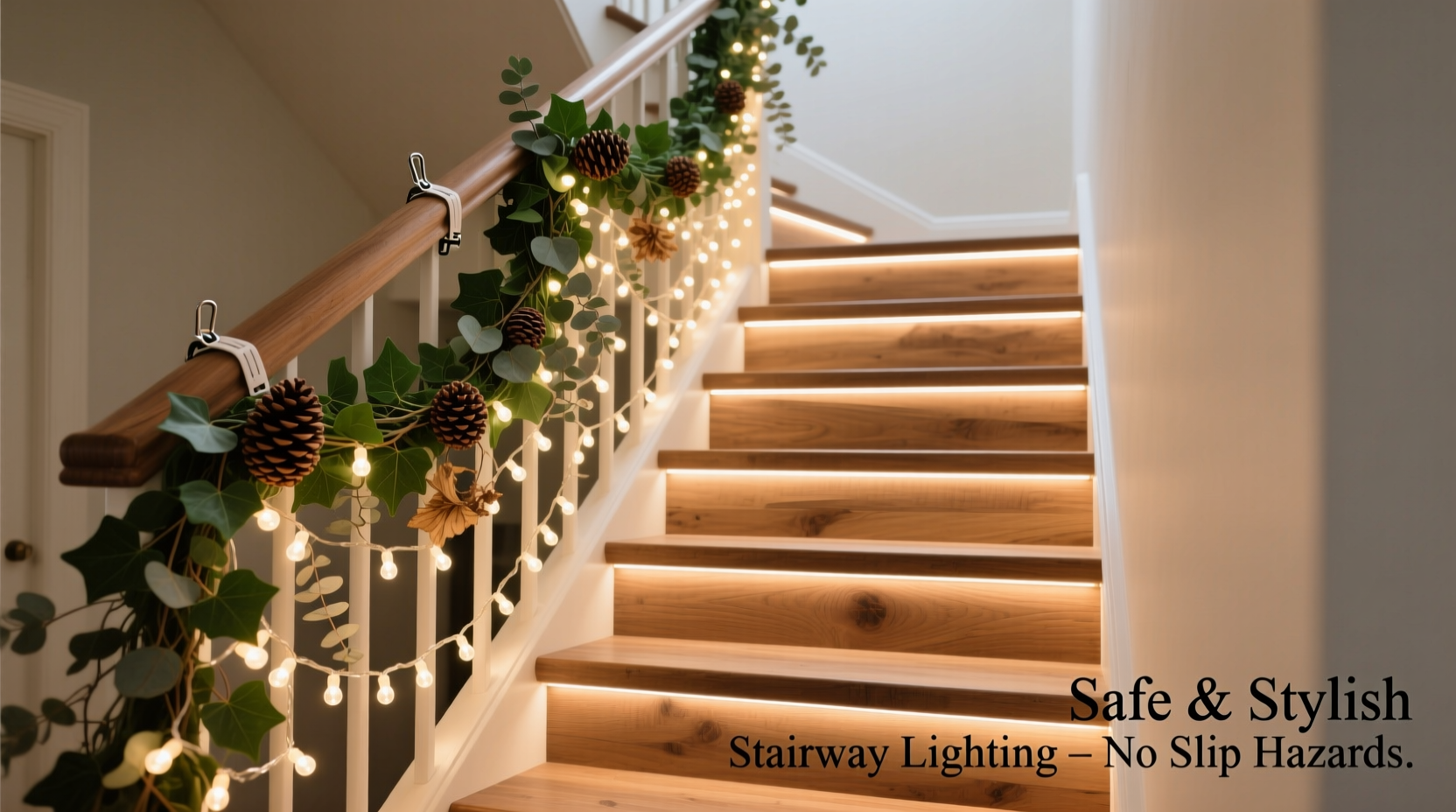
Staircases are inherently high-risk areas due to elevation changes and frequent foot traffic. Adding loose materials like garland or dangling wires increases the likelihood of accidents. According to the National Safety Council, falls account for over 8 million emergency room visits annually in the U.S., with stairs being a common site. When garland slips off railings or light cords hang within reach of feet, even small missteps can lead to injury.
The primary hazards include:
- Loose fasteners — Clips or ties that fail under weight or movement.
- Dangling ends — Garland tails or excess wire that trail onto steps.
- Uneven weight distribution — Heavy sections pulling down one side of the railing.
- Electrical cord placement — Wires running across treads or handrails where they can be stepped on.
Preventing these issues starts with planning and using the right tools and techniques from the outset.
Step-by-Step Guide to Securely Layer Garland and Lights
Safely decorating a staircase involves more than draping greenery and plugging in lights. A methodical approach ensures durability, visual appeal, and most importantly, safety.
- Measure Your Staircase
Use a flexible tape measure along the handrail’s curve to determine total length. Add 10–15% extra for natural draping and overlaps. Knowing the exact length prevents overhangs or gaps. - Choose Lightweight Materials
Opt for artificial garlands made from lightweight PVC or silk foliage instead of dense real pine, which retains moisture and gains weight over time. For lights, use LED mini string lights—they generate less heat, consume less energy, and are significantly lighter than traditional bulbs. - Install Lights First (Underneath the Garland)
Begin by securing the lights directly to the handrail using clear plastic cable ties or adhesive-backed clips designed for outdoor use. Space clips every 6–8 inches. Run the cord along the underside of the rail so it doesn’t interfere with walking space. Plug the strand into a nearby outlet or use a cord channel if extension is needed. - Attach the Garland Using Secure Fastening Methods
Place the garland over the lit handrail. Use floral wire, zip ties, or non-slip rubber hangers to anchor it at consistent intervals—every 12 to 16 inches. Avoid relying solely on twist ties or tape, which degrade quickly. - Create Even Draping Patterns
Allow the garland to rest naturally with slight dips between supports. Never let it sag below the level of the handrail or extend over the edge of the tread. Maintain a minimum clearance of 4 inches between any decoration and the step surface. - Secure Loose Ends
Trim or tuck any trailing ends of garland so they don’t dangle near steps. Use hidden fasteners underneath the rail to hold back excess length. Label plug ends clearly to avoid confusion during removal. - Conduct a Final Safety Check
Walk up and down the staircase slowly. Ensure no part of the garland or wiring obstructs your path. Confirm all electrical connections are stable and out of contact with water or high-touch surfaces.
Why Lighting Should Go Underneath the Garland
Placing lights beneath the garland creates a “glow-from-within” effect while protecting the bulbs from direct handling. It also keeps wires contained and reduces tangling. More importantly, this method allows the garland to act as a protective cover, minimizing exposure of electrical components to accidental pulls or snags.
“Layering lights under garland isn’t just about aesthetics—it's a critical safety strategy. Exposed cords on stairs are among the top causes of holiday-related falls.” — Sarah Linwood, Interior Safety Consultant
Best Fastening Methods: Do’s and Don’ts
Not all attachment methods are created equal. Some look clean initially but fail under daily use. The table below compares common fastening options based on security, visibility, and long-term reliability.
| Method | Do’s | Don’ts |
|---|---|---|
| Clear Plastic Zip Ties | Use behind rail spindles; trim flush to avoid sharp edges. Ideal for permanent-looking installations. | Don’t overtighten—can crush garland or damage rail finish. |
| Floral Wire | Twist tightly around rail and garland base. Paint green to blend in. | Don’t leave exposed ends—they can snag clothing or skin. |
| Adhesive Clips | Great for smooth rails. Choose weather-resistant types even indoors. | Don’t use on porous or painted wood—risk of peeling finish upon removal. |
| Tape (e.g., Painter’s or Duct) | Only for temporary setups lasting less than 48 hours. | Never rely on tape alone—it loses adhesion quickly and leaves residue. |
| Magnetic Hangers (for metal rails) | Reusable and invisible. Work well on wrought iron. | Don’t use on wooden or composite rails—they won’t adhere. |
Real-World Example: A Family Home Makeover Gone Right
The Thompson family in Portland, Oregon, wanted to elevate their entryway for Christmas but had young grandchildren visiting. Their previous attempts at staircase decor ended in tangled lights and one minor fall when a loose end caught a toddler’s shoe. Determined to make it work safely, they consulted a local decorator who implemented the layered approach described here.
The solution involved measuring the 22-foot curved staircase precisely, selecting a lightweight pre-lit artificial garland, and installing additional support clips at each newel post. They used green twist wire to secure overlapping sections and routed the power cord through a low-profile cord cover attached to the wall side of the railing.
Over the six weeks of display, there were zero incidents. The grandchildren loved pointing out the “sparkly green snake,” and the parents appreciated the peace of mind. After the holidays, disassembly took under 15 minutes thanks to labeled connectors and organized storage bags.
This case underscores that thoughtful execution—not expensive materials—is what makes holiday decorating both joyful and safe.
Essential Safety Checklist Before Turning On the Lights
Before finalizing your staircase display, run through this checklist to eliminate hazards:
- ✅ All garland sections are firmly attached every 12–16 inches.
- ✅ No part of the garland hangs below the handrail or touches the treads.
- ✅ Light cords are secured underneath the rail and not crossing steps.
- ✅ Electrical outlets are easily accessible and not overloaded.
- ✅ GFCI (Ground Fault Circuit Interrupter) outlets are used, especially in homes with children or pets.
- ✅ A fire extinguisher is nearby, and smoke detectors are functional.
- ✅ The entire assembly has been tested for stability under gentle pressure.
Cross off each item as you verify it. Consider having a second person review your work—a fresh perspective often catches overlooked risks.
Frequently Asked Questions
Can I use real pine garland on my staircase?
You can, but with caution. Real pine dries out, sheds needles, and becomes heavier with moisture. If used, ensure it’s freshly cut and replaced every 7–10 days. Secure it more frequently than artificial garland due to increased brittleness. Never combine real greenery with high-heat incandescent lights—fire risk increases significantly.
How do I hide cords without creating a tripping hazard?
Use adhesive-backed cord channels mounted along the wall side of the handrail. These flat, paintable covers keep wires flat against the surface and out of walk zones. Alternatively, route cords along baseboards using low-profile clips, leading them to the nearest outlet. Never run cords across floor surfaces near stairs.
Is it safe to leave staircase lights on overnight?
If using LED lights labeled for continuous operation and properly installed, it is generally safe. However, it’s best practice to turn them off when no one is home or during sleeping hours. Set a timer to automatically shut them off after 8–10 hours to reduce fire risk and energy use.
Final Recommendations for Long-Term Safety and Beauty
A well-decorated staircase should invite admiration, not anxiety. By prioritizing secure installation, smart layering, and ongoing maintenance, you create a display that enhances your home without compromising safety. Invest in quality materials once—such as UV-resistant garlands and commercial-grade clips—and reuse them year after year. Store them coiled neatly in labeled containers to preserve integrity.
Remember, the goal isn’t perfection—it’s protection. A slightly asymmetrical garland that stays put is far better than a flawless one that sags into the walking path. Encourage household members to report any loosening immediately, and schedule weekly checks during extended displays.
“The safest holiday decor is the kind you forget about—because it’s doing its job quietly and securely.” — Marcus Tran, Residential Design Safety Advocate
Conclusion
Layering garland and lights on staircases doesn’t have to mean choosing between beauty and safety. With careful planning, the right tools, and attention to detail, you can achieve a breathtaking display that protects everyone in your home. Start early, follow the steps outlined here, and never underestimate the value of a simple tug test before declaring your work complete.




 浙公网安备
33010002000092号
浙公网安备
33010002000092号 浙B2-20120091-4
Comments
No comments yet. Why don't you start the discussion?