
A fireplace mantle is one of the most prominent focal points in a home, especially during the holiday season. When decorated thoughtfully, it becomes a canvas for seasonal storytelling—welcoming guests with warmth, texture, and light. But achieving that magazine-worthy look isn’t about expensive decor; it’s about intentional layering. The key lies in combining garlands and string lights in a way that feels balanced, dimensional, and inviting. Done well, the effect is both dramatic and cozy. This guide walks through proven techniques to elevate your mantle display using strategic placement, material variety, and lighting finesse.
Start with Structure: Choose Your Garland Base
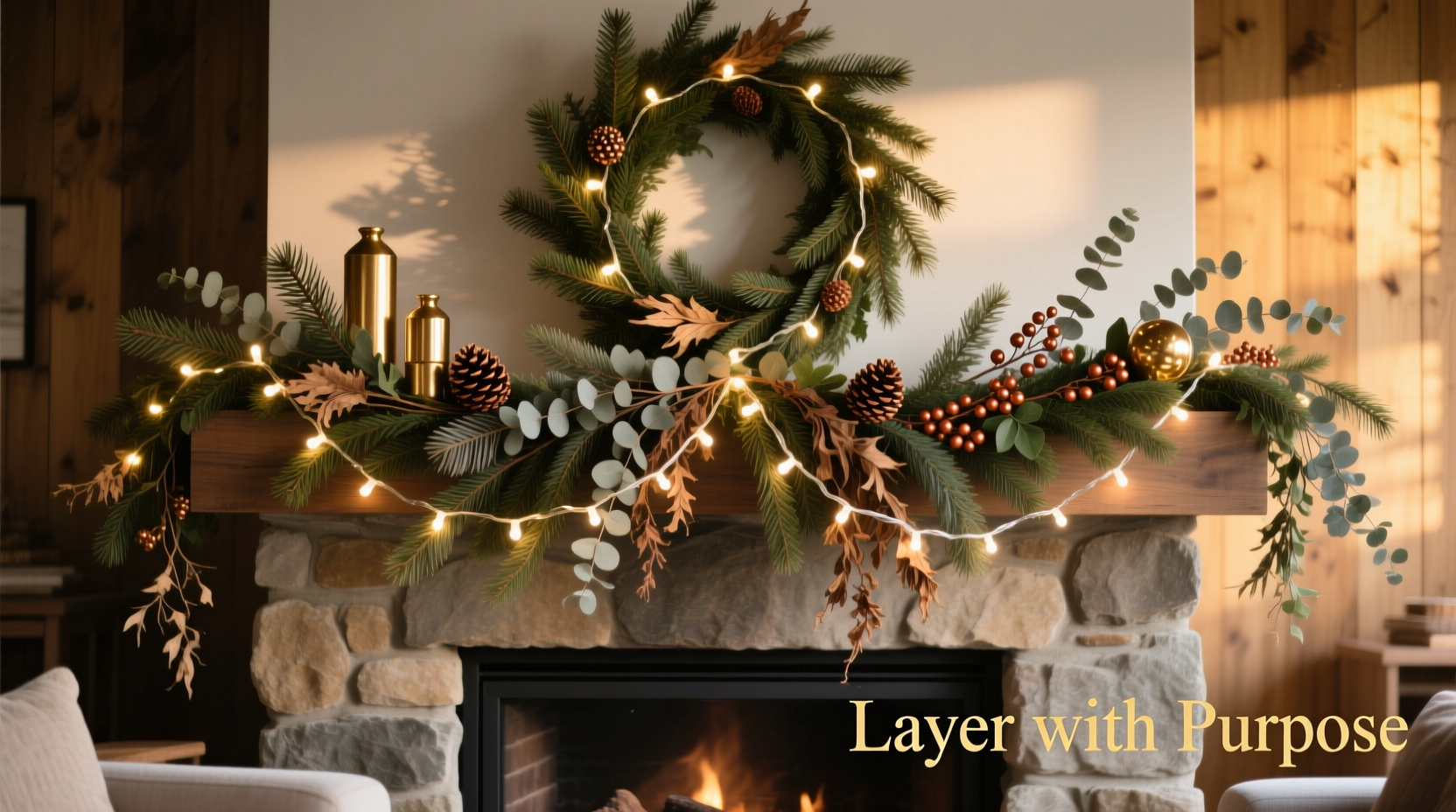
The foundation of any great mantle display is the garland. It provides volume, texture, and sets the tone for the entire arrangement. While pine is traditional, modern designs embrace eucalyptus, boxwood, olive branches, or even preserved moss for a year-round aesthetic. The choice of greenery affects not only appearance but also durability and scent.
For holiday displays, mix textures: combine full-bodied cedar with feathery fir or spruce for depth. If you're aiming for a more natural or rustic look, consider foraging local greens like magnolia leaves or seeded eucalyptus. Always begin by measuring your mantle—allow at least 6–12 inches of overhang on each side to create a flowing, organic feel.
Once your garland is laid out, assess its shape. Drape it slightly off-center if your mantle holds asymmetrical decor, or keep it centered for symmetry. Avoid laying it flat—gently lift and twist sections to create movement and prevent a “carpet roll” effect.
Lighting Strategy: Weave Lights for Depth, Not Coverage
Lights are not just illumination—they’re design tools. The difference between amateur and professional-level decoration is how lights are integrated. Rather than draping strings haphazardly over the top, weave them through the garland itself. This technique embeds the glow within the foliage, creating a soft radiance that mimics firelight.
Use warm white LED string lights (2700K–3000K color temperature) for a cozy ambiance. Cool whites can feel clinical, especially in living spaces. For a 6-foot mantle, three 50-light strands typically suffice. Begin weaving from one end, threading the cord in and out of the garland every 4–6 inches. Let some bulbs nestle deep into the greenery while others sit near the surface to produce variation in brightness.
“Lighting should feel like it’s coming from within the arrangement, not sitting on top of it.” — Clara Mendez, Interior Stylist & Seasonal Design Consultant
For added drama, incorporate fairy lights with copper wire for a delicate shimmer or use battery-operated twinkle lights in glass orbs for a floating effect. Avoid overloading—too many lights compete with the garland and distract from other decor elements.
Step-by-Step Guide: Layering for Maximum Impact
Layering is a sequence, not a single act. Follow this timeline to build a cohesive, eye-catching mantle display over the course of 1–2 hours.
- Prep the mantle surface (10 minutes): Clean the shelf, remove existing decor, and lay down kraft paper or a fabric runner if desired. This protects the surface and adds an extra textural layer.
- Attach the garland base (20 minutes): Secure the garland using clear adhesive hooks or discreet zip ties. Position it so it curves gently over the edges. Fluff the foliage to fill gaps.
- Weave in string lights (30 minutes): Starting from one end, thread lights through the garland. Focus on even distribution but allow slight clustering for dimension. Test the lights before finalizing placement.
- Add decorative accents (25 minutes): Introduce ornaments, pinecones, ribbon, or candles. Place larger items toward the ends or center depending on balance. Nestle smaller pieces into the greenery.
- Final styling and lighting check (15 minutes): Step back, view from multiple angles, and adjust any flat spots. Turn off room lights to evaluate the glow effect at night.
This method ensures each layer enhances the last, rather than fighting for attention. Patience during the weaving stage pays off in the final ambiance.
Material Mix: Combine Natural and Decorative Elements
To avoid a \"store-bought\" look, blend organic materials with curated decor. A mix of textures keeps the eye moving and adds authenticity. Think beyond evergreen—incorporate dried citrus slices, cinnamon sticks, burlap bows, or vintage mercury glass ornaments.
Consider scale. Large mantles can support bold elements like oversized baubles or tall taper candles, while smaller shelves benefit from subtlety—mini wreaths, clove-studded oranges, or tiny lanterns.
| Element Type | Recommended Use | Avoid |
|---|---|---|
| Fresh greenery | Ideal for 2–4 week displays; lasts longer with water spritzing | Dry indoor heat without misting |
| Silk/preserved garlands | Best for long-term or reusable decor | Direct sunlight (causes fading) |
| Warm white LEDs | Creates ambient, inviting glow | Overuse—stick to 2–3 strands max |
| Natural accents (pinecones, berries) | Adds woodland charm and texture | Open flames nearby (fire risk) |
One often-overlooked detail: scent. Fresh pine or rosemary releases a subtle fragrance that enhances the sensory experience. If using faux greens, add a few drops of essential oil to cotton balls tucked beneath the garland for a natural aroma.
Real Example: Transforming a Builder-Grade Mantle
Sarah K., a homeowner in Portland, Oregon, struggled each year with her plain, 4-foot wooden mantle. “It always looked sad—just a string of red lights and a sad wreath,” she said. Last December, she applied layered garland and lighting techniques after attending a local design workshop.
She began with a mixed garland of noble fir and seeded eucalyptus, secured with hidden zip ties. Then, she wove two strands of warm white fairy lights through the base, focusing on the front-facing side. She added handmade velvet bows in forest green and clusters of dried orange slices tied with twine. Finally, she placed three mercury glass candle holders in varying heights down the center.
The result? A rich, textured display that drew compliments from every guest. “It didn’t cost much, but it looked expensive,” Sarah noted. “The lights made it glow like magic at night.” Her total time: 90 minutes. Total cost: under $75 using a mix of store-bought and foraged materials.
Common Mistakes and How to Avoid Them
- Overcrowding: Too many ornaments or competing colors break visual flow. Stick to a cohesive palette—greens, creams, golds, and deep reds work well together.
- Flat lighting: Draping lights over the top creates a “necklace” effect. Always weave inward for depth.
- Ignoring scale: Oversized ornaments on a narrow mantle overwhelm the space. Match decor size to shelf dimensions.
- Skipping anchoring: Garlands shift easily. Use discreet fasteners to keep them in place, especially in high-traffic areas.
- Forgetting the night view: Many people style by day but forget how it looks in darkness. Test your lighting setup after dusk.
Checklist: Perfect Mantle Garland & Light Layering
Follow this checklist to ensure a polished, professional finish:
- ✅ Measure the mantle and select appropriately sized garland
- ✅ Choose warm white, not cool white, string lights
- ✅ Secure garland with hidden fasteners (zip ties, floral wire)
- ✅ Weave lights through the garland, not over it
- ✅ Incorporate at least three textures (e.g., greenery, ribbon, wood)
- ✅ Balance decor—symmetrical or intentionally asymmetrical
- ✅ Add height variation with candles or vertical accents
- ✅ Test lights in low-light conditions
- ✅ Refresh fresh greens with water spray every few days
- ✅ Step back frequently to assess overall composition
FAQ: Common Questions About Mantle Garland Layering
Can I use real candles with a green garland?
While real candles add charm, they pose a fire hazard when placed directly in or near flammable greenery. Opt for flameless LED candles instead. They mimic flicker realistically and can be left unattended safely.
How do I make my garland last longer?
If using fresh greens, lightly mist them with water every 2–3 days and keep the mantle away from heating vents. For extended displays, choose preserved or silk garlands, which maintain their look for months.
Should garlands hang equally on both sides?
Equal overhang creates symmetry, which works well in formal spaces. However, an intentional imbalance—such as one side cascading lower—can suit casual or eclectic interiors. Let your room’s style guide the decision.
Conclusion: Create a Focal Point That Feels Alive
A beautifully layered mantle does more than decorate—it transforms a room’s energy. By combining garlands and lights with intention, you create a dynamic centerpiece that shifts gracefully from daylight to evening glow. The secret isn’t complexity; it’s thoughtful sequencing, texture mixing, and light manipulation. Whether you’re preparing for the holidays or crafting a year-round statement, these techniques ensure your mantle becomes a destination, not just a shelf.




 浙公网安备
33010002000092号
浙公网安备
33010002000092号 浙B2-20120091-4
Comments
No comments yet. Why don't you start the discussion?