
Christmas lights transform ordinary spaces into magical winter wonderlands. But if your display still feels flat or sparse, the issue may not be the number of bulbs—it’s how they’re arranged. The secret to a rich, opulent glow lies in layering. By strategically overlapping multiple strands of lights, you can create depth, dimension, and a professionally decorated look that captures attention. This guide breaks down exactly how to achieve that fullness without excess clutter, using tested methods from lighting designers and seasoned holiday decorators.
Why Layering Matters in Holiday Lighting
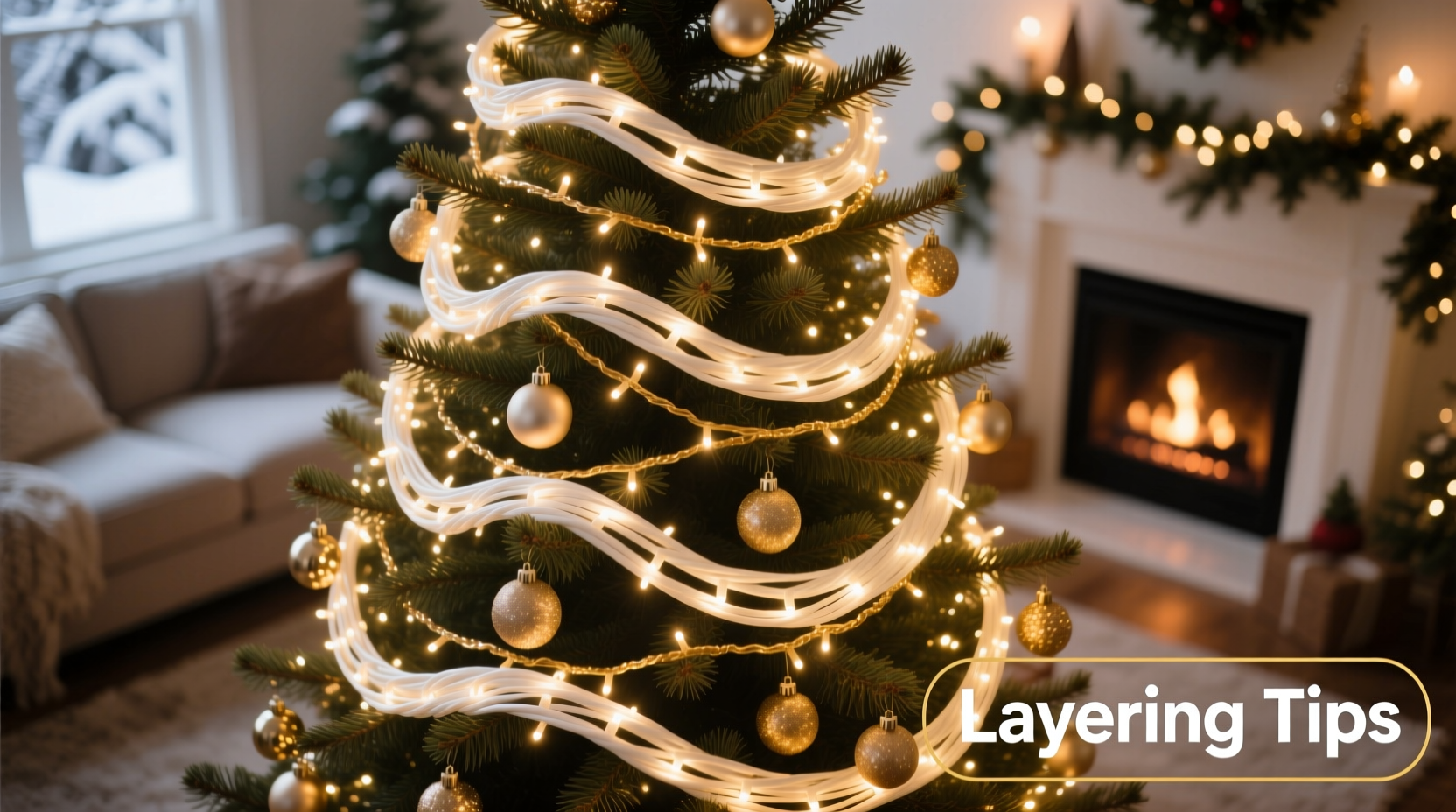
A single strand of Christmas lights often lacks visual weight. It traces an outline but doesn’t fill space, leaving areas underlit and diminishing the festive atmosphere. Layering addresses this by building up light density across surfaces—whether it’s a tree, roofline, porch railing, or indoor mantle.
Think of light like paint: one coat rarely covers completely. A second or third pass adds richness and eliminates thin spots. Similarly, layered lighting creates a luminous canvas where shadows are minimized, and brightness feels immersive rather than isolated.
This technique is widely used in commercial displays and high-end residential décor. According to interior stylist and seasonal design expert Marcus Teller, “Layering isn’t about adding more—it’s about enhancing rhythm and volume. A well-layered display mimics natural light diffusion, making it feel warm, inviting, and intentional.”
“Layering isn’t about adding more—it’s about enhancing rhythm and volume.” — Marcus Teller, Seasonal Design Expert
The Science of Light Density and Visual Fullness
To understand why layering works, consider two key principles: light density and perceived coverage.
- Light density refers to the number of lumens per square foot. Higher density means brighter, more saturated illumination.
- Perceived coverage is how complete and seamless the lighting appears to the human eye. Gaps between bulbs break continuity and reduce impact.
When you layer strands, you increase both. Even with modest bulbs, overlapping patterns trick the eye into seeing continuous sparkle. The result? A display that looks denser, richer, and more professionally installed—even if you're using standard C7 or mini lights.
Step-by-Step Guide to Layering Multiple Strands
Effective layering follows a logical sequence. Whether decorating a tree or outlining your home’s architecture, follow these steps for maximum impact.
- Plan Your Base Layout
Select the primary zones you want to illuminate—rooflines, windows, railings, trees—and map them mentally or on paper. Decide which areas will serve as focal points (e.g., front porch) versus secondary accents (e.g., side walkway). - Choose Compatible Light Strands
All strands should match in color temperature and bulb size. Mixing warm and cool whites creates visual discord. Stick to one style—mini lights for delicate effects, C7/C9 for bold outlines. - Install the First Layer (Foundation)
Lay down your initial strand along the outer edge of the surface. For example, run one string along the eaves’ leading edge. Secure with clips or hooks every 8–12 inches to prevent sagging. This establishes structure. - Add the Second Layer (Fill)
Now install a second strand slightly behind or beneath the first. On a roofline, place it 2–3 inches inward. On a tree, weave it deeper into the branches. This fills gaps and begins creating depth. - Introduce a Third Layer (Accent/Depth)
For high-impact zones, add a third strand at varying intervals. Offset the plug ends so all connectors aren’t clustered in one spot. Consider staggering colors or using twinkle modes selectively for dynamic interest. - Test and Adjust
Turn on all strands after installation. Walk around the display at night. Look for dark patches or areas where wires are visible. Re-route or add micro-lights to cover problem zones.
Best Practices for Different Surfaces
Not all surfaces respond the same way to layered lighting. Tailor your approach based on location and material.
Trees (Indoor & Outdoor)
Start from the trunk and work outward. Wrap the first strand tightly around inner branches to establish a core glow. Then spiral a second strand from base to top along the outer canopy. For large trees, use a third strand vertically to simulate starlight filtering through foliage.
Rooflines and Eaves
Use a double-row method: one strand along the fascia edge, another just below the shingle line. This frames the roof and prevents a \"floating\" effect. For gabled roofs, repeat on both sides of the peak for symmetry.
Porch Railings and Columns
Wrap each post individually with one vertical strand, then add a horizontal runner along the handrail. Layering here increases visibility from the street and enhances safety during evening hours.
Windows and Door Frames
Outline the perimeter with one strand, then add a second inset rectangle 2–4 inches inside. This creates a “glowing window” illusion, especially effective at night.
| Surface | Recommended Layers | Bulb Spacing | Pro Tip |
|---|---|---|---|
| Christmas Tree | 2–3 | 2–3 inches apart | Layer from inside out; darkest areas get first coverage |
| Roofline | 2 | 6–8 inches apart | Stagger male/female ends to avoid bulk |
| Porch Railing | 2 | 4–6 inches apart | Use warm white for welcoming ambiance |
| Window Frame | 2 | 3–5 inches apart | Inset layer enhances depth perception |
| Indoor Mantle | 2–3 | 2 inches apart | Mix steady and twinkle for texture |
Do’s and Don’ts of Layering Christmas Lights
Avoid common pitfalls that undermine even the most ambitious displays.
| Do | Don't |
|---|---|
| Match bulb color and size across layers | Mix different color temperatures (e.g., warm + cool white) |
| Stagger connection points between strands | Cluster all plugs in one visible area |
| Use proper outdoor-rated clips and fasteners | Nail or staple directly into siding or wood |
| Test each strand before installing | Assume all new strings are fully functional |
| Plan power access with extension cords and timers | Daisy-chain more than three strands unless rated for it |
Real Example: Transforming a Front Porch Display
Sarah L., a homeowner in Portland, OR, struggled for years with a lackluster porch display. Her single strand of mini lights along the railing looked bare, especially when neighbors used elaborate inflatables and net lights.
She decided to experiment with layering. First, she added a second identical strand just below the top rail, running parallel. Then, she wrapped each of the four support columns with a separate string, starting at the base and spiraling upward. Finally, she tucked micro LED string lights into potted evergreens flanking the steps.
The result was dramatic. From the sidewalk, the porch appeared twice as bright and significantly more detailed. Neighbors commented on the “boutique hotel” vibe. Sarah used only 30% more lights than before—but their arrangement made all the difference.
Maximizing Impact with Minimal Materials
You don’t need dozens of strands to achieve fullness. Strategic placement matters more than quantity. Focus on high-visibility zones and use layering where it counts.
For example, instead of covering every inch of gutter, concentrate on corners and entry points. Layer two strands at the front-facing eave corner while using a single strand elsewhere. This draws the eye to architectural highlights without overloading circuits.
Another tactic: combine light types. Pair rope lights along a banister with a secondary layer of fairy lights woven through spindles. The contrast in texture adds visual complexity without requiring hundreds of extra bulbs.
Checklist: Preparing for a Layered Lighting Installation
- ☐ Measure all surfaces to determine total linear footage needed
- ☐ Purchase matching strands (same color, bulb type, and length)
- ☐ Buy enough clips, hooks, or adhesive mounts for secure attachment
- ☐ Test all light strings before installation
- ☐ Plan power sources and use heavy-duty extension cords
- ☐ Install foundation layer first, then secondary and accent layers
- ☐ Step back frequently to assess balance and coverage
- ☐ Use a timer to automate daily operation
Frequently Asked Questions
Can I safely connect multiple strands together?
Most manufacturers rate their lights to handle daisy-chaining of up to three strands. Exceeding this risks overheating and circuit overload. For larger displays, use multiple outlets or a dedicated outdoor power strip with surge protection.
How do I hide wires when layering?
Use clips that grip wires discreetly, route cords along natural grooves (like gutter seams), and tuck excess behind structures. For indoor use, clear cord covers or paintable wire channels blend into baseboards and walls.
Is it worth investing in smart lights for layering?
Yes—especially for complex setups. Smart LED strands allow you to control brightness, color, and animation modes independently. You can dim background layers while highlighting focal areas, creating dynamic depth that changes throughout the season.
Final Thoughts: Elevate Your Holiday Presence
Layering Christmas lights isn’t about excess—it’s about intentionality. With thoughtful planning and careful execution, you can turn a simple decoration into a breathtaking display that radiates warmth and celebration. The fuller effect isn’t achieved by throwing more lights at a problem, but by orchestrating them with purpose.
Start small. Pick one area—your front door frame or living room tree—and apply the layering principles outlined here. Once you see the transformation, you’ll likely want to expand the technique throughout your home. Done right, layered lighting doesn’t just illuminate your space; it defines its holiday character.




 浙公网安备
33010002000092号
浙公网安备
33010002000092号 浙B2-20120091-4
Comments
No comments yet. Why don't you start the discussion?