
Layering necklaces is one of the most expressive and elegant ways to elevate an outfit. Whether you're dressing up for a night out or adding subtle sophistication to a casual ensemble, a well-layered necklace stack draws attention, frames the face, and reflects personal style. But there's a common frustration that comes with this trend: tangling. Knots not only damage delicate chains but also make your jewelry difficult to wear and store. The good news? With the right techniques, materials, and habits, you can layer necklaces effortlessly—without a single knot in sight.
Understanding Necklace Tangles: Why They Happen
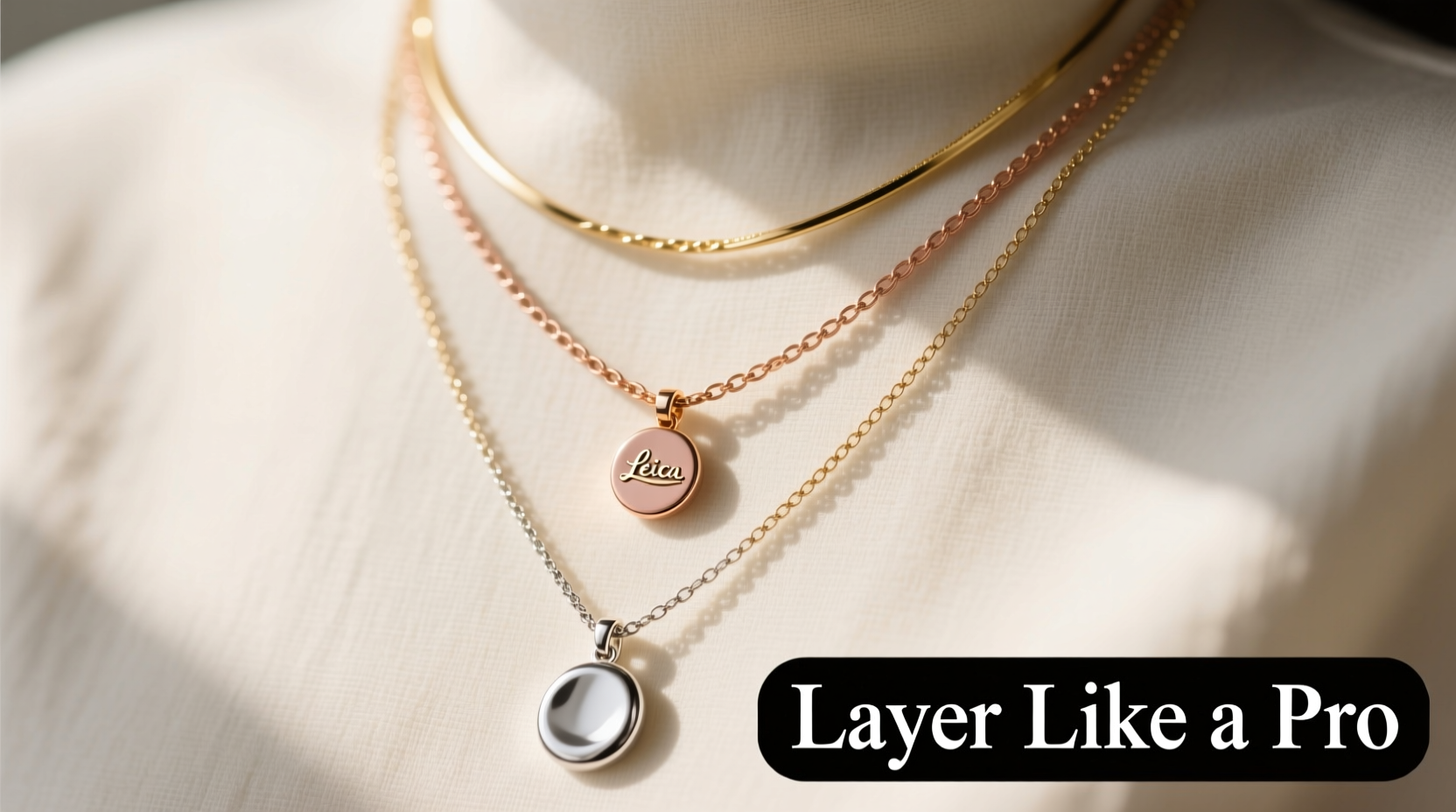
Tangling occurs when chains rub against each other during movement or storage. Thin, fine-link chains like cable, box, or snake chains are especially prone to catching on clasps, pendants, or adjacent chains. The more pieces you wear together—and the longer the chains—the higher the risk of knots forming.
Movement plays a big role. Daily activities such as walking, driving, or even turning your head create friction between layers. Over time, this motion causes chains to twist and wrap around one another. Poor storage compounds the issue. Throwing multiple necklaces into a pile in a drawer or tossing them loosely into a bag invites inevitable tangles.
But tangles aren’t inevitable. By understanding how they form, you can take proactive steps to prevent them—both while wearing and storing your jewelry.
The Art of Styling: How to Layer Necklaces Like a Pro
Successful layering isn’t just about avoiding tangles—it’s about creating visual harmony. A balanced stack uses variation in length, thickness, and design to guide the eye downward and enhance your neckline.
Start with a base rule: space your necklace lengths by at least 1–2 inches. This prevents overlap and reduces contact between chains. A classic combination includes:
- Choker: 14–16 inches – sits close to the throat
- Princess: 17–19 inches – falls just below the collarbone
- Matinee: 20–24 inches – drapes mid-chest
- Opera: 28–34 inches – ideal for dramatic effect or doubling as a wrap
Pair a short pendant necklace with a longer, simpler chain. For example, a delicate 15-inch initial pendant layered over a 20-inch paperclip chain creates contrast without clutter. Mixing metals—like gold with rose gold or silver—adds depth, especially when textures vary (e.g., a smooth rope chain with a hammered bar pendant).
Avoid overcrowding. Three to four necklaces are usually enough. More than that increases the risk of tangling and can look chaotic rather than curated.
“Balance is everything in jewelry layering. Think of it like music—each piece should have its own space to be heard.” — Lila Monroe, Jewelry Stylist & Founder of Gem Muse Studio
Step-by-Step Guide: How to Put On Layered Necklaces Without Tangling
Even with well-chosen pieces, how you put on your necklaces matters. Rushing through the process increases the chance of loops forming before you’ve even left the house. Follow this sequence to minimize friction and keep chains separate:
- Start with the longest chain. Longer necklaces sit lower and are less likely to catch on others once secured. Drape it around your neck and fasten the clasp first.
- Add medium-length pieces next. Slide the chain over your head carefully, ensuring it doesn’t catch on the first layer. Position it so it rests just above the previous necklace.
- Finish with the shortest (choker-style) necklace. This minimizes pulling and twisting of upper layers.
- Adjust gently. Once all pieces are on, use both hands to guide each chain into place. Smooth out any twists slowly—don’t yank.
- Secure pendants at the front. If your necklace has a pendant, position it before fastening the clasp to avoid snagging.
This top-down approach ensures each chain has room to settle without interference. It may feel counterintuitive at first, but it significantly reduces tangles throughout the day.
Smart Storage Solutions to Prevent Tangles
How you store your necklaces when not in use is just as important as how you wear them. Tossing multiple chains into a single compartment is a recipe for overnight knots. Instead, adopt storage habits that keep each piece isolated and supported.
Consider these effective methods:
- Hanging organizers: Use a jewelry stand with hooks or a wall-mounted rack. Each necklace hangs freely, preventing contact.
- Individual pouches: Store each necklace in a soft fabric bag. Velvet or cotton-lined pouches protect finishes and stop chains from rubbing.
- Roll-up travel cases: These have designated slots for each piece, keeping them flat and separated—ideal for travel.
- Button-down shirt method: Lay a clean button-up shirt flat, thread each necklace through a buttonhole, and fasten the clasp on the other side. The fabric keeps chains apart and immobile.
Do’s and Don’ts of Necklace Layering
| Do’s | Don’ts |
|---|---|
| Vary chain lengths by 1–2 inches | Wear three identical-length chains together |
| Mix textures (e.g., cable + curb + rope) | Combine too many chunky pieces |
| Use anti-tarnish strips in storage | Store wet or perfumed necklaces (moisture accelerates tarnishing) |
| Apply perfume and lotion before putting on jewelry | Put on necklaces before applying skincare (chemicals weaken metal over time) |
| Clean chains monthly with mild soap and water | Use abrasive cleaners on delicate gold-filled or vermeil pieces |
Real-Life Example: From Tangled Mess to Effortless Elegance
Sophia, a marketing executive in Chicago, loved layering necklaces but dreaded the morning ritual of untangling her favorite trio—a 16-inch bar pendant, an 18-inch heart charm, and a 22-inch figaro chain. She often spent 10 minutes straightening knots, sometimes damaging the fine links in the process.
After learning about strategic layering, she reorganized her routine. She began storing each necklace in individual silk pouches and adopted the “longest-first” method when getting dressed. She also replaced her thinnest chain with a slightly sturdier trace chain to reduce breakage risk.
Within a week, Sophia stopped encountering tangles entirely. Her confidence grew, and she started experimenting with bolder combinations—adding a lariat style for evening events. What was once a frustrating habit became a joyful part of her daily self-expression.
Jewelry Care Checklist: Keep Your Layers Tangle-Free
To maintain your necklaces’ integrity and appearance, follow this monthly care checklist:
- ✅ Inspect clasps and links for weakness or wear
- ✅ Clean each chain with a soft cloth after wearing
- ✅ Perform a deep clean using lukewarm water and mild dish soap (avoid soaking pearls or porous stones)
- ✅ Dry thoroughly with a lint-free towel
- ✅ Store each piece separately in a lined box or hanging organizer
- ✅ Rotate heavy statement pieces to prevent strain on delicate chains
- ✅ Apply an anti-tarnish polish strip near storage area (especially for silver)
Frequently Asked Questions
Can I layer necklaces made of different metals?
Absolutely. Mixing metals is a modern styling trend that adds dimension. Just ensure the tones complement your skin tone and outfit. Warm metals (gold, rose gold) pair well together, as do cool tones (silver, platinum). Avoid combining too many shades—stick to two or three for cohesion.
How do I clean tangled necklaces safely?
Never submerge a tangled necklace in liquid. First, try to gently loosen the knot using a fine needle or tweezers under good lighting. Once untangled, clean as usual: soak in warm, soapy water for 5–10 minutes, then dry completely. For persistent tangles, consult a jeweler—forcing it can break the chain.
Are certain chain types better for layering?
Yes. Sturdier chains like cable, rolo, figaro, and box styles resist kinking better than delicate ones like wheat or mariner chains. However, fine chains can work if layered sparingly and stored properly. Avoid pairing two ultra-thin chains—they’re more likely to intertwine.
Final Thoughts: Style Should Be Stress-Free
Layering necklaces shouldn’t come with the daily hassle of untangling knots or repairing broken chains. With thoughtful selection, intentional wearing order, and smart storage, you can enjoy the beauty of stacked jewelry without the frustration. The key lies in preparation: choosing complementary lengths, protecting your investment with proper care, and respecting the delicate nature of fine chains.
When done right, necklace layering becomes second nature—an intuitive extension of your personal style. You’ll save time, preserve your pieces, and step out each day with confidence, knowing your look is polished, intentional, and tangle-free.




 浙公网安备
33010002000092号
浙公网安备
33010002000092号 浙B2-20120091-4
Comments
No comments yet. Why don't you start the discussion?