
Layering necklaces is one of the most expressive ways to elevate an outfit. Whether you're dressing up for a night out or adding subtle flair to your everyday look, combining different chains, pendants, and lengths can create depth and personality. But there’s a persistent challenge that comes with this trend: tangles. A knotted mess not only wastes time but can damage delicate chains over time. The good news is that with the right techniques, organization, and styling awareness, you can layer necklaces seamlessly—both when wearing them and when storing them.
This guide walks through proven methods to prevent tangling, build balanced layered looks, and maintain your jewelry’s condition—all while achieving that effortlessly chic aesthetic so many admire.
Choose the Right Necklace Lengths and Styles
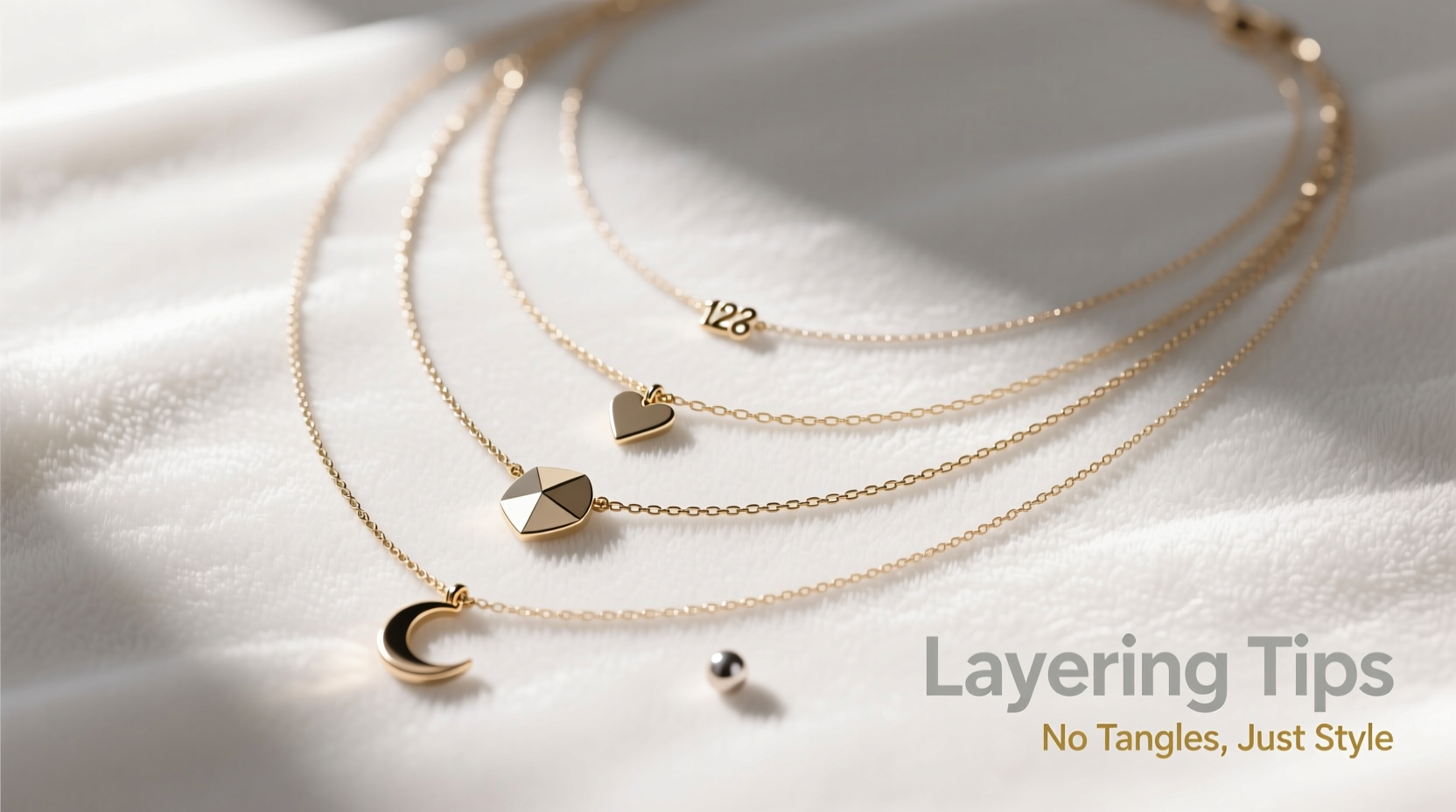
The foundation of a successful necklace layer lies in thoughtful selection. Randomly stacking chains often leads to overlapping, snagging, and visual clutter. Instead, curate pieces that complement each other in length, weight, and design.
Aim for a progression of at least 2–4 inches between each chain. For example:
- Choker: 14–16 inches (sits close to the base of the neck)
- Princess: 17–19 inches (falls just below the collarbone)
- Matinee: 20–24 inches (reaches the top of the bust)
- Opera: 28–34 inches (drapes mid-chest or lower)
Spacing these lengths ensures each necklace has its own visual space, reducing friction and overlap. Pair delicate chains like a fine cable or box chain with bolder pieces such as a substantial pendant or a chunky curb link, but avoid clustering too many thick chains together—they’re more prone to catching on one another.
Prevent Tangling During Wear
Even well-chosen necklaces can twist and knot during the day if not secured properly. The key is minimizing movement and contact between chains.
Begin by putting on the longest necklace first, then work upward. This prevents shorter chains from slipping under longer ones, which increases the risk of snags. Fasten each clasp carefully and gently adjust the drape before adding the next piece.
To further reduce friction:
- Use necklaces with secure lobster clasps instead of spring rings, which are more likely to open accidentally.
- Avoid excessive layering during high-movement activities like workouts or dancing.
- Consider using a necklace spacer—a small ring or bead placed between two chains—to keep them separated.
If you notice chains twisting throughout the day, pause and re-drape them symmetrically. A quick mirror check every few hours can save you from a full-blown tangle later.
“Proper layering isn’t just about aesthetics—it’s about function. Chains that move independently last longer and look intentional.” — Lena Torres, Jewelry Stylist & Founder of Chain Theory
Smart Storage Solutions to Prevent Knots
Most tangles happen not during wear, but in storage. Tossing necklaces into a drawer or pile invites chaos. Investing in structured storage protects your pieces and preserves their shape.
Here are effective storage methods:
- Hanging Jewelry Organizer: Use a fabric-covered board with hooks or loops. Hang each necklace individually to prevent contact.
- Necklace Stand: A tiered display stand keeps multiple pieces visible and separated—ideal for frequently worn combinations.
- Travel Roll: For on-the-go protection, roll-up cases with individual slits keep chains flat and isolated.
- Ziplock Bag Method: Thread each necklace through a straw and place it in a labeled sandwich bag. Seal it—this minimizes movement and exposure to air.
Avoid tossing necklaces into a single compartment pouch or leaving them draped over doorknobs. Humidity, dust, and motion accelerate wear and increase tangle risk.
| Storage Method | Best For | Tangle Prevention Level |
|---|---|---|
| Hanging Organizer | Daily wear, multiple pieces | High |
| Jewelry Box with Dividers | Delicate chains, mixed metals | Medium-High |
| Travel Roll | Portability, vacations | High |
| Open Drawer Pile | Not recommended | Low |
Step-by-Step Guide to Untangle a Knotted Necklace
Despite best efforts, tangles happen. When they do, patience and the right technique make all the difference. Never pull or yank—this can stretch or break thin chains.
Follow this timeline-safe method:
- 1. Lay the necklace flat on a clean, well-lit surface. Use a towel to prevent slipping.
- 2. Identify the core knot. Gently spread the chain outward to locate the tightest point.
- 3. Apply a drop of baby oil or hand lotion to reduce friction around the knot. Let it sit for 1–2 minutes.
- 4. Use a pin or needle to slowly tease apart the strands. Work from the outside in, nudging loops open rather than pulling.
- 5. Rotate the chain as needed to access different angles. Hold tension lightly on both ends.
- 6. Once untangled, clean the chain with a soft cloth to remove any residue from lubricants.
For severe knots in valuable or antique pieces, consult a jeweler. Professional tools and expertise can resolve complex tangles without damage.
Create Balanced Layered Looks Without Overcrowding
Effortless style comes from harmony, not quantity. A well-layered stack should draw the eye naturally downward, creating vertical flow rather than horizontal clutter.
Follow these principles for cohesive layering:
- Vary textures: Combine a smooth ball chain with a twisted rope or a beaded strand to add interest without bulk.
- Anchor with a focal point: Choose one standout pendant—like a locket or initial—and build around it with simpler chains.
- Mix metals thoughtfully: Gold, silver, and rose gold can coexist if they share a similar finish (e.g., matte or polished).
- Respect neckline compatibility: High necklines pair well with longer layers; off-the-shoulder tops leave room for chokers and short chains.
When trying a new combination, step back and assess the overall silhouette. If the layers blend into a single mass, simplify. The goal is distinction—not fusion.
Mini Case Study: Emma’s Everyday Layered Look
Emma, a graphic designer in Portland, wanted a signature jewelry style that transitioned from work to evening. She owned seven necklaces but rarely wore them due to constant tangling.
She started by selecting three pieces: a 16-inch gold choker with a small bar pendant, an 18-inch delicate figaro chain, and a 22-inch paperclip chain with a minimalist moon charm. She stored them on a wall-mounted rack with individual hooks and began putting on the longest first.
Within a week, she noticed fewer tangles and more compliments. Her routine now takes less than two minutes, and she rotates in different pendants for variety. “It finally feels intentional,” she says. “I’m not fighting my jewelry anymore.”
Jewelry Care Checklist for Tangle-Free Layers
Stay ahead of tangles and damage with this weekly maintenance checklist:
- ✅ Remove necklaces before showering, swimming, or applying perfume
- ✅ Wipe chains with a dry microfiber cloth after wearing
- ✅ Inspect clasps weekly for looseness or wear
- ✅ Store each necklace separately using hooks, rolls, or dividers
- ✅ Limit layering to 2–3 pieces unless designs are specifically compatible
- ✅ Untangle knots immediately—don’t let them sit
- ✅ Schedule professional cleaning once every 6 months for high-wear pieces
Frequently Asked Questions
Can I layer different metal tones without it looking messy?
Yes—modern styling embraces mixed metals. Stick to a cohesive theme (e.g., warm tones like gold and rose gold) or ensure all pieces have a similar polish level. Avoid combining brushed and shiny finishes haphazardly.
How do I stop my pendant from sliding to the back?
Pendants migrate due to chain texture and movement. Opt for chains with tighter links (like cable or trace) that offer more grip. Alternatively, add a small silicone stopper just behind the pendant to limit travel.
Is it safe to wear layered necklaces every day?
Yes, but rotate your pieces to reduce wear. Daily friction between chains can weaken solder points over time. Give each necklace a rest every few days, and inspect for signs of stress near clasps and jump rings.
Final Thoughts: Style Should Be Stress-Free
Layering necklaces shouldn’t come with the frustration of constant detangling or the fear of damaging precious pieces. With intentional selection, smart storage, and a bit of daily mindfulness, you can enjoy a dynamic jewelry rotation that enhances your look without complicating your routine.
The most stylish people aren’t those with the most necklaces—they’re the ones who wear theirs with confidence, consistency, and care. Build a system that works for your lifestyle, protect your investments, and let your layered look speak volumes—without a single knot in sight.




 浙公网安备
33010002000092号
浙公网安备
33010002000092号 浙B2-20120091-4
Comments
No comments yet. Why don't you start the discussion?